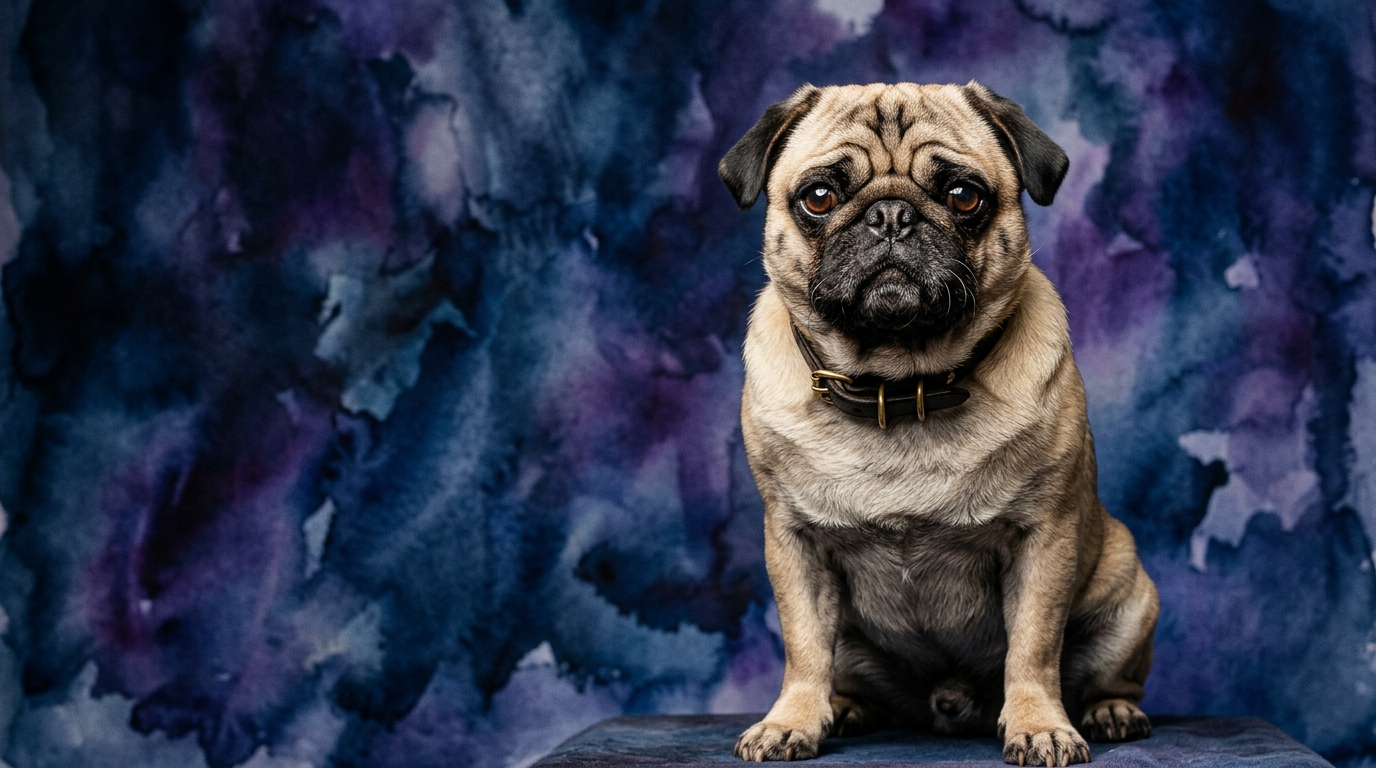
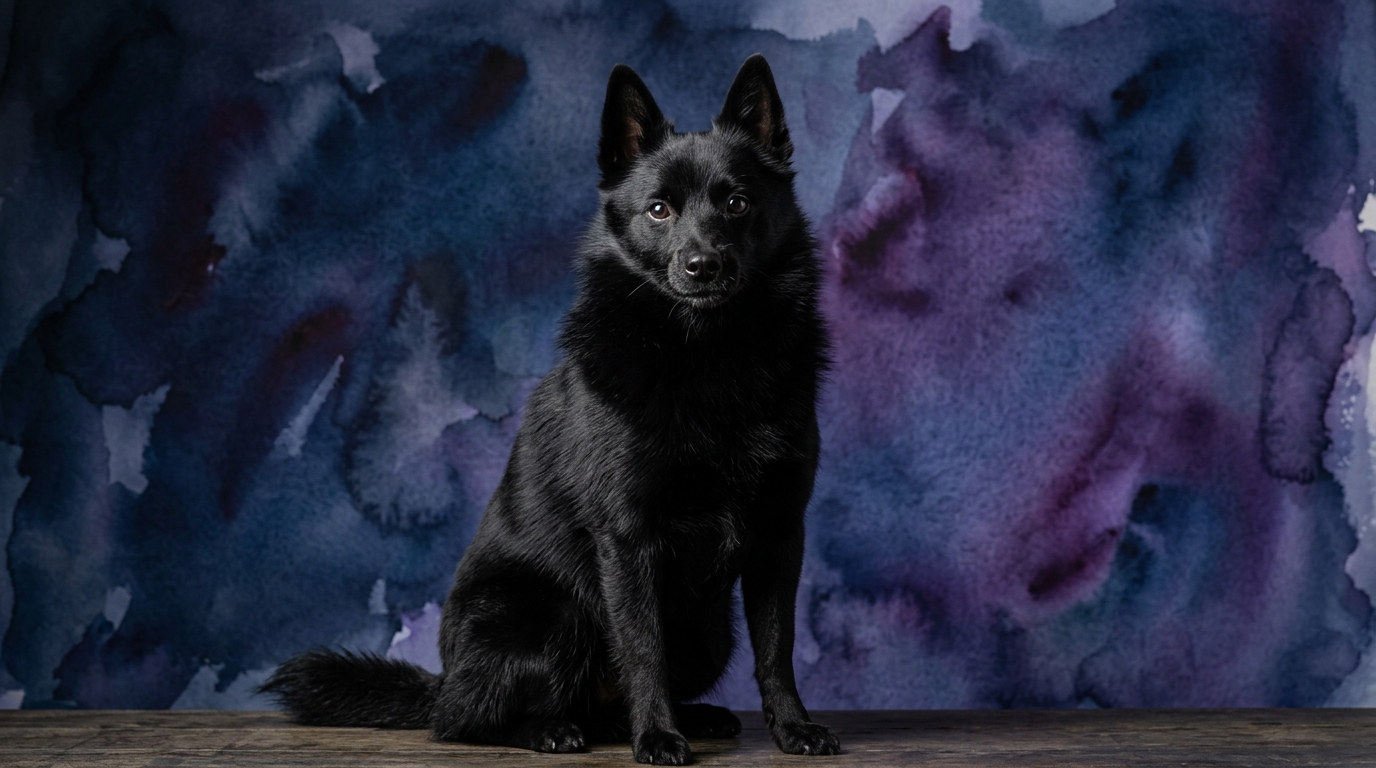
Side-by-Side IQ Profile
To understand the cognitive landscape of these two breeds, The Cosmic Pet Pet IQ Lab employs five key dimensions. Let's examine how the Pug and Schipperke stack up in each, revealing their innate intellectual inclinations.
Pug:
Problem Solving (2/5): Pugs prefer routine, often seeking human help for novel challenges rather than independent strategic thought.
Training Speed (2/5): Acquiring new commands is gradual, requiring consistent repetition and high-value rewards due to potential focus shifts.
Social Intelligence (5/5): Pugs excel at reading human emotions and intentions, highly attuned to social cues, seeking deep connection and mirroring family feelings.
Instinctive Drive (2/5): Low instinctive drive means minimal prey drive or independent working tendencies; companionship is their primary motivation.
Memory (3/5): Functional memory for basic commands and routines; complex sequences or past events might challenge their recall without strong cues.
Schipperke:
Problem Solving (5/5): Schipperkes are natural strategists, adept at figuring out goals, approaching new situations with curiosity and analytical thought.
Training Speed (5/5): Remarkably quick learners, grasping new commands or complex sequences after few repetitions, eager for advanced training.
Social Intelligence (3/5): While observant, their social intelligence leans towards independence; they assess situations discerningly, choosing when to engage.
Instinctive Drive (3/5): Moderate instinctive drive from ratting heritage, manifesting as vigilance, territorial sense, and persistent curiosity.
Memory (5/5): Exceptional memory for commands, routines, and experiences, enabling reliable performance of complex tasks over long periods.
Where Pug Wins Cognitively
When evaluating cognitive strengths, the Pug's exceptional social intelligence stands as its crowning achievement, scoring a perfect 5/5. This isn't merely affection; it's a sophisticated empathy. A Pug often senses when their human is feeling down, offering gentle comfort without prompting. They excel at reading subtle shifts in tone, body language, and facial expressions, adapting their behavior to provide solace or elicit interaction. This profound attunement makes them superb emotional support companions, forming incredibly deep, intuitive bonds that transcend simple obedience. Their cognitive architecture prioritizes connection, making them masters of social dynamics. The Pug's primary neurological focus is harmonious interaction, providing unique, responsive companionship rooted in understanding the unspoken language of its household.
Where Schipperke Wins Cognitively
In stark contrast, the Schipperke’s cognitive prowess is rooted in its formidable problem-solving abilities, rapid training speed, and robust memory, each scoring a maximum 5/5. These dimensions paint a picture of a dog built for engagement and intellectual challenge. A Schipperke doesn’t just observe; it actively processes and strategizes, experimenting until it succeeds. This intrinsic drive to understand and manipulate its environment is a hallmark of its high problem-solving capacity. Their rapid training speed reflects neurological efficiency in processing new information, making them prime candidates for advanced obedience and complex trick training. This learning efficiency is underpinned by a powerful memory, allowing them to retain vast commands and recall intricate sequences with precision. Their cognitive strengths equip them to be vigilant, adaptable, and highly capable partners for owners who appreciate a dog that can think for itself.
Training Ease: Pug vs. Schipperke
When it comes to training, the distinction between Pug and Schipperke is pronounced, largely due to their differing cognitive profiles in training speed and motivation. The Schipperke (5/5 training speed) is a 'quick study.' Its neurological wiring allows rapid association of commands with actions and rewards. They possess an inherent eagerness to learn, finding training itself stimulating. This means they pick up complex commands and multi-step routines with few repetitions, thriving on sharp focus and positive reinforcement that challenges their intellect. Conversely, the Pug (2/5 training speed) offers a different experience. While capable, their processing speed for new commands is slower, and attention span for repetitive drills can be shorter. A Pug wants to please, but its motivation for complex tasks may wane without high-value rewards and brief, fun sessions. Training a Pug requires immense patience, creative motivation (leveraging treats/social interaction), and breaking tasks into smaller steps. It's about differing cognitive processing and intrinsic motivations.
Lifestyle Match: Active vs. Relaxed Owners
The distinct cognitive profiles of the Pug and Schipperke naturally lend themselves to different owner lifestyles. For individuals seeking a companion thriving on mental engagement, physical activity, and a collaborative partnership, the Schipperke is an exceptional match. Its high problem-solving, rapid training, and moderate instinctive drive demand consistent mental stimulation. Schipperkes excel in dog sports like agility, obedience, and scent work, enjoying new environments. An active owner providing daily learning and structured play will find the Schipperke endlessly engaging, preventing boredom. Conversely, for those valuing a relaxed pace and seeking affectionate companionship, the Pug is ideal. Its paramount social intelligence means it flourishes in environments rich with human interaction, not constant challenges. Pugs are content with gentle strolls, lap time, and being a comforting presence. Their lower instinctive drive doesn't demand complex tasks. A relaxed owner cherishing snuggle sessions and quiet companionship will find a Pug’s cognitive strengths perfectly align.
The Verdict
Choose a Pug if you prioritize deep emotional connection, a companion highly attuned to your feelings, and a relaxed, comforting presence in your home, understanding that training will require patience and positive reinforcement.
Opt for a Schipperke if you seek an intellectually sharp, quick-to-learn partner for activities, mental challenges, and a vigilant, active companion who thrives on engagement and purposeful tasks.
🧠 Find Your Pet's IQ Score
Our Pet IQ Lab assessment covers 25+ tests across 5 cognitive dimensions — personalized to your breed.
Take the Full IQ Test →Frequently Asked Questions
Is a Pug difficult to train?
While Pugs are eager to please due to their high social intelligence, their training speed is lower (2/5), meaning they require more patience, repetition, and high-value rewards. They learn best with short, positive sessions focused on clear, simple commands.
Do Schipperkes need a lot of mental exercise?
Absolutely. With 5/5 scores in problem-solving, training speed, and memory, Schipperkes thrive on mental stimulation. They need regular puzzle toys, training sessions, and opportunities to learn new things to prevent boredom and destructive behaviors.
Which breed is better with children?
Both can be good with children, but their approaches differ. Pugs, with their high social intelligence, are often gentle and tolerant, forming affectionate bonds. Schipperkes are observant and can be good family dogs, but their independent nature means they might prefer to engage on their own terms and appreciate respectful interaction from children.