A Side-by-Side Look at Their Cognitive Profiles
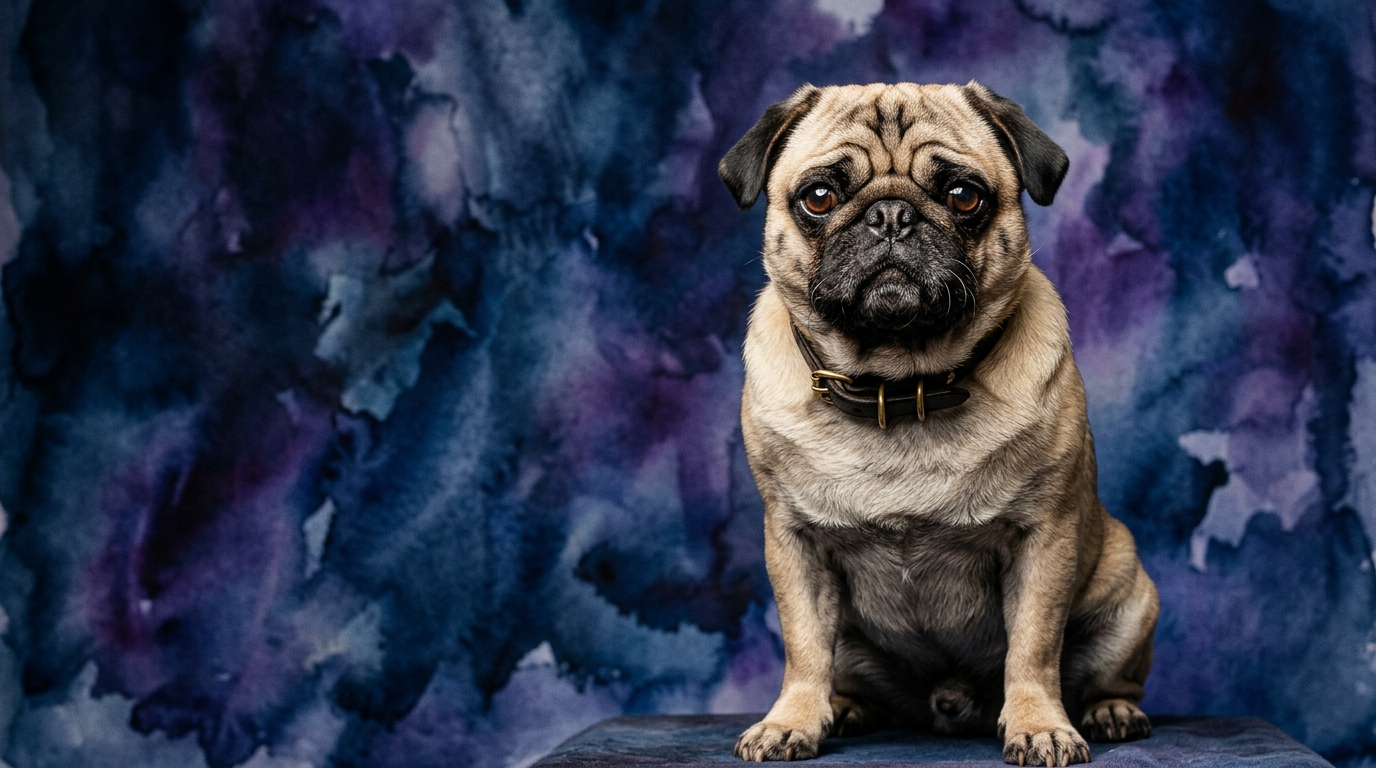
The Cosmic Pet Pet IQ Lab employs a five-dimensional framework to assess canine cognition, offering a granular view of each breed's mental aptitudes. For the Pug, ranked #57 by Coren, its profile shows a Problem Solving score of 2/5, indicating a tendency to struggle with novel tasks and abstract challenges. Training Speed is also 2/5, suggesting a slower pace in grasping new commands. However, the Pug shines brightly in Social Intelligence with a perfect 5/5, reflecting its profound connection and understanding of human interaction. Its Instinctive Drive is low at 2/5, meaning less inclination for independent hunting or guarding behaviors, while Memory stands at an average 3/5.
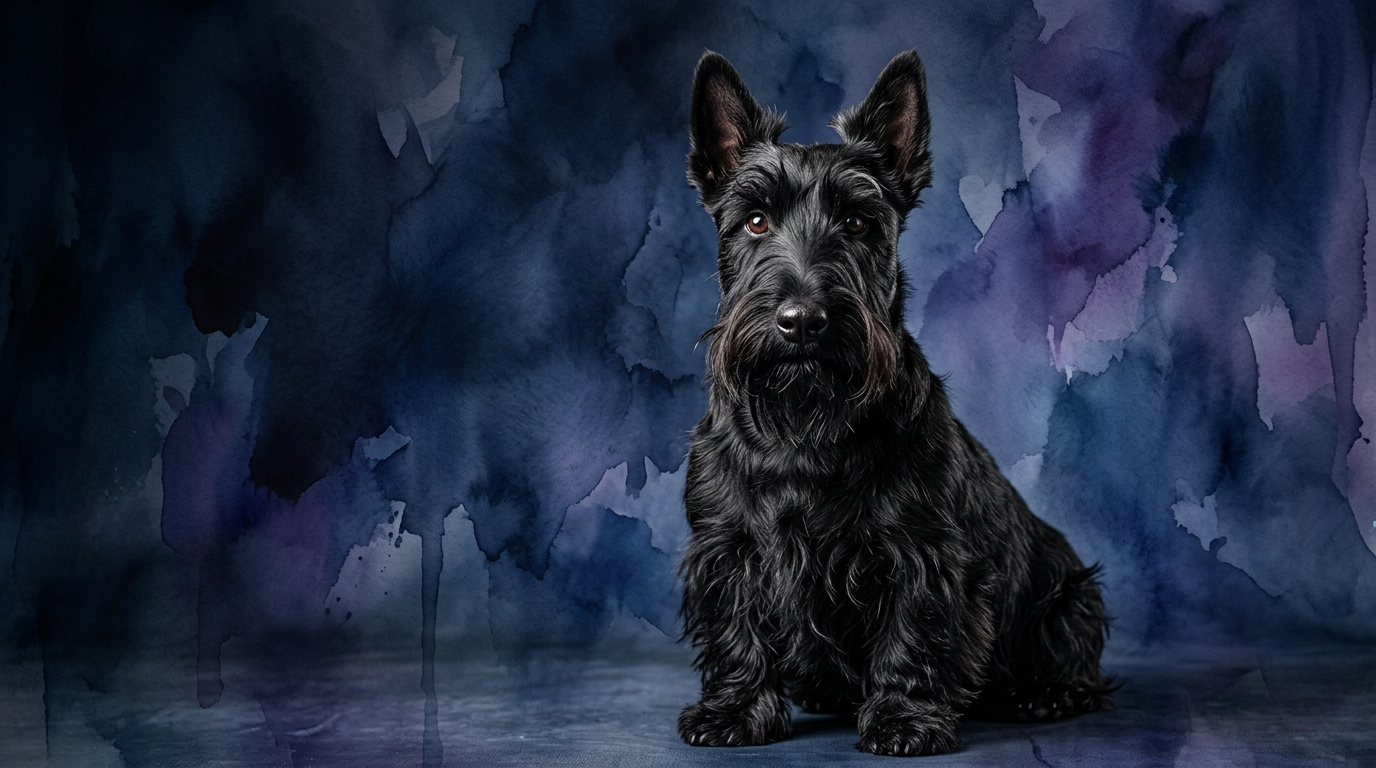
In contrast, the Scottish Terrier, Coren ranked #65, presents a distinct cognitive makeup. Its Problem Solving ability is rated 3/5, suggesting a moderate capacity to figure out solutions and adapt to new situations. Training Speed is also 3/5, indicating a more average learning pace for commands compared to the Pug. Social Intelligence for the Scottie is 3/5, showing a decent but perhaps less intense focus on human emotional cues than its Pug counterpart. Its Instinctive Drive is 3/5, hinting at a moderate level of independent motivation and a drive to pursue tasks, often rooted in its terrier heritage. Like the Pug, its Memory is 3/5, suggesting comparable recall capabilities.
Where the Pug's Mind Truly Shines
The Pug's exceptional Social Intelligence, scoring a full 5 out of 5, is its most prominent cognitive strength. This isn't merely about being friendly; it reflects a deep attunement to human emotions, subtle body language, and vocal inflections. A Pug can often sense a change in its owner's mood, offering comfort or initiating play at just the right moment. This makes them profoundly empathetic companions, adept at forming strong, intuitive bonds.
This high social drive, combined with a lower Instinctive Drive (2/5), means Pugs are generally less distracted by environmental stimuli like scents or passing critters. Their cognitive focus remains squarely on their human family, making them incredibly present and engaged in social interactions. They excel at understanding social cues within a household, navigating complex family dynamics with an innate desire for connection and harmony. Their problem-solving might not be in opening a complex puzzle toy, but rather in figuring out the most effective way to solicit a comforting lap or a shared snack.
The Scottish Terrier's Intellectual Edge
The Scottish Terrier demonstrates a more robust capacity for Problem Solving, scoring 3/5 compared to the Pug's 2/5. This suggests a greater aptitude for navigating physical challenges, figuring out how to access a desired object, or strategizing to achieve a goal. Their terrier heritage imbues them with a certain tenacity and independent thought that aids in overcoming obstacles, whether it's outsmarting a squirrel or finding a way around a garden fence.
Furthermore, the Scottie's Training Speed of 3/5 puts it a notch above the Pug, indicating a quicker absorption of new commands and routines when properly motivated. This, coupled with their moderate Instinctive Drive (3/5), means they possess a natural inclination to engage with tasks and follow through on a purpose. While not as overtly social as the Pug, their cognitive strengths lie in their ability to process information, learn sequences, and apply their intellect to more task-oriented activities, often with a determined, self-reliant approach.
Training: Patience vs. Persistence
When it comes to training, the differences in their cognitive profiles become quite apparent. The Pug, with its 2/5 Training Speed, requires a patient and consistent approach. They may take more repetitions to grasp a new command, but their 5/5 Social Intelligence means they possess a strong desire to please their human companions. Positive reinforcement, gentle encouragement, and keeping training sessions short and enjoyable are crucial for a Pug. They respond best to an owner who understands their slower processing speed but leverages their deep social connection.
The Scottish Terrier, boasting a 3/5 Training Speed, generally picks up commands more quickly. However, their 3/5 Instinctive Drive also means they can be more independent and occasionally stubborn, often weighing whether a command aligns with their current interests. Training a Scottie demands consistency, clear expectations, and a firm but fair hand. They thrive on structure and benefit from tasks that engage their problem-solving abilities, but an owner must be prepared for moments where the Scottie's internal drive overrides immediate obedience. Objectively, the Scottie has the edge in raw learning speed, but the Pug's eagerness to connect can sometimes make owners *feel* the process is smoother for simple, socially driven behaviors.
Cognitive Fit: Active Exploration vs. Relaxed Companionship
The Pug's cognitive profile makes it an ideal fit for relaxed owners seeking a constant, affectionate presence. Their lower Problem Solving and Instinctive Drive mean they are generally content with a less demanding schedule, finding their mental stimulation primarily through social interaction and close companionship. They thrive in environments where their deep social intelligence can be fully utilized, engaging in quiet observation, shared comfort, and consistent, loving attention. An owner who values empathetic connection and a dog that is always 'tuned in' to their emotional state will find the Pug's cognitive makeup perfectly suited.
Conversely, the Scottish Terrier's higher Problem Solving and Instinctive Drive align better with active owners who enjoy structured activities and a more independent companion. Scotties benefit from regular mental challenges, whether it's through engaging puzzle toys, scent work, or exploring new environments. Their cognitive drive for purpose and their ability to figure things out mean they need more than just social interaction; they need opportunities to use their minds to achieve small goals. Owners who appreciate a dog with a distinct personality, a keen intellect for practical tasks, and a desire for exploratory adventures will find the Scottie a stimulating and rewarding companion.
The Verdict
Choose a Pug if you prioritize deep emotional connection and an empathetic companion whose mental world revolves around social harmony and affectionate presence.
Opt for a Scottish Terrier if you seek a more independent, problem-solving companion who thrives on mental challenges and enjoys engaging in purposeful activities and exploration.
🧠 Find Your Pet's IQ Score
Our Pet IQ Lab assessment covers 25+ tests across 5 cognitive dimensions — personalized to your breed.
Take the Full IQ Test →Frequently Asked Questions
Do Pugs understand human emotions better than Scottish Terriers?
Yes, with a Social Intelligence score of 5/5, the Pug demonstrates a significantly deeper attunement to human emotional states and social cues compared to the Scottish Terrier's 3/5, making them highly empathetic companions.
Can Scottish Terriers learn complex tricks or tasks?
With a 3/5 in both Problem Solving and Training Speed, Scottish Terriers are capable of learning complex tasks and tricks, though their independent streak means consistency and finding the right motivators are key to success.
Is there a significant difference in memory between the two breeds?
Both the Pug and the Scottish Terrier score 3/5 in memory, indicating comparable abilities in retaining learned commands and routines. Any perceived differences in training success are more likely influenced by their respective training speeds and social or instinctive drives.