Unpacking the Cognitive Profiles: Pug vs. Treeing Walker Coonhound
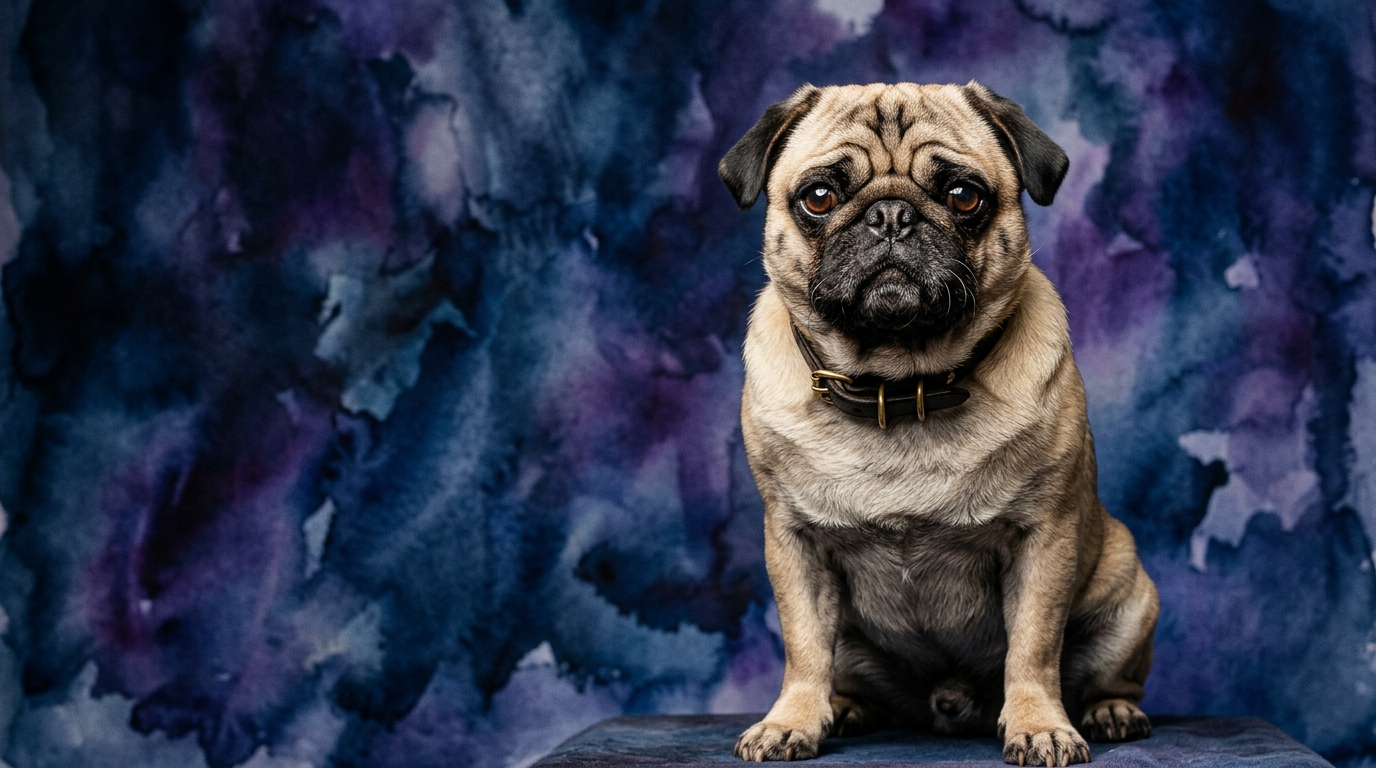
The Cosmic Pet Pet IQ Lab employs a five-dimensional framework to assess canine cognition, moving beyond simplistic notions of 'smartness' to explore specific aptitudes. For the Pug, a charming breed ranked #57 by Stanley Coren for working and obedience intelligence, their profile highlights a distinct set of cognitive strengths and areas requiring more human guidance. Their problem-solving capacity sits at 2/5, indicating they are less inclined to independently figure out complex environmental challenges and often look to their human companions for solutions. Training speed is also rated at 2/5, suggesting that Pugs benefit from patient, consistent, and reward-based instruction, taking a bit longer to solidify new commands. However, their social intelligence is a remarkable 5/5, reflecting an exceptional ability to read human emotions, adapt to household dynamics, and form deep, intuitive bonds. Instictive drive is low at 2/5, meaning they are generally content without a 'job' and prefer close human proximity, while their memory is an average 3/5, sufficient for routines and basic learned behaviors.
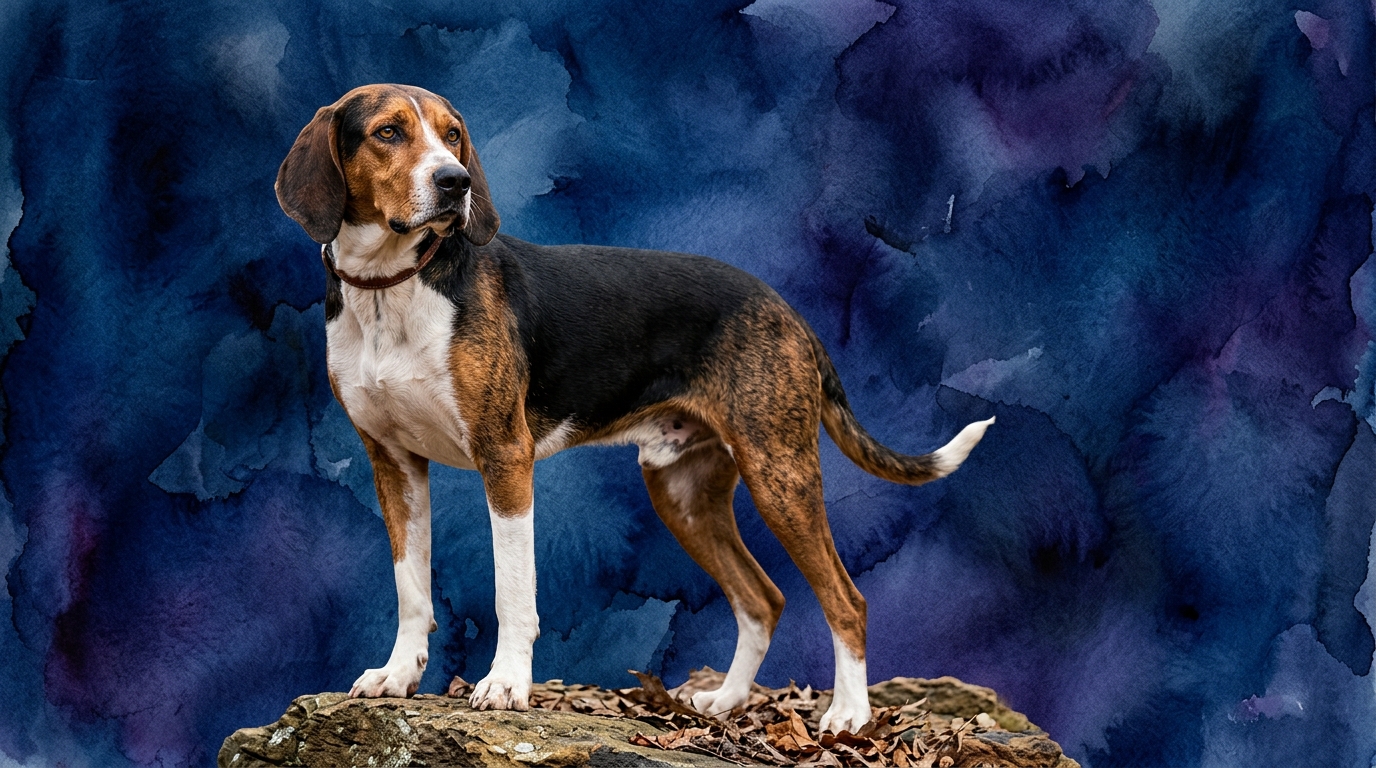
In contrast, the Treeing Walker Coonhound, a breed not typically included in Coren's rankings due to their specialized working heritage, presents a profile geared towards independent outdoor pursuits. Their problem-solving ability is a solid 3/5, demonstrating a greater capacity for navigating complex environments and overcoming obstacles, particularly when motivated by scent. Training speed also registers at 3/5; they are capable learners, but their focus can be significantly influenced by environmental distractions, particularly intriguing odors. Social intelligence for the Coonhound is 3/5, meaning they are generally friendly and can form bonds, but their primary cognitive focus isn't on reading subtle human cues in the same nuanced way a Pug's is. Their instinctive drive is a moderate 3/5, heavily centered on scenting, tracking, and vocalizing, which are essential for their breed purpose. Like the Pug, their memory is rated at 3/5, suitable for remembering trails, scent patterns, and established routines.
Where the Pug's Mind Shines Brightest
The Pug's cognitive pinnacle lies undeniably in its social intelligence, rated a remarkable 5 out of 5. This isn't merely about being friendly; it's a profound aptitude for emotional connection and understanding within a human family unit. Pugs excel at reading subtle human body language, vocal inflections, and even anticipating emotional states, often positioning themselves for comfort or companionship without explicit cues. Their low instinctive drive (2/5) further amplifies this strength; unlike breeds driven by independent tasks, Pugs are inherently inclined to align their desires with their human companions, making them exceptionally cooperative in a social context. This translates into a dog that seamlessly integrates into family life, offering unwavering emotional support and adapting with ease to various household routines and personalities. Their cognitive framework prioritizes harmonious interaction, making them masters of the domestic social landscape. They thrive on shared moments and provide a calming, reassuring presence, a direct result of their finely tuned social acumen.
This exceptional social cognition means a Pug can often sense when their human needs a cuddle, a gentle nudge, or simply a quiet presence, showcasing an intuitive understanding that goes beyond basic learned behaviors. Their cognitive efforts are largely directed towards maintaining these strong human bonds, which explains why they are so content to be close and participate in daily family activities, even if those activities are simply relaxing on the couch. This focused social processing makes them unparalleled companions for individuals or families seeking a dog whose primary function is to offer deep, empathetic connection.
The Treeing Walker Coonhound's Cognitive Edge
The Treeing Walker Coonhound's cognitive strengths are deeply rooted in their working heritage, particularly in their problem-solving ability (3/5) combined with a moderate instinctive drive (3/5). Their intelligence manifests not in subtle social cues, but in their capacity to navigate and interpret the complex, scent-rich world around them. These hounds are adept at following intricate scent trails, processing vast amounts of olfactory information, and making independent decisions in challenging environments to achieve a goal, such as locating quarry. This isn't about solving human-designed puzzles; it's about persistent, focused cognitive effort in a dynamic, natural setting. Their problem-solving excels in scenarios requiring endurance, environmental awareness, and a methodical approach to tracking. The Coonhound's instinctive drive provides the internal motivation to sustain this cognitive effort over long periods, demonstrating a determination to pursue a task once engaged.
This breed's cognitive framework is built for purpose and persistence. Their memory (3/5) supports their ability to recall complex scent patterns and navigate familiar territories, while their problem-solving skills allow them to adapt when a trail goes cold or the environment presents new obstacles. They exhibit a form of intelligence that values autonomy and objective pursuit, often prioritizing a compelling scent over immediate human direction. This drive and cognitive persistence make them highly capable in activities like tracking, scent work, or extensive outdoor exploration, where their minds are fully engaged in interpreting and reacting to their surroundings.
Training Dynamics: Patience vs. Persistence
Training a Pug, with their 2/5 training speed, requires a specific approach centered on positive reinforcement, high-value treats, and short, engaging sessions. While their high social intelligence means they genuinely want to please their people, their cognitive processing for novel commands isn't always swift, necessitating repetition and clarity. Pugs can become easily distracted if bored or if sessions are too long, so keeping the energy light and fun is crucial. House training might also require extra patience due to their smaller bladders and a less intense intrinsic motivation for 'holding it' compared to some breeds. Consistency is paramount; a Pug learns best when expectations are clear and rewards are consistent, reinforcing their desire to cooperate with their beloved human.
The Treeing Walker Coonhound, with a 3/5 training speed, is capable of learning, but their training is heavily influenced by their instinctive drive. They need firm, consistent leadership and training methods that understand and channel their natural hound tendencies. While they can learn commands, their powerful nose can easily override their attention, making recall particularly challenging if they've caught an interesting scent. Training must be engaging, often incorporating scent work or activities that satisfy their need to explore and use their nose. Without sufficient mental and physical engagement, a Coonhound might appear 'stubborn,' but it's often their instincts guiding them. Successful training involves making commands more compelling than the distractions of the environment.
Lifestyle Compatibility: Active Pursuits vs. Cozy Companionship
For owners seeking a relaxed lifestyle, the Pug is often an ideal match. Their low instinctive drive (2/5) and moderate exercise requirements mean they are content with short daily walks and indoor play, thriving on being a constant presence by their human's side. Their exceptional social intelligence ensures they are deeply integrated into family life, finding contentment in simply sharing space and receiving affection. Pugs are not suited for intense physical activity or independent outdoor adventures; their joy comes from close human interaction and being part of the domestic routine. They are perfect companions for those who appreciate a calm, affectionate presence and are comfortable providing consistent, gentle guidance rather than rigorous training for complex tasks.
Conversely, the Treeing Walker Coonhound is best suited for active owners who can provide ample opportunities for physical and mental engagement. Their moderate instinctive drive (3/5), heavily weighted towards scent work, means they require significant exercise beyond a quick stroll. Long walks, hikes in secure, fenced areas, or participation in dog sports like tracking or agility are excellent outlets for their energy and cognitive drive. Without sufficient stimulation, a Coonhound can become restless or find their own (potentially destructive) ways to satisfy their instincts. They thrive with owners who understand their need to explore, follow scents, and engage in activities that challenge their robust minds and bodies, making them excellent partners for outdoor enthusiasts.
The Verdict
Choose a Pug if your ideal companion is an emotionally intuitive, low-energy dog that thrives on close human connection and doesn't require complex mental challenges beyond family dynamics.
Opt for a Treeing Walker Coonhound if you're an active individual or family seeking a driven, independent thinker who excels in outdoor pursuits and can be engaged in activities that satisfy their innate instincts.
🧠 Find Your Pet's IQ Score
Our Pet IQ Lab assessment covers 25+ tests across 5 cognitive dimensions — personalized to your breed.
Take the Full IQ Test →Frequently Asked Questions
Are Pugs difficult to train compared to other breeds?
Pugs have a training speed rating of 2/5, meaning they require patience and consistent positive reinforcement. While they are eager to please due to their high social intelligence, they may not grasp new commands as quickly as some breeds, making short, engaging sessions most effective.
How does the Treeing Walker Coonhound's scent drive impact their daily life?
The Treeing Walker Coonhound's instinctive drive (3/5) is heavily focused on scent, which means they are often compelled to follow interesting smells. This can lead to challenges with recall in unfenced areas and necessitates secure environments or leashed walks to prevent them from wandering off on a trail.
Can a Pug participate in dog sports?
While Pugs typically have a lower instinctive drive and problem-solving rating, they can enjoy some dog sports, particularly those that emphasize social interaction and fun over intense physical or complex mental tasks. Activities like novice obedience, rally, or even therapy work, where their social intelligence shines, can be suitable.