Side-by-Side IQ Profile: A Cognitive Blueprint
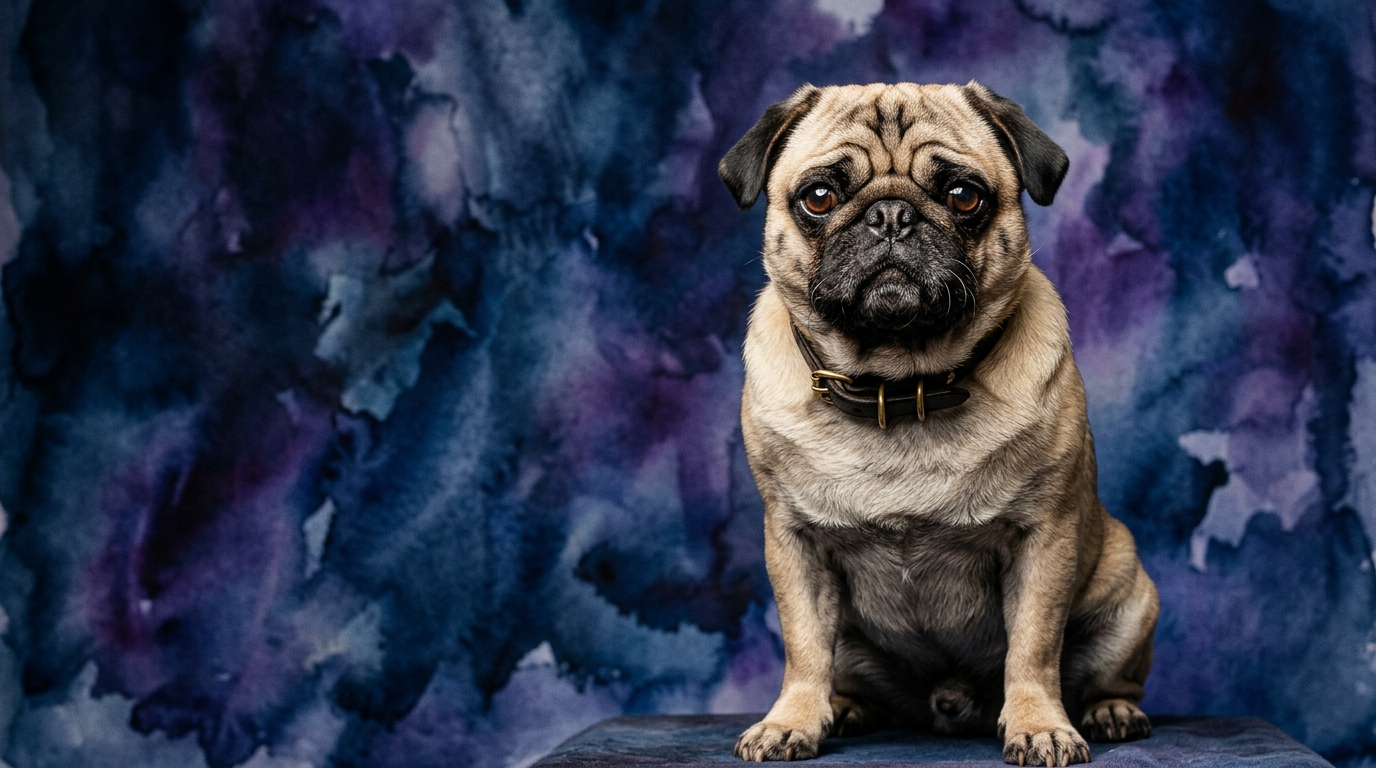
The Cosmic Pet Pet IQ Lab assesses five crucial dimensions of canine intelligence, painting a detailed picture of each breed's cognitive landscape. For the Pug, a member of the Toy group with a Coren ranking of #57, their profile highlights a distinct emphasis on social connection. Their Problem Solving is rated at 2/5, indicating they typically prefer direct paths and often look to their human companions for solutions rather than independently strategizing complex tasks. Training Speed also sits at 2/5, suggesting that Pugs require significant patience, repetition, and positive reinforcement to grasp new commands, thriving on consistency and clear, short sessions. However, their Social Intelligence shines at an exceptional 5/5, reflecting an unparalleled capacity to read and respond to human emotions and social cues, making them remarkably intuitive companions. Instinctive Drive is low at 2/5, meaning they are not typically driven by hunting, herding, or guarding instincts, but rather by comfort and companionship. Their Memory is moderate at 3/5, allowing them to recall routines and basic commands effectively, especially those tied to positive experiences and their human bond.
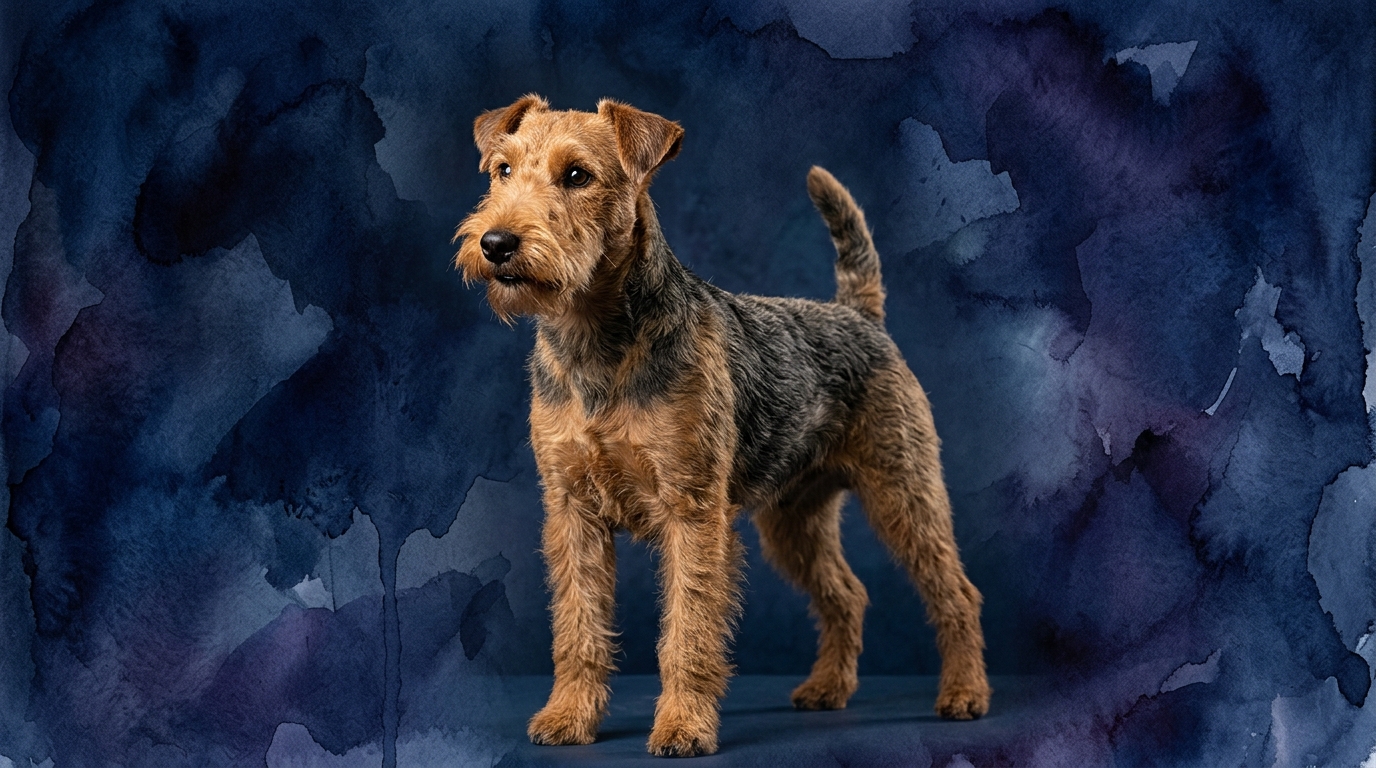
In contrast, the Welsh Terrier, a robust member of the Terrier group and not Coren-ranked, presents a more balanced, albeit distinct, cognitive profile. Their Problem Solving capability is rated 3/5, indicating a greater aptitude for figuring out simple puzzles, navigating obstacles, or strategizing to achieve a desired outcome, often driven by their inherent curiosity. Training Speed is also 3/5, suggesting they can learn new commands at a moderate pace, often benefiting from engaging, varied training methods that challenge their intellect. Their Social Intelligence is 3/5, meaning they understand human cues and enjoy interaction, but may exhibit a more independent streak compared to the intensely people-focused Pug, sometimes prioritizing their own terrier agenda. Instinctive Drive stands at 3/5, reflecting a significant prey drive, a penchant for exploring, digging, and engaging with their environment in a hands-on manner. Finally, their Memory is 3/5, similar to the Pug, allowing them to retain learned behaviors and routines, though their application might be influenced by their stronger independent drive.
Where the Pug Wins Cognitively
The Pug's undisputed cognitive strength lies in their extraordinary Social Intelligence, scoring a perfect 5/5. This isn't merely about being friendly; it's a deep, intuitive understanding of human emotions, intentions, and social dynamics. Pugs excel at reading subtle cues, offering comfort when their human is distressed, or engaging in playful antics to lighten the mood. Their ability to form profoundly empathetic bonds and seamlessly integrate into the emotional fabric of a household is unparalleled, making them masters of companionship. This high social IQ means they often anticipate their owner's needs and moods, fostering an incredibly close and responsive relationship that few other breeds can match.
Where the Welsh Terrier Wins Cognitively
The Welsh Terrier demonstrates clear cognitive advantages in Problem Solving (3/5) and Instinctive Drive (3/5). Their higher problem-solving capacity manifests as a tenacious spirit in overcoming challenges, whether it's figuring out how to retrieve a hidden toy, navigating a complex backyard, or even manipulating a gate latch. This breed isn't content to wait for solutions; they actively seek them out. Their robust instinctive drive, stemming from their terrier heritage, means they possess a strong, innate motivation to explore, dig, and chase. This drive translates into a purpose-driven engagement with their environment, making them natural investigators and providing a robust foundation for activities that tap into these inherent instincts, like scent work or agility challenges.
Which is Easier to Train and Why
When considering ease of training, the picture is nuanced, as both breeds present distinct approaches to learning. The Pug, despite a lower Training Speed (2/5), often appears easier for basic obedience due to their exceptional Social Intelligence (5/5). They are deeply motivated by pleasing their human companions and maintaining harmony within their social unit, making them highly cooperative in training sessions that focus on bonding and positive reinforcement. While they may require more repetitions to solidify new commands, their eagerness to comply, driven by affection, can make the training process feel less like a chore and more like a shared activity for the owner.
Conversely, the Welsh Terrier's higher Training Speed (3/5) suggests they can grasp new concepts more quickly. However, their moderate Social Intelligence (3/5) and stronger Instinctive Drive (3/5) mean they possess a more independent streak. They might learn a command swiftly but then decide whether to execute it based on their own assessment of the situation or if something more interesting (like a squirrel) captures their attention. Training a Welsh Terrier requires a handler who can consistently engage their intellect and harness their natural drives, providing varied and stimulating challenges to prevent boredom and channel their independent spirit effectively. For an experienced trainer, their quicker learning can be rewarding, but for a novice, their independence might present more significant challenges than the Pug's slower, but more compliant, learning style.
Which Suits Active Owners vs. Relaxed Owners
The cognitive and instinctive profiles of these breeds clearly delineate their suitability for different owner lifestyles. Pugs, with their low Instinctive Drive (2/5) and profound Social Intelligence (5/5), are ideally suited for relaxed owners who prioritize companionship and indoor comfort. They thrive on being close to their human, enjoying short, leisurely strolls and ample cuddle time. Their cognitive makeup means they are content with a less physically demanding routine, finding their primary satisfaction in social interaction and emotional connection rather than strenuous activity or complex problem-solving tasks.
The Welsh Terrier, conversely, is a much better fit for active owners. Their higher Instinctive Drive (3/5) and Problem Solving (3/5) necessitate regular mental and physical stimulation. They crave opportunities to explore, investigate, and engage in activities that challenge their quick minds and energetic bodies, such as long walks, hiking, active play, or structured training that incorporates puzzle-solving. Owners who can provide consistent outlets for their terrier instincts and enjoy an active outdoor lifestyle will find the Welsh Terrier to be an enthusiastic and fulfilling companion.
The Verdict
Choose the Pug if you desire a deeply empathetic, intuitive companion who thrives on emotional connection and a relaxed home environment, valuing social harmony above all else.
Opt for the Welsh Terrier if you are an active owner seeking a spirited, independent companion who enjoys mental challenges, outdoor adventures, and engaging in purposeful, stimulating activities.
🧠 Find Your Pet's IQ Score
Our Pet IQ Lab assessment covers 25+ tests across 5 cognitive dimensions — personalized to your breed.
Take the Full IQ Test →Frequently Asked Questions
Are Pugs truly less intelligent than Welsh Terriers?
Our IQ Lab data shows Pugs have different cognitive strengths, excelling in social intelligence (5/5) while Welsh Terriers score higher in problem-solving (3/5 vs 2/5) and training speed (3/5 vs 2/5). It's a matter of distinct cognitive profiles, not a simple 'more or less' intelligent.
Do Welsh Terriers require more mental stimulation?
Yes, their higher problem-solving and instinctive drive ratings (both 3/5) indicate a greater need for mental engagement compared to Pugs. They benefit from activities that challenge their intellect and provide outlets for their natural terrier behaviors, preventing boredom and potential mischief.
Which breed is better for a first-time dog owner?
For a first-time owner seeking an affectionate, compliant companion, the Pug's high social intelligence and eagerness to please might make basic training feel more approachable, despite their slower learning speed. The Welsh Terrier's independence and stronger drives can require more experienced handling to manage effectively.