Side-by-Side IQ Profile
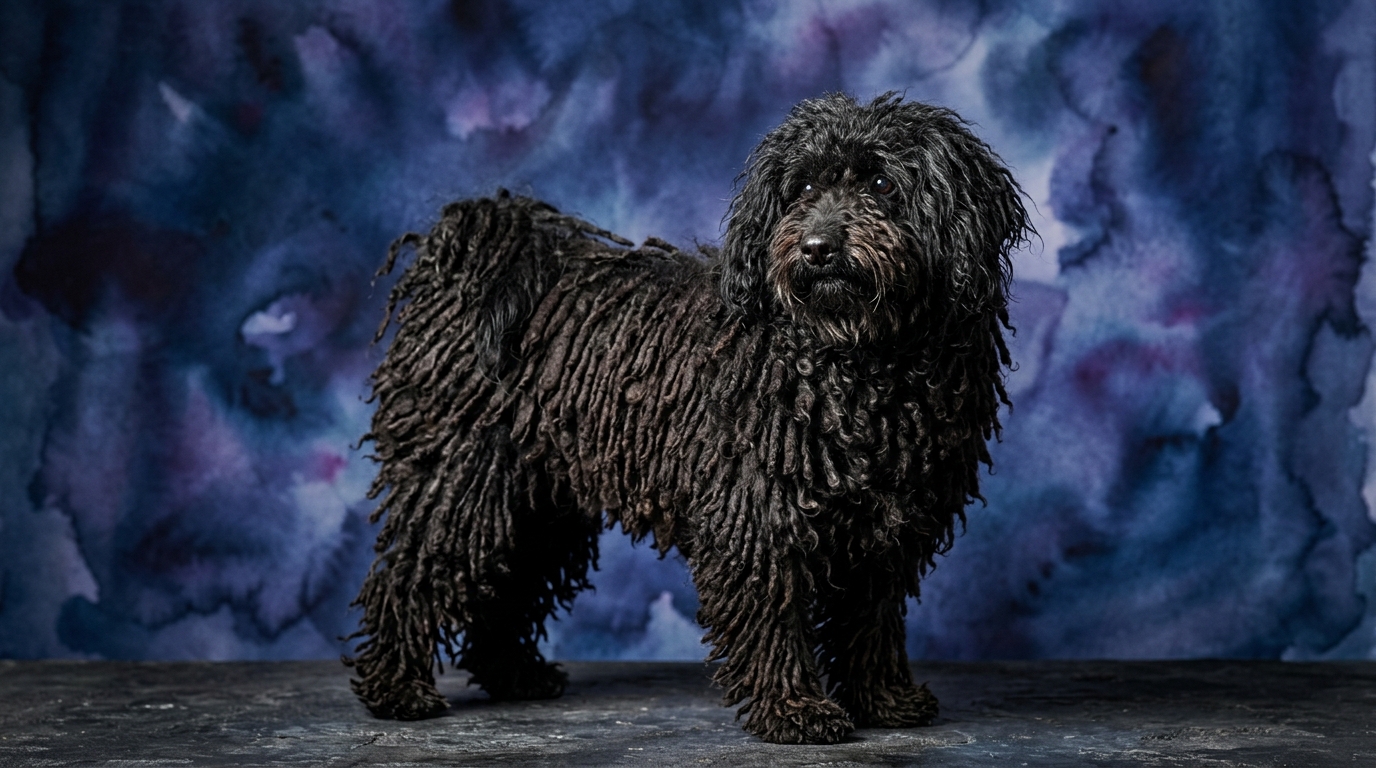
The Puli, recognized by Stanley Coren as rank #25 in working intelligence, exhibits a formidable cognitive toolkit. Their problem-solving ability scores 4/5, indicating a capacity for independent thought and strategic action, crucial for managing livestock. Training speed is also 4/5, meaning they typically grasp new commands and routines quickly. Social intelligence registers at 3/5, suggesting they can interpret human cues and social dynamics competently, but perhaps with a degree of herding-dog independence. Their instinctive drive, at 3/5, is channeled towards their ancestral herding duties, requiring outlets. Finally, memory is a strong 4/5, allowing them to retain complex sequences and learned behaviors over long periods.
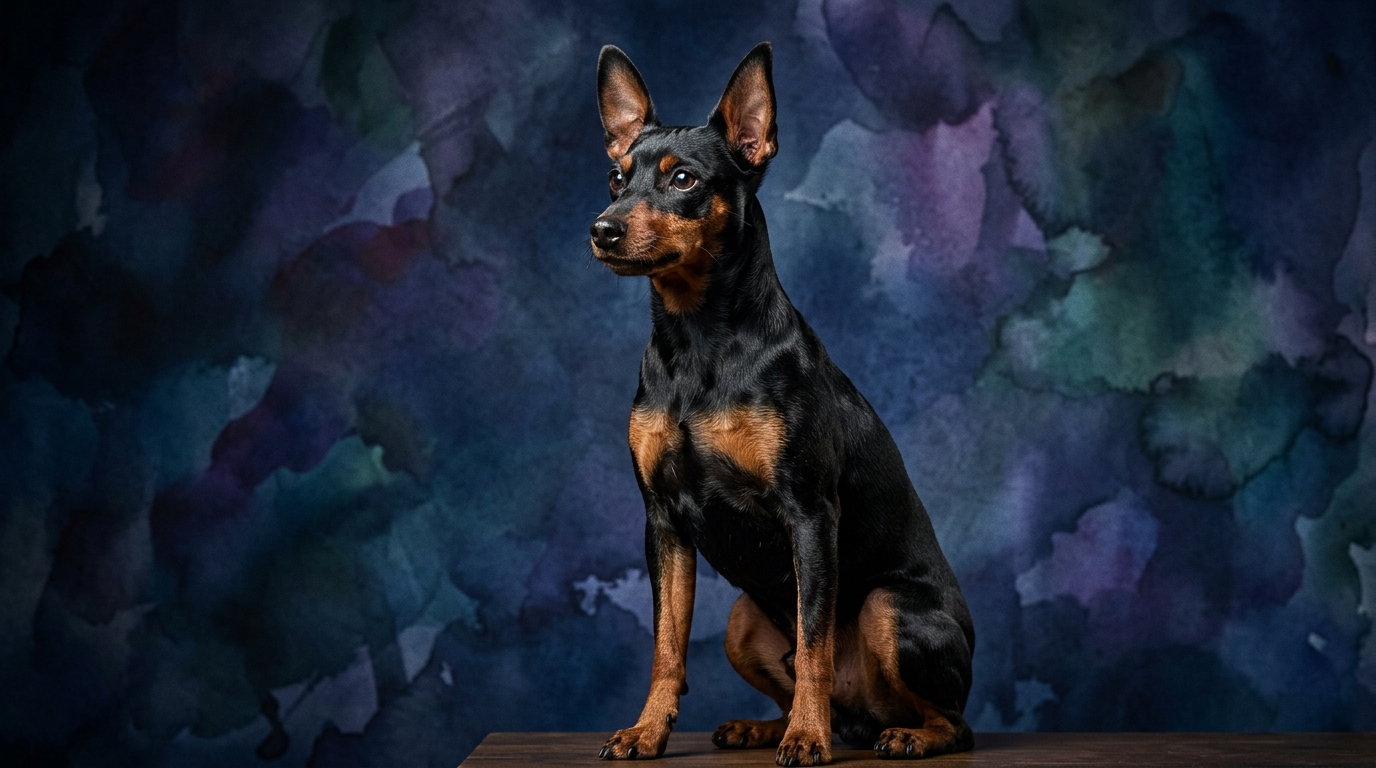
The Miniature Pinscher, a breed not appearing in Coren's top rankings, presents a different cognitive landscape. Their problem-solving ability is rated 3/5, reflecting a capable but perhaps less complex approach to new challenges compared to the Puli. Training speed also stands at 3/5, meaning they are receptive to learning but may require more consistent repetition to solidify commands. Social intelligence is 3/5, indicating a good understanding of human interaction, often expressed with bold assertiveness. Instinctive drive is 3/5, typically manifesting as a strong prey drive and vigilance, rather than herding. Memory scores 3/5, suggesting they can recall commands and routines adequately, though perhaps not with the Puli's nuanced retention.
Where Puli Wins Cognitively
The Puli's cognitive strengths distinctly outshine the Miniature Pinscher in several key areas, largely due to their sophisticated herding lineage. Their superior problem-solving (4/5) allows them to navigate complex scenarios, such as figuring out how to open a child-proof gate or strategizing during advanced obedience tasks, with a level of ingenuity the Min Pin (3/5) may not consistently demonstrate. This independent thinking, honed by centuries of livestock management, means they're less likely to give up on a mental puzzle. Furthermore, the Puli's faster training speed (4/5) translates directly into quicker acquisition of new skills and commands; they often 'get it' in fewer repetitions, making them highly efficient learners for intricate tasks. This is coupled with their robust memory (4/5), which enables them to retain a vast repertoire of commands, routines, and even complex sequences, making them adept at multi-stage tasks or remembering specific rules across different environments. A Puli can often remember a forgotten command after a long break with minimal refresh, whereas a Min Pin (3/5 memory) might require more thorough re-training.
Where Miniature Pinscher Wins Cognitively
While the Miniature Pinscher's IQ scores don't surpass the Puli in specific dimensions, their cognitive profile offers unique advantages, particularly in their focused tenacity and adaptability to certain domestic roles. Their instinctive drive (3/5), while matching the Puli numerically, manifests differently; it's a keen prey drive and innate vigilance, making them exceptionally alert watchdogs with an intense focus on perceived threats. This specific drive, rather than the Puli's broader herding instinct, makes them highly effective at identifying and reacting to novel stimuli in their environment, often with a fearless determination. Furthermore, the Min Pin's problem-solving (3/5) and training speed (3/5), while moderate, are perfectly suited for a companion animal. They are resourceful enough to figure out how to get attention or access a treat, but less prone to overthinking or becoming bored and destructive with a lack of complex, 'job-oriented' mental stimulation. Their equal social intelligence (3/5) means they are just as capable of forming strong bonds and understanding household dynamics as the Puli, but without the potential for a herding dog's tendency to 'manage' their human family, making for a more straightforward companion relationship for some owners.
Which Is Easier to Train and Why
The Puli, with its 4/5 training speed, clearly holds an advantage in ease of training compared to the Miniature Pinscher's 3/5. Pulis were bred to understand and execute complex commands quickly and reliably over vast distances, often without direct supervision. This translates to a dog that is eager to learn, highly responsive to cues, and capable of grasping multi-step instructions with relative ease. Their strong memory (4/5) further enhances this, allowing them to build upon learned skills and recall them consistently. The Miniature Pinscher, while trainable, requires more patience and repetition. Their independent nature and spirited personality mean that training must be engaging and consistent to hold their attention. While they can achieve a good level of obedience, it often takes more effort and time to reach the same proficiency as a Puli in complex tasks, as their problem-solving and memory scores are slightly lower.
Which Suits Active Owners vs. Relaxed Owners
Pulis are undeniably better suited for active owners who can provide ample physical and mental engagement. Their herding heritage demands an outlet for their intelligence and energy; without a 'job,' whether it's dog sports, advanced obedience, or extensive outdoor adventures, a Puli can become bored and channel their considerable cognitive abilities into less desirable behaviors. They thrive on purposeful activity and a consistent routine that challenges their problem-solving and memory. In contrast, the Miniature Pinscher, while certainly not a sedentary breed, can adapt to a wider range of owner lifestyles. They possess a lively spirit and require regular exercise, such as daily walks and play sessions, to stay content. However, their mental stimulation needs are generally less intense and complex than a Puli's. They can thrive with owners who enjoy moderate activity and consistent interaction, making them a more flexible choice for those who might not be able to commit to the high-intensity, intellectually demanding lifestyle a Puli truly needs.
The Verdict
Choose a Puli if you are an active, dedicated owner seeking a highly engaged partner for complex activities like dog sports, herding trials, or advanced obedience, and you can provide consistent mental and physical challenges.
Opt for a Miniature Pinscher if you desire a spirited, confident, and alert companion who thrives on moderate activity, consistent training, and offers lively companionship adaptable to various living situations.
🧠 Find Your Pet's IQ Score
Our Pet IQ Lab assessment covers 25+ tests across 5 cognitive dimensions — personalized to your breed.
Take the Full IQ Test →Frequently Asked Questions
Does the Puli's herding background influence its trainability?
Absolutely. The Puli's herding lineage instilled a strong desire to work collaboratively with humans, making them highly receptive to training. Their ancestral role required them to interpret subtle cues and execute complex tasks independently, contributing to their quick learning and excellent memory.
How does the Miniature Pinscher's instinctual drive manifest?
The Miniature Pinscher's instinctive drive primarily manifests as a keen prey drive and strong vigilance. This means they are often alert watchdogs, quick to notice and react to anything new in their environment, and may have a tendency to chase small animals.
Are Pulis better family dogs due to their intelligence?
Pulis can be wonderful family dogs, but their intelligence means they require consistent mental stimulation and a clear understanding of their role within the family. While highly capable, their herding instincts might lead them to 'manage' children or other pets if not properly channeled, so they thrive with owners who understand their specific needs.