Side-by-Side Cognitive Profiles
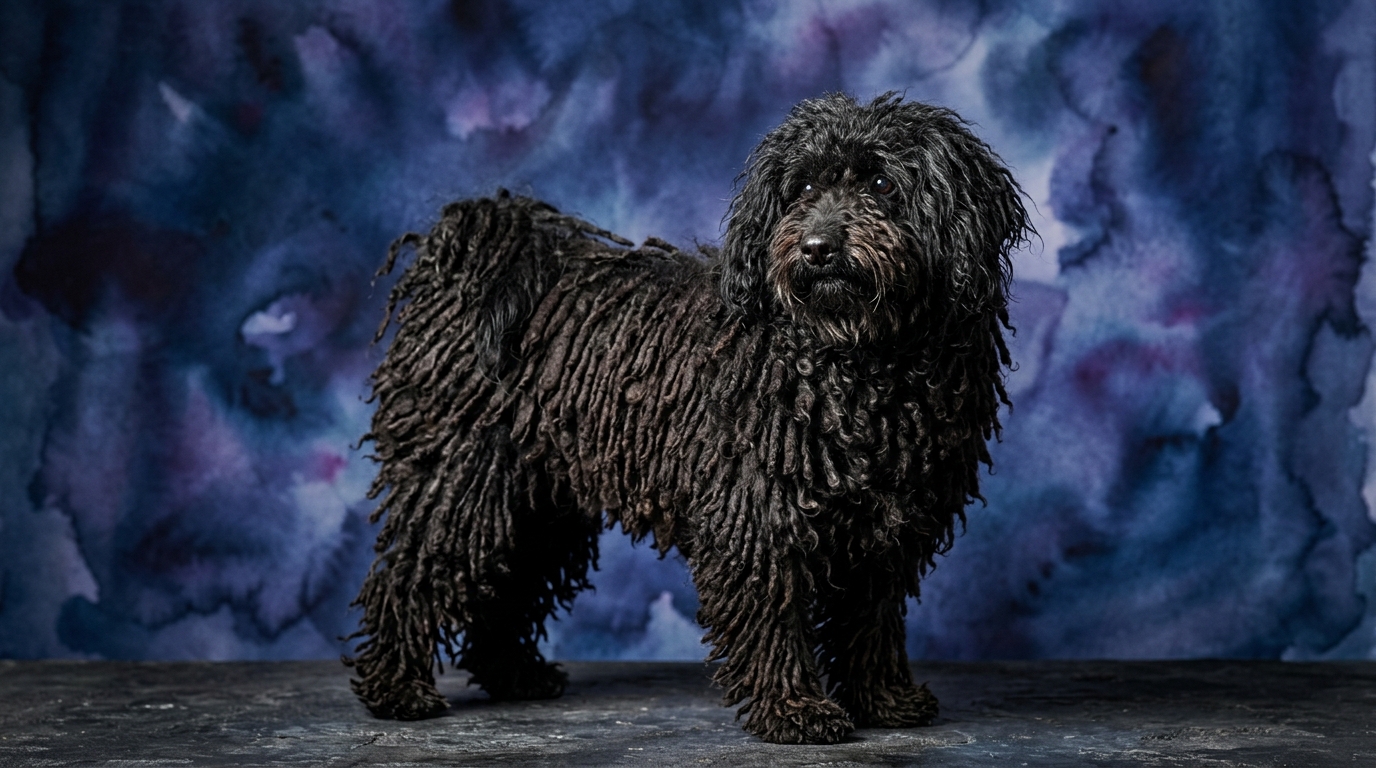
The Puli, a Hungarian herding dog, registers a Coren rank of #25, reflecting a solid capacity for understanding and executing commands. Our Pet IQ Lab assessment scores for the Puli are: Problem Solving 4/5, Training Speed 4/5, Social Intelligence 3/5, Instinctive Drive 3/5, and Memory 4/5. These scores suggest a dog adept at navigating complex situations, quick to grasp new concepts, moderately attuned to human social cues, driven by their herding heritage, and excellent at retaining information.
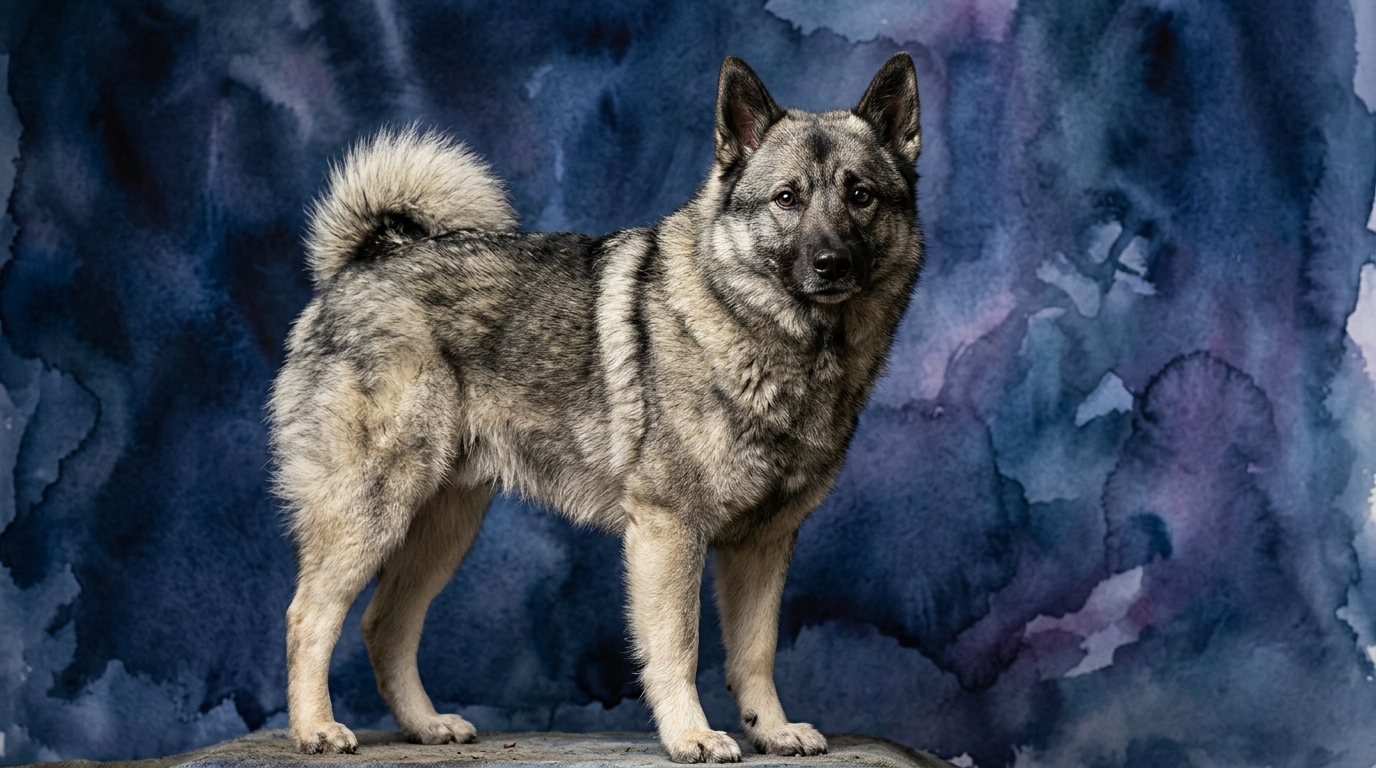
Conversely, the Norwegian Elkhound, an ancient Nordic hunting hound, holds a Coren rank of #36, placing it slightly lower in the traditional obedience intelligence scale. However, its Pet IQ Lab scores mirror the Puli's: Problem Solving 4/5, Training Speed 4/5, Social Intelligence 3/5, Instinctive Drive 3/5, and Memory 4/5. This remarkable parity in our lab's dimensions points to a robust, capable mind, skilled at independent thought, learning efficiently, possessing a balanced social awareness, fueled by its tracking and hunting instincts, and demonstrating strong recall.
While their raw scores are strikingly similar across the five dimensions, the application and manifestation of these cognitive strengths are profoundly influenced by their breed group and historical purpose. The subtle nuances in their problem-solving approaches, their learning styles, and how their instincts shape their behavior are where the true differences emerge, guiding our understanding of each breed's unique mental landscape.
Where the Puli’s Cognition Shines
The Puli’s cognitive strengths are deeply rooted in its herding background, where it was required to manage livestock with minimal human intervention. Its 4/5 Problem Solving score manifests as a keen ability to anticipate and react to the movements of animals, strategically positioning itself to guide the flock. This translates into a capacity for multi-step tasks and dynamic environmental assessment, such as navigating an agility course with precision or executing a complex sequence of tricks. Their mental flexibility allows them to adapt quickly to changing scenarios, making them excellent partners for sports that demand quick, intelligent decisions.
The Puli's 4/5 Training Speed and 4/5 Memory scores work synergistically to allow them to master intricate command chains and routines. They excel at learning specific patterns and remembering them over time, which is essential for effective herding and competitive obedience. This breed exhibits a particular aptitude for understanding abstract commands and applying them contextually, demonstrating a nuanced grasp of human communication that goes beyond rote memorization. Their herding instinct, while scoring 3/5, provides a natural drive to 'organize' and 'control,' which, when channeled, makes them highly responsive to structured tasks.
Where the Norwegian Elkhound’s Cognition Excels
The Norwegian Elkhound’s cognitive prowess, particularly its 4/5 Problem Solving, is honed by centuries of independent big-game hunting. This manifests as exceptional navigational skills and a tenacious ability to follow a scent trail over varied terrain for extended periods, making critical decisions about direction and persistence without direct human oversight. Their problem-solving isn't about controlling a group, but about independently overcoming environmental obstacles and tracking challenges. This breed exhibits a remarkable capacity for sustained focus on a single objective, such as a scent, even amidst distractions.
Their 4/5 Training Speed, combined with a 4/5 Memory, means Elkhounds absorb and retain information about their environment and specific tasks efficiently, especially those related to tracking and resourcefulness. While their social intelligence is 3/5, they form strong bonds with their human companions, allowing for effective communication in a working partnership. The 3/5 Instinctive Drive fuels their relentless pursuit and exploration, making them adept at tasks requiring endurance and self-reliance. This breed's intelligence is geared towards independent action and strategic decision-making in the pursuit of a goal, rather than collaborative, real-time management.
Training: Puli’s Eagerness vs. Elkhound’s Independence
When it comes to ease of training, the Puli generally presents a more straightforward path for owners seeking high responsiveness in traditional obedience and complex task learning. Their strong herding drive, while needing an outlet, translates into an eagerness to engage with their human 'flock leader' and participate in structured activities. They are often keen to please and thrive on mental stimulation, making them quick learners (4/5 Training Speed) for intricate commands and multi-step routines. However, their intelligence can also manifest as cleverness or an independent streak if not consistently challenged, meaning they might 'think for themselves' if training isn't clear and engaging.
The Norwegian Elkhound, while scoring an identical 4/5 for Training Speed, often requires a different approach due to its hound nature and historical independence. Their problem-solving skills are geared towards autonomous action, like following a scent trail for miles, rather than constantly checking in for commands. This means they can be more easily distracted by environmental stimuli, especially interesting smells, and may require more patience and consistency to maintain focus in a structured training setting. They respond best to positive reinforcement and engaging, task-oriented training that appeals to their natural drives, rather than repetitive drills. While they learn quickly, their willingness to execute a command can be more conditional on their interest in the task at hand, making them slightly less 'easy' for a novice trainer in traditional obedience compared to the often more handler-focused Puli.
Matching Breeds to Lifestyles: Active vs. Relaxed Owners
For active owners who relish structured activities and mental engagement, the Puli is an ideal match. This breed thrives on having a 'job,' whether it's herding, agility, advanced obedience, or even canine freestyle. Their need for both physical exercise and significant mental stimulation means an owner who enjoys daily training sessions, puzzle toys, and outdoor adventures will find a highly engaged and cooperative partner. A Puli without sufficient mental and physical outlets can become bored and potentially destructive, channeling their problem-solving skills into less desirable behaviors. They are best suited for individuals or families who can dedicate time to channeling their cognitive energy into productive tasks and who appreciate a dog that is always ready for the next challenge.
The Norwegian Elkhound, while also requiring an active lifestyle, suits owners who appreciate a more independent companion for outdoor exploration rather than constant structured work. They need vigorous daily exercise, enjoying long walks, hikes, and opportunities to explore scent trails. Their problem-solving skills and instinctive drive make them excellent companions for adventurers who enjoy wilderness excursions, where the Elkhound can utilize its natural abilities. While they benefit from training and mental stimulation, their preference might lean towards tasks that allow for more autonomy, such as tracking games, rather than highly choreographed routines. They are a good fit for owners who enjoy an active outdoor life and appreciate a dog that is resilient, resourceful, and capable of independent thought, even if it means they might occasionally follow an interesting scent with single-minded determination.
The Verdict: When to Choose Each
The Verdict
Choose a Puli if you are an owner seeking a highly engaged, responsive partner for complex, structured activities like dog sports or advanced obedience, and you can provide consistent mental challenges.
Opt for a Norwegian Elkhound if you are an active outdoor enthusiast who appreciates an independent, resilient companion for adventures like hiking and tracking, and you can manage their strong natural drives with patience.
🧠 Find Your Pet's IQ Score
Our Pet IQ Lab assessment covers 25+ tests across 5 cognitive dimensions — personalized to your breed.
Take the Full IQ Test →Frequently Asked Questions
Do Pulis and Norwegian Elkhounds get along with children?
Both breeds can be good with children, especially if raised with them, but supervision is always recommended. Pulis, with their herding instinct, might try to 'herd' children, while Elkhounds are generally tolerant but prefer respectful interactions due to their independent nature.
Which breed is more prone to barking?
Both breeds can be vocal. Pulis often use barking to communicate or alert, a trait stemming from their herding role. Norwegian Elkhounds are known for their distinctive 'baying' bark, historically used to alert hunters to game, and can be quite persistent if not trained.
Are Pulis and Norwegian Elkhounds suitable for first-time dog owners?
While both breeds possess admirable qualities, their strong personalities and specific needs might present challenges for first-time owners. A Puli requires consistent training and mental engagement, while an Elkhound needs an owner who understands and can manage its independent hound instincts and exercise requirements. Both benefit significantly from owners experienced in positive reinforcement and early socialization.