Side-by-Side IQ Profile: Puli vs. Norwegian Lundehund
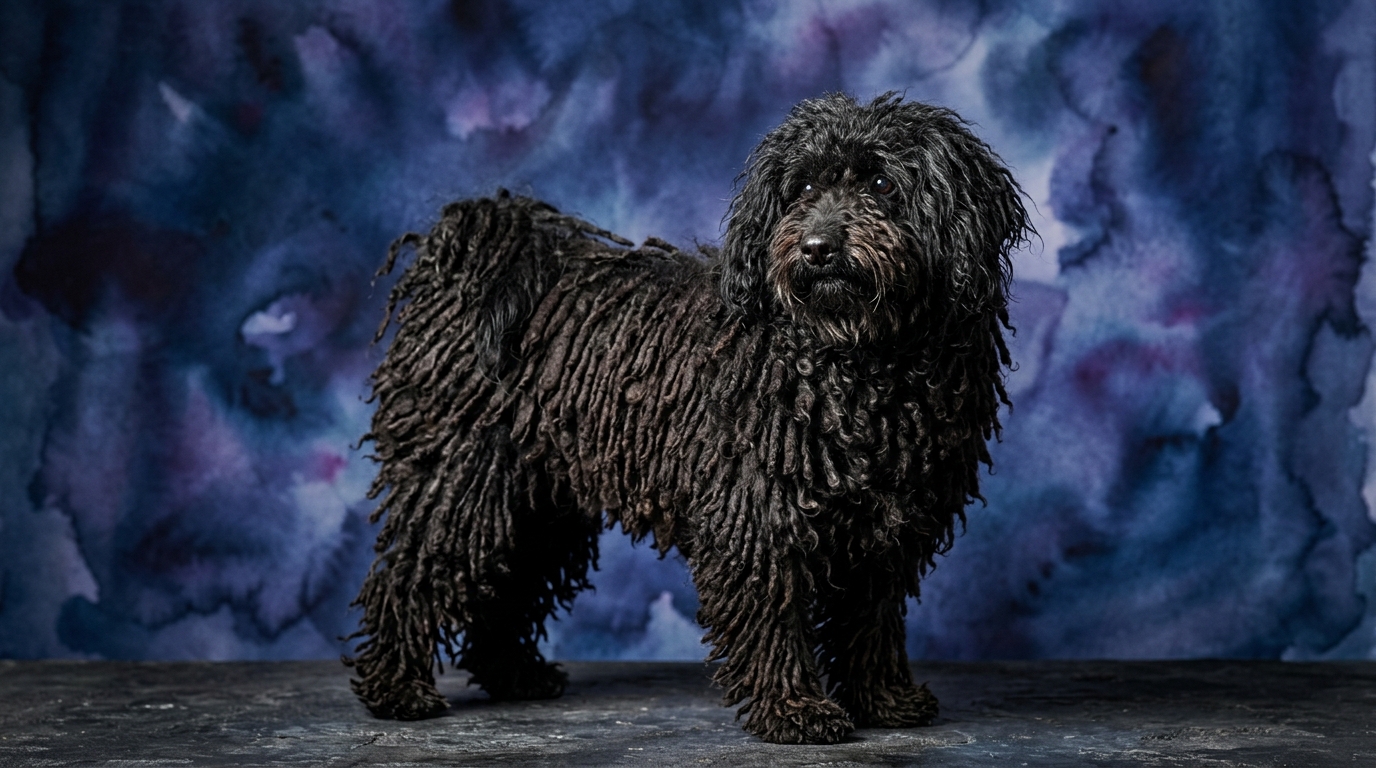
Hailing from Hungary, the Puli is a Herding dog, reflecting its ancestral role in managing livestock. Our Cosmic Pet Pet IQ Lab data places the Puli at a Coren rank of #25, a strong indicator of its working intelligence. In specific cognitive dimensions, the Puli registers a 4/5 for problem-solving, suggesting a capacity for independent thought and finding solutions to novel challenges. Its training speed is also rated 4/5, indicating a quick grasp of new commands and routines. Memory stands at an impressive 4/5, allowing them to retain learned behaviors and recall complex sequences. Social intelligence and instinctive drive are both rated 3/5, suggesting a balanced but not overly dominant social awareness or innate working compulsion beyond their primary herding tasks.
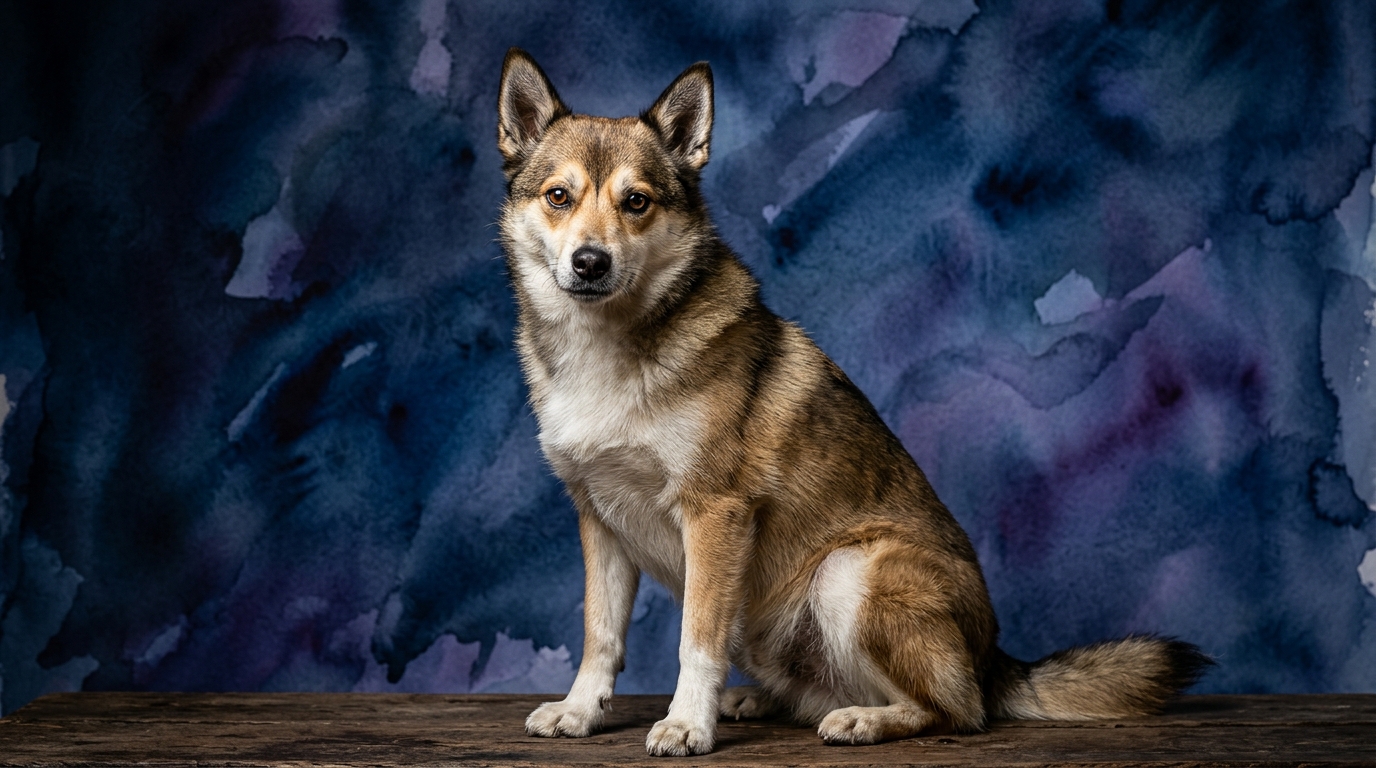
In stark contrast, the Norwegian Lundehund, a unique member of the Non-Sporting group, was bred for the highly specialized task of hunting puffins in cliffside caves. This breed is not Coren-ranked, which often points to a more independent nature or a less conventional approach to human-directed tasks compared to traditional working breeds. Our IQ Lab data assigns the Lundehund a consistent 3/5 across all five cognitive dimensions: problem-solving, training speed, social intelligence, instinctive drive, and memory. This suggests a dog with moderate capabilities in these areas, perhaps prioritizing adaptability and resilience in its extreme original environment over rapid learning or complex social interaction in a human context.
Where the Puli Wins Cognitively
The Puli demonstrates a clear cognitive edge in areas crucial for complex learning and task execution. Its 4/5 rating for problem-solving means a Puli is more likely to assess situations and devise solutions independently, whether it's figuring out a puzzle toy or navigating a complex agility course. This contrasts with the Lundehund's 3/5, which suggests a more trial-and-error approach or reliance on learned patterns rather than innovative solutions. Furthermore, the Puli's 4/5 training speed is a significant advantage; these dogs tend to form associations between commands and actions more rapidly, requiring fewer repetitions to master new skills. This cognitive quickness, coupled with a 4/5 memory, allows the Puli to build a robust repertoire of behaviors and recall them reliably, making them adept at advanced obedience or intricate canine sports.
Where the Norwegian Lundehund Wins Cognitively
While the Puli excels in structured learning, the Norwegian Lundehund’s unique cognitive profile, marked by a consistent 3/5 across all dimensions, hints at a distinct set of strengths rooted in its ancestral purpose. Its moderate instinctive drive, combined with its historical role, implies a focused persistence in its specialized tasks rather than broad-spectrum work. The Lundehund's intelligence isn't about rapid general obedience but about resilience and specific, independent problem-solving related to its environment. Their moderate problem-solving (3/5) and memory (3/5) likely manifest as an ability to navigate challenging, unpredictable terrains and recall specific routes or strategies for hunting puffins, rather than performing complex human-centric tasks. This breed's specific mental makeup allows it to thrive in environments demanding self-reliance and physical dexterity combined with a targeted mental effort.
Which is Easier to Train and Why
Based on our IQ Lab data, the Puli is demonstrably easier to train than the Norwegian Lundehund. The Puli's training speed rating of 4/5 signifies a dog that grasps new commands quickly and efficiently, often requiring fewer repetitions to achieve proficiency. This stems from their herding background, where quick responses to handler cues and independent decision-making were critical for livestock management. Their superior problem-solving (4/5) also means they can generalize learned behaviors to new situations more readily. In contrast, the Norwegian Lundehund's 3/5 training speed suggests a more deliberate learning pace. Their independent nature, honed by solitary puffin hunting, often translates to a dog that requires more patience and creative motivation during training. Lundehunds might exhibit less immediate eagerness to please and greater autonomy, making consistency and positive reinforcement absolutely vital to overcome their innate self-reliance.
Which Suits Active Owners vs. Relaxed Owners
For owners seeking an active, engaged canine partner for advanced training or sports, the Puli is often the more suitable choice. Their higher problem-solving and training speed make them excellent candidates for activities like agility, obedience trials, or even sheep herding. They thrive on mental stimulation and physical activity, needing owners who can channel their cognitive energy constructively. A Puli without sufficient engagement might invent its own “work,” which could manifest as undesirable behaviors. Conversely, for owners who appreciate a dog with a unique, independent spirit and are content with moderate daily exercise and less intensive training, the Norwegian Lundehund could be a fascinating companion. While they still require regular physical activity to stay healthy, their cognitive profile doesn't demand the same level of structured mental challenge as a Puli. They are often content exploring their environment and engaging in less formal play, making them a better fit for a relaxed owner who values a dog's self-sufficient nature.
The Verdict
Select a Puli if you desire a highly trainable, cognitively agile companion for advanced obedience, dog sports, or a working role, thriving on consistent mental engagement.
Opt for a Norwegian Lundehund if you appreciate a unique, independent spirit, value a moderate activity level, and are prepared for a more patient, unconventional training journey.
🧠 Find Your Pet's IQ Score
Our Pet IQ Lab assessment covers 25+ tests across 5 cognitive dimensions — personalized to your breed.
Take the Full IQ Test →Frequently Asked Questions
Does the Puli's herding background influence its social intelligence?
While Pulis have a 3/5 social intelligence rating, their herding history means they are typically attentive to their human "flock" and can form strong bonds. This social awareness, though not exceptionally high, is often directed towards their family unit and can manifest as protective tendencies.
Is the Norwegian Lundehund's low Coren ranking indicative of a lack of intelligence?
Not at all; the Lundehund's "not ranked" status on the Coren scale reflects its specialized historical role and independent nature rather than a lack of mental capacity. Their intelligence is geared towards specific, solitary tasks, making them less inclined towards the general obedience Coren's ranking primarily measures.
How does the Puli's memory score of 4/5 impact daily life?
A Puli's strong memory means they quickly recall commands, routines, and even past experiences, making them consistent in their learned behaviors. This also means they might remember past negative experiences or inconsistencies in training, requiring a thoughtful and positive approach from owners.