Side-by-Side Cognitive Profiles: Puli vs. Scottish Deerhound
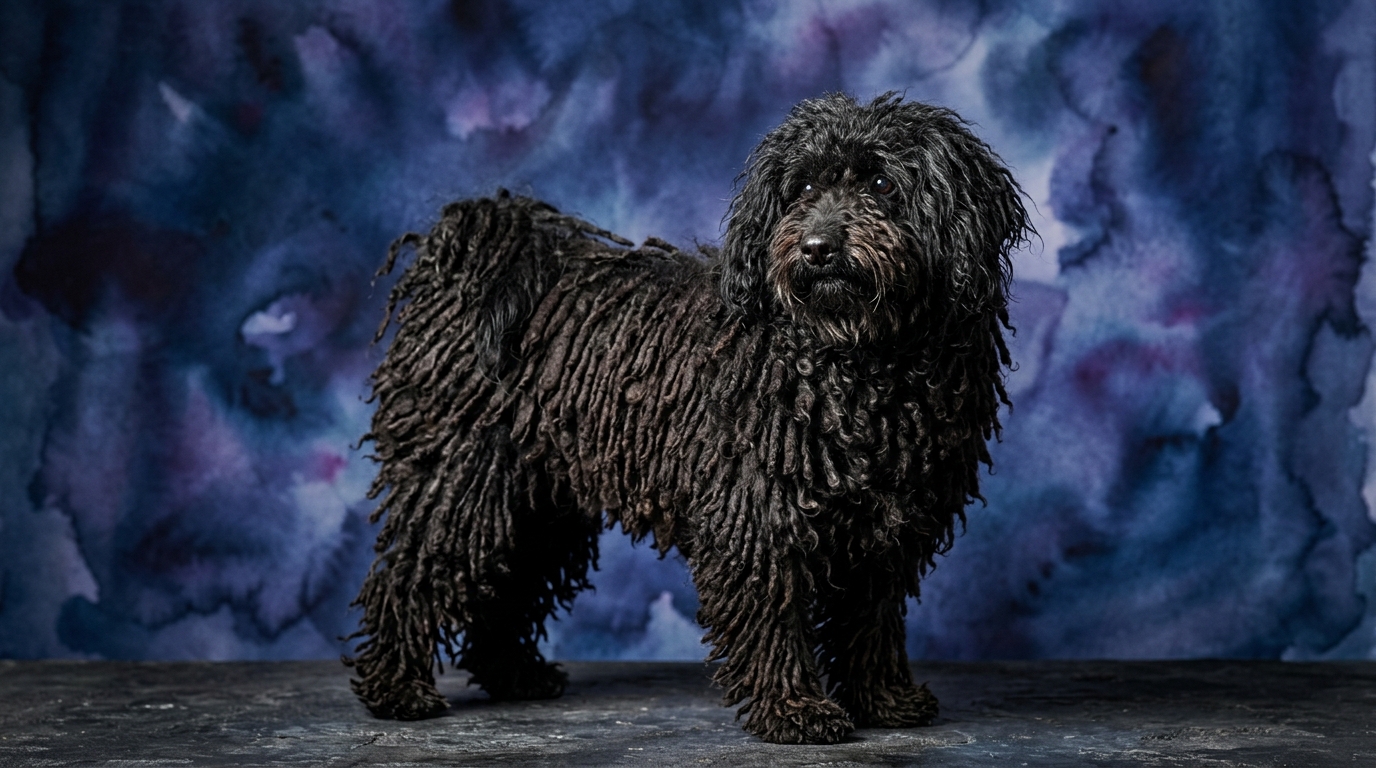
The Cosmic Pet Pet IQ Lab employs a comprehensive framework to assess canine intelligence, looking beyond simple obedience to encompass problem-solving, training speed, social interaction, instinctive drives, and memory. For the Puli, a Hungarian herding dog, these metrics paint a picture of an agile and attentive mind. They score 4/5 in Problem Solving, indicating a strong capacity to figure out novel situations and manipulate their environment to achieve goals. Their Training Speed also rates 4/5, suggesting a quick grasp of new commands and routines, often eager to engage in structured learning. Social Intelligence and Instinctive Drive are both rated 3/5, reflecting a balanced approach to pack dynamics and their innate herding tendencies, which are present but manageable. Memory, crucial for complex tasks and routines, scores an impressive 4/5, allowing them to retain information over long periods. This breed also holds a respectable rank of #25 in Stanley Coren's broader assessment of canine working and obedience aptitude, underscoring their general responsiveness and learning capacity.
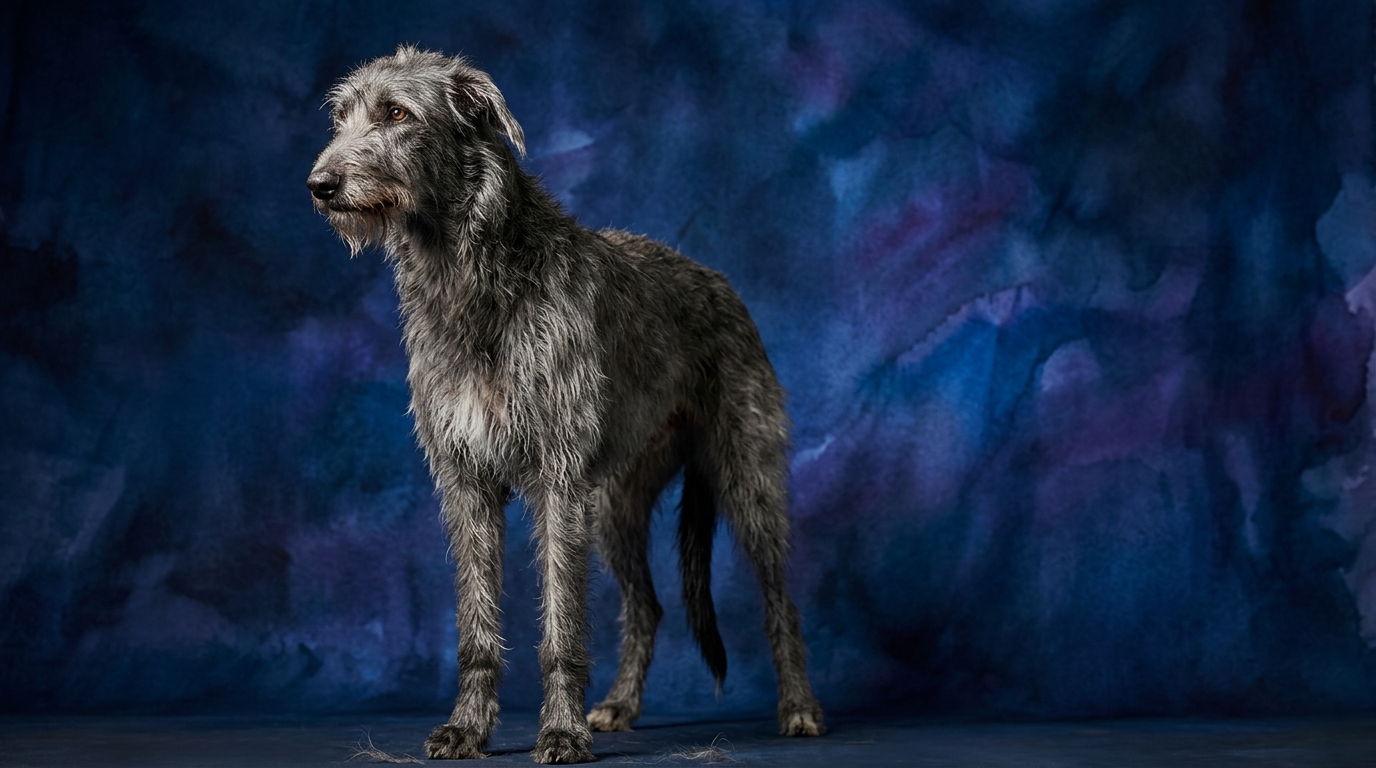
In contrast, the Scottish Deerhound, a venerable sighthound from the Scottish Highlands, presents a distinct cognitive profile reflective of their original purpose: hunting large game by sight. Across all five dimensions – Problem Solving, Training Speed, Social Intelligence, Instinctive Drive, and Memory – the Scottish Deerhound consistently scores 3/5. This uniformity highlights a balanced, yet independent, mental approach. Their Problem Solving at 3/5 suggests they are capable of navigating challenges, but perhaps less inclined towards human-directed puzzles compared to a herding breed. A Training Speed of 3/5 indicates they learn at a steady pace, but may require more patient, consistent motivation due to their sighthound independence. Social Intelligence at 3/5 points to a generally agreeable nature, though often reserved with strangers, and an ability to integrate into a family unit. Their Instinctive Drive, also 3/5, speaks to their inherent chase instinct, which is a powerful, yet focused, aspect of their being. Finally, a Memory score of 3/5 means they retain information adequately, but perhaps without the same meticulous recall seen in breeds bred for intricate, collaborative tasks. It's important to note the Scottish Deerhound is not featured in Coren's ranking, which often favors breeds with high obedience and working drive, fields where sighthounds naturally diverge.
Where the Puli Demonstrates Cognitive Strengths
The Puli's cognitive strengths are most evident in their ability to process complex information and apply learned behaviors to new contexts. Their 4/5 Problem Solving score means they aren't just memorizing tasks; they are actively assessing situations and devising solutions, a trait invaluable for a herding dog needing to outsmart and direct livestock. This aptitude translates well to agility courses, puzzle toys, and navigating intricate routines, where they can quickly grasp the underlying principles and adapt their approach. Their superior memory (4/5) further enhances this, allowing them to build upon past experiences and recall a vast repertoire of commands and solutions, making them exceptionally reliable in dynamic environments.
Furthermore, the Puli's high training speed (4/5) is a direct reflection of their willingness and capacity for structured learning. They tend to form strong working partnerships with their handlers, absorbing new cues and sequences rapidly. This cognitive readiness for engagement makes them particularly adept at advanced obedience, trick training, and dog sports that demand sustained mental effort and precise execution. Owners seeking a canine companion who actively participates in mental challenges and collaborative tasks will find the Puli's cognitive makeup to be a distinct advantage.
Where the Scottish Deerhound Excels Cognitively
While the Scottish Deerhound's scores are consistently 3/5, their cognitive excellences are highly specialized and rooted in their sighthound heritage. Their Problem Solving, though rated 3/5, shines in scenarios demanding independent judgment and rapid visual processing rather than human-directed manipulation. When pursuing prey, a Deerhound must make instantaneous decisions about terrain, obstacles, and the quarry's movements, requiring exceptional spatial awareness and quick-thinking in a high-stakes, autonomous context. This form of cognitive processing is distinct from a herding dog's need for collaborative problem-solving, emphasizing self-reliance and acute sensory interpretation.
The Scottish Deerhound's instinctive drive (3/5), while not as broadly applicable to diverse tasks as a herder's, represents a focused cognitive strength. Their ability to fixate on distant movement, analyze its trajectory, and commit to a chase over varied landscapes requires sustained mental focus and a specialized memory for visual patterns and routes. This isn't about remembering a series of commands, but about recalling the optimal path through a field or anticipating a rabbit's evasive maneuvers. Their social intelligence, also 3/5, manifests as a quiet dignity and a profound bond with their chosen family, often expressed through calm companionship rather than effusive displays, indicating a nuanced understanding of social cues within their intimate circle.
Training Aptitude: Puli's Eagerness vs. Deerhound's Deliberation
When it comes to ease of training, the Puli generally presents a more straightforward path. Their 4/5 Training Speed and Problem Solving scores indicate a natural inclination to learn and cooperate. Pulis often possess a strong desire to please their handlers and thrive on mental engagement, making them receptive to positive reinforcement methods and consistent instruction. Their herding background instills a responsiveness to direction and a capacity for complex behavioral chains, allowing them to master a wide array of commands and tasks with relative efficiency. Owners often find Pulis to be enthusiastic participants in training sessions, eager to figure out what's expected of them.
The Scottish Deerhound, with a 3/5 in Training Speed, requires a more patient and understanding approach. Their sighthound heritage fosters a degree of independence; they are bred to think for themselves while hunting, not to constantly look to a human for instruction. This doesn't mean they are untrainable, but rather that their motivation differs. They may not possess the same fervent desire to please, often responding best to short, engaging sessions that tap into their natural instincts or offer high-value rewards. Real behavioral differences include their tendency to follow their nose or eyes rather than a command if something more enticing captures their attention. Successful training with a Deerhound involves building a strong relationship based on trust and mutual respect, understanding that repetition and consistency are key, and recognizing that their learning curve may be more gradual than that of a herding breed.
Lifestyle Match: Engaged Partnership vs. Calm Companionship
For active owners seeking a dynamic canine partner, the Puli is often an excellent match. Their cognitive profile, marked by high problem-solving and training speed, means they thrive on regular mental stimulation alongside physical exercise. Owners who enjoy dog sports like agility, obedience, herding trials, or even complex trick training will find the Puli's aptitude for learning and working collaboratively incredibly rewarding. They require consistent engagement to prevent boredom, which can manifest as unwanted behaviors. Their moderate social intelligence (3/5) allows them to adapt well to various family dynamics, while their inherent drive (3/5) means they appreciate having a 'job' to do, even if it's just being a vigilant family companion.
Relaxed owners who appreciate a calm, dignified presence indoors, but can facilitate bursts of intense outdoor activity, might find the Scottish Deerhound more suitable. Their uniform 3/5 scores across cognitive dimensions suggest a dog that is capable but not constantly demanding complex mental tasks from their human. While they require significant space to run freely and safely, their indoor demeanor is typically serene and quiet. They are not generally suited for highly structured obedience competitions or intricate puzzle-solving in the same way a Puli might be. Instead, their social intelligence (3/5) manifests as a deep, affectionate bond with their family, often expressed subtly. Their instinctive drive (3/5) for chasing means secure, expansive off-leash areas are non-negotiable for their physical and mental well-being, but they are content to lounge once those needs are met, making them ideal for owners who value quiet companionship punctuated by vigorous exercise.
The Verdict
Choose the Puli if you seek an active, engaged canine partner eager for complex training, dog sports, and a collaborative relationship built on consistent mental and physical stimulation. Their quick learning and problem-solving skills make them a rewarding choice for owners ready to invest significant time in structured activities.
Opt for the Scottish Deerhound if you appreciate a calm, independent companion with a reserved dignity indoors, provided you can offer ample safe space for their necessary bursts of intense running. They suit owners who value quiet affection and are patient with training, understanding their sighthound nature prioritizes autonomous action and specialized sensory focus.
🧠 Find Your Pet's IQ Score
Our Pet IQ Lab assessment covers 25+ tests across 5 cognitive dimensions — personalized to your breed.
Take the Full IQ Test →Frequently Asked Questions
How does the Puli's herding background influence its problem-solving abilities?
The Puli's herding background directly contributes to its 4/5 problem-solving score by necessitating quick thinking and adaptive strategies to manage livestock. This requires them to assess dynamic situations, anticipate movements, and develop solutions on the fly, translating into a general aptitude for figuring out novel challenges in various contexts.
What specific challenges might an owner face when training a Scottish Deerhound due to its cognitive profile?
Owners training a Scottish Deerhound might find their 3/5 training speed and independent nature mean they require more patience and creative motivation. Their inherent sighthound drive can make them easily distracted by visual stimuli, often prioritizing a chase instinct over human commands, so consistency and high-value rewards are essential for success.
Is a Puli a good choice for a first-time dog owner, considering its IQ scores?
While the Puli's high problem-solving and training speed (4/5) make them receptive to learning, their strong cognitive abilities and need for engagement mean they can become bored or mischievous without adequate stimulation. A first-time owner must be prepared to commit to consistent training and mental enrichment to harness their aptitude effectively, making them suitable for dedicated beginners.