Side-by-Side IQ Profile: Puli vs. Tibetan Spaniel
At The Cosmic Pet Pet IQ Lab, we evaluate canine intelligence across five key dimensions to provide a detailed understanding of each breed's cognitive strengths. Here's how the Puli and Tibetan Spaniel measure up:
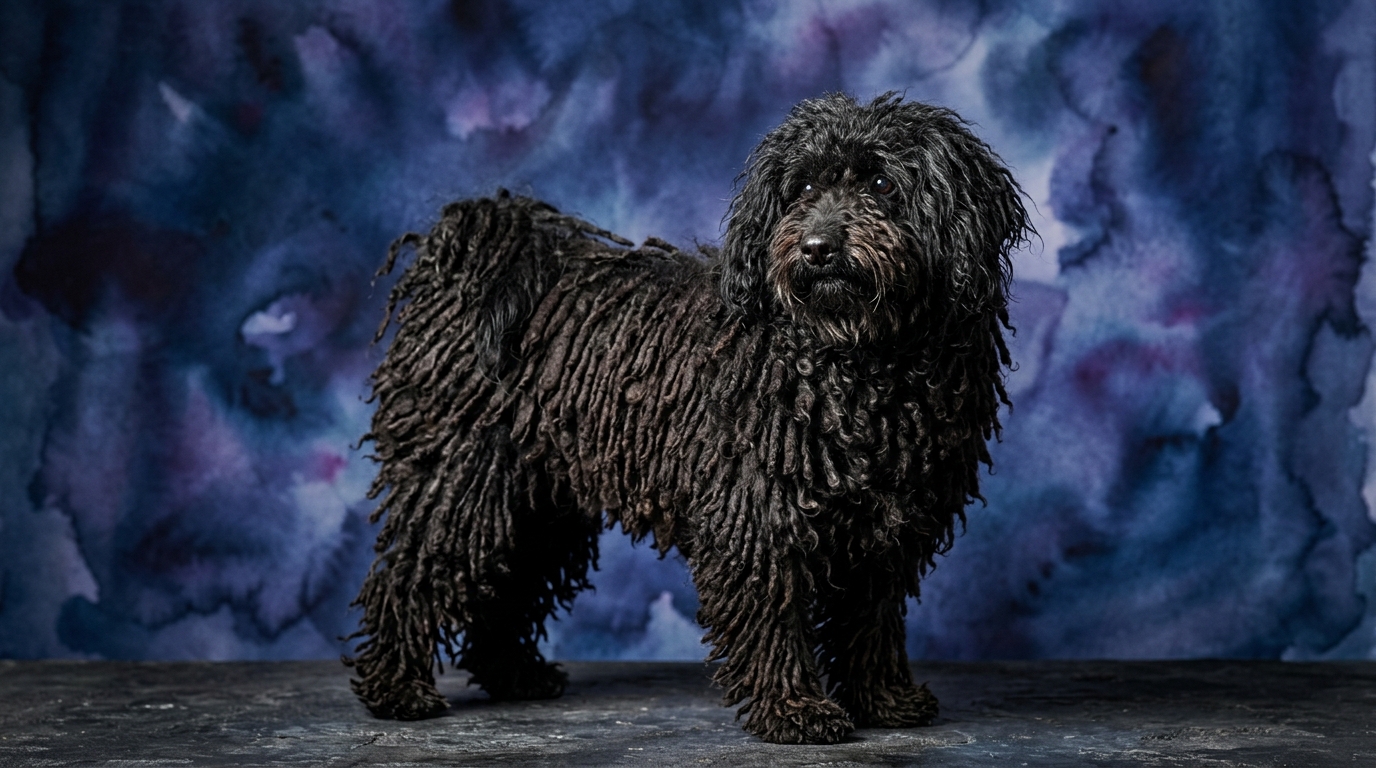
**Puli (Herding Group, Coren Rank #25)**
**Problem Solving (4/5):** Puli exhibit a strong capacity for independent thought and strategic thinking, characteristic of their herding lineage. They can assess complex situations, such as navigating a flock or finding alternative routes, and devise effective solutions. This score indicates they adapt well to novel challenges and learn from experience to overcome obstacles, showcasing a proactive approach to their environment.
**Training Speed (4/5):** Their quick grasp of commands and routines reflects a readiness to learn and a desire to engage with their human counterparts. Puli can pick up new tasks relatively fast, often requiring fewer repetitions than many other breeds. This efficiency in learning makes them responsive students in various training scenarios, from obedience to agility, eager to master new skills.
**Social Intelligence (3/5):** While capable of forming deep bonds, Puli's social intelligence score suggests they might be more reserved or discerning in their interactions. They understand social cues and can integrate into family dynamics, but their strong individualistic streak, born from working independently, means they might not always seek constant social engagement or be overtly demonstrative with strangers.
**Instinctive Drive (3/5):** Puli possess a moderate instinctive drive, primarily rooted in their herding heritage. This drive manifests as an inclination to gather, control, and protect, but it's not overwhelming or constantly active in a pet home. It can be channeled into constructive activities like dog sports or specific tasks, but without an outlet, it might manifest as mild herding behaviors towards family members or other pets.
**Memory (4/5):** A strong memory is crucial for a working dog, and Puli demonstrate an excellent ability to recall learned behaviors, commands, and even the locations of objects or past experiences. This cognitive strength aids in their training retention and allows them to build a comprehensive understanding of their environment and routines over time, making them reliable in recalling past lessons.
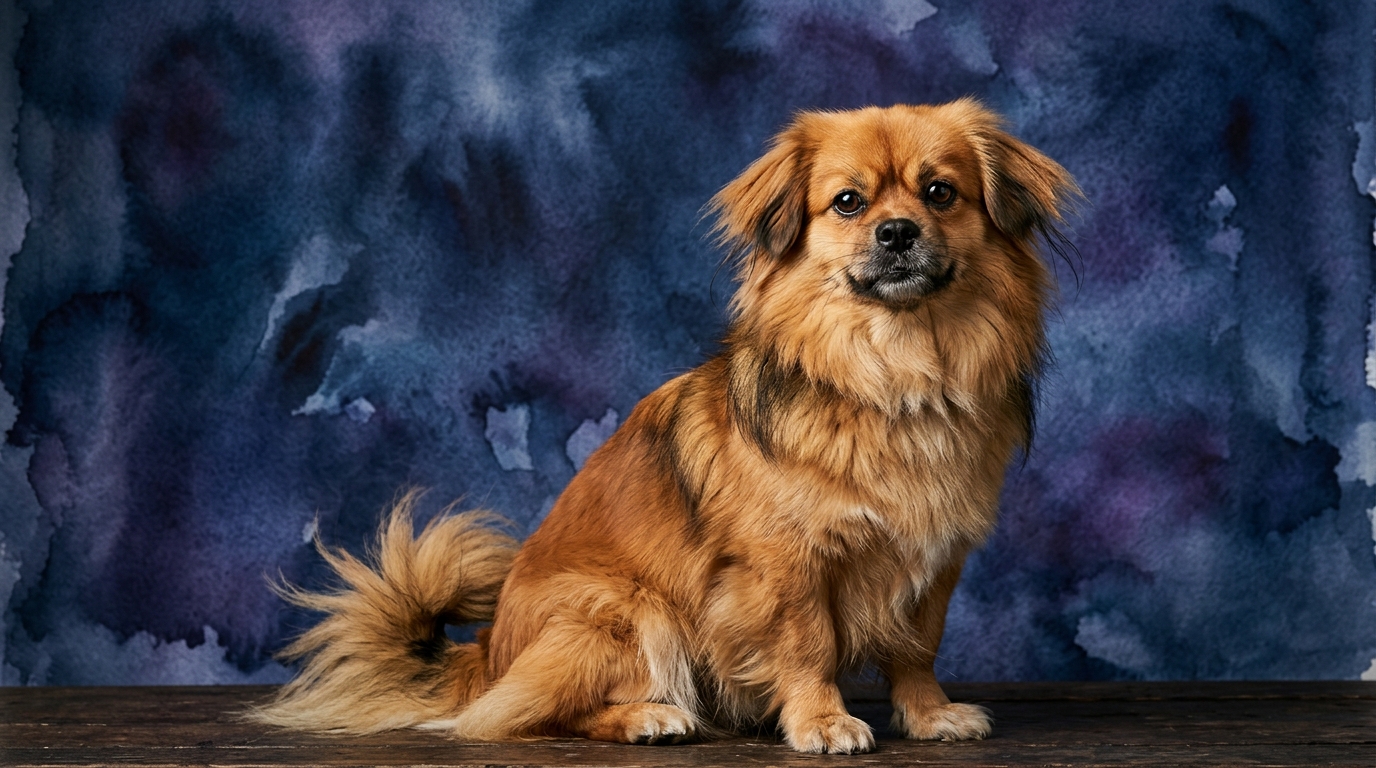
**Tibetan Spaniel (Non-Sporting Group, Not Coren-ranked)**
**Problem Solving (3/5):** Tibetan Spaniels display a satisfactory ability to navigate everyday challenges and learn from their environment. While not exhibiting the same level of strategic thinking as a herding dog, they can figure out basic puzzles or adapt to new routines with moderate ease. Their problem-solving often leans towards finding comfortable solutions rather than complex strategic ones, rather than intricate, multi-step solutions.
**Training Speed (3/5):** They learn at a steady pace, capable of mastering commands and routines with consistent, positive reinforcement. While not as rapid in their acquisition of new tasks as some working breeds, Tibetan Spaniels are eager to please and will progress reliably with patience and clear communication. Their learning is often motivated by treats and praise, making positive reinforcement effective.
**Social Intelligence (3/5):** Tibetan Spaniels are known for their companionable nature and generally score well in social intelligence, similar to the Puli. They are adept at reading human emotions and cues, forming strong attachments to their families. They can be reserved with strangers, observing before engaging, but are highly attuned to their inner circle's moods and needs, often anticipating their family's desires.
**Instinctive Drive (3/5):** Their instinctive drive is primarily focused on companionship and vigilance, reflecting their historical role as monastery watchdogs and lap warmers. This manifests as an alertness to their surroundings and a desire to be close to their human companions. It's a moderate drive, less about active “work” and more about being present and attentive, offering a calm, watchful presence.
**Memory (3/5):** Tibetan Spaniels possess a solid memory, enabling them to retain commands, routines, and the identities of familiar people and places. They will remember past interactions and learn from experience, contributing to their overall adaptability and ability to integrate smoothly into a household. Their memory is reliable for day-to-day living and maintaining learned behaviors.
Where the Puli Wins Cognitively
The Puli's higher scores in Problem Solving (4/5) and Memory (4/5), coupled with their Coren rank, highlight their cognitive edge in specific domains, particularly those demanding active engagement and retention. Their herding heritage instilled a need for independent decision-making and rapid learning in dynamic, often unpredictable, environments. A Puli can assess a situation, like a gate accidentally left ajar or a puzzle toy requiring multiple steps, and often devise a solution without constant human intervention, demonstrating a strong capacity for executive function.
This independent thought process stems from generations of needing to manage livestock, which demands quick, adaptive thinking and the ability to anticipate and react to changing circumstances. Their superior memory means once they learn a task or understand a household rule, it's deeply ingrained. For instance, a Puli might recall a specific hiding spot for a treat from weeks ago or remember a complex agility course sequence with remarkable accuracy, making them highly efficient learners for intricate tasks that build upon previous knowledge. This combination of robust problem-solving and memory allows them to excel in activities requiring sequential understanding, strategic planning, and long-term recall, such as advanced obedience, complex trick training, or competitive dog sports.
Where the Tibetan Spaniel Wins Cognitively
While the Puli edges out the Tibetan Spaniel in certain metrics related to active problem-solving and training speed, the Tibetan Spaniel's cognitive profile, particularly its social intelligence (3/5, matching Puli) and balanced instinctive drive (3/5), positions it uniquely. Their strength lies not in independent problem-solving for complex tasks, but in their nuanced understanding of human-canine dynamics and their inherent adaptability to a companion role, refined over centuries of close interaction with people.
Tibetan Spaniels excel at reading subtle human cues and emotions, often anticipating their owner's needs or moods. This social attunement, refined over centuries of close companionship in monasteries and homes, means they might be more responsive to emotional shifts in their human family, offering comfort or seeking interaction at appropriate times. They are adept at integrating into the emotional fabric of a household. Their moderate instinctive drive, focused on vigilance and companionship rather than active work, makes them less prone to specific behavioral challenges associated with strong working drives. For instance, a Tibetan Spaniel is less likely to attempt to 'herd' children or other pets, making their inherent drives more aligned with a quiet home life. This balance contributes to a steady, predictable temperament, which is a significant cognitive advantage for owners seeking a consistent, emotionally perceptive companion without demanding high-intensity engagement.
Which is Easier to Train and Why?
Based on The Cosmic Pet Pet IQ Lab scores, the Puli (Training Speed 4/5) generally presents as a more efficient dog to train compared to the Tibetan Spaniel (Training Speed 3/5). The Puli's higher training speed score indicates they grasp new commands and routines more quickly, often requiring fewer repetitions to achieve proficiency. This efficiency is a direct result of their herding background, where swift learning and responsiveness to commands were critical for effective work and managing livestock in dynamic environments. For example, a Puli might learn complex commands like 'send away' or multi-step retrieves in fewer sessions, and then generalize that learning to different environments more readily due to their strong cognitive flexibility. Their robust memory (4/5) further solidifies this advantage, ensuring that once a behavior is learned, it's retained for the long term, reducing the need for constant refreshers.
In contrast, the Tibetan Spaniel, while entirely trainable, learns at a more moderate pace. They are willing to learn and eager to please, but their progress might be slower, requiring more consistent reinforcement and patience from their owner. Their historical role as companions meant their learning was often more about adapting to household routines and social graces than mastering complex, rapid-fire tasks quickly. While they respond well to positive reinforcement and praise, they might need more structured, repeated sessions to internalize commands, particularly for behaviors that are not immediately intuitive to them. Owners might find a Tibetan Spaniel takes longer to master advanced tricks or complex obedience sequences, but their persistence and desire for connection will eventually yield results with consistent, positive methods. The Puli's inherent drive to work and solve problems also translates into a greater intrinsic motivation for engaging in training as a mental exercise, whereas the Tibetan Spaniel's motivation might be more centered around receiving affection or treats as a reward.
Suiting Active vs. Relaxed Owners
The Puli's cognitive profile, marked by superior problem-solving (4/5) and a moderate instinctive drive (3/5) rooted in herding, makes them an excellent match for active owners who enjoy engaging their dogs in mentally stimulating activities. These dogs thrive when given 'jobs' to do, whether it's learning complex tricks, participating in agility or herding trials, or even just regular, varied walks that offer new scents and challenges and require them to think. Owners who enjoy the process of training and want a dog that can keep up with their active lifestyle, both physically and mentally, will find the Puli a rewarding and dynamic companion. Their capacity for independent thought means they enjoy working *with* their owner on tasks, often bringing their own creative solutions to the table, rather than just passively following instructions.
The Tibetan Spaniel, with its balanced cognitive scores and companion-focused historical role, is an ideal fit for more relaxed owners. Their moderate problem-solving (3/5) and training speed (3/5) suggest they are content with a less demanding routine, focusing more on companionship and comfort within the home environment. These dogs enjoy being close to their people, whether it's cuddling on the sofa, observing the world from a high perch, or accompanying them on leisurely strolls around the neighborhood. Owners who prioritize a calm, affectionate presence and are happy with moderate daily exercise and consistent, basic obedience training will find the Tibetan Spaniel to be a delightful and perceptive addition to their home. Their social intelligence (3/5) ensures they are attuned to family dynamics without demanding constant, high-energy engagement or complex mental games.
The Verdict
Opt for a Puli if you are an active owner seeking a highly engaged, problem-solving companion eager to learn complex tasks and participate in dog sports or demanding mental exercises. Their quick learning and robust memory make them excel with consistent, stimulating training and varied activities.
Select a Tibetan Spaniel if you prefer a devoted, perceptive companion dog who thrives on close family bonds and a more relaxed lifestyle, content with moderate activity and consistent, patient training for daily routines and social graces.
🧠 Find Your Pet's IQ Score
Our Pet IQ Lab assessment covers 25+ tests across 5 cognitive dimensions — personalized to your breed.
Take the Full IQ Test →Frequently Asked Questions
Are Puli good family dogs with children?
Puli can be excellent family dogs, especially with proper socialization from a young age. Their herding instincts may lead them to 'herd' children, but with training and clear boundaries, they are loyal, protective, and playful companions who bond strongly with their family.
Do Tibetan Spaniels bark a lot?
Tibetan Spaniels were historically watchdogs in monasteries, so they do have a tendency to bark to alert their owners to new sights or sounds, making them effective little alarm systems. Consistent training and early socialization can help manage their vocalizations, but they will likely remain alert observers of their environment.
How much exercise does a Puli need compared to a Tibetan Spaniel?
Puli require significantly more exercise and mental stimulation due to their herding background, ideally needing daily vigorous activity, challenging walks, and engaging tasks to prevent boredom. Tibetan Spaniels are content with moderate daily walks and playtime, valuing companionship and comfort over intense physical exertion.