The Cosmic Pet Pet IQ Lab Profiles: Pumi vs. American Eskimo Dog
The Pet IQ Lab provides a nuanced framework for understanding canine cognition, breaking down intelligence into five key dimensions. Interestingly, both the Pumi and the American Eskimo Dog register a consistent 3/5 across all categories, suggesting a balanced and capable cognitive foundation. However, interpreting these scores requires considering each breed's historical role and inherent temperament, which profoundly influences how these capacities are expressed.
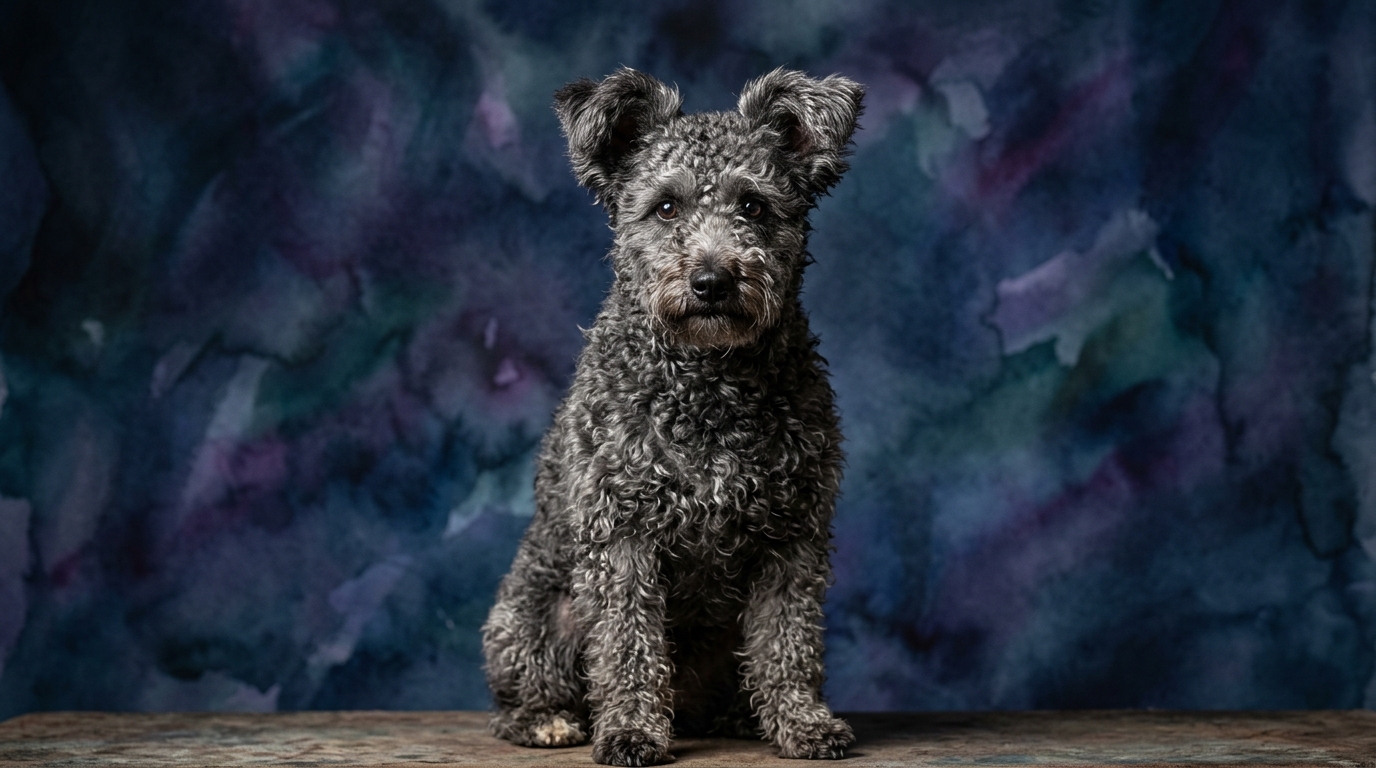
For the **Pumi**, a spirited Hungarian herding dog, a **Problem Solving** score of 3/5 indicates an ability to independently assess and navigate complex, dynamic situations, particularly those involving livestock or agility courses. This isn't about rote memorization but rather adaptive thinking to achieve a goal, like anticipating a sheep's movement or finding the optimal path through an obstacle. Their **Training Speed** at 3/5 means they pick up new commands and routines at a moderate pace, often excelling when tasks align with their natural drives and involve physical engagement. Their **Social Intelligence** rating of 3/5 suggests they are adept at reading handler cues and understanding the social dynamics within their working environment or family unit, though they might be more discerning with strangers. A **Instinctive Drive** of 3/5 is clearly tied to their herding heritage, manifesting as a persistent desire to control and organize, whether it's livestock, family members, or even toys. Finally, their **Memory** at 3/5 allows them to retain complex sequences of commands, remember specific routes, and recall past interactions, which is crucial for consistent performance in herding or dog sports.
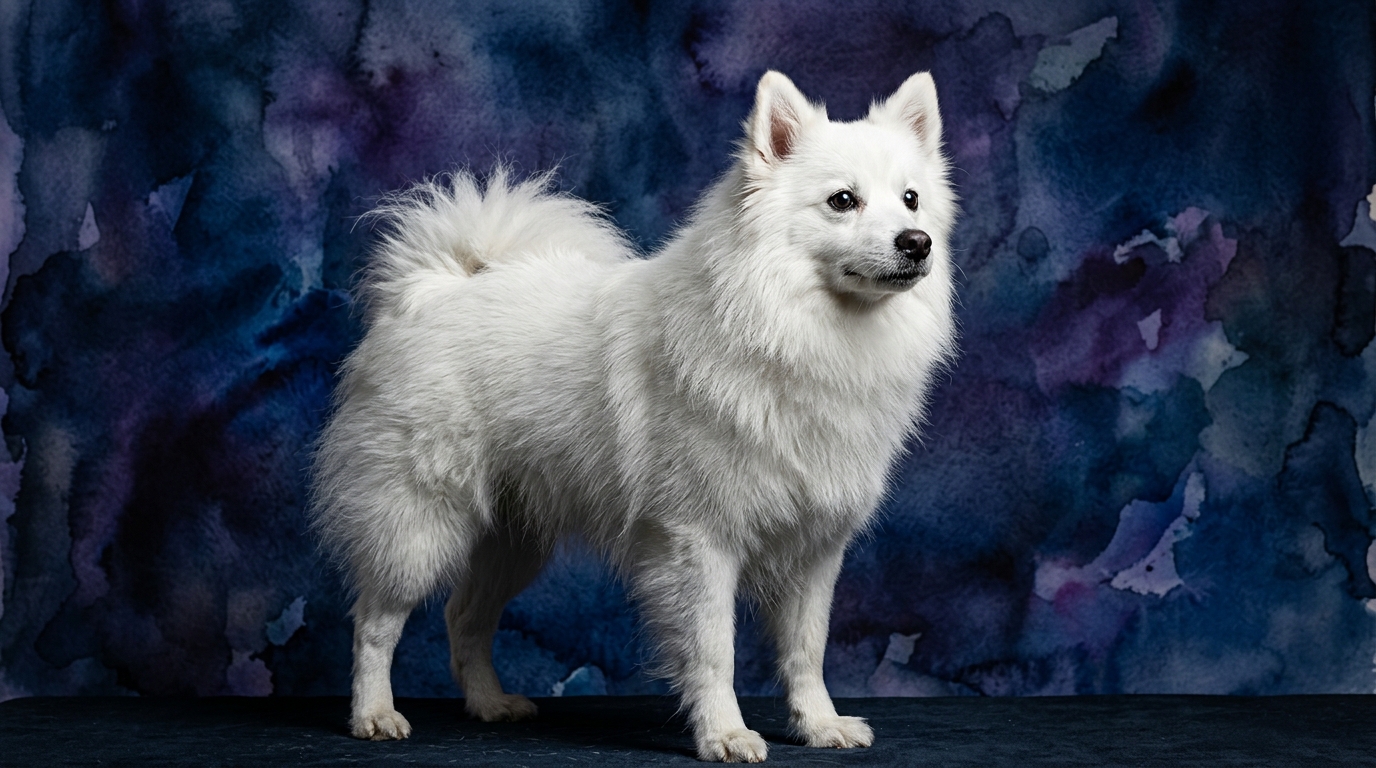
The **American Eskimo Dog (Eskie)**, a charming companion breed originating from German Spitz lines, also scores 3/5 in all cognitive dimensions, but their application differs significantly. Their **Problem Solving** ability at 3/5 often translates to figuring out household puzzles, such as how to open a door or retrieve a hidden toy, or understanding intricate routines. This reflects a cleverness geared towards navigating human environments. A **Training Speed** of 3/5 means Eskies are generally responsive to positive reinforcement and learn new tricks and obedience commands at a steady rate, often motivated by attention and treats. Their **Social Intelligence** at 3/5 highlights their strong capacity to bond with their family, interpret human emotions, and engage in reciprocal interactions, making them astute companions. The Eskie's **Instinctive Drive** at 3/5, while not herding, manifests as a strong desire for companionship, a watchful nature, and often a playful, independent streak. This drive can also fuel their vocalizations. Lastly, their **Memory** at 3/5 ensures they remember specific family members, household rules, and learned behaviors, contributing to their reliability as a domestic partner.
Where the Pumi Excels Cognitively
While both breeds share identical Pet IQ Lab scores, the Pumi's cognitive strengths lean towards practical, independent problem-solving in dynamic environments. Their 3/5 Problem Solving isn't just about figuring things out; it's about making quick, adaptive decisions in fluid situations, a critical trait for a herding dog. They excel at tasks requiring spatial reasoning and anticipating movement, whether it's livestock, a frisbee, or an agility course. This manifests as a dog that can assess a situation, formulate a plan, and execute it with minimal human intervention once the parameters are understood.
The Pumi's 3/5 Instinctive Drive also provides a persistent mental energy, allowing them to focus on a task with tenacity. This drive, combined with their Problem Solving and Memory, means they are adept at learning complex, multi-step sequences that require sustained mental effort and physical coordination. They often thrive in activities like competitive obedience, rally, or herding trials where they can leverage their capacity for independent thought within a structured framework. Their social intelligence, while 3/5, is often honed to read subtle body language and environmental cues relevant to their working tasks, making them highly attuned to their handler's intent during active engagement.
Where the American Eskimo Dog Excels Cognitively
The American Eskimo Dog, with its 3/5 scores, demonstrates a different flavor of cognitive prowess, particularly in areas related to human interaction and domestic life. Their Problem Solving at 3/5 is often applied to understanding household mechanics and social nuances. They are frequently observed figuring out how to manipulate objects to their advantage within a home, or deciphering complex human routines to get what they want, be it a walk or a treat. This makes them remarkably clever at navigating a human-centric world.
The Eskie's 3/5 Social Intelligence truly shines in their capacity for deep emotional connection and communication with their family. They are often highly perceptive of human moods and intentions, using their memory (also 3/5) to recall past interactions and adjust their behavior accordingly. This contributes to their reputation as empathetic and responsive companions. Their Instinctive Drive, while not focused on herding, fuels their desire for engagement and a keen watchfulness, making them excellent at alerting their families to novel stimuli. This combination of social awareness and alert drive allows them to excel in roles requiring close companionship and subtle communication.
Training Dynamics: Pumi vs. American Eskimo Dog
When considering ease of training, both breeds score 3/5 in Training Speed, indicating they learn at a moderate pace. However, their inherent behavioral differences significantly impact the training experience. The Pumi, with its strong herding background and 3/5 Instinctive Drive, can be intensely focused and persistent. This means they can learn complex commands quickly if those commands align with their natural drives and provide an outlet for their energy. They respond well to challenge and variety, but their independent problem-solving nature can sometimes translate into a stubborn streak if they perceive a task as unnecessary or if their handler isn't clear and consistent.
Pumis require mental engagement and a job to do; without it, their problem-solving skills might be applied to less desirable activities like inventing their own 'herding' games with children or other pets, or finding ways to escape. Training them involves channeling their drive and intelligence into productive outlets like agility, rally, or even actual herding. Consistency, positive reinforcement, and clear, firm guidance are crucial to harness their cognitive potential effectively.
The American Eskimo Dog, also with a 3/5 Training Speed, often learns through a different motivator: their desire for companionship and attention. Eskies are eager to please their families, and positive reinforcement, especially praise and treats, can be highly effective. Their social intelligence makes them attuned to their handler's reactions, which aids in shaping behavior. However, their Spitz heritage can sometimes manifest as an independent or opinionated nature. While generally cooperative, an Eskie might decide a task isn't worth their effort if the motivation isn't compelling enough, or they might try to 'negotiate' terms.
Eskies are often excellent at learning tricks and basic obedience, thriving on the interaction and mental stimulation these activities provide. Their watchful nature and vocal tendencies (part of their instinctive drive) mean that managing barking can be a specific training focus. Both breeds benefit immensely from early socialization and consistent training, but the Pumi demands a more active, purpose-driven approach to training to satisfy its innate cognitive needs, whereas the Eskie thrives on consistent, positive engagement within a family setting.
Lifestyle Match: Active vs. Relaxed Owners
The cognitive profiles and historical roles of the Pumi and American Eskimo Dog lead to distinct lifestyle requirements. The Pumi is unequivocally suited for active owners. Their 3/5 Instinctive Drive and Problem Solving capacities demand significant physical and mental exercise daily. These are dogs bred to work all day, making quick decisions and covering ground. Owners who enjoy dog sports like agility, flyball, competitive obedience, or even actual herding will find a Pumi to be an incredibly rewarding partner. A relaxed owner will quickly find a Pumi inventing its own (potentially destructive) 'jobs' if its cognitive and physical needs are not met, leading to frustration for both dog and human. They thrive in environments where they have a purpose and regular opportunities to engage their keen minds and energetic bodies.
The American Eskimo Dog, while not a couch potato, is generally better suited for owners who might be described as moderately active or who enjoy consistent, interactive engagement without the intensity of a working breed. Their 3/5 Problem Solving and Social Intelligence mean they need mental stimulation through training, puzzle toys, and interactive play, but their physical exercise requirements are more manageable than a Pumi's. They enjoy walks, trips to the dog park, and playing fetch in the yard, but are equally content to cuddle on the couch after a good play session. They thrive on companionship and being an integral part of family life, making them a good fit for owners who prioritize close interaction and can provide consistent attention and moderate activity.
The Verdict
Choose the Pumi if you are an active individual or family seeking a highly engaged partner for dog sports, outdoor adventures, or a working role, capable of independent thought and sustained mental effort.
Opt for the American Eskimo Dog if you desire a clever, social, and moderately active companion who thrives on family interaction, enjoys learning tricks, and can seamlessly integrate into a loving household.
🧠 Find Your Pet's IQ Score
Our Pet IQ Lab assessment covers 25+ tests across 5 cognitive dimensions — personalized to your breed.
Take the Full IQ Test →Frequently Asked Questions
Do Pumis and American Eskimo Dogs get along well with children?
Pumis can be excellent with children, especially if raised with them, but their herding instinct might lead them to 'herd' kids, so supervision and training are essential. American Eskimo Dogs typically bond closely with their family, including children, and are generally playful and affectionate companions, though early socialization is always beneficial for both breeds.
Are Pumis or American Eskimo Dogs better suited for apartment living?
Neither breed is ideally suited for tiny apartment living without significant commitment to exercise and mental stimulation, but the American Eskimo Dog is generally more adaptable due to its slightly lower, though still substantial, exercise requirements. A Pumi would struggle immensely without a large yard and extensive daily activity to satisfy its working drives.
Which breed is more prone to barking?
The American Eskimo Dog is generally known for being more vocal than the Pumi, often using barking to alert their family or express themselves, which ties into their natural watchfulness. While Pumis can bark, especially when working or alerting, the Eskie's vocalizations are a more prominent breed characteristic, and training to manage barking is often a key consideration for Eskie owners.