Side-by-Side IQ Profile: Unveiling the 3/5 Scores
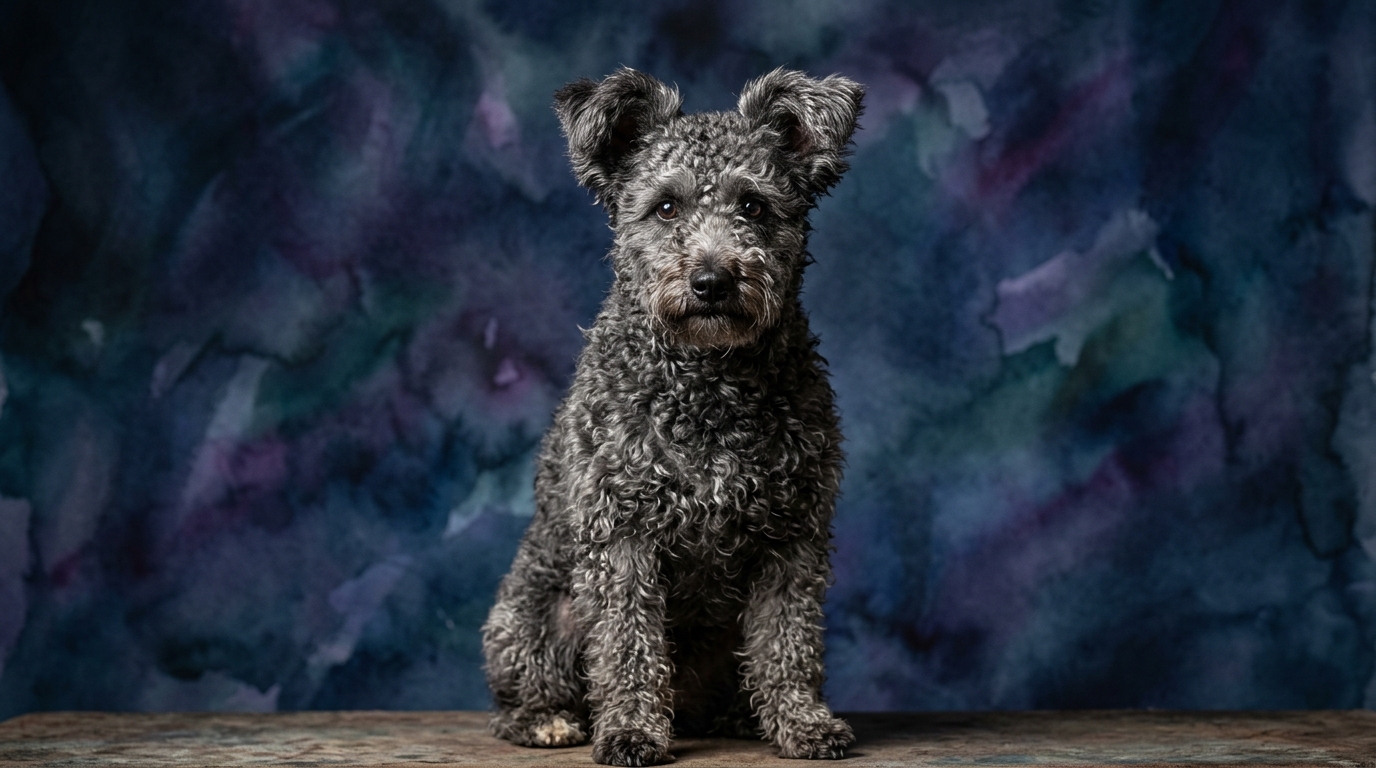
The Pumi, a spirited Hungarian herding dog, demonstrates its 3/5 Problem Solving aptitude through navigating dynamic herding scenarios, quickly assessing flock movements, anticipating directions, and adapting strategies in real-time. Its 3/5 Training Speed reflects an ability to absorb new commands and routines effectively, especially when tasks link to its innate drive or involve physical activity, responding well to engaging methods. The breed's 3/5 Social Intelligence manifests in reading livestock cues, understanding handler intentions, and interacting within a complex 'pack' structure, forming strong, communicative bonds with family. A Pumi's 3/5 Instinctive Drive is powerfully rooted in its herding heritage, highlighting a pronounced urge to gather, control, and protect, constantly assessing the environment for 'work.' Finally, its 3/5 Memory allows recall of complex herding patterns, field layouts, and training commands, crucial for executing action sequences and remembering specific individuals or situations.
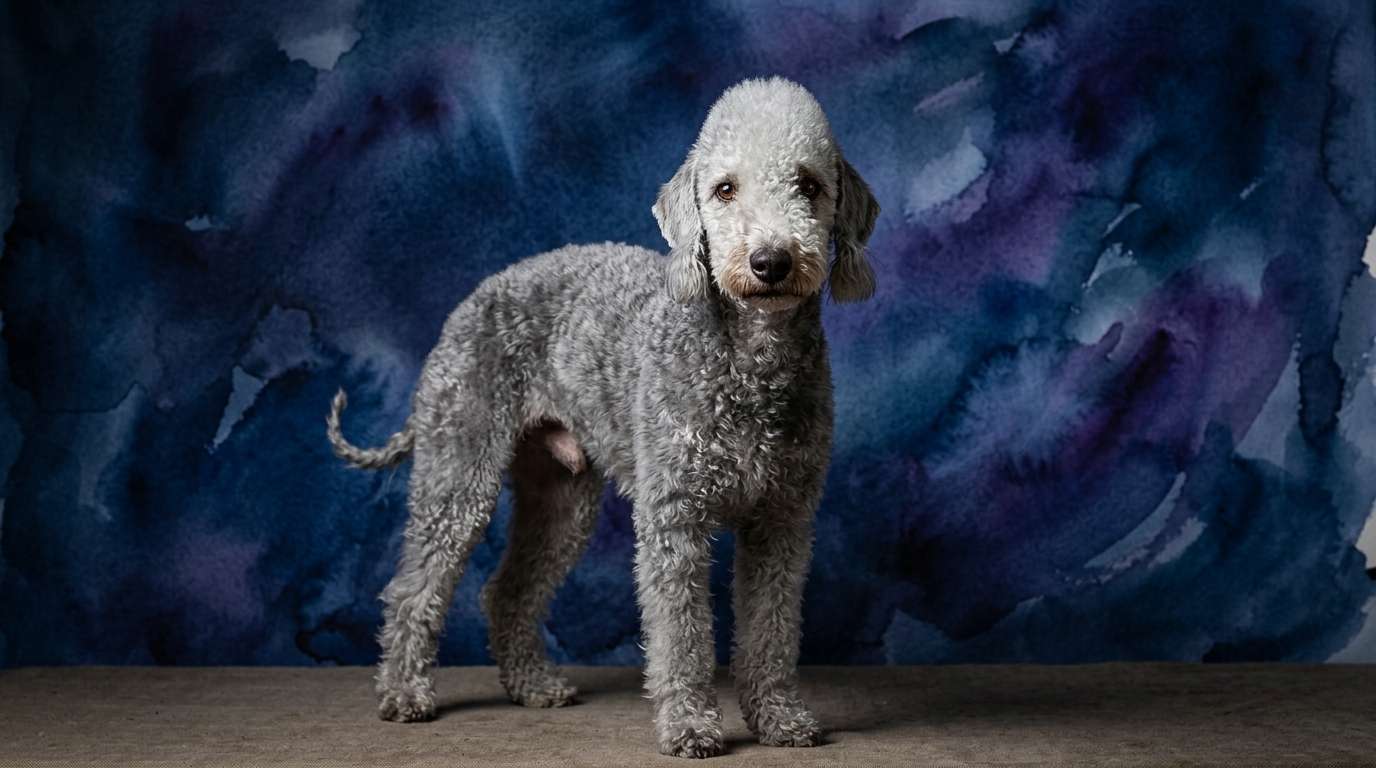
The Bedlington Terrier, with its distinctive lamb-like appearance, expresses its 3/5 Problem Solving through independently strategizing during a hunt, figuring out how to navigate burrows or locate prey with tenacity. Its 3/5 Training Speed indicates an ability to absorb commands when motivated, though their terrier independence means they might question directives, requiring patient, consistent training that offers rewards. The Bedlington's 3/5 Social Intelligence involves understanding human companions' moods and navigating interactions, often reserved initially but forming deep, sensitive bonds. Their 3/5 Instinctive Drive is deeply tied to terrier roots: a strong prey drive, urge to dig, and tenacious pursuit, representing a cognitive focus on sensing, tracking, and engaging with potential 'quarry.' A Bedlington's 3/5 Memory enables recall of past hunt locations, training cues, and environmental knowledge, contributing to their adaptability and navigation skills.
Where the Pumi Wins Cognitively
While both breeds score 3/5 in problem-solving, the Pumi's strength lies in its ability to process and react to rapidly changing, complex environmental stimuli involving multiple moving entities simultaneously. A herding dog must constantly adjust its position relative to livestock, fences, and the handler, anticipating movements and making split-second decisions. This requires a unique form of cognitive flexibility and spatial reasoning that is less about static puzzle-solving and more about fluid, real-time tactical adjustments.
Pumis, by their very nature as herding dogs, are bred to work in close, communicative partnership with a human. Their social intelligence and training speed, both rated 3/5, are finely tuned for understanding subtle cues—whistles, hand signals, verbal commands—and integrating them into their work. This collaborative cognitive effort, where the dog interprets human intent to execute complex tasks, is a nuanced advantage, making them exceptionally adept at synchronized, goal-oriented activities guided by a leader.
Where the Bedlington Terrier Wins Cognitively
The Bedlington Terrier's 3/5 problem-solving score shines brightest in scenarios demanding independent thought and unwavering tenacity. Unlike the Pumi's collaborative approach, the Bedlington excels at single-mindedly pursuing a goal, often underground or in confined spaces, relying on its own intellect to overcome obstacles without human direction. This involves intricate spatial awareness, persistent digging, and a strong will to succeed in its objective, reflecting a cognitive resilience against frustration.
Their instinctive drive (3/5) is uniquely channeled into a highly refined ability to track and locate. A Bedlington uses its senses—primarily scent and sound—with remarkable cognitive focus to pinpoint prey, even when it's hidden or obscured. This isn't just about having a good nose; it's about the mental processing power to interpret faint cues, filter out distractions, and maintain an unwavering concentration on a specific target, making them exceptional at tasks requiring precision detection.
Which is Easier to Train and Why
Despite identical 3/5 training speeds, the ease of training can differ significantly due to their underlying behavioral predispositions. The Pumi, as a herding dog, often exhibits a strong desire to please its handler and a natural inclination towards structured work. Their biddability is generally higher, making them more receptive to learning commands and performing cooperative tasks. However, their high energy and vocal nature mean consistent training must channel these instincts; otherwise, boredom or excessive barking can occur.
The Bedlington Terrier, while certainly capable of learning, approaches training with characteristic terrier independence. Their 3/5 training speed is often tempered by a strong will and a tendency to evaluate whether a command aligns with their own immediate interests. Effective training requires patience, creativity, and positive reinforcement to make lessons engaging and rewarding. Their tenacity, a cognitive strength in hunting, can translate into stubbornness during training if not handled skillfully.
Which Suits Active Owners vs Varied-Paced Owners
For Active Owners: The Pumi. Owners with an active lifestyle, especially those interested in dog sports, hiking, or providing a 'job' for their canine companion, will find the Pumi to be an excellent match. Their 3/5 instinctive drive and problem-solving abilities thrive when given outlets for their energy and intellect. Pumis require significant daily exercise and mental stimulation, excelling in activities like agility or flyball. A Pumi in a sedentary environment will likely invent its own 'work,' potentially manifesting as excessive barking or attempts to 'herd' family members.
For Varied-Paced Owners: The Bedlington Terrier. While energetic, the Bedlington Terrier might suit owners who are active but also appreciate periods of calm. Their 3/5 instinctive drive is intense when focused on a task, but they are often content to relax indoors after a good walk or play session. They do require consistent activity to prevent boredom. Owners who enjoy brisk walks, occasional runs, or engaging in scent work will find a rewarding companion in the Bedlington, capable of transitioning from active pursuit to cuddly companionship.
The Verdict
Choose Pumi when you seek an intelligent, highly engaged working partner for dog sports or active outdoor adventures, valuing a communicative companion eager to collaborate on complex tasks.
Choose Bedlington Terrier when you admire independent problem-solvers with a tenacious spirit and a sensitive side, ready for brisk outings and playful engagement balanced with quiet companionship.
🧠 Find Your Pet's IQ Score
Our Pet IQ Lab assessment covers 25+ tests across 5 cognitive dimensions — personalized to your breed.
Take the Full IQ Test →Frequently Asked Questions
Do Pumis bark a lot due to their intelligence?
Pumis are vocal, a trait stemming from their herding heritage where barking helps control livestock. Their social intelligence (3/5) means they use their voice communicatively, but this can become excessive if their cognitive and physical needs aren't adequately met.
Is a Bedlington Terrier's independent nature a sign of lower intelligence?
Not at all. A Bedlington Terrier's independence is a hallmark of its terrier problem-solving (3/5) and instinctive drive (3/5), reflecting a capacity for self-directed thought and action rather than a lack of cognitive ability. They simply think for themselves more.
How do identical IQ scores reflect different cognitive strengths in these breeds?
Identical scores (3/5) across dimensions indicate moderate proficiency, but the application of these skills differs based on breed purpose. Pumis apply them to dynamic, collaborative herding, while Bedlingtons use them for independent, tenacious hunting, showcasing unique cognitive specializations.