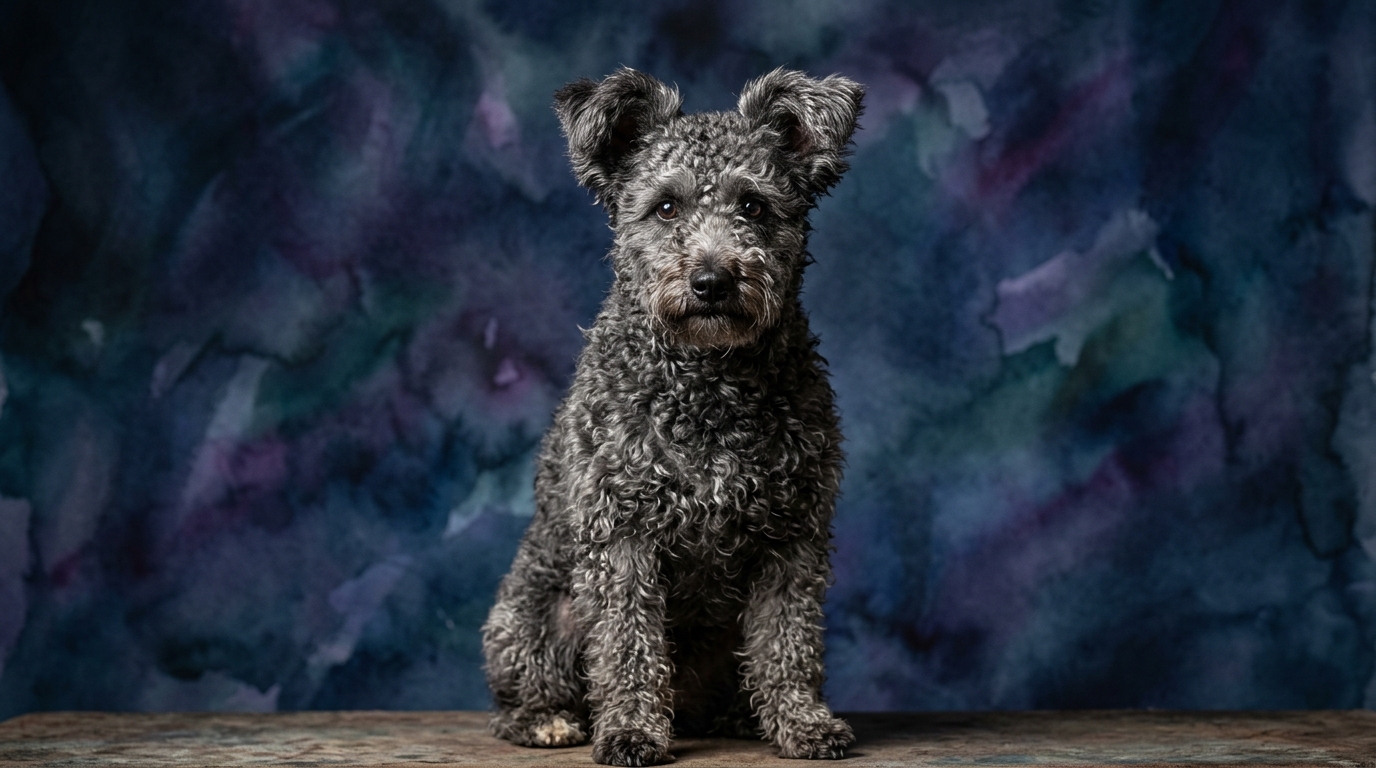
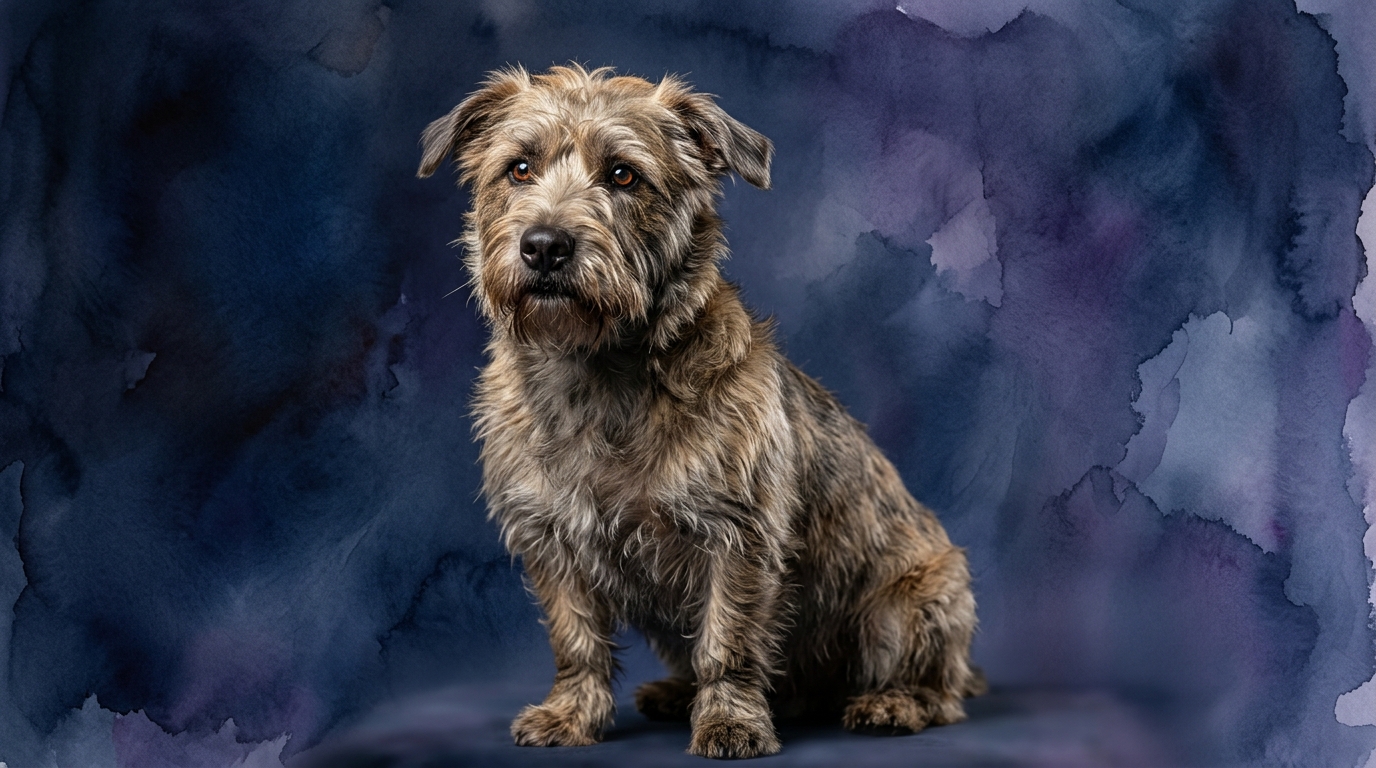
Side-by-Side Cognitive Profiles: Herding vs. Terrier Interpretations
While both the Pumi and the Glen of Imaal Terrier register a consistent 3 out of 5 across problem solving, training speed, social intelligence, instinctive drive, and memory, the application and expression of these scores are deeply influenced by their ancestral roles. Understanding these nuances is key to appreciating their individual cognitive strengths.
The Pumi, a Hungarian herding dog, demonstrates its 3/5 problem-solving acumen through agile decision-making in dynamic environments. They excel at quickly assessing and responding to changing situations, like redirecting livestock or navigating complex obstacle courses. Their 3/5 training speed reflects a general eagerness to engage and learn when tasks are purposeful and handler-led, absorbing commands at a steady pace and thriving on consistent, positive reinforcement. Social intelligence at 3/5 manifests as a strong attunement to their handler's cues and moods, forming deep cooperative bonds crucial for teamwork, and an ability to read other animals effectively. Their instinctive drive, also 3/5, is a powerful herding impulse to gather, chase, and control movement, which provides a strong motivational framework for their cognitive processes. Finally, their 3/5 memory is adept at retaining complex routines, sequences of commands, and spatial layouts essential for intricate herding patterns or remembering where specific tasks need to be performed.
In contrast, the Glen of Imaal Terrier, hailing from Ireland, expresses its 3/5 problem-solving capability with tenacious independence and resourcefulness. These dogs are adept at figuring out challenges through persistent effort, such as unearthing a burrowed critter or meticulously working through a complex puzzle toy. Their 3/5 training speed is often tempered by a self-directed nature; they learn steadily but may require more convincing that a command aligns with their own interests, making consistent motivation vital. Social intelligence at 3/5 means they form profound, loyal bonds with their immediate family, often displaying a quiet understanding of household dynamics, though they can be reserved or selective with strangers and unfamiliar dogs. The Glen's 3/5 instinctive drive is characterized by a powerful prey drive and unwavering tenacity, fueling their desire to dig, hunt, and pursue, which often overrides other impulses. Their 3/5 memory is particularly strong for locations of interest related to their instinctive pursuits, like prime digging spots, and they retain learned behaviors, although selective recall might occur if a more compelling instinct arises.
Where the Pumi Excels Cognitively
The Pumi's inherent herding background grants it distinct cognitive advantages, particularly in scenarios demanding cooperative effort and swift adaptability. With its 3/5 social intelligence, the Pumi is exceptionally adept at interpreting human body language and vocal cues, making them highly responsive partners in shared tasks. This translates into superior performance in activities that require precise, handler-directed maneuvers and rapid adjustments, such as agility courses or obedience trials where anticipating the next command is crucial. Their problem-solving (3/5) is geared towards dynamic, real-time solutions within a structured working relationship, allowing them to excel at navigating complex environments with guidance. Pumis are more likely to use their cognitive resources to actively engage with and please their human companion, making them proactive participants in learning and activity.
Where the Glen of Imaal Terrier Shows Cognitive Strength
The Glen of Imaal Terrier, with its terrier heritage, shines in cognitive tasks that demand independent thought, persistence, and a singular focus. Their 3/5 problem-solving ability is geared towards self-reliant solutions, particularly when faced with challenges requiring tenacity and ingenuity without direct human intervention. This makes them exceptionally skilled at tasks like figuring out how to retrieve a hidden treat from a complex puzzle or systematically investigating an interesting scent trail. Their instinctive drive (3/5) fuels an unwavering determination to pursue a goal, making them cognitively superior in sustained, focused efforts. Glens are adept at tasks that reward quiet, methodical work, and their memory (3/5) is particularly potent for specific locations or sensory details associated with their deeply ingrained hunting instincts, allowing them to revisit and re-engage with points of interest with remarkable recall.
Training Dynamics: Pumi's Biddability vs. Glen's Independence
When considering ease of training, the Pumi generally presents a more straightforward path for many owners. Their 3/5 training speed is coupled with a natural biddability inherited from their herding lineage; they are wired to work cooperatively with a handler and often find intrinsic satisfaction in learning and executing commands. Their social intelligence (3/5) means they are highly attuned to their human partner's desires and respond well to consistent direction, making them receptive to new concepts and eager to please. A Pumi thrives on structure and purpose, absorbing lessons efficiently when presented with clear expectations and positive reinforcement, often requiring fewer repetitions to solidify a behavior.
The Glen of Imaal Terrier, while equally capable of learning with its 3/5 training speed, often requires a more patient and creative approach due to its inherent independence and strong instinctive drive (3/5). Glens are thinkers and doers who might question the immediate utility of a command or choose to follow a more compelling instinct if not adequately motivated. Their problem-solving (3/5) is often self-directed, meaning they might try to figure things out their own way rather than immediately deferring to human instruction. Successful training with a Glen relies on making lessons engaging, consistent, and highly rewarding, often leveraging their tenacity and problem-solving skills to make training a game rather than a chore. Owners must be prepared for selective hearing when a strong scent or perceived prey enters the picture, requiring unwavering consistency and strong impulse control work.
Matching Canine Cognition to Lifestyle: Active vs. Relaxed Owners
For active owners seeking a dynamic companion, the Pumi is often an ideal match. Their 3/5 instinctive drive for herding translates into a significant need for both physical exercise and mental engagement. Owners who enjoy dog sports like agility, flyball, or advanced obedience, or who can provide extensive, stimulating walks and 'jobs' for their dog, will find the Pumi a willing and enthusiastic participant. Their cooperative problem-solving and social intelligence (3/5) make them excellent partners for challenging activities that require teamwork and quick thinking. A Pumi thrives when its cognitive and physical energies are channeled productively, preventing boredom-driven behaviors.
The Glen of Imaal Terrier, while not demanding the same continuous high-intensity activity as a Pumi, can suit owners who appreciate a more relaxed pace but are still committed to providing consistent mental stimulation. Their 3/5 instinctive drive, focused on hunting and digging, means they need outlets for these specific behaviors, even if it's not constant running. A 'relaxed' owner for a Glen is one who understands the importance of structured walks, engaging puzzle toys, and perhaps supervised digging opportunities in a designated area. They are more about focused bursts of activity and mental challenges rather than relentless physical exertion. Their independent problem-solving (3/5) means they can entertain themselves with appropriate toys, but still require regular, intentional engagement to prevent them from finding their own, potentially destructive, entertainment.
The Verdict
Choose a Pumi if you seek an agile, cooperative partner for various dog sports and activities, appreciating a dog highly attuned to your cues and thriving on purposeful, team-oriented work. They excel when given a 'job' that engages their quick problem-solving and social intelligence.
Opt for a Glen of Imaal Terrier if you admire a tenacious, independent thinker who approaches challenges with quiet determination, and you are prepared to engage with their strong terrier instincts through consistent, reward-based training and enriching, self-directed activities.
🧠 Find Your Pet's IQ Score
Our Pet IQ Lab assessment covers 25+ tests across 5 cognitive dimensions — personalized to your breed.
Take the Full IQ Test →Frequently Asked Questions
Are Pumis good with children?
Pumis, with their 3/5 social intelligence, can be excellent family dogs and generally good with children, especially if raised with them and socialized early. Their natural herding instinct might lead them to playfully 'herd' children, so supervision and teaching appropriate interactions are important from a young age.
Do Glen of Imaal Terriers get along with other pets?
Glen of Imaal Terriers possess a 3/5 social intelligence and can coexist peacefully with other pets, particularly when introduced early and properly socialized. However, their strong 3/5 instinctive prey drive means small, fast-moving animals like rodents or even some cats might trigger their instincts, requiring careful management and supervision in multi-pet households.
How much exercise does a Pumi need daily?
A Pumi, with its significant 3/5 instinctive drive and herding background, requires substantial daily exercise and mental stimulation to thrive. This typically translates to at least 60-90 minutes of vigorous activity, combining physical exertion like running or fetching with engaging tasks that challenge their problem-solving and training speed.