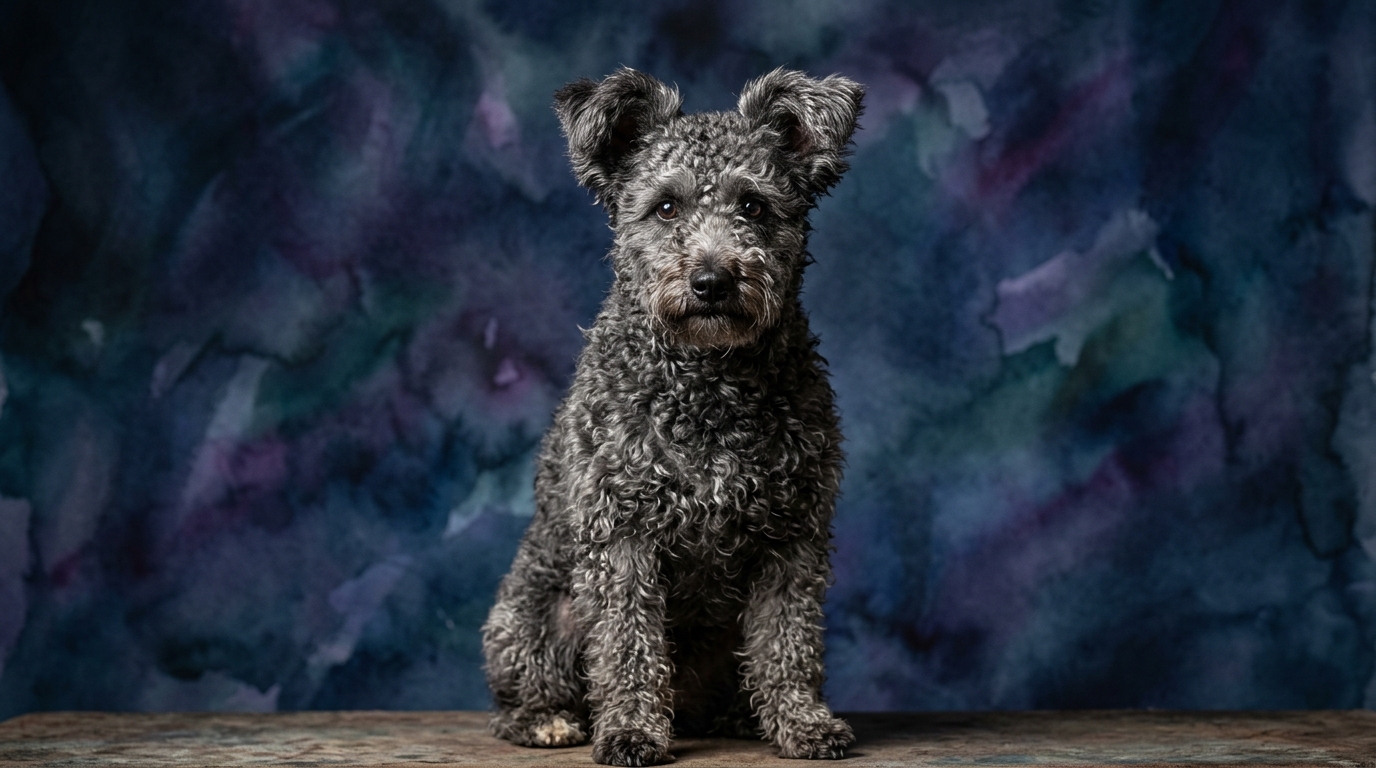
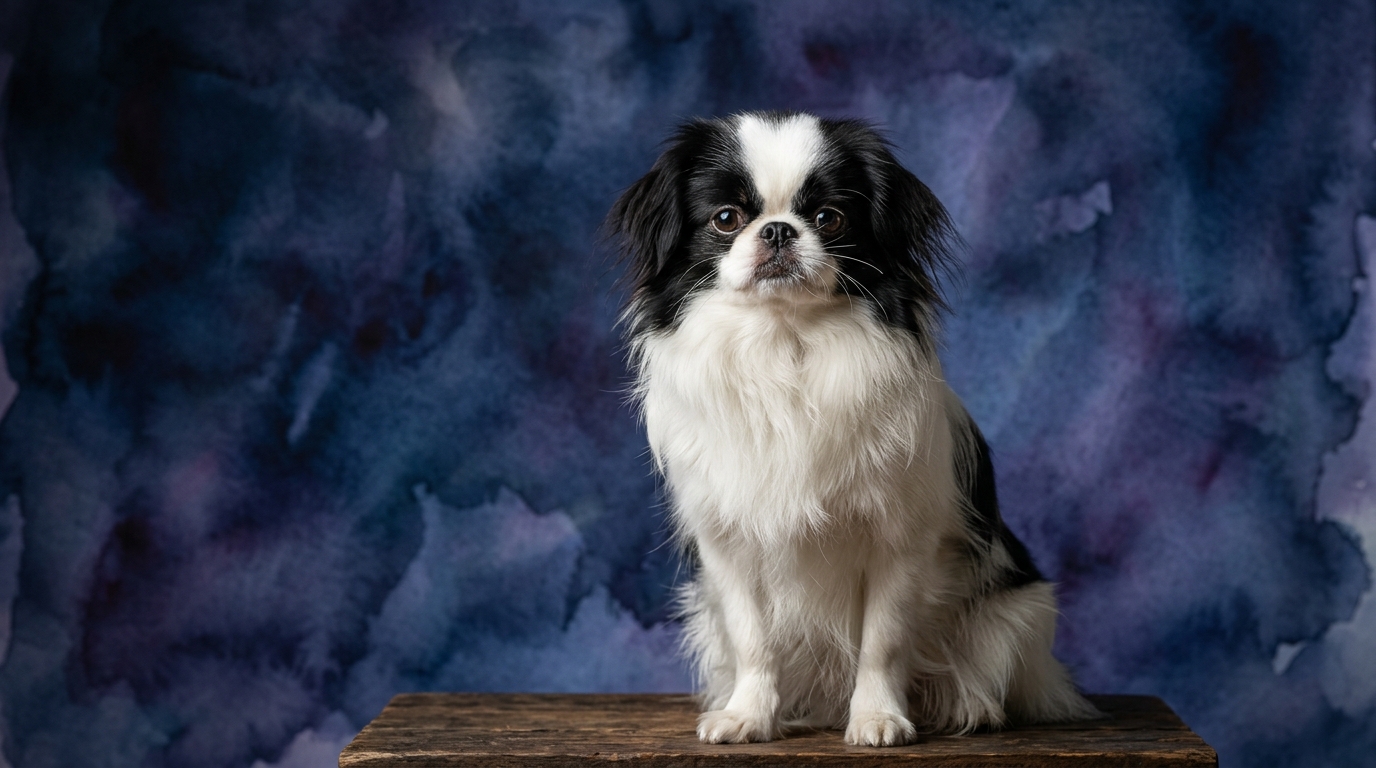
Side-by-Side IQ Profile: Pumi vs. Japanese Chin
Despite registering identical scores in our Pet IQ Lab, the Pumi and Japanese Chin apply their cognitive capacities in ways that reflect their breed's historical purpose and innate inclinations. Understanding these nuances provides a richer picture of their individual cognitive landscapes.
The Pumi, a Hungarian herding dog, exhibits a cognitive style geared towards dynamic action and practical application:
Problem Solving (3/5): Pumi problem-solving typically involves assessing dynamic situations, like guiding livestock through varied terrain or figuring out how to retrieve a toy from an obstacle. Their cognitive approach leans towards practical, physical solutions in a work-oriented context, often requiring quick decisions and adaptability to changing external factors.
Training Speed (3/5): Pumis generally absorb new commands and routines at a good pace, driven by their eagerness to engage in tasks and work alongside their human partners. They respond well to consistent, engaging training methods that tap into their natural desire for purposeful activity, showing a solid capacity for retaining learned behaviors over time.
Social Intelligence (3/5): Their social intelligence often centers on understanding human directives and working collaboratively, particularly within a family unit or a working partnership. Pumis can read cues from their handlers, anticipating next steps in a task or reacting to emotional states, demonstrating a balanced awareness of their social environment and their role within it.
Instinctive Drive (3/5): The Pumi's instinctive drive is strongly rooted in their herding heritage, manifesting as a persistent urge to gather, control, and move. This drive underpins much of their cognitive engagement, influencing their focus, energy levels, and their natural inclination to organize their environment or play with a herding-like intensity.
Memory (3/5): Pumis possess a reliable memory for learned commands, routines, and the spatial layout of familiar environments. They can recall complex sequences of actions relevant to tasks and recognize individuals and other animals, contributing to their consistency in performance and their ability to navigate established patterns.
The Japanese Chin, a venerable companion dog, demonstrates a cognitive approach refined for subtle interaction and domestic harmony:
Problem Solving (3/5): Japanese Chin problem-solving often involves navigating their immediate home environment to achieve comfort, secure attention, or find a favored spot. Their cognitive efforts might focus on subtle manipulations, like nudging a hand for pets or strategically positioning themselves for a prime view, reflecting an adaptive intelligence geared towards social interaction and personal well-being within a domestic setting.
Training Speed (3/5): Japanese Chins generally pick up on house manners and basic commands at a steady pace, particularly when training is framed as a positive, interactive experience. They respond best to gentle, reward-based methods, showing a good capacity for learning routines that enhance their comfort and connection with their human companions.
Social Intelligence (3/5): Their social intelligence excels in understanding nuanced human emotions and subtle social cues within a close family circle. Japanese Chins are adept at reading moods, offering comfort, or soliciting interaction, demonstrating a sophisticated awareness of their human companions' states and a refined ability to adapt their behavior accordingly.
Instinctive Drive (3/5): The Japanese Chin's instinctive drive is primarily geared towards companionship and maintaining close proximity to their human family. This drive manifests as a natural inclination for gentle play, a desire for comfort, and a strong bond with their primary caregivers, shaping their daily activities and their overall contentment.
Memory (3/5): Japanese Chins exhibit a solid memory for familiar faces, routines, and preferred locations within their home. They can recall which family member is most likely to offer a treat or a cuddle, and remember the layout of their safe spaces, contributing to their sense of security and their ability to navigate their social landscape effectively.
Where the Pumi Wins Cognitively
While both breeds register a 3/5 in problem solving, the Pumi's cognitive strengths truly shine in dynamic, fluid environments requiring quick adaptation and independent thought. Their herding background cultivates a mind that excels at assessing rapidly changing situations, like anticipating the movement of livestock or navigating an agility course with precision. This translates into a superior ability to process multiple stimuli simultaneously and make on-the-fly decisions, a cognitive edge when faced with complex, multi-stage tasks that demand sustained focus and physical execution. A Pumi is more likely to independently strategize how to overcome a novel physical barrier in a field, leveraging their spatial reasoning and innate drive to complete a perceived 'job'.
Where the Japanese Chin Wins Cognitively
Conversely, the Japanese Chin demonstrates a distinct cognitive advantage in the realm of subtle social interaction and emotional attunement, even with a 3/5 in social intelligence. Their strength lies in their finely tuned ability to read nuanced human body language, facial expressions, and vocal tones with exceptional accuracy. This allows them to anticipate needs, offer comfort, or solicit attention through quiet, sophisticated cues, far beyond what a Pumi typically engages in. A Japanese Chin might excel at 'problem-solving' how to gently persuade a sad owner into a comforting interaction, demonstrating an intricate understanding of the human-animal bond and an ability to respond with remarkable empathy and adaptability within a domestic setting.
Which is Easier to Train and Why
Determining which breed is 'easier' to train, despite both having a 3/5 training speed, depends heavily on the training goals and methods employed. The Pumi, with its strong instinctive drive and desire for purposeful activity, often thrives on structured, task-oriented training that involves complex commands and physical challenges. They are generally eager to please and respond well to consistent, engaging sessions that tap into their herding instincts, making them receptive to learning intricate sequences. However, their independent problem-solving can sometimes lead to them 'outthinking' or testing boundaries if training isn't clear and consistent, requiring a firm yet fair approach. In contrast, the Japanese Chin, driven by companionship and comfort, responds best to gentle, positive reinforcement methods that strengthen the bond with their owner. They excel at learning house manners, recall, and tricks that involve close interaction, valuing praise and affection as primary motivators. While they may not have the Pumi's inherent drive for repetitive work, their desire for social harmony makes them generally amenable to learning what makes their humans happy, though they might be less tolerant of repetitive drills or high-pressure environments.
Which Suits Active Owners vs. Relaxed Owners
For owners seeking an active companion, the Pumi is an undeniable match, aligning perfectly with their robust physical and mental energy. Their 3/5 instinctive drive translates into a need for regular, vigorous exercise, mental stimulation through training, and opportunities to engage their herding or agility talents. They thrive in environments where they can run, jump, and participate in dog sports, making them ideal for individuals or families with an outdoorsy lifestyle or a passion for dog activities. Conversely, the Japanese Chin is the quintessential choice for relaxed owners who appreciate a calm, affectionate presence. Their preference for comfort and close companionship means they are content with moderate indoor play, short walks, and ample lap time. They are well-suited to apartment living and individuals who enjoy a quiet, intimate bond with their pet, requiring far less structured physical exertion but valuing consistent social interaction and gentle attention.
The Verdict
Choose a Pumi if you seek a cognitively engaged partner for active pursuits, enjoy structured training, and can provide ample outlets for their problem-solving and herding instincts in a dynamic environment.
Opt for a Japanese Chin if you desire a gentle, socially astute companion who thrives on close human interaction, appreciates a calmer lifestyle, and excels in nuanced communication within a devoted domestic setting.
🧠 Find Your Pet's IQ Score
Our Pet IQ Lab assessment covers 25+ tests across 5 cognitive dimensions — personalized to your breed.
Take the Full IQ Test →Frequently Asked Questions
Do Pumi or Japanese Chin bark more?
Pumis generally have a more vocal nature, often using their barks as part of their communication repertoire, especially when engaging in play or alerting to perceived changes in their environment, reflecting their herding vigilance. Japanese Chins are typically much quieter, preferring to communicate through subtle body language and occasional chirps, barking only sparingly to express strong feelings or alert to strangers.
Are Pumi or Japanese Chin better with children?
The Pumi's boisterous energy and herding instincts mean they can be excellent playmates for older, respectful children who understand how to interact with an active dog, though supervision is always wise. Japanese Chins, with their delicate build and preference for calm interactions, are generally better suited for quieter children or families where children are taught to be very gentle and respectful of their small size.
Which breed is more independent, Pumi or Japanese Chin?
The Pumi tends to exhibit more independence, stemming from their herding role where they might need to make decisions autonomously, showing a confident self-reliance in problem-solving. While the Japanese Chin is not clingy, their core drive for companionship means they prefer close proximity to their humans, making them less independently inclined and more focused on shared presence.