Side-by-Side Cognitive Profiles: Herding Acuity vs. Scenting Persistence
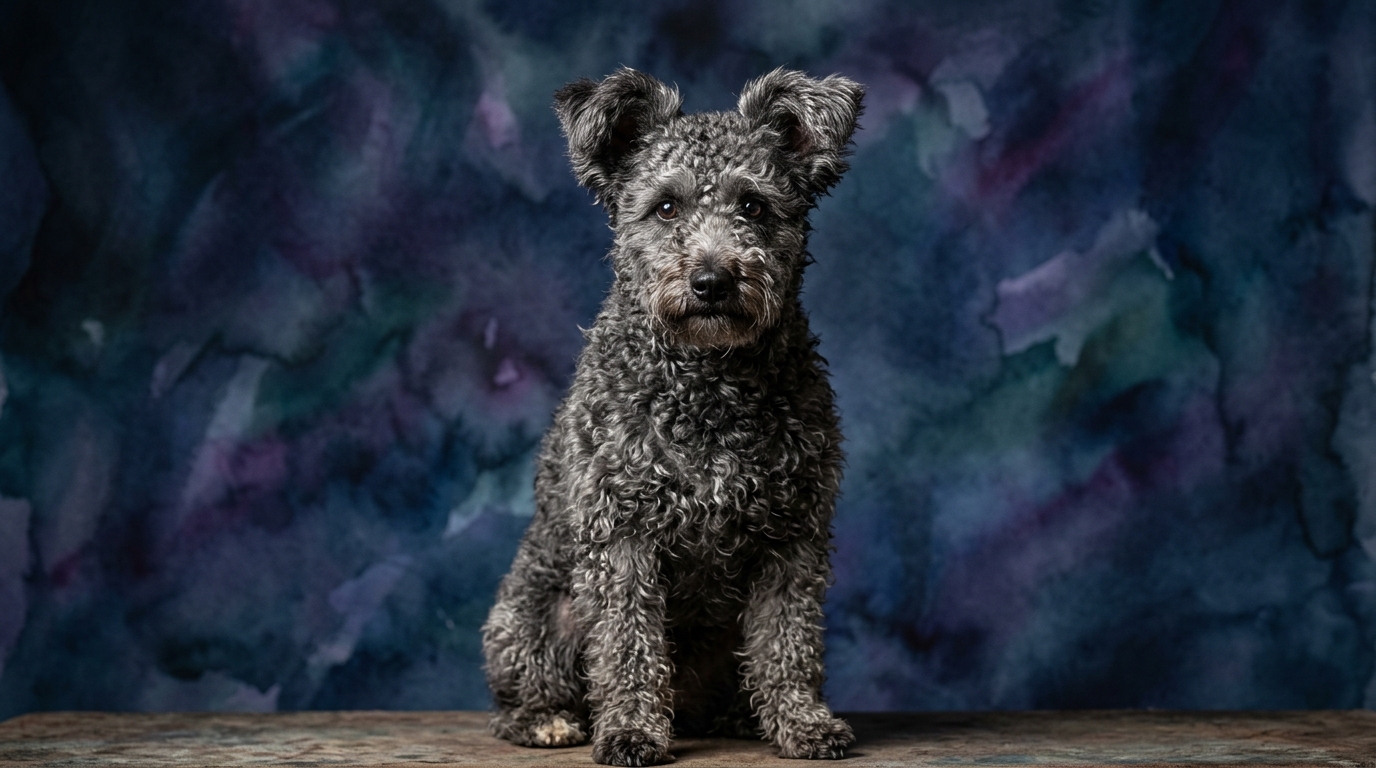
The Pumi, a spirited Hungarian herding dog, demonstrates a cognitive profile deeply influenced by its historical role in managing livestock. Its Problem Solving score of 3/5 manifests as a remarkable ability to assess dynamic situations quickly, such as anticipating the movements of sheep or cattle and adapting strategies on the fly to guide them effectively. This involves rapid decision-making in complex, ever-changing environments, often requiring the dog to think several steps ahead to maintain control over the herd. Their Training Speed, also rated 3/5, reflects a good capacity for absorbing commands and routines, particularly when tasks are engaging and align with their inherent desire to work collaboratively. Pumis grasp new concepts at a steady pace, especially when training involves active participation and a clear, shared purpose with their handler. Their Social Intelligence (3/5) indicates a strong aptitude for interpreting human cues, understanding social dynamics within a family unit, and responding appropriately to various social contexts. This close cooperation with a shepherd fosters a highly responsive and communicative nature. The Pumi's Instinctive Drive (3/5) is primarily rooted in its strategic herding impulse, a powerful urge to gather, control, and protect livestock. This drive is not merely about chasing, but about intelligent influence and vigilance, often accompanied by their characteristic vocalizations to direct animals. Finally, a Memory score of 3/5 allows the Pumi to retain complex sequences of commands, recall specific individuals or locations over time, and remember intricate patterns associated with their daily herding duties or advanced obedience work, crucial for consistent performance.
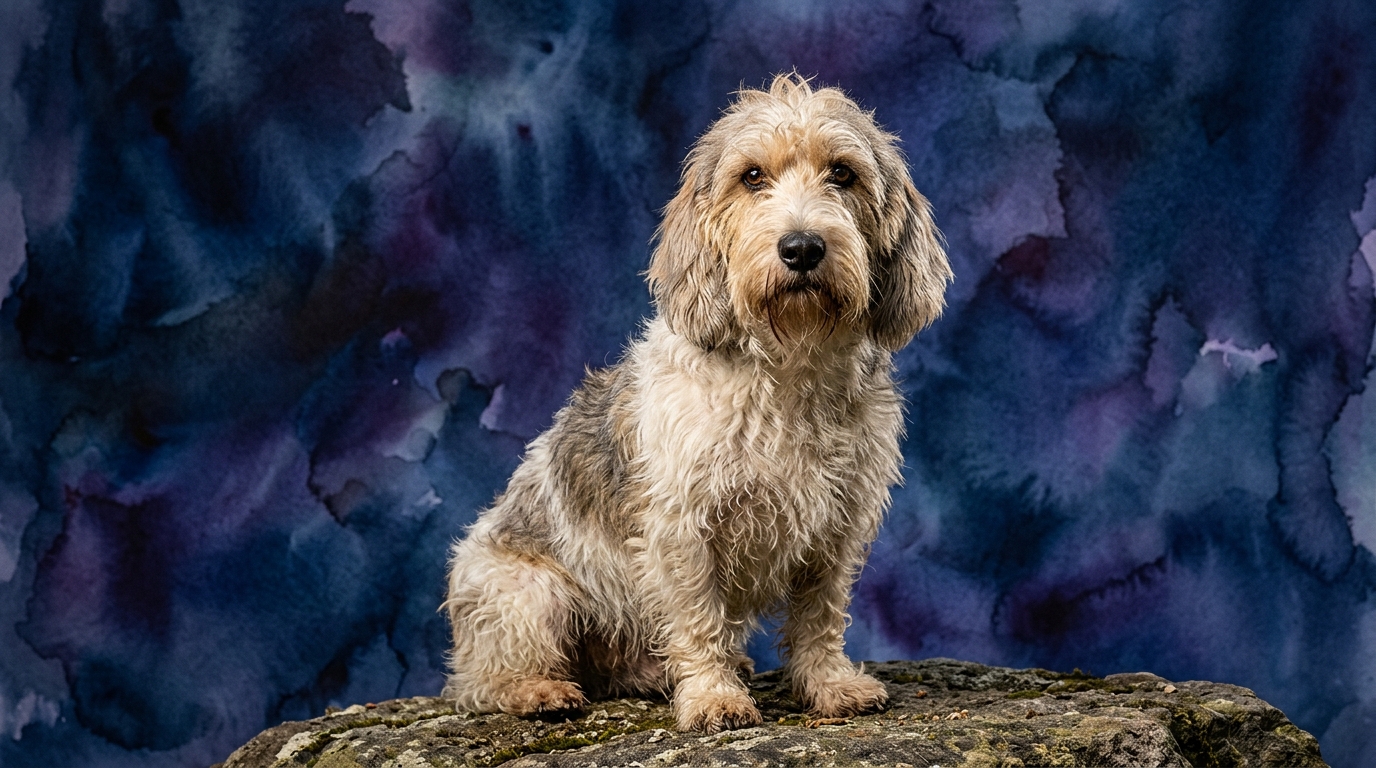
In contrast, the Petit Basset Griffon Vendéen (PBGV), a boisterous French hound, applies its cognitive faculties through the lens of independent hunting. Its Problem Solving score of 3/5 is intrinsically tied to its tenacious pursuit of scent trails through varied and often challenging terrains. This breed excels at autonomously figuring out how to navigate obstacles, discern subtle changes in scent concentration, and follow a path even when the visual cues are absent, all without constant human direction. The PBGV's Training Speed, also 3/5, suggests they are capable learners but often require consistent, patient, and highly motivating methods. While they can pick up commands, their profound independent streak means they might prioritize an interesting scent over a handler's request, demanding more effort to maintain their focus during training sessions. Their Social Intelligence (3/5) encompasses understanding pack dynamics and interacting well with other dogs and humans. However, their social interactions often carry an independent edge, meaning they are friendly and engaging but may not always prioritize human direction over their own compelling sensory pursuits. The PBGV's Instinctive Drive (3/5) is overwhelmingly dominated by its powerful scenting ability and an insatiable prey drive, an internal compass that compels them to follow a trail relentlessly. This drive fuels their persistence and determination in the field, making them incredibly focused when a compelling scent is present. A Memory score of 3/5 for the PBGV is robust for remembering scent trails, successful hunting grounds, and the specific locations of interesting odors. While they can recall commands, their memory is particularly strong for sensory information relevant to their primary instinctive drives, allowing them to revisit productive areas or remember complex scent patterns.
Where Pumi Cognitively Excels
The Pumi, despite sharing the same Problem Solving score as the PBGV, consistently demonstrates a more readily apparent collaborative problem-solving ability. Their herding background instills a cognitive framework geared towards working in tandem with a human handler, quickly interpreting subtle cues and adapting their strategy based on human direction. This means they excel in activities requiring dynamic adjustments to a shared objective, such as navigating complex agility courses where speed, precision, and handler communication are paramount, or executing intricate obedience routines that demand tight synchronicity with their person. Their quick processing of environmental changes in relation to a human's intent gives them a distinct edge in tasks that require co-creation of a solution. This collaborative cognitive strength allows them to anticipate a handler's next move and respond proactively, making them highly effective partners in structured, goal-oriented activities. Their memory for sequences and routines also supports this, allowing them to build on previous training with remarkable consistency.
Where Petit Basset Griffon Vendéen Cognitively Excels
The Petit Basset Griffon Vendéen's cognitive strengths truly shine in areas demanding independent persistence and acute sensory discrimination, a direct expression of their 3/5 Problem Solving and Instinctive Drive. While a Pumi might solve a problem by looking to its handler for guidance, a PBGV excels at autonomously unraveling a complex scent puzzle, meticulously following a trail through challenging environments without direct human intervention. Their remarkable capacity to filter myriad environmental smells to isolate a specific target scent, and then to tenaciously pursue it for extended periods, showcases a specialized form of cognitive endurance and unwavering focus. This unique blend of refined sensory processing and dedicated pursuit of a self-assigned task allows them to 'win' in scenarios where sustained, independent investigation is key. Activities like scent work, tracking, or even simply exploring a new environment become complex cognitive exercises where the PBGV's independent problem-solving and memory for scent patterns come to the fore, allowing them to reconstruct an entire narrative from olfactory information.
Trainability: Cooperation vs. Independence
Despite both breeds scoring 3/5 in Training Speed, the Pumi is generally perceived as easier to train due to fundamental differences in their motivational drives and working styles. The Pumi's herding heritage means they are typically eager to please their human and thrive on having a 'job' that involves cooperation and direction. Their social intelligence and instinctive drive lean strongly towards working *with* a handler, making them more responsive to commands and more inclined to maintain focus during training sessions. They often find joy in structured learning and the partnership aspect of training, viewing it as a collaborative effort. In contrast, the PBGV's hound nature dictates a strong independent streak; their 3/5 training speed is often tempered by their overwhelming instinctive drive to follow a scent. While they are certainly capable of learning and remembering commands, their attention can be easily diverted by environmental stimuli, particularly compelling odors, requiring a higher level of patience, creativity, and consistent high-value rewards to keep them engaged. A PBGV might understand a command perfectly but choose not to execute it if a more interesting sensory experience presents itself, making consistency and immediate recall a greater challenge for the owner. Their memory is strong, but their priorities are often scent-driven, requiring owners to understand and work with this inherent characteristic.
Lifestyle Suitability: Active Engagement vs. Curious Exploration
The Pumi is undeniably better suited for active owners who can provide consistent mental and physical engagement. Their herding background endows them with substantial energy levels and a keen intellect that requires regular outlets. An active owner would find a willing, enthusiastic partner for dog sports like agility, flyball, or advanced obedience, where the Pumi's collaborative problem-solving, rapid adaptability, and eagerness to work can truly flourish. They thrive on having a purpose and can become restless or mischievous if under-stimulated, potentially developing undesirable behaviors to entertain themselves. Conversely, the Petit Basset Griffon Vendéen, while certainly active and persistent when pursuing a scent, can adapt to a more relaxed home environment provided their strong need for mental stimulation, particularly through scent work, is met. While they enjoy vigorous walks and opportunities to explore, their energy during downtime is often lower than a Pumi's, content to snooze after a good sniff session. A relaxed owner who appreciates their independent nature and is willing to engage them in activities like scent games, leisurely but extensive sniffing walks, or even informal tracking, rather than high-intensity structured sports, might find the PBGV a more suitable companion. However, their powerful prey drive necessitates a secure, fenced yard and diligent leash training, as their independent streak can lead them to follow a compelling scent for miles.
The Verdict
Choose the Pumi if you are an active, engaged owner seeking a highly collaborative and quick-thinking partner for structured activities and sports. They thrive on partnership and a consistent 'job,' making them excellent for those who enjoy training and mental challenges together.
Choose the Petit Basset Griffon Vendéen if you appreciate an independent, curious, and persistent companion with a passion for exploration and scent work. They are ideal for owners who enjoy leisurely but engaging walks and can provide patient, reward-based training to channel their strong instinctive drives.
🧠 Find Your Pet's IQ Score
Our Pet IQ Lab assessment covers 25+ tests across 5 cognitive dimensions — personalized to your breed.
Take the Full IQ Test →Frequently Asked Questions
Do Pumi and PBGV get along well with other pets?
Pumis, with their herding instinct, can sometimes attempt to 'herd' other pets, but generally adapt well with proper introductions and supervision. PBGVs are typically good-natured with other dogs, especially if raised together, but their strong prey drive means small, fast-moving pets might trigger their hunting instincts.
Are Pumi or PBGV good with children?
Pumis are often playful and protective with children in their family, but their herding tendencies might lead to nipping at heels if not properly managed, so supervision is key. PBGVs are generally friendly and robust companions for children, enjoying play, but their boisterous nature means they might inadvertently knock over very young children.
What are the primary grooming needs for these breeds?
Pumis require regular brushing several times a week to prevent matting in their dense, curly coat, along with occasional trimming to maintain their characteristic look. PBGVs have a coarse, shaggy coat that needs weekly brushing and occasional hand-stripping to remove dead hair and maintain texture, avoiding clipping which softens the coat.