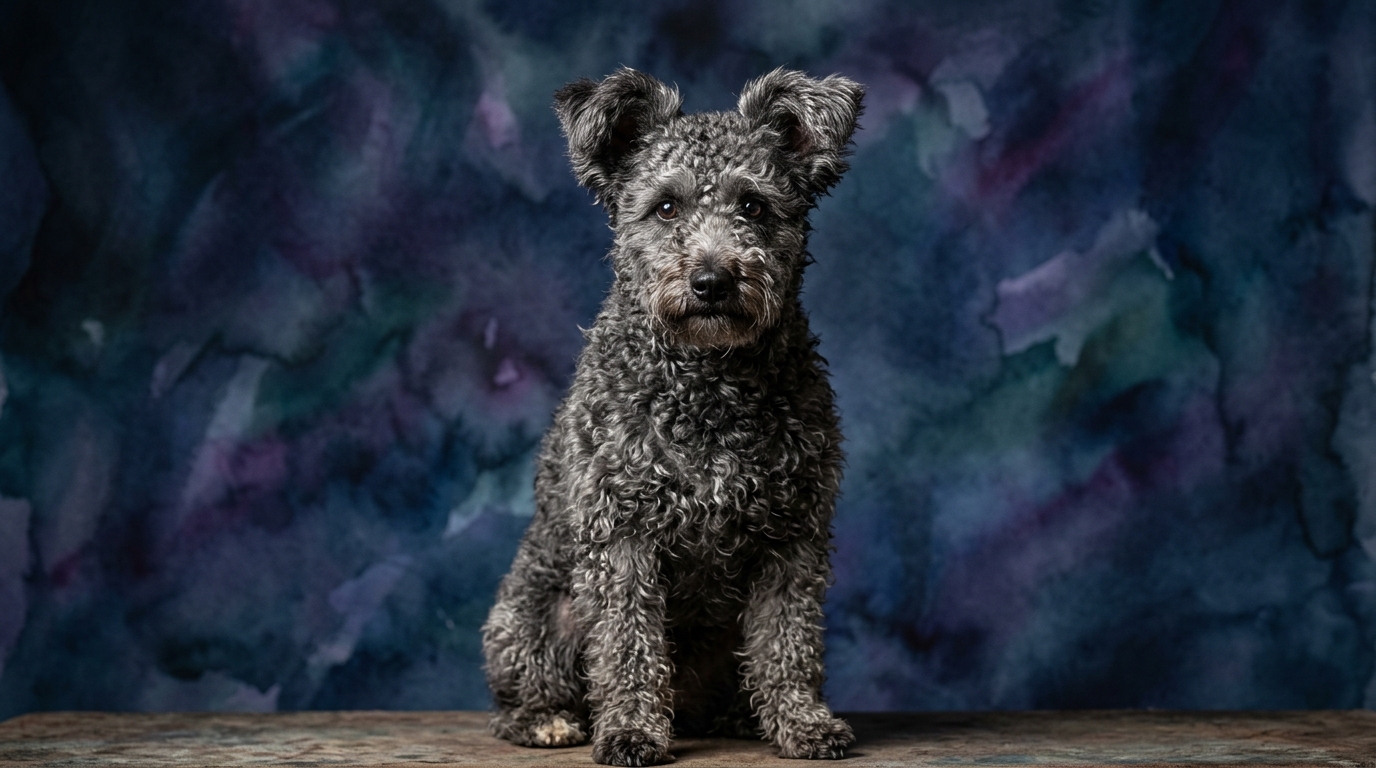
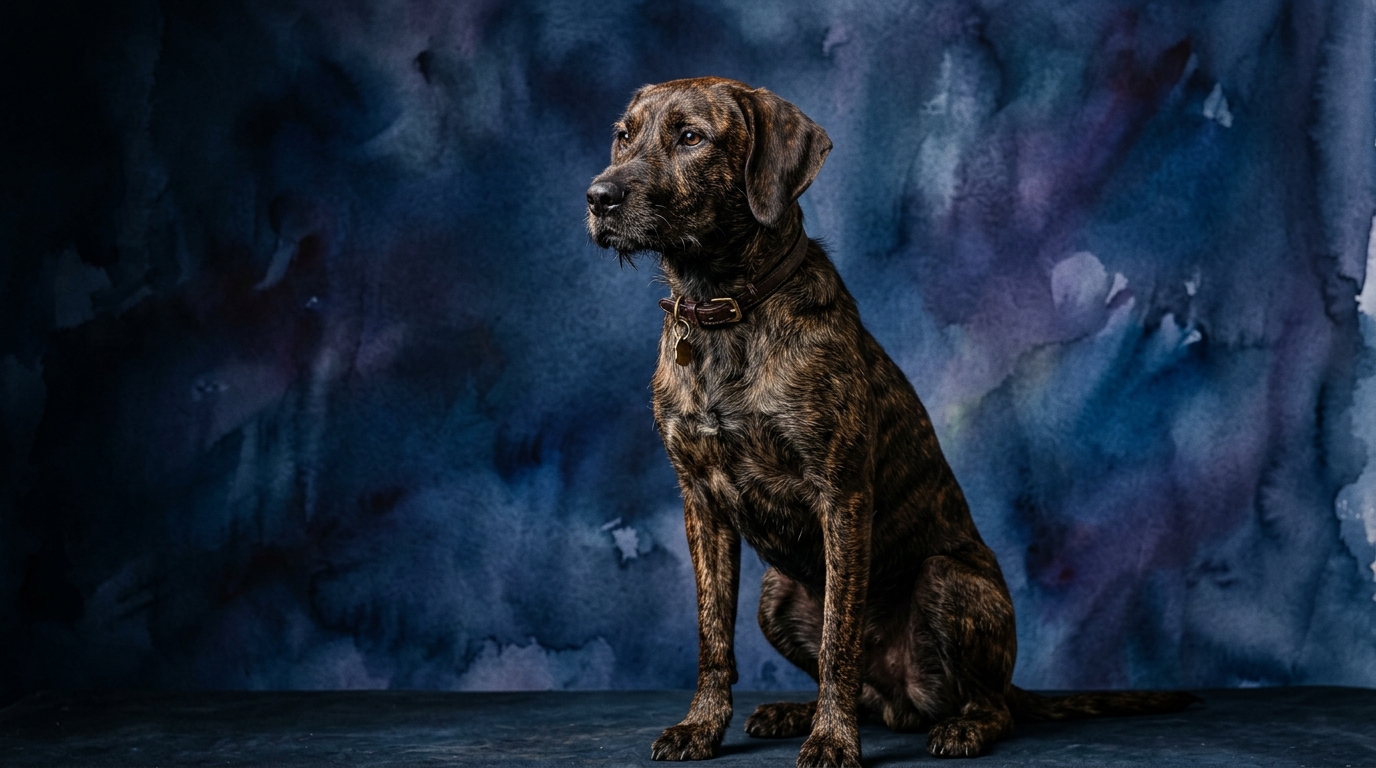
Side-by-Side IQ Profile: Pumi vs. Plott Hound
Despite their identical scores, understanding the Pumi and Plott Hound's cognitive profiles requires examining how their innate abilities translate into breed-specific behaviors and aptitudes.
For the **Pumi (Herding Group)**:
**Problem Solving (3/5)**: The Pumi's herding heritage means its problem-solving manifests in dynamic, real-time scenarios, such as anticipating flock movements, blocking escape routes, or navigating complex terrain to gather livestock. They learn quickly from experience, adapting strategies based on immediate feedback from the animals they manage.
**Training Speed (3/5)**: Pumis generally respond well to consistent, positive reinforcement, eager to please their handlers and engage in structured learning. Their quickness to pick up commands is balanced by an independent streak that requires handlers to maintain engagement and novelty to prevent boredom.
**Social Intelligence (3/5)**: This breed develops a strong, almost telepathic bond with its primary handler, keenly reading subtle cues and intentions. While highly attuned to their human companions, their social circle tends to be smaller, often displaying wariness or reserve towards strangers, a trait useful for guarding their flock.
**Instinctive Drive (3/5)**: The Pumi possesses a robust herding instinct, characterized by a natural urge to gather, control, and protect. This drive is intertwined with a significant prey drive, which means they are motivated by movement and can be easily engaged in tasks that simulate their original working purpose.
**Memory (3/5)**: Pumis demonstrate good memory for routines, learned commands, and spatial awareness within their territory. They can recall complex sequences of actions and retain training over long periods, which is crucial for their working roles and consistent performance.
For the **Plott Hound (Hound Group)**:
**Problem Solving (3/5)**: For the Plott Hound, problem-solving is deeply rooted in their tracking and hunting lineage. This involves deciphering complex scent trails, navigating varied and challenging wilderness environments, and independently figuring out how to locate quarry over long distances. Their intelligence is applied to persistent, methodical pursuit.
**Training Speed (3/5)**: Plott Hounds can learn new tasks and commands efficiently, especially when motivated by scent work or food rewards. However, their independent nature and powerful instinctive drives mean that their training speed can be influenced by environmental distractions, requiring patience and clear, consistent direction.
**Social Intelligence (3/5)**: As a pack hound, the Plott Hound typically forms strong bonds with its human family, viewing them as its pack. They are generally amiable and tolerant within their social group but are less overtly handler-focused than herding breeds. Their social intelligence is geared towards cooperative action within a group, rather than individual handler attunement.
**Instinctive Drive (3/5)**: The Plott Hound's primary drive is an intense, unwavering scent drive, compelling them to follow a trail regardless of obstacles. This is coupled with a strong prey drive, making them relentless in their pursuit. Their drive is focused on the hunt, exhibiting remarkable stamina and determination.
**Memory (3/5)**: Plott Hounds possess a notable memory for scent patterns, terrain features, and successful hunting strategies. They can recall specific trails even after long periods and remember the layout of their hunting grounds, which is vital for their specialized work.
Where the Pumi Wins Cognitively
The Pumi’s cognitive strengths shine particularly in situations demanding quick, agile mental shifts and close handler collaboration. Their herding background cultivates a rapid decision-making ability crucial for managing livestock in unpredictable environments. This means they excel at parsing complex visual cues and responding with immediate, precise actions, such as anticipating a sheep’s movement and adjusting their angle to redirect it. Their social intelligence, while not broadly expansive, is deeply concentrated on their primary human, fostering a responsive partnership where they can interpret subtle body language and vocal inflections. This makes them adept at precision work and tasks requiring intricate communication, such as advanced obedience or dog sports like agility, where split-second adjustments and understanding of complex sequences are paramount. Their problem-solving is less about brute force persistence and more about elegant, adaptive solutions in real-time.
Where the Plott Hound Wins Cognitively
Conversely, the Plott Hound demonstrates superior cognitive prowess in tasks requiring sustained focus, independent problem-solving over extended periods, and an unparalleled ability to interpret olfactory data. Their scent drive is not merely a physical attribute; it's a cognitive superpower. They excel at discriminating between faint, overlapping scents and constructing complex mental maps based purely on smell, navigating vast and varied terrains solely by following a specific trail. This requires immense memory for scent profiles and the ability to filter out distractions, a cognitive feat distinct from visual-based problem-solving. Their independence in the field means they are accustomed to making decisions without constant human direction, strategizing how to overcome obstacles or find the most efficient path to their quarry. This makes them exceptionally resilient and self-reliant when pursuing a goal, demonstrating a methodical, persistent form of intelligence.
Which is Easier to Train and Why
When considering ease of training, the Pumi generally offers a more straightforward experience for the average owner due to its inherent desire to work *with* its human. Their handler-focused social intelligence means they are often looking to their owner for direction and approval, which simplifies the initial stages of obedience. While they possess an independent mind, their motivation is often tied to pleasing their person and engaging in mentally stimulating tasks. In contrast, the Plott Hound's training can be more challenging because their primary motivation is often internal and scent-driven, rather than handler-driven. A Plott Hound following a compelling scent trail might momentarily 'tune out' human commands, requiring significant effort in teaching recall and impulse control against their powerful instincts. Their independence, while a strength in the field, means they require a trainer who understands how to harness their drives rather than simply command them, often through scent games or activities that fulfill their natural inclinations.
Which Suits Active Owners vs. Relaxed Owners
Neither the Pumi nor the Plott Hound is suitable for truly relaxed owners, as both breeds possess substantial energy and mental needs. However, their activity profiles differ significantly. The Pumi thrives with active owners who enjoy engaging in dog sports like agility, flyball, or herding trials, or who can provide consistent, varied mental stimulation through puzzle toys and advanced training. They need a job to do and can become restless or destructive if under-exercised both physically and mentally. Their activity is often focused and directed. The Plott Hound, on the other hand, suits owners who are active in a more endurance-based, exploratory way. They need extensive opportunities to explore scent-rich environments, whether through long hikes, tracking exercises, or participating in scent work. Their activity often involves covering long distances and following their nose, making them ideal companions for hunters, hikers, or those who can provide consistent, vigorous outdoor adventures, often with a specific task in mind.
The Verdict
Choose the Pumi if you seek a highly engaged, responsive partner for dog sports, advanced training, or a dynamic home life where you can consistently provide varied mental challenges and direct interaction.
Opt for the Plott Hound if your lifestyle embraces extensive outdoor exploration, scent-driven activities, and you appreciate an independent, tenacious companion with remarkable endurance and a drive to follow its nose.
🧠 Find Your Pet's IQ Score
Our Pet IQ Lab assessment covers 25+ tests across 5 cognitive dimensions — personalized to your breed.
Take the Full IQ Test →Frequently Asked Questions
Do identical IQ scores mean these breeds learn in the exact same way?
No, identical IQ scores of 3/5 indicate a similar overall capacity for intelligence but don't specify the manner of learning. The Pumi learns best through handler interaction and dynamic problem-solving, while the Plott Hound excels at independent, scent-based learning and persistent tracking, reflecting their distinct historical roles.
How does a Pumi's "instinctive drive" manifest differently from a Plott Hound's?
A Pumi's instinctive drive primarily manifests as a strong herding impulse, an urge to gather and control movement, often directed at livestock or even family members. A Plott Hound's drive is dominated by an intense scent-following instinct, compelling it to track and pursue, often with remarkable endurance and focus on a specific trail.
Can a Pumi or Plott Hound be a good fit for a first-time dog owner?
Both breeds present unique challenges that might be overwhelming for a first-time dog owner without prior research and commitment. The Pumi requires significant mental engagement and consistent training to manage its herding instincts, while the Plott Hound demands extensive outdoor activity and skilled handling to manage its powerful scent drive and independence.