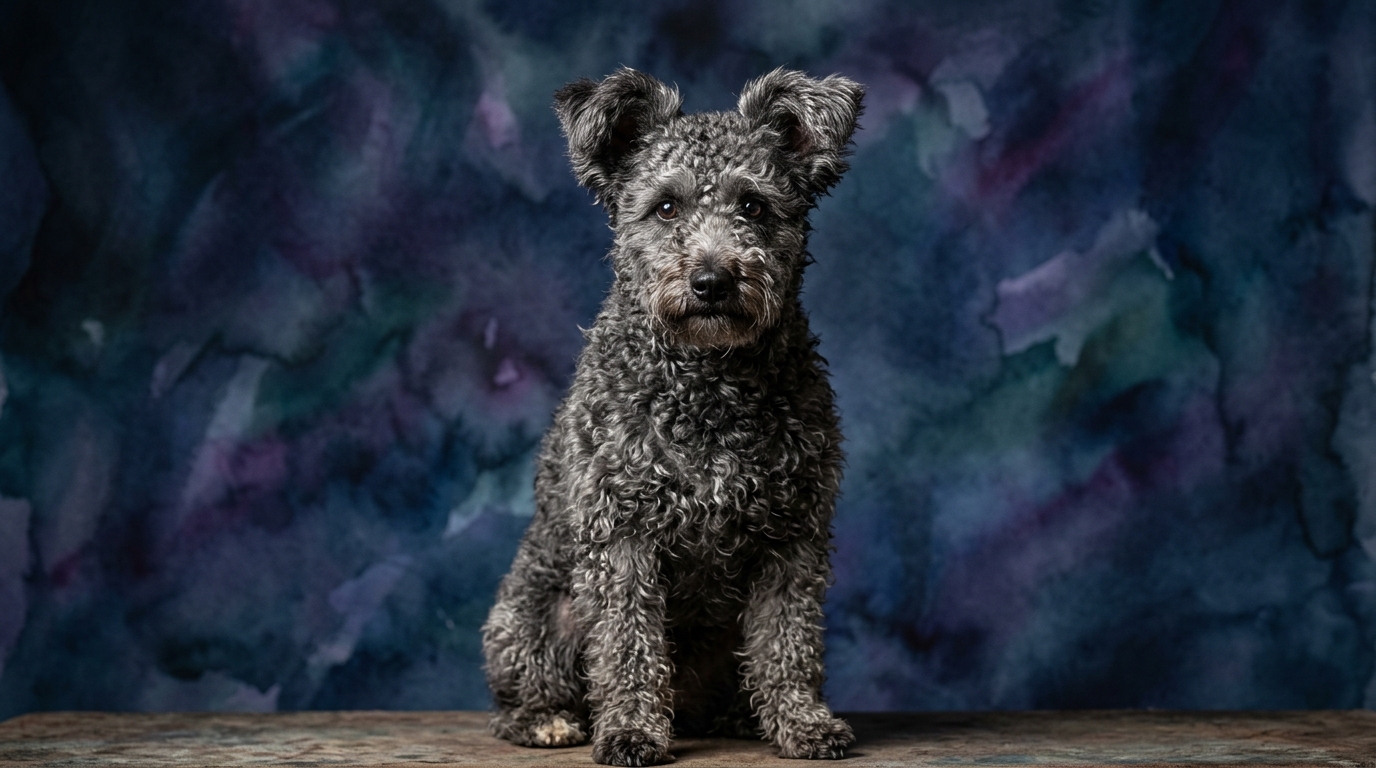
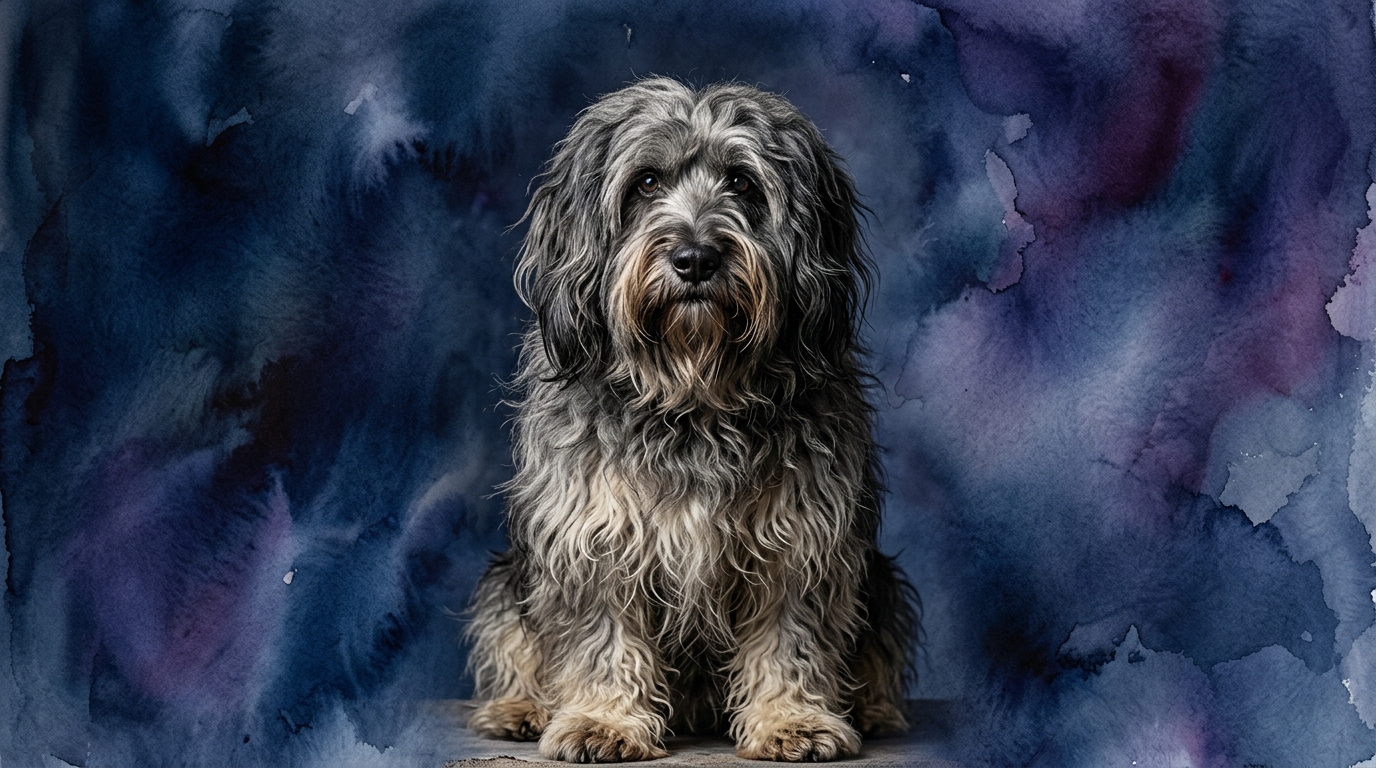
Side-by-Side IQ Profile: Pumi vs. Polish Lowland Sheepdog
The Cosmic Pet Pet IQ Lab rates both the Pumi and the Polish Lowland Sheepdog with a consistent 3/5 across all five measured cognitive dimensions. This identical scoring suggests a baseline of competence and adaptability, indicating neither breed significantly outperforms the other in raw cognitive capacity according to our scale. However, the *application* and *expression* of these capacities differ notably, shaped by their distinct ancestral duties and inherent dispositions.
For the Pumi, a Hungarian herding dog, their 3/5 in **Problem Solving** often translates into quick, agile decision-making, particularly in dynamic, fast-paced environments where livestock needs immediate redirection. Their **Training Speed** at 3/5 reflects a willingness to engage and learn swiftly, though this can be coupled with a spirited nature that requires consistent guidance. Their **Social Intelligence** (3/5) is often observed in their focused partnership with a handler, anticipating cues and working in tandem. An **Instinctive Drive** of 3/5 for the Pumi typically manifests as a strong desire to gather and move livestock, coupled with a vigilant nature. Lastly, their **Memory** at 3/5 ensures they retain complex sequences of commands and learned behaviors over time, crucial for intricate herding tasks.
The Polish Lowland Sheepdog, or PON, also scores 3/5 in **Problem Solving**, but their approach tends to be more methodical and observant. They excel at assessing situations, particularly threats or changes within their territory, before acting. Their **Training Speed** (3/5) indicates they are capable learners, often responding well to patient, consistent methods, and their calmer disposition can lead to robust retention. In **Social Intelligence** (3/5), PONs often demonstrate a deep understanding of their family unit, exhibiting loyalty and a discerning ability to differentiate familiar faces from strangers, often with a watchful, protective demeanor. Their **Instinctive Drive** at 3/5 is typically expressed as a strong territorial instinct and a persistent, vigilant presence, historically crucial for guarding flocks rather than just driving them. Their **Memory** (3/5) allows them to recall routines, boundaries, and past experiences with reliability, contributing to their steady and dependable nature.
Where the Pumi Excels Cognitively
While both breeds share the same numerical scores, the Pumi's cognitive strengths often shine in scenarios demanding rapid adaptability and physical agility paired with mental quickness. Their 3/5 problem-solving manifests as an almost intuitive ability to navigate complex, changing environments, making split-second decisions to manage livestock or overcome obstacles. This isn't just about raw processing power, but the speed at which that processing translates into effective action, a hallmark of their driving and gathering heritage.
The Pumi's 3/5 training speed, when channeled effectively, can lead to impressive proficiency in sports like agility or flyball, where quick uptake of sequences and cues is paramount. Their inherent zest and desire to engage mean they can absorb new information and modify behaviors with a spirited enthusiasm. This quickness to learn, combined with a strong work ethic, makes them particularly adept at mastering intricate tasks that require both physical and mental nimbleness, often appearing to 'think on their feet' with remarkable alacrity.
Where the Polish Lowland Sheepdog Excels Cognitively
The Polish Lowland Sheepdog's cognitive strengths, though numerically identical to the Pumi, are often distinguished by their thoughtful deliberation and steadfastness. Their 3/5 problem-solving capability is less about immediate, high-speed reactions and more about a calm, analytical approach to situations. They tend to observe, process, and then act with purpose, making them particularly effective in roles requiring sustained vigilance and independent judgment, such as guarding or patrolling a territory.
The PON's 3/5 social intelligence often expresses itself through a profound, albeit sometimes reserved, connection with their primary family. They possess a keen awareness of their human companions' moods and routines, offering quiet companionship and discerning protection. This social acumen is intertwined with their memory, allowing them to build a robust understanding of their social environment and react appropriately to nuanced social cues, making them reliable family members who understand their place and role within the household structure.
Which is Easier to Train and Why
Determining which breed is 'easier' to train is less about raw intelligence and more about matching training style to temperament. Both breeds score 3/5 in training speed, indicating they are capable learners. However, the Pumi's energetic and often exuberant nature means their training often requires an owner who can match their enthusiasm and provide consistent, engaging mental and physical challenges. They learn quickly but can also become bored or distracted if training isn't stimulating or if their ample energy isn't properly managed. A Pumi might challenge an owner with their spirited independence, requiring a firm yet positive hand to channel their drive productively.
The Polish Lowland Sheepdog, while equally capable of learning, often responds best to a more patient and consistent approach. Their calmer, more thoughtful demeanor means they might not pick up a new command quite as rapidly as a Pumi might in a high-energy session, but their learning tends to be more deeply ingrained and reliable once established. PONs thrive on routine and clear expectations, and their independent streak is often expressed as a need to understand the 'why' behind a command. An owner who can provide structured, positive reinforcement and appreciate their methodical learning style will find the PON a willing and steadfast student, often less prone to impulsive misbehavior once trained.
Suitability for Active vs. Relaxed Owners
For owners with an active lifestyle, the Pumi is an exceptional match. Their 3/5 instinctive drive and problem-solving skills make them natural partners for activities like hiking, running, or dog sports such as agility, flyball, and obedience. They thrive on having a 'job' and require significant daily physical and mental engagement to prevent boredom and channel their boundless energy constructively. An owner who enjoys an active outdoor life and is prepared to dedicate time to training and interactive play will find the Pumi a tireless and enthusiastic companion, always ready for the next adventure.
The Polish Lowland Sheepdog, while certainly not a couch potato, generally suits owners who appreciate a more moderately active but consistent routine. Their 3/5 instinctive drive is often expressed through watchful patrolling and a desire for companionship rather than constant high-intensity activity. They enjoy regular walks, playtime in a secure yard, and mental enrichment, but are typically content with periods of relaxation indoors with their family. A PON can adapt to a slightly less frenetic pace than a Pumi, making them suitable for owners who enjoy daily outdoor activity but also value quiet companionship and a calmer home environment. They are excellent for owners who can provide consistent, steady engagement without requiring intense, high-octane performance every day.
The Verdict: When to Choose Each
The Verdict
Choose the Pumi if you are an active, experienced owner ready for a spirited, quick-witted partner eager to engage in high-energy activities and thrive on dynamic mental challenges. They are best for those who can provide consistent, stimulating outlets for their energetic herding drive.
Opt for the Polish Lowland Sheepdog if you prefer a thoughtful, steadfast companion who appreciates a consistent routine and a more moderate pace, and who will offer discerning loyalty and quiet guardianship. They suit owners who value a calm yet engaged presence and are willing to invest in patient, methodical training.
🧠 Find Your Pet's IQ Score
Our Pet IQ Lab assessment covers 25+ tests across 5 cognitive dimensions — personalized to your breed.
Take the Full IQ Test →Frequently Asked Questions
Do Pumi and Polish Lowland Sheepdogs learn commands at the same rate?
Both breeds score 3/5 in training speed, indicating good learning capacity. The Pumi often picks up commands quickly with enthusiasm, while the Polish Lowland Sheepdog might be more deliberate but learns consistently and retains information reliably with patient training.
Which breed is better at problem-solving in a home environment?
Both have a 3/5 problem-solving score, but they express it differently. The Pumi might be quicker to find novel solutions to access desired items, while the Polish Lowland Sheepdog might excel at figuring out routines or anticipating household events with a more observant, thoughtful approach.
Are Pumi or Polish Lowland Sheepdogs more socially intelligent with strangers?
Both score 3/5 in social intelligence, yet their manifestations differ. Pumi tend to be more outwardly social and curious, while Polish Lowland Sheepdogs are often more reserved and watchful, using their social intelligence to discern intentions and protect their family unit.