Unpacking Canine Cognition: A Side-by-Side IQ Profile
The Cosmic Pet Pet IQ Lab employs a five-dimensional framework to assess canine intelligence, moving beyond simplistic notions to provide a nuanced understanding of a breed's mental landscape. This framework evaluates Problem Solving, Training Speed, Social Intelligence, Instinctive Drive, and Memory, offering a comprehensive look at how a dog perceives, learns, and interacts with its world. For the Pumi and the Toy Poodle, these dimensions reveal distinct cognitive strengths shaped by their breed histories and purposes.
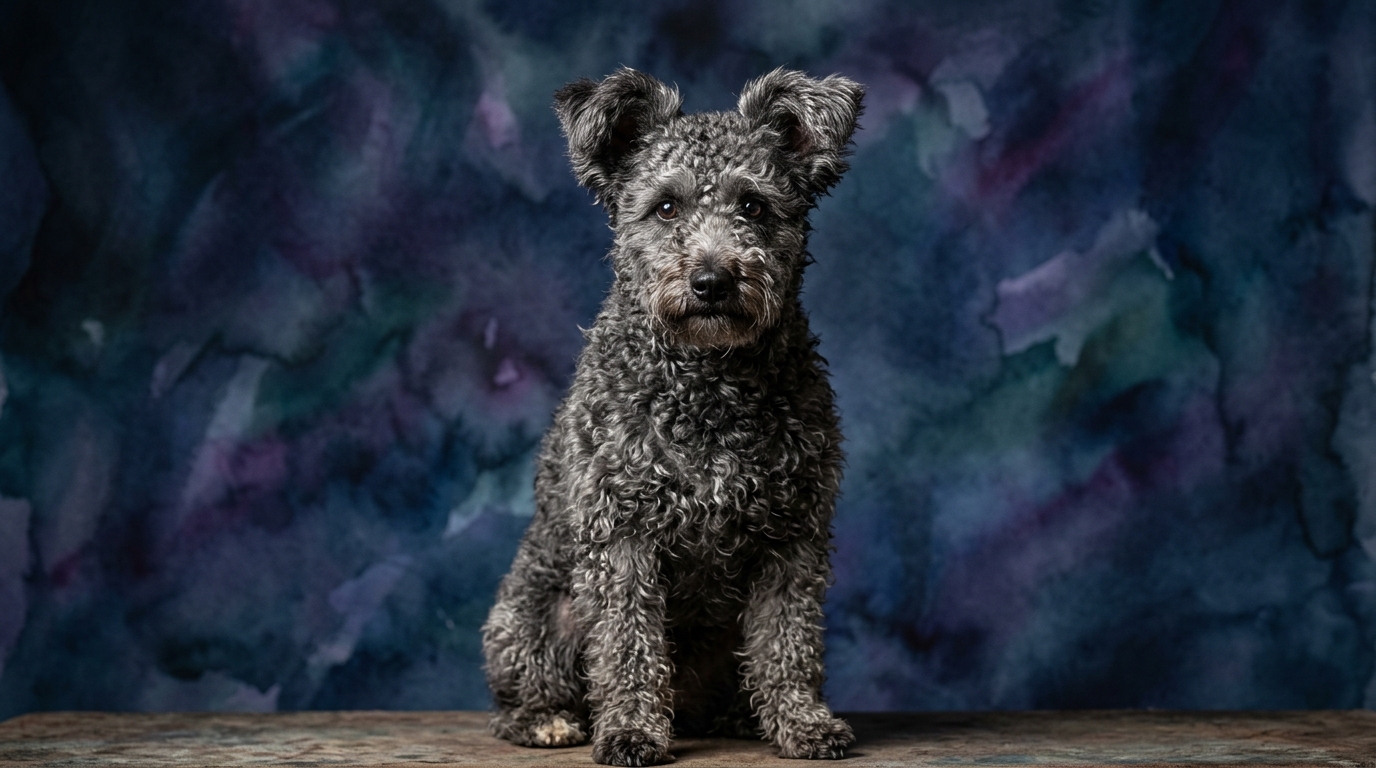
The Pumi, a dog from the Herding group, registers a balanced profile across the board: Problem Solving 3/5, Training Speed 3/5, Social Intelligence 3/5, Instinctive Drive 3/5, and Memory 3/5. This indicates a capable and steady cognitive approach. Pumis approach novel situations with a thoughtful, often independent, trial-and-error strategy, learning new commands with steady progress. Their social interactions are discerning, forming deep bonds within their trusted circle while maintaining a watchful awareness. Their instinctive drive is rooted in a moderate but distinct herding impulse, manifesting as a desire to manage their environment, and they retain learned behaviors and experiences reliably over time, benefiting from regular practice.
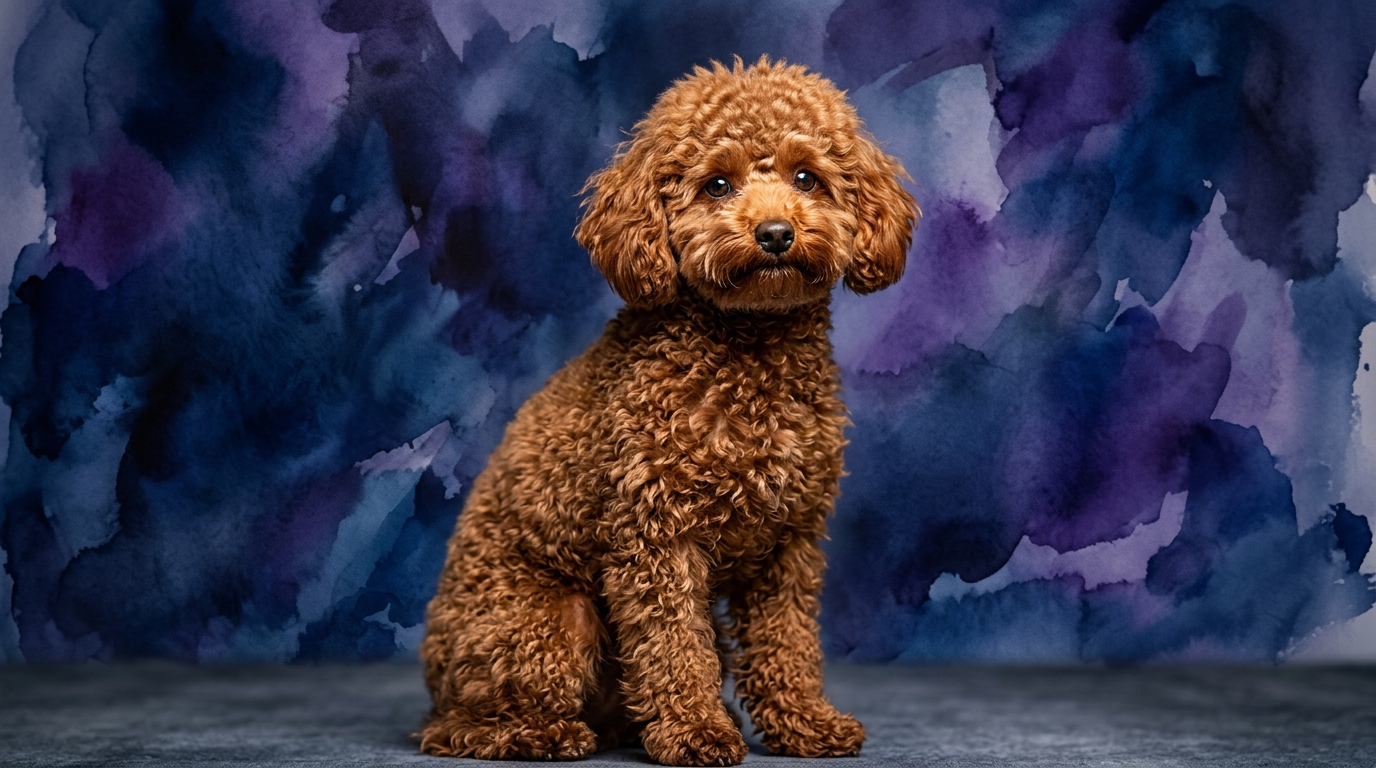
In contrast, the Toy Poodle, a member of the Toy group with a rich working heritage, showcases a profile that leans heavily into specific cognitive strengths. It achieves Problem Solving 5/5, Training Speed 5/5, Social Intelligence 3/5, Instinctive Drive 3/5, and Memory 5/5. These scores highlight an exceptional capacity for analytical thought and rapid acquisition of knowledge. Toy Poodles exhibit outstanding recall for a vast repertoire of commands and routines, capable of remembering intricate sequences and past interactions with accuracy. Their social intelligence, while rated similarly to the Pumi, often translates into an acute understanding of human emotions and intentions, fostering strong companion bonds. Their instinctive drive, rated 3/5, often manifests as an interest in retrieving games, echoing their larger Poodle ancestors' waterfowl retrieving roles.
Where the Pumi's Cognitive Profile Shines
While the Pumi's scores of 3/5 across all dimensions might seem moderate, they collectively point to a robust, self-reliant, and adaptable cognitive style that excels in specific contexts. The Pumi's problem-solving, rated 3/5, is not about speed but about practical, real-world application. Originating as a versatile farm dog responsible for herding and guarding, the Pumi developed an ability to make independent decisions in dynamic, often unpredictable environments. This means they are less likely to wait for explicit instructions and more inclined to assess situations and act on their own initiative, a critical trait for a working herder.
The Pumi's social intelligence at 3/5, coupled with its instinctive drive at 3/5, shapes a discerning and dedicated companion. They are attuned to the nuances of their human companions within their trusted circle, but their loyalty is often expressed through a watchful, protective demeanor rather than an eagerness to please every stranger. This means a Pumi's understanding of human cues is profound within its family unit, fostering a deep, reciprocal relationship built on mutual respect and a shared sense of purpose. This blend of independence and loyalty makes the Pumi a uniquely engaging partner for owners who appreciate a dog with a strong, self-possessed character.
The Toy Poodle's Distinct Cognitive Advantages
The Toy Poodle's cognitive profile, marked by 5/5 in Problem Solving, Training Speed, and Memory, positions it as a breed with exceptional mental agility. Their problem-solving prowess means they quickly decipher complex puzzles, learn intricate tricks, and navigate novel situations with remarkable ease. This isn't just about following commands; it's about understanding underlying concepts and applying that understanding to new challenges. This analytical capacity allows them to excel in activities requiring strategic thought and rapid adaptation.
Furthermore, the Toy Poodle's outstanding Training Speed and Memory work in tandem to create a dog that absorbs information at an accelerated pace and retains it with impressive accuracy. They often require minimal repetitions to master new commands or behaviors, making them highly responsive to instruction. This acute memory retention means that once a concept is learned, it is rarely forgotten, contributing to their reputation for reliability and consistency. Owners often find that teaching a Toy Poodle a new skill is a rewarding and relatively swift process, as their eager minds are always ready for the next mental challenge.
Training Dynamics: Pumi vs. Toy Poodle
When it comes to ease of training, the Toy Poodle generally presents a smoother and faster learning curve compared to the Pumi. The Toy Poodle's 5/5 Training Speed and Problem Solving scores mean they grasp new concepts with remarkable alacrity, often anticipating what is expected of them and responding with enthusiasm. They thrive on mental engagement and are highly motivated by positive reinforcement, making the training process feel less like work and more like an engaging collaboration. Their biddability and strong desire to please, combined with their capacity for complex learning, allow them to quickly master a wide repertoire of commands and tricks.
The Pumi, with its 3/5 Training Speed, requires a more consistent and patient approach. Their herding background instills a degree of independence and a drive to think for themselves, which can sometimes translate into a need for more convincing during training. While they are capable learners, they may not absorb information as quickly as a Toy Poodle, necessitating more repetitions and varied training methods to solidify behaviors. Owners of Pumis often find success by framing training as a partnership, appealing to the dog's innate desire for purpose and engaging their problem-solving skills in practical, real-world scenarios rather than rote memorization.
Matching Cognitive Profiles to Lifestyles
The cognitive differences between the Pumi and the Toy Poodle significantly influence which breed is better suited for active versus more relaxed owners. The Pumi, with its balanced 3/5 scores and herding heritage, thrives with active owners who can provide consistent mental and physical stimulation. Their instinctive drive, though moderate, means they benefit from structured activities like agility, herding trials, or advanced obedience that channel their problem-solving skills and desire to work. A Pumi needs a job or consistent engagement to prevent boredom, which can manifest as unwanted behaviors. They suit owners who enjoy spending considerable time training, exploring, and engaging their dog in purposeful activities.
The Toy Poodle, while certainly active and appreciative of exercise, offers more adaptability for a range of owner lifestyles due to its exceptional trainability and smaller size. Its 5/5 Problem Solving and Memory mean it can be mentally stimulated through puzzle toys, trick training, and dog sports even in a smaller living space. Owners who enjoy teaching intricate sequences, participating in rally obedience, or simply engaging in stimulating play sessions will find the Toy Poodle an eager and capable partner. While they benefit immensely from an active lifestyle, their biddability and quick learning curve also make them amenable to a slightly more relaxed pace, provided their minds are consistently engaged with novel challenges and opportunities for interaction.
The Verdict
Choose a Pumi if you are an active owner seeking an independent, discerning companion who thrives on purposeful engagement and enjoys a partnership built on mutual respect and consistent training. They excel with owners who appreciate a dog with a strong, self-possessed character and can provide outlets for their moderate herding instincts.
Opt for a Toy Poodle if you desire a highly trainable, mentally agile companion who excels at rapid learning, complex problem-solving, and retains information with remarkable accuracy. They are ideal for owners who enjoy teaching tricks, participating in dog sports, and appreciate a responsive, eager-to-please partner capable of adapting to various active lifestyles.
🧠 Find Your Pet's IQ Score
Our Pet IQ Lab assessment covers 25+ tests across 5 cognitive dimensions — personalized to your breed.
Take the Full IQ Test →Frequently Asked Questions
Is the Pumi truly less adaptable than the Toy Poodle?
The Pumi's independent nature and moderate herding drive mean they generally require more consistent structure and mental engagement to thrive, making them somewhat less adaptable to highly sedentary lifestyles. The Toy Poodle's exceptional trainability and biddability allow for greater flexibility across various active home environments, though they still need significant mental stimulation.
Which breed is better suited for competitive dog sports?
Both breeds can excel in dog sports, but the Toy Poodle often has an edge in disciplines requiring rapid learning, precision, and complex sequencing due to its 5/5 Training Speed and Problem Solving. The Pumi, with its herding background, is a formidable competitor in agility and herding trials, bringing a unique blend of athleticism and independent thought, though it may require more patience in initial training.
Do Toy Poodles have a strong prey drive?
While their instinctive drive is rated 3/5, Toy Poodles retain some of their larger Poodle ancestors' retrieving instincts, which can manifest as an interest in chasing small animals or toys. This is typically manageable with training and proper outlets, but it's a consideration for owners, especially if they have other small pets.