
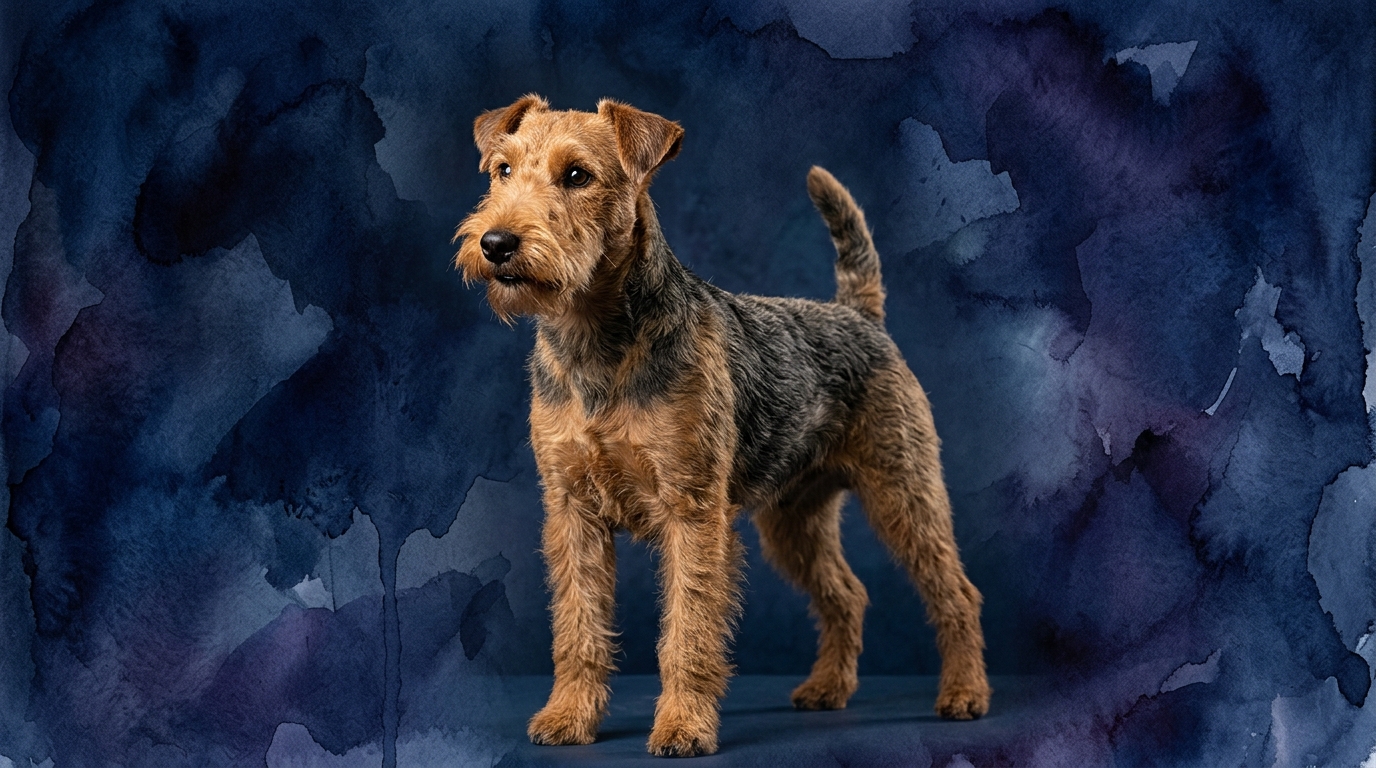
The Cosmic Pet Pet IQ Lab Profiles: A Side-by-Side Look
The Cosmic Pet Pet IQ Lab assesses canine intelligence across five key dimensions, and interestingly, both the Pumi and the Welsh Terrier register a score of 3/5 across the board. However, these identical numerical ratings belie a rich tapestry of cognitive differences rooted in their distinct breed purposes and evolutionary paths. For the Pumi, a Hungarian herding dog, their Problem Solving score of 3/5 often translates into an aptitude for spatial reasoning and understanding group dynamics, essential for managing livestock. Their Training Speed of 3/5 reflects a responsiveness to direction, learning complex sequences quickly when engaged in cooperative tasks. Social Intelligence at 3/5 means they are adept at reading handler cues and adapting their behavior within a structured family unit, while an Instinctive Drive of 3/5 manifests as a strong urge to gather and control, often expressed in playful 'herding' of family members. Their Memory, also 3/5, is typically strong for routines, commands, and the layout of their 'work' environment.
Conversely, the Welsh Terrier, bred for hunting vermin, exhibits its 3/5 scores in a distinctly terrier fashion. Their Problem Solving at 3/5 is often characterized by independent thought and a persistent, often creative, approach to overcoming physical obstacles or accessing desired objects, fueled by intense curiosity. A Training Speed of 3/5 indicates they are capable of learning new commands swiftly, yet their independent nature means consistent compliance may require more patience and varied motivational strategies. Social Intelligence at 3/5 often involves keen observation of human behavior, understanding how to manipulate situations to their advantage, and forming strong, often exclusive, bonds. Their Instinctive Drive of 3/5 is a powerful urge to chase, dig, and explore, driven by scent and prey drive. Finally, a Memory score of 3/5 for the Welsh Terrier typically means a strong recall for scent trails, locations of interesting things, and past experiences, both positive and negative, that inform their future actions.
Where the Pumi's Mind Shines Brighter
While both breeds share a 3/5 problem-solving rating, the Pumi's cognitive strengths lean towards cooperative and adaptive thinking, directly reflecting its herding heritage. A Pumi often excels at tasks requiring them to understand and respond to human direction, particularly in activities that mimic their ancestral role. They demonstrate a superior ability to anticipate movement patterns, whether it's livestock, other dogs, or even children, and subtly influence their direction. This isn't just about following orders; it's about interpreting nuanced cues and making intelligent, on-the-fly decisions within a collaborative framework. Their spatial awareness and capacity for strategic positioning are often more pronounced, allowing them to navigate complex environments with a clear objective of maintaining order or guiding. This specific manifestation of their 3/5 problem-solving capability makes them exceptional partners for activities like agility, obedience, and even therapeutic work where precise, responsive action is valued.
Unpacking the Welsh Terrier's Unique Cognitive Edge
The Welsh Terrier, though sharing the same 3/5 problem-solving score, showcases its cognitive prowess in a more self-reliant and tenacious manner. Their terrier background has cultivated a mind that thrives on independent exploration and overcoming challenges through sheer persistence. Where a Pumi might seek human guidance to solve a puzzle, a Welsh Terrier is more inclined to experiment, dig, or strategize on its own until a solution is found, often demonstrating remarkable ingenuity. This breed's 3/5 problem-solving ability is particularly evident in their determination to access perceived 'rewards,' whether it's a hidden toy or an interesting scent. They possess a keen environmental awareness and an ability to manipulate their surroundings, often learning through trial and error with an unwavering resolve. This distinct cognitive approach makes them formidable opponents in earthdog trials and engaging companions for those who appreciate a dog with a strong, self-directed will and a knack for figuring things out independently.
Training Dynamics: Pumi's Eagerness vs. Welsh Terrier's Tenacity
When it comes to training, the identical 3/5 Training Speed scores for both breeds manifest in markedly different ways due to their inherent temperaments and motivations. The Pumi, with its herding background, generally approaches training with an eagerness to please its handler and a desire to work cooperatively. They tend to respond well to positive reinforcement and clear, consistent instruction, often picking up new commands and routines with surprising alacrity. Their intelligence is channeled into understanding and executing tasks as part of a team, making them highly trainable for sports like agility, flyball, or advanced obedience. Their herding drive, if properly channeled, provides a strong internal motivation for engagement and focus, allowing their 3/5 training speed to shine through in quick, precise learning.
The Welsh Terrier, despite also scoring 3/5 in Training Speed, presents a different set of dynamics. While capable of learning rapidly, their strong independent streak and inherent terrier tenacity mean that training often requires more creativity, patience, and a deep understanding of their motivations. A Welsh Terrier might learn a command quickly but then choose whether or not to comply based on their current interest or perceived value of the task. Distractions, particularly scents or movement, can easily divert their attention, demanding a handler who can make training incredibly engaging and rewarding. Their 3/5 training speed means they possess the cognitive capacity to learn, but their willingness to consistently apply that learning often hinges on a strong, trusting relationship and training methods that appeal to their playful, sometimes mischievous, nature. Consistency is paramount, but so is making training feel like a fun game rather than a chore imposed upon them.
Tailoring Companionship: Active and Engaged Owners
Neither the Pumi nor the Welsh Terrier is suited for a truly 'relaxed' owner in the sense of a low-energy companion, as both breeds possess vibrant cognitive profiles and substantial physical needs. However, the *nature* of the engagement they require differs significantly. A Pumi thrives with an owner who enjoys structured activities, consistent routines, and opportunities for collaborative work. Their herding intelligence means they are happiest when given a 'job' to do, whether it's participating in dog sports, learning complex tricks, or simply being involved in daily household tasks. Owners who appreciate a responsive, engaged partner who enjoys mental challenges and consistent interaction will find the Pumi to be an incredibly rewarding companion. Their cognitive fulfillment comes from working alongside their human, receiving direction, and contributing to the family unit.
The Welsh Terrier, while also demanding an active and engaged owner, will flourish with someone who appreciates their independent spirit and can channel their intense terrier drives constructively. They need vigorous daily exercise that allows for exploration, sniffing, and vigorous play. Their problem-solving abilities and instinctive drives mean they benefit from activities that allow them to use their nose, chase (safely), and think for themselves, such as scent work, earthdog trials, or challenging puzzle toys. Owners who enjoy a dog with a strong personality, a playful and sometimes cunning mind, and who are prepared for a dog that might occasionally follow its own agenda will find the Welsh Terrier to be an endlessly entertaining and loyal companion. Their cognitive satisfaction stems from self-directed challenges and opportunities to express their natural instincts within appropriate boundaries.
Beyond the Scores: Understanding Their Cognitive Worlds
While the numerical IQ scores of 3/5 for both the Pumi and Welsh Terrier might suggest parity, it's crucial to look beyond the digits and appreciate how their intelligence is wired to serve their historical purposes. The Pumi's cognitive world is one of order, cooperation, and responsiveness to cues. Their intelligence is geared towards understanding patterns, managing groups, and working in partnership with a human handler. This makes them highly adaptable to varied tasks when given clear direction, and they often find immense satisfaction in fulfilling a perceived role within their family 'flock.' Their social intelligence allows them to be highly attuned to human emotions and intentions, fostering a deep, symbiotic bond built on mutual understanding and shared objectives.
The Welsh Terrier's cognitive world, in contrast, is one of independent action, persistent pursuit, and resourceful problem-solving. Their intelligence is focused on navigating their environment, overcoming obstacles to reach a goal, and employing cunning to achieve their desires. This breed's social intelligence often manifests as a keen ability to 'read' people for opportunities or weaknesses, making them adept at getting their way, albeit charmingly. Their strong memory for experiences means they learn quickly from both successes and failures, constantly refining their strategies. Understanding these fundamental differences in how their 3/5 intelligence operates is key to providing either breed with the enrichment and companionship that truly resonates with their unique cognitive makeup.
The Verdict
Opt for a Pumi if you seek a cooperative partner for structured activities, someone who thrives on learning routines and enjoys working alongside you, channeling their herding instincts into a family-oriented role.
Select a Welsh Terrier if you admire a dog with independent spirit, a persistent problem-solver who enjoys exploring and engaging in vigorous, often self-directed, play, and can appreciate a strong-willed but loyal companion.
🧠 Find Your Pet's IQ Score
Our Pet IQ Lab assessment covers 25+ tests across 5 cognitive dimensions — personalized to your breed.
Take the Full IQ Test →Frequently Asked Questions
Are Pumis good with children?
Pumis, with their herding instincts, often enjoy 'managing' children playfully, but supervision is crucial to ensure gentle interactions, as their exuberance can sometimes be overwhelming for very young kids.
Do Welsh Terriers bark a lot?
Welsh Terriers are known for their vocal nature, often using barks to alert, express excitement, or demand attention, a trait stemming from their historical role in flushing out prey.
How much exercise does a Pumi need?
Pumis require substantial daily exercise, including vigorous play and mental stimulation through training or dog sports, to satisfy their active minds and bodies.