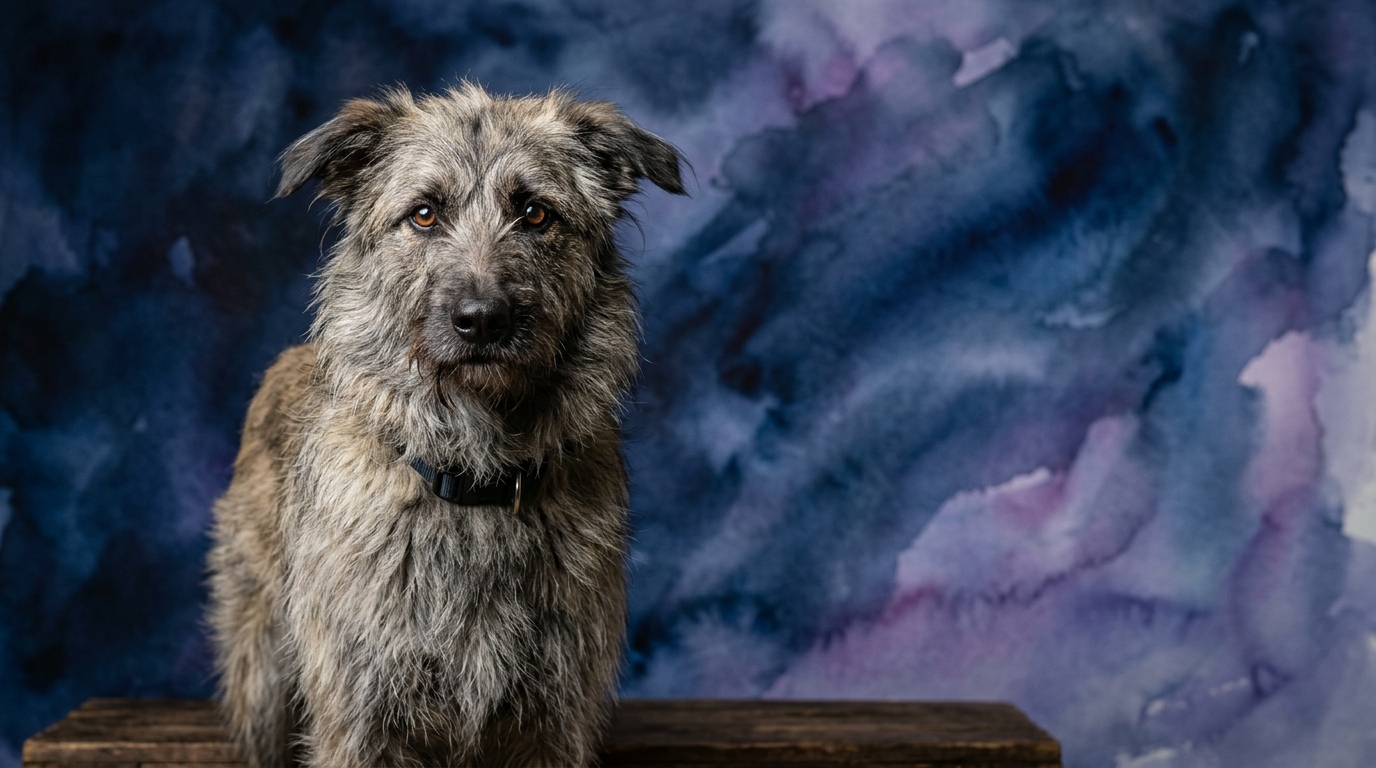
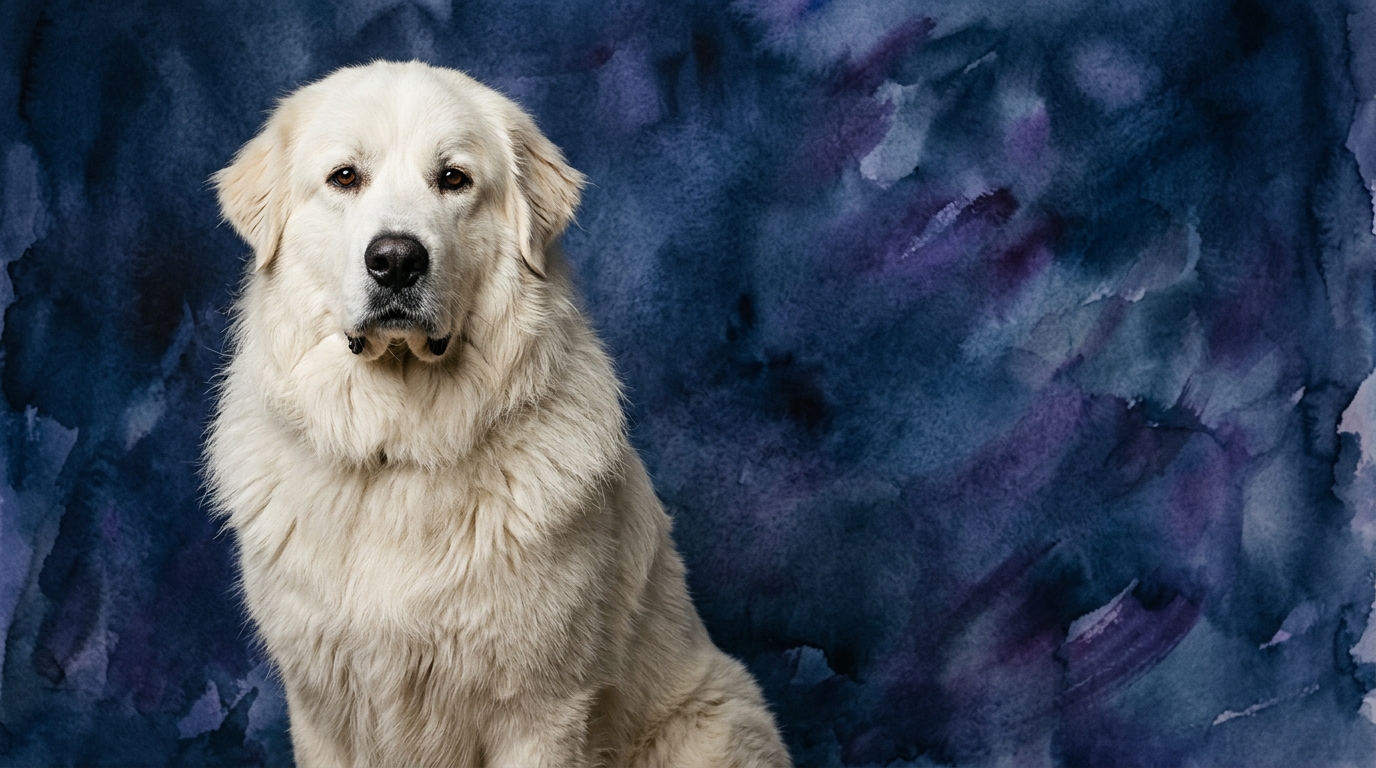
Side-by-Side IQ Profile: Herding Agility vs. Guardian Vigilance
For Problem Solving (3/5), the Pyrenean Shepherd demonstrates agile, real-time tactical thinking essential for dynamic flock control, making quick assessments and adjustments in unpredictable environments. The Great Pyrenees, also at 3/5, applies its problem-solving to independent judgment in territory protection, assessing threats and deciding on measured, consistent actions often without direct human instruction.
Both breeds score 3/5 for Training Speed, indicating a moderate pace of learning new commands. However, the Pyrenean Shepherd thrives on engaging, varied sessions that leverage its keenness, while the Great Pyrenees’ independence and guarding instincts mean it learns at its own deliberate pace, requiring immense patience and consistent motivation. Social Intelligence (3/5) in the Pyrenean Shepherd reflects an ability to read subtle cues from handlers and flock, anticipating movements and intentions crucial for effective herding. For the Great Pyrenees, this 3/5 score manifests as a deep understanding of its family unit and astute discernment towards strangers, acting as a steadfast protector who interprets human emotions.
Their Instinctive Drive (3/5) is fundamentally different: the Pyrenean Shepherd possesses a powerful herding impulse to gather and control, requiring outlets for this energy. The Great Pyrenees has a profound, unwavering drive for guardianship, guiding its vigilance and independent nature. Finally, both breeds share a 3/5 in Memory, allowing the Pyrenean Shepherd to retain complex herding patterns and commands, and the Great Pyrenees to recall territory boundaries, familiar faces, and past encounters for consistent protective actions.
It's important to note the distinction between the Cosmic Pet Pet IQ Lab scores, which assess specific cognitive dimensions, and the Coren ranking, which primarily measures obedience and working intelligence in a more traditional sense. The Great Pyrenees’ Coren rank of #64 indicates a moderate capacity for learning and performing obedience commands compared to many other breeds. The Pyrenean Shepherd, being "Not Coren-ranked," does not imply a lack of cognitive ability but rather suggests a breed whose specific working style and independent thinking might not align neatly with the metrics of traditional obedience trials, or that it has not been as widely evaluated in that specific context. Their intelligence, as reflected by the Pet IQ Lab, is more about how they apply their minds to their specialized tasks rather than rote memorization of commands.
Where the Pyrenean Shepherd Wins Cognitively
The Pyrenean Shepherd, despite sharing similar raw cognitive scores, truly shines in situations demanding rapid, fluid adaptation and dynamic problem-solving. Their herding heritage has honed a cognitive agility that allows them to process multiple incoming stimuli simultaneously – the movement of livestock, the terrain, handler commands, and environmental changes – and formulate an immediate, effective response. This isn't just about speed, but about the quality of their on-the-spot assessments and the creative application of their skills to maintain control and order in unpredictable environments. Their ability to anticipate and react within fractions of a second, often adjusting their approach mid-action, gives them a distinct cognitive edge in scenarios requiring quick, independent tactical decisions. They excel at thinking on their feet, making them adept at navigating complex, rapidly evolving challenges where a pre-programmed response simply won't suffice.
Where the Great Pyrenees Wins Cognitively
Conversely, the Great Pyrenees demonstrates superior cognitive strengths in areas requiring unwavering vigilance, independent judgment over extended periods, and a profound, steady discernment. Their problem-solving prowess is less about immediate, physical manipulation and more about sustained, strategic assessment of their environment. They excel at identifying subtle shifts in patterns, distinguishing between routine occurrences and genuine threats, and making calculated, often solitary, decisions about when and how to intervene. This steadfastness in purpose, coupled with a keen memory for their territory and its inhabitants, allows them to maintain a consistent protective presence. Their social intelligence is geared towards a deep, intuitive understanding of their family and an equally strong ability to evaluate the intentions of outsiders, making them unmatched in their capacity for thoughtful, persistent guardianship. Their cognitive strengths lie in their ability to remain calm, observant, and make weighty decisions autonomously, embodying a silent, enduring intelligence.
Which is Easier to Train and Why
When considering ease of training, the Pyrenean Shepherd and Great Pyrenees present different challenges, even with identical 3/5 scores in training speed. The Pyrenean Shepherd, while sensitive and eager to please its handler, often possesses an independent streak and a strong working drive that can make traditional obedience training a nuanced endeavor. Their intelligence is geared towards partnership in a task, not necessarily rote submission. They respond best to engaging, varied training methods that tap into their problem-solving abilities and keep their keen minds stimulated. If training becomes repetitive or lacks purpose, their attention can wane, or they might offer their own, sometimes unexpected, solutions. Their "Not Coren-ranked" status suggests they are less likely to be compliant with standard obedience protocols compared to breeds specifically bred for that type of work, requiring a trainer who understands their specific motivators and independent spirit.
The Great Pyrenees, with its Coren rank of #64, is considered moderately trainable in traditional obedience. However, their inherent independence and primary directive as guardians mean they will always prioritize their perceived duty over arbitrary commands. They learn at a moderate pace (3/5 training speed), but their motivation stems from a desire to fulfill their role, not necessarily to please a handler in every instance. Training a Great Pyrenees requires immense patience, consistency, and a deep understanding of their breed purpose. They are not quick to respond to harsh methods and can become stubborn if they don't perceive the value in a command. Their independence means they are capable of making their own decisions, which can be interpreted as difficulty in training for those expecting instant, eager compliance. Therefore, while both require thoughtful training approaches, the Pyrenean Shepherd might be easier to motivate with engaging work, whereas the Great Pyrenees requires a trainer who respects their self-reliant nature and works *with* their guarding instincts.
Which Suits Active Owners vs. Relaxed Owners
The Pyrenean Shepherd is undoubtedly a match for active owners. Their herding background imbues them with substantial energy levels and an acute need for mental and physical engagement. These dogs thrive when given a job to do, whether it's participating in dog sports like agility, herding trials, or engaging in long, vigorous hikes and runs. They are often described as "big dogs in a small package" due to their tireless nature and demand for interaction. Owners who can provide consistent, stimulating activities, plenty of outdoor exploration, and an outlet for their problem-solving instincts will find the Pyrenean Shepherd a rewarding companion. A relaxed owner, unable to meet these needs, would likely find themselves with a bored, potentially destructive, and certainly restless dog.
In contrast, the Great Pyrenees can be a surprisingly good fit for owners who appreciate a more relaxed, yet vigilant, presence. While they require ample space and regular, moderate exercise to maintain health, their energy profile is less about frantic activity and more about sustained observation and patrolling. They are content to survey their domain, often appearing calm and serene, though always alert. Long, leashed walks, a securely fenced yard for independent exploration, and a comfortable spot to supervise their surroundings are usually sufficient for their physical needs. Their cognitive engagement comes from their guardianship role, not necessarily from constant physical exertion. Therefore, while not a couch potato, a Great Pyrenean is better suited for an owner who enjoys a tranquil home life but understands the need for a large, independent dog to have its space and purpose, making them a better choice for those who might not be able to commit to high-intensity daily activities.
The Verdict
Choose the Pyrenean Shepherd if you are an active, experienced owner eager to engage a keen, agile mind in dynamic activities like dog sports or dedicated work, valuing a sensitive and highly responsive partner.
Choose the Great Pyrenees if you seek a steadfast, independent guardian with a calm demeanor, requiring moderate exercise but offering unwavering vigilance and a profound, quiet companionship.
🧠 Find Your Pet's IQ Score
Our Pet IQ Lab assessment covers 25+ tests across 5 cognitive dimensions — personalized to your breed.
Take the Full IQ Test →Frequently Asked Questions
Do Pyrenean Shepherds and Great Pyrenees require different training methods despite similar training speed scores?
Yes, their inherent breed purposes dictate different training approaches. Pyrenean Shepherds respond well to engaging, varied tasks that tap into their keen problem-solving, while Great Pyrenees require patient, consistent training that respects their independent guarding nature, often needing to understand the "why" behind a command.
How do their social intelligence scores of 3/5 manifest differently in a family setting?
The Pyrenean Shepherd's social intelligence often translates to a deep bond and responsiveness to their immediate family, showing a keen awareness of their moods and intentions. The Great Pyrenees uses its social intelligence for discerning family members from strangers, offering steadfast protection and a calm, watchful presence within the home.
Given both breeds score 3/5 in instinctive drive, how does this impact their daily lives?
For the Pyrenean Shepherd, their instinctive drive is a strong urge to herd, requiring outlets like dog sports or supervised work to prevent redirecting this energy. The Great Pyrenees' drive is for guardianship, manifesting as a constant, watchful vigilance over their territory and family, influencing their calm yet alert demeanor.