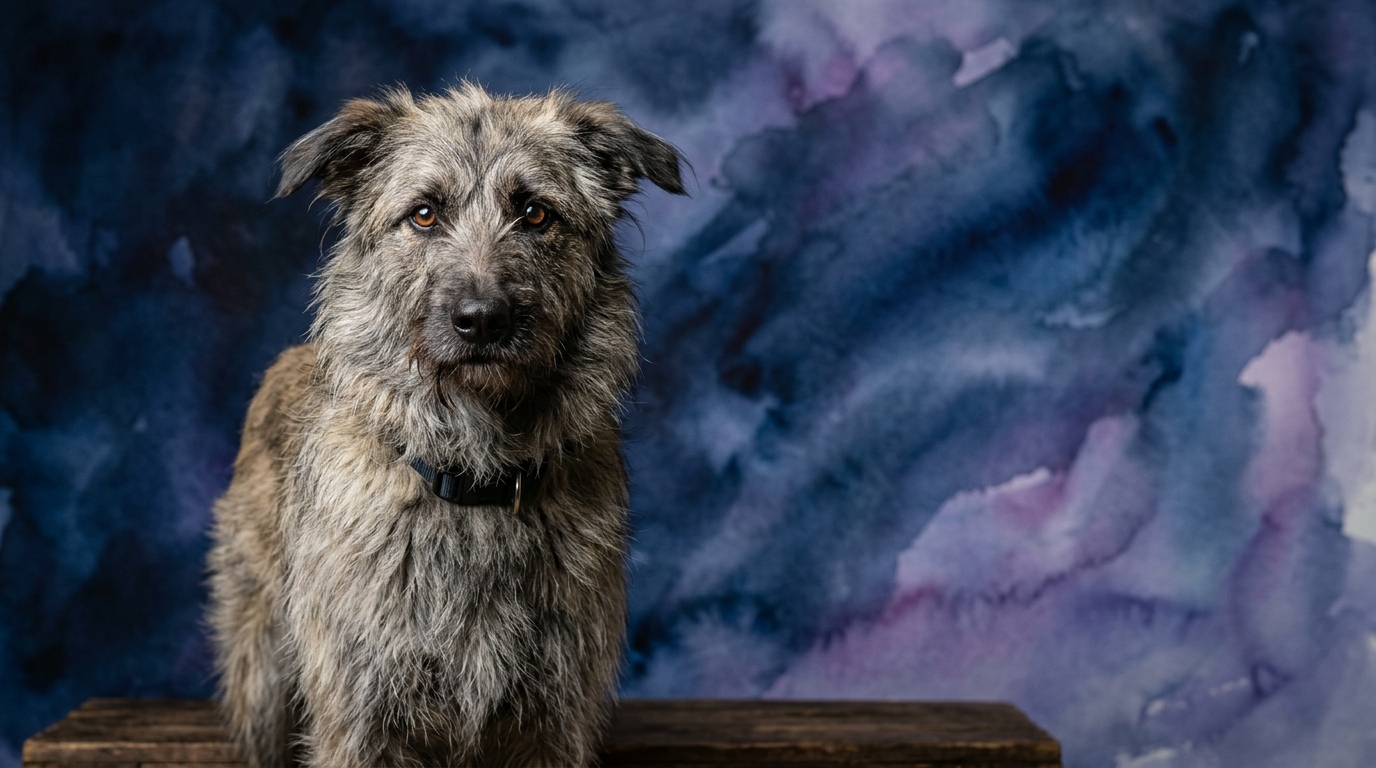
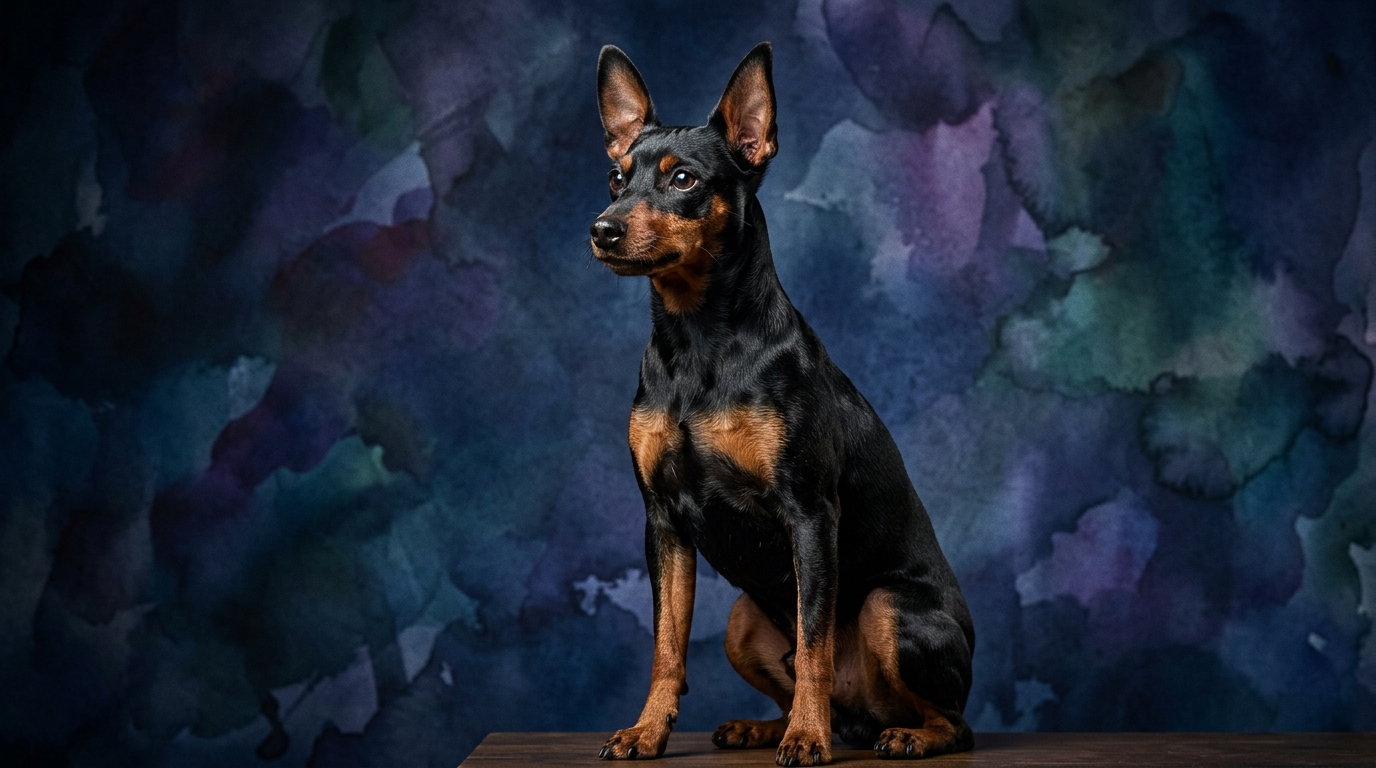
Side-by-Side IQ Profile: Herding Instinct vs. Domestic Cleverness
The Cosmic Pet Pet IQ Lab assesses canine intelligence across five key dimensions, providing a granular view of a breed's cognitive strengths. For both the Pyrenean Shepherd and the Miniature Pinscher, all five dimensions register a 3/5 score. However, these identical numerical values manifest in distinctly different ways, shaped by their ancestral roles and inherent temperaments.
For the **Pyrenean Shepherd**, a Herding breed, their **Problem Solving (3/5)** reflects a practical intelligence, geared towards navigating complex environments and managing livestock. They excel at figuring out how to move animals efficiently, identify escape routes, or adapt to changing terrain, often requiring independent decision-making in the field. Their **Training Speed (3/5)** indicates they are attentive learners, absorbing commands with a moderate number of repetitions, especially when tasks provide a sense of purpose. **Social Intelligence (3/5)** in a Pyrenean Shepherd means a nuanced understanding of their human handlers and flock, interpreting subtle cues and moods to form deep, perceptive bonds. Their **Instinctive Drive (3/5)** is strongly herding-oriented, manifesting as a persistent desire to gather, control, and protect, fueling their energy for purposeful activity. Finally, their **Memory (3/5)** ensures they retain learned behaviors, complex sequences of commands, and the layout of familiar territories effectively, aiding consistent task performance.
The **Miniature Pinscher**, a Toy breed, interprets the same scores through a different lens. Their **Problem Solving (3/5)** indicates a sharp, often cunning, domestic intelligence. They are adept at figuring out how to access forbidden treats, manipulate household routines for their benefit, or navigate indoor obstacles, demonstrating a cleverness focused on their immediate comfort and desires. Their **Training Speed (3/5)** shows they can learn quickly, but their independent and sometimes stubborn nature means consistency and high-value rewards are crucial for successful retention, as they might understand a cue but choose to comply only if sufficiently motivated. **Social Intelligence (3/5)** for a Min Pin means they are highly observant of human behavior and emotions, often using this insight to secure attention or avoid undesirable situations, forming strong attachments to their primary family. Their **Instinctive Drive (3/5)** is characterized by a tenacious prey instinct, robust territoriality, and a self-assured demeanor, fueling their energetic pursuit and vigilant guarding. Their **Memory (3/5)** is solid for routines, house rules (and how to creatively bypass them), and the locations of favored items or people, influencing their future responses.
Where the Pyrenean Shepherd Wins Cognitively
The Pyrenean Shepherd's cognitive strengths shine particularly in environments demanding sustained focus and practical application of skills within a task-oriented framework. Their Problem Solving (3/5) is less about domestic mischief and more about environmental mastery; they excel at evaluating dynamic situations, like a moving flock or a shifting landscape, and formulating effective responses. This is a breed designed to make decisions quickly and independently in complex, outdoor scenarios, showcasing a proactive rather than reactive approach to challenges. Their Instinctive Drive (3/5), deeply rooted in herding, translates into an unwavering resolve to complete tasks, even when faced with distractions or difficulties, imbuing them with a persistent work ethic. This persistence, combined with their Memory (3/5) for learned sequences and patterns, gives them an edge in activities requiring structured, multi-step execution, such as advanced obedience or agility courses where precision and recall are paramount. They demonstrate a cognitive endurance, methodically working through problems over time rather than seeking immediate gratification, showcasing a deep-seated mental stamina for purpose-driven activity.
Where the Miniature Pinscher Wins Cognitively
Conversely, the Miniature Pinscher’s cognitive prowess lies in their sharp, often opportunistic, adaptation to their immediate social and domestic sphere. Their Problem Solving (3/5) is finely tuned to navigating human environments and social dynamics; they are adept at identifying weak points in household rules, figuring out how to access forbidden treats, or devising strategies to gain attention and resources, often with a mischievous flair. This breed's Social Intelligence (3/5) is particularly pronounced in their ability to read human moods and exploit them, making them masters of persuasion when they desire something. They might not be herding sheep, but they can certainly 'herd' their owners towards a desired outcome through clever communication and persistent demands. Their Instinctive Drive (3/5), while manifesting as a strong prey drive, also fuels a remarkable tenacity and assertiveness in their pursuit of goals, whether it's securing the best spot on the couch or convincing you it's treat time. This cognitive agility allows them to thrive in varied domestic situations, quickly understanding new routines and adapting their tactics to their advantage.
Which is Easier to Train and Why
Determining which breed is 'easier' to train requires understanding the nature of their 3/5 Training Speed. The Pyrenean Shepherd, with their strong Instinctive Drive (3/5) geared towards purpose and collaboration, often responds well to training that aligns with their working heritage. They tend to be eager to please a trusted handler and can absorb complex commands efficiently if the training is consistent and provides a clear job. Their Problem Solving (3/5) allows them to generalize learned behaviors to new situations, making them adaptable in applied settings. However, their sensitivity means harsh methods are counterproductive, and their independent herding judgment requires a handler who can earn their respect and trust. The Miniature Pinscher, while equally capable of learning at a 3/5 pace, presents a different training dynamic due to their independent streak and focus on self-interest. Their Social Intelligence (3/5) means they understand what you want, but their assertive Instinctive Drive (3/5) might lead them to weigh compliance against their own desires. Training a Min Pin requires exceptional consistency, positive reinforcement with high-value rewards, and a firm but fair approach to overcome their potential for stubbornness. Therefore, while both learn well, the Pyrenean Shepherd might appear 'easier' to train for tasks requiring cooperation and focus, whereas the Miniature Pinscher demands more strategic and motivational effort to harness their independent spirit and ensure compliance.
Suited for Active vs. Relaxed Owners
When considering lifestyle compatibility, the cognitive profiles of these breeds paint clear pictures. The Pyrenean Shepherd, with its Herding group classification and inherent Instinctive Drive (3/5) for purpose, thrives with active owners who can channel their energy and problem-solving abilities into structured activities. Owners who enjoy dog sports like agility, obedience, or even mock herding will find a highly engaged and mentally stimulated companion. Their need for both physical exertion and mental engagement means a relaxed owner who offers only minimal exercise and stimulation might find their Pyrenees inventing its own, potentially undesirable, 'jobs' or becoming restless. This breed requires an owner dedicated to providing outlets for their cognitive and physical drive. Conversely, the Miniature Pinscher's energetic nature, driven by its 3/5 Instinctive Drive for chasing and territoriality, also benefits from active engagement, but their needs are often more adaptable to varied routines. They can certainly keep up on hikes or participate in dog sports, but their Problem Solving (3/5) and Social Intelligence (3/5) also make them content with interactive play, puzzle toys, and being the center of attention in a bustling household. A relaxed owner who is willing to engage in regular, stimulating play sessions, provide consistent boundaries, and appreciate their bold personality can find a fulfilling relationship with a Min Pin, as their 'work' often involves monitoring their home domain and interacting with their family, rather than a demanding outdoor task.
The Verdict
Choose the Pyrenean Shepherd if you are an active, experienced owner seeking a collaborative partner for dog sports, working tasks, or extensive outdoor adventures, valuing their purposeful problem-solving and sensitive cooperation.
Opt for the Miniature Pinscher if you appreciate a bold, independent, and clever companion who excels at navigating domestic life with charm and cunning, and you are prepared to engage their sharp social intelligence and tenacious spirit with consistent, positive training.
🧠 Find Your Pet's IQ Score
Our Pet IQ Lab assessment covers 25+ tests across 5 cognitive dimensions — personalized to your breed.
Take the Full IQ Test →Frequently Asked Questions
Do Pyrenean Shepherds bark a lot?
Pyrenean Shepherds can be vocal, especially due to their herding instincts to alert and manage flocks. They may bark to signal perceived threats or to express their enthusiasm, requiring consistent training to manage this trait.
Are Miniature Pinschers good with children?
Miniature Pinschers can be good with older, respectful children who understand how to interact with a small, assertive dog. Their bold nature means they might not tolerate rough play and require supervision to ensure positive interactions.
What kind of mental stimulation do these breeds need?
Both breeds, despite their identical IQ scores, require significant mental stimulation. Pyrenean Shepherds benefit from complex tasks, training, and dog sports, while Miniature Pinschers thrive on interactive games, puzzle toys, and consistent engagement that challenges their cleverness and satisfies their assertive drives.