Side-by-Side Cognitive Profiles: Decoding Identical Scores
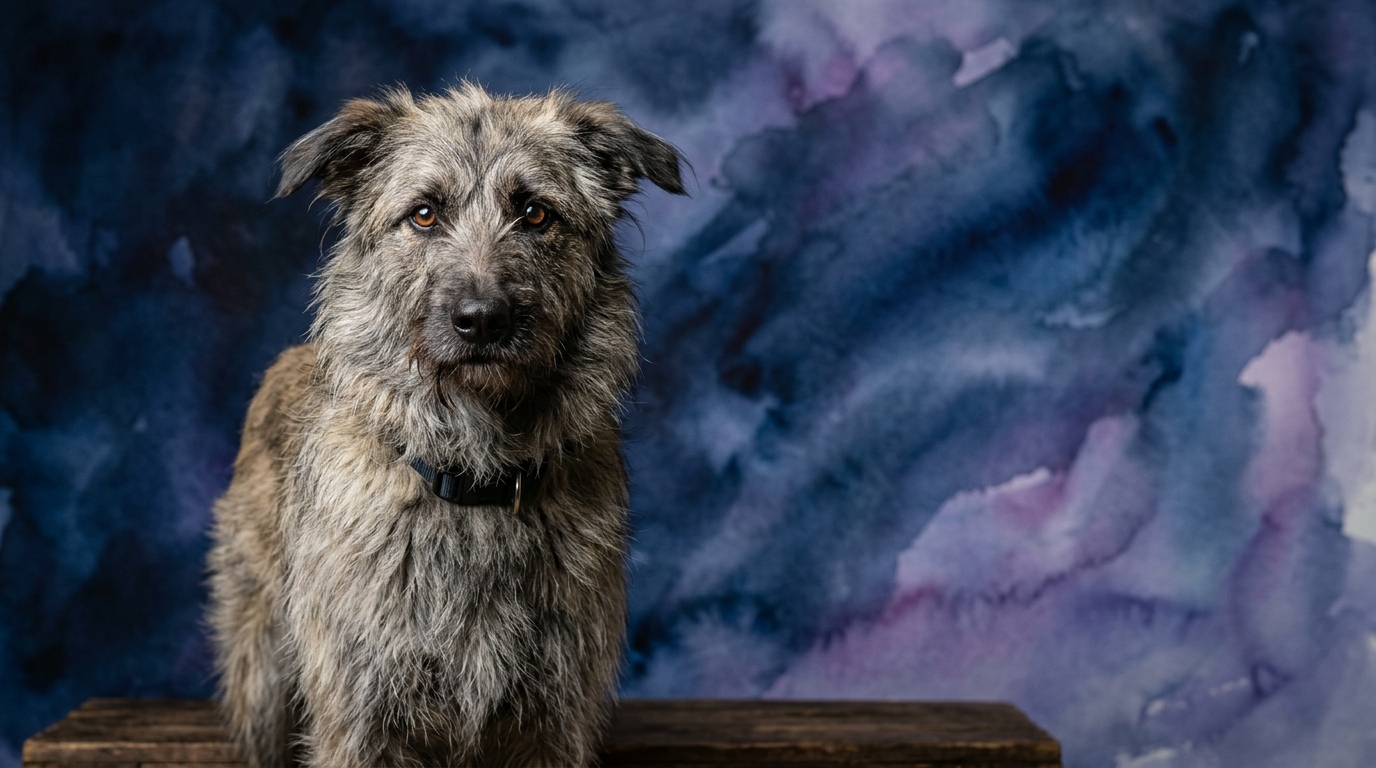
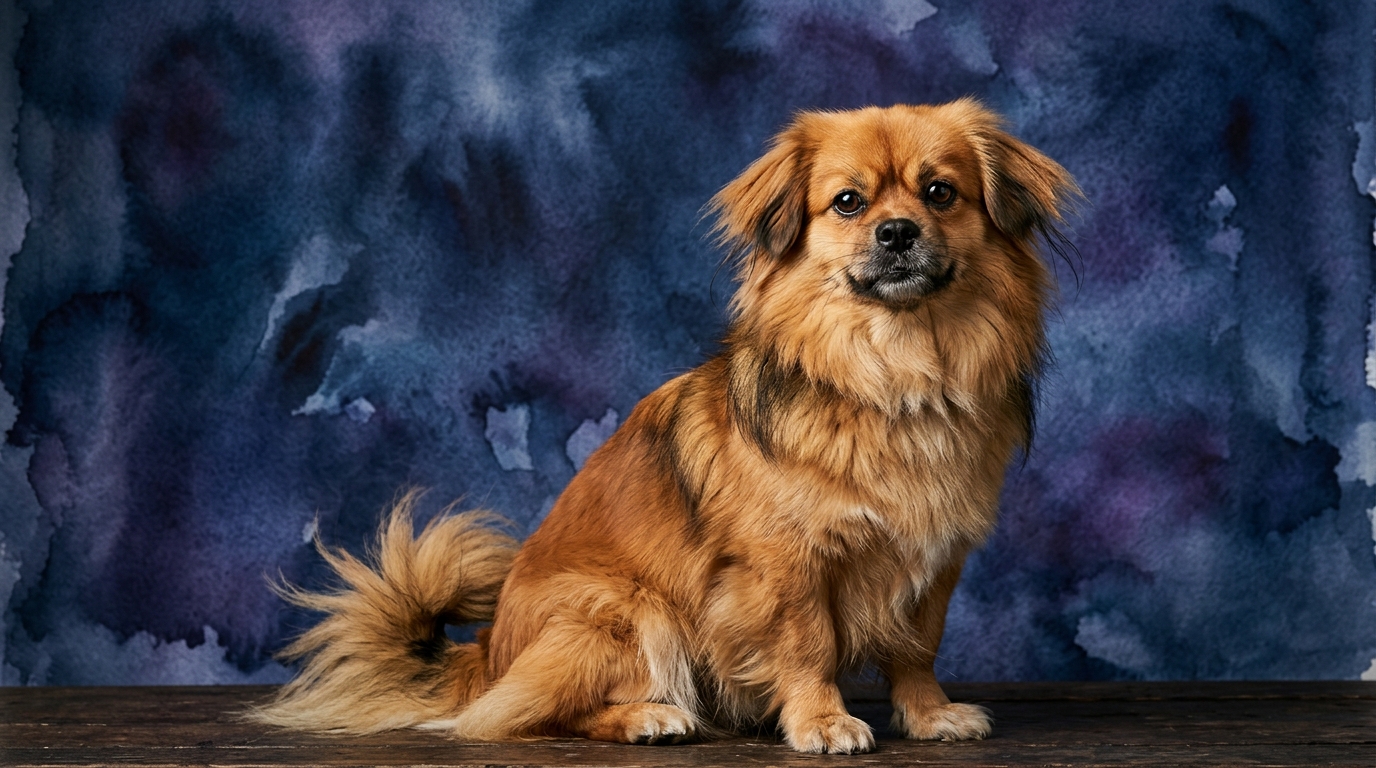
At first glance, the Pyrenean Shepherd and Tibetan Spaniel appear to share an identical cognitive blueprint, each scoring 3/5 across all five dimensions of our Pet IQ Lab assessment: Problem Solving, Training Speed, Social Intelligence, Instinctive Drive, and Memory. However, these identical scores do not signify identical minds; rather, they reflect similar *aptitude levels* applied to vastly different contexts and motivations inherent to their breed histories.
The **Pyrenean Shepherd**, a dog forged for herding in challenging mountain terrain, interprets a 3/5 in **Problem Solving** as the capacity for quick, practical solutions to dynamic environmental challenges, such as re-gathering a wayward sheep or navigating complex landscapes while maintaining flock cohesion. Their **Training Speed** at 3/5 reflects an eagerness to absorb commands and routines directly related to their work, though their independent spirit means they thrive on purpose-driven learning. Their **Social Intelligence** (3/5) is keenly directed towards their handler and flock dynamics, allowing them to read subtle cues and anticipate movement, often exhibiting a reserved nature with strangers. An **Instinctive Drive** of 3/5 is their robust herding impulse, a foundational motivator for their cognitive application. Finally, their **Memory** (3/5) is tuned to recalling complex routes, individual animal behaviors, and established working patterns.
The **Tibetan Spaniel**, traditionally a companion and vigilant watch-dog in monasteries, applies its 3/5 **Problem Solving** to navigating human environments and social dynamics. This might manifest as cleverly finding the most comfortable sunbeam, figuring out how to get attention, or discerning subtle household changes. Their 3/5 **Training Speed** indicates an ability to learn, but often with a thoughtful, independent streak; they may learn quickly if they perceive a benefit or if the training is engaging and positive, but are not inherently driven by a 'work' ethic. **Social Intelligence** at 3/5 for the Tibetan Spaniel means a deep attunement to their human family's moods and routines, often forming strong, perceptive bonds, while remaining watchful and sometimes aloof towards outsiders. Their 3/5 **Instinctive Drive** is rooted in companionship and alert guardianship, expressing itself through a strong desire to be near their people and a propensity to bark at perceived novelties. Their **Memory** (3/5) is excellent for remembering routines, preferred people, and the location of favored resting spots or treats, reinforcing their comfort-seeking and social navigation skills.
Where the Pyrenean Shepherd Excels Cognitively
The Pyrenean Shepherd's cognitive strengths lie in its exceptional ability for dynamic, real-time processing and decision-making within a complex, often unpredictable environment. Their 3/5 Problem Solving isn't about abstract puzzles, but about rapid analysis of shifting variables – the movement of livestock, changes in terrain, and subtle signals from a handler – and executing an immediate, effective response. This breed demonstrates a remarkable capacity for 'working memory' in action, constantly updating their mental map of the situation and adjusting their strategy on the fly to maintain control and achieve a specific outcome.
Furthermore, their instinctive drive to herd, when properly channeled, translates into a significant cognitive advantage in tasks requiring focus, endurance, and collaboration. They possess a mental stamina that allows them to remain engaged in demanding, multi-stage activities for extended periods. Their social intelligence, while selective, enables a profound partnership with a human handler in a task-oriented context, allowing for nuanced communication and a shared understanding of objectives that is crucial for effective teamwork in fields like herding or advanced dog sports. This breed truly shines when presented with opportunities to apply their quick wits and physical prowess to a meaningful, collaborative challenge.
Where the Tibetan Spaniel Excels Cognitively
The Tibetan Spaniel, in contrast, showcases cognitive strengths rooted in observational discernment and a keen understanding of social dynamics within their chosen family unit. Their 3/5 Problem Solving is often applied to subtle environmental cues and human behavior, allowing them to anticipate routines, understand emotional shifts in their people, and cleverly maneuver for comfort or attention. This breed possesses a nuanced 'social problem-solving' ability, figuring out how to best integrate themselves into the household and influence their human companions in a charming, often subtle way.
Their instinctive drive for companionship and watchfulness translates into an acute awareness of their surroundings, making them excellent, if vocal, sentinels. They are adept at noticing minute changes in sounds or sights, processing these stimuli, and deciding when to alert their family. This capacity for vigilance and environmental scanning is a distinct cognitive advantage, allowing them to serve their traditional role effectively. Their memory for routines and preferences further enhances their ability to navigate the social landscape of a home, making them perceptive and adaptable companions who understand the rhythms of their human world.
Training Dynamics: A Tale of Two Motivations
When considering ease of training, the Pyrenean Shepherd and Tibetan Spaniel present distinct experiences, despite their identical 3/5 Training Speed score. The Pyrenean Shepherd, with its strong instinctive drive and history as a working dog, typically learns commands quickly when they are presented as a purposeful task or challenge. They are eager to engage with a handler who provides clear direction and consistent, engaging methods, often thriving in structured environments like obedience or agility training. Their motivation stems from a desire to work and collaborate, making them responsive students when the training taps into their natural inclinations. However, their independent thinking means repetitive, meaningless drills might be met with disinterest or creative interpretations.
The Tibetan Spaniel, by contrast, approaches training with a more independent and discerning mindset. While capable of learning, their 3/5 Training Speed is often influenced by whether they perceive a command as beneficial, enjoyable, or simply worth their effort. They lack the inherent 'work ethic' of a herding breed, meaning a trainer must be patient, creative, and highly reliant on positive reinforcement to make learning a rewarding experience for the dog. They might learn a command quickly but choose not to execute it if it doesn't align with their current agenda. Their training requires understanding their companion-oriented nature and making the process feel like a shared, positive interaction rather than a directive.
Lifestyle Match: Active Partner vs. Perceptive Companion
The cognitive profiles of these two breeds naturally align with different owner lifestyles. The Pyrenean Shepherd, with its quick problem-solving, strong instinctive drive, and collaborative nature, is an ideal match for active owners who relish engaging in demanding physical and mental activities with their dog. This includes individuals or families involved in dog sports like agility, flyball, or herding trials, as well as those who enjoy extensive hiking, running, or providing a 'job' for their canine partner. They require consistent mental stimulation and physical outlets to thrive, making them unsuitable for a sedentary lifestyle where their cognitive energy would be underutilized and potentially lead to restless behaviors.
The Tibetan Spaniel, with its observational intelligence, strong social bonds, and watchful instincts, is better suited for relaxed owners who appreciate a perceptive and charming companion without the need for intense physical exertion. They are content with moderate daily walks, engaging playtime indoors, and ample time spent close to their human family. Owners who enjoy a dog that is attuned to household dynamics, provides alert guardianship, and thrives on intimate companionship will find the Tibetan Spaniel's cognitive make-up a perfect fit. They are excellent for those seeking a dog that is an integral part of daily life, offering quiet companionship and alert presence rather than demanding high-octane activities.
The Verdict
Choose the Pyrenean Shepherd if you seek an active, engaged partner for demanding activities, dog sports, or a working role, appreciating a dog with quick reactions and a strong drive to collaborate.
Choose the Tibetan Spaniel if you desire a perceptive, charming companion who offers alert watchfulness and thrives on close human interaction without requiring intense physical exertion.
🧠 Find Your Pet's IQ Score
Our Pet IQ Lab assessment covers 25+ tests across 5 cognitive dimensions — personalized to your breed.
Take the Full IQ Test →Frequently Asked Questions
Do identical IQ scores mean they are equally easy to live with?
No, identical scores indicate similar cognitive potential but their application and manifestation differ greatly. A Pyrenean Shepherd's problem-solving applies to herding, while a Tibetan Spaniel's applies to home life, leading to very different daily needs and behavioral expressions.
Can a Tibetan Spaniel be trained for complex tasks like a Pyrenean Shepherd?
A Tibetan Spaniel can certainly learn many commands and tricks, but their motivation differs; they generally lack the inherent drive for sustained, repetitive 'work' that defines a Pyrenean Shepherd, making task-oriented training more challenging without high motivation.
How does 'instinctive drive' manifest differently in these two breeds?
For the Pyrenean Shepherd, it's a powerful urge to herd and manage movement, requiring outlets like dog sports or specific tasks. For the Tibetan Spaniel, it's a deep-seated desire for companionship and vigilant observation, expressed through alert barking and close proximity to their chosen humans.