
Side-by-Side Cognitive Profiles
While both the Rat Terrier and the American Eskimo Dog register identical 3/5 scores across our five intelligence dimensions, understanding how these capacities manifest in each breed's specific context is key.
**Rat Terrier (Terrier Group):**
**Problem Solving (3/5):** This breed often exhibits clever ingenuity, particularly in practical challenges. Their vermin-hunting heritage cultivated quick strategy and adaptation, whether navigating obstacles or outsmarting quarry. They approach puzzles with persistent, hands-on exploration.
**Training Speed (3/5):** Rat Terriers pick up commands swiftly. They possess willingness but their independent terrier spirit means they excel with consistent, engaging methods leveraging natural drive, rather than solely rote repetition.
**Social Intelligence (3/5):** They form strong bonds, adept at reading human emotions and intentions within their family. They understand pack dynamics, often responding to household mood changes with presence or playful distraction.
**Instinctive Drive (3/5):** Their heritage is evident in pronounced prey drive, expressed through keen observation, digging, and chasing. This drive fuels energy and focus, requiring appropriate outlets.
**Memory (3/5):** They demonstrate reliable memory for commands, routines, and favorite toy locations. Recalling past experiences contributes to adaptive, consistent behavior.
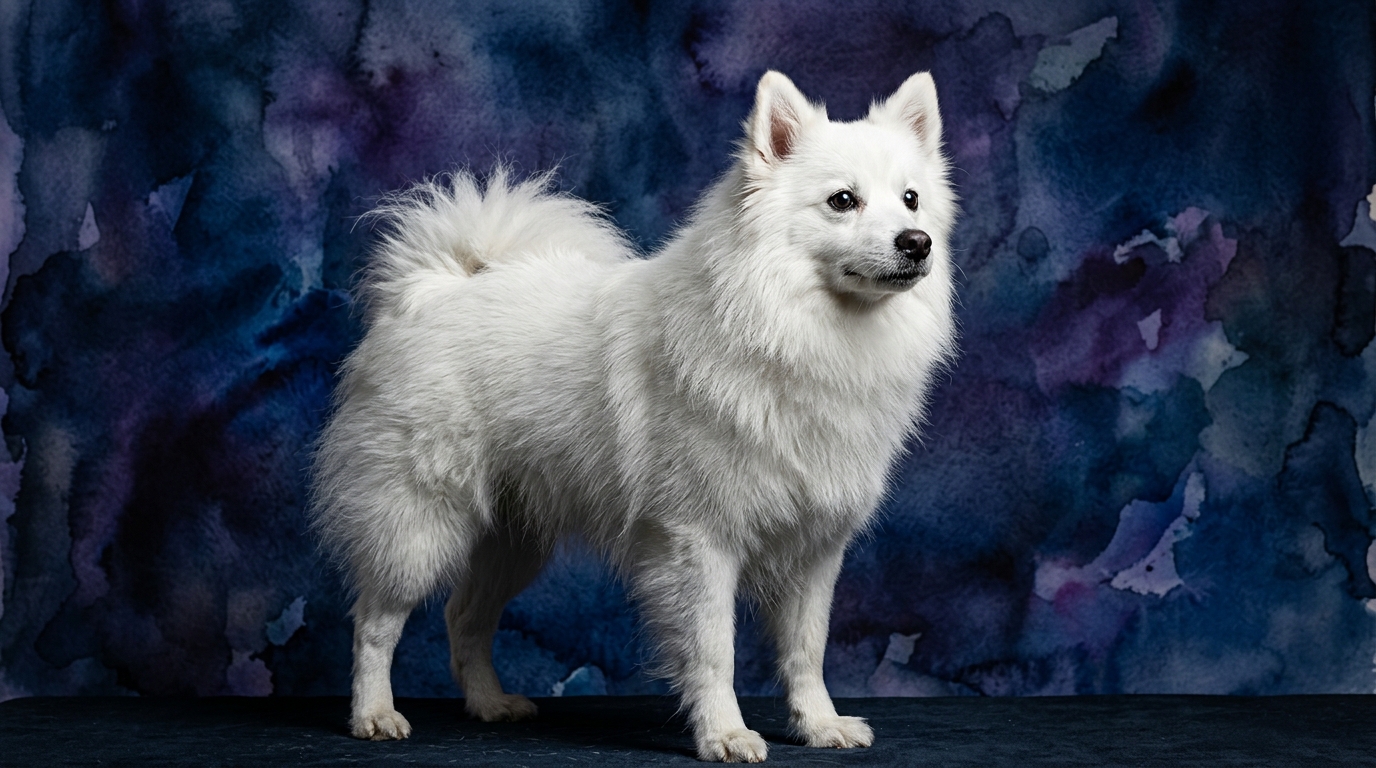
**American Eskimo Dog (Non-Sporting Group):**
**Problem Solving (3/5):** Eskies often display inventive problem-solving, especially for gaining attention or achieving desired social outcomes. They are adept at manipulating objects or sequences to access areas, driven by curiosity and interaction.
**Training Speed (3/5):** Generally eager to learn, Eskies respond well to positive reinforcement, picking up tricks quickly. Their desire to please contributes to trainability, though an independent streak might emerge if training lacks stimulation.
**Social Intelligence (3/5):** Highly attuned to humans, they display deep understanding of emotional states and social cues. They excel at communicating needs, forming strong attachments, and observing household dynamics, quick to alert or comfort.
**Instinctive Drive (3/5):** While not hunters, Eskies possess a strong watchful instinct, expressed through alert barking and protectiveness. Their companion role has honed a drive for interaction and involvement, sometimes needing constant engagement.
**Memory (3/5):** They possess solid memory for past training, familiar faces, and rules. They recall complex trick sequences and remember people/places, contributing to their reliability and adaptability.
Where the Rat Terrier Wins Cognitively
Despite identical scores, the Rat Terrier's cognitive strengths often manifest in independent action and environmental mastery. Their problem-solving (3/5) shines brightest in physical challenges; they are typically more inclined to manipulate objects or navigate complex terrains to achieve a goal. This stems from their tenacious vermin-hunting heritage, where quick, decisive action and resourcefulness in tight spaces were paramount. For example, a Rat Terrier might more readily figure out how to retrieve a toy stuck under furniture by pushing and pulling, or how to dig under a fence, demonstrating a persistent, hands-on approach. Their instinctive drive (3/5) translates into a focused determination, making them effective at tasks requiring sustained effort and self-directed activity, like agility or scent work where they independently track and locate.
Where the American Eskimo Dog Wins Cognitively
Conversely, the American Eskimo Dog’s cognitive edge often lies in social and communicative intelligence, despite sharing the same 3/5 rating. Their problem-solving (3/5) frequently revolves around human interaction; an Eskie might cleverly devise ways to gain attention, such as bringing a specific toy or performing a trick without prompting, demonstrating sophisticated social understanding. Their social intelligence (3/5) allows them to pick up on subtle human mood shifts or intentions with remarkable accuracy, often responding with empathy or initiating play. This breed's alertness and vocal nature, tied to their instinctive drive (3/5) as watchdogs, means they are often quicker to communicate about environmental changes or strangers, using complex vocalizations. They excel at understanding and responding to nuanced human social cues, making them highly intuitive companions.
Which Is Easier to Train and Why
Evaluating 'easier' to train, given identical 3/5 Training Speed, requires looking beyond raw capacity to behavioral predispositions. Both learn rapidly, but motivations differ. The Rat Terrier, with its independent terrier spirit and strong instinctive drive (3/5), learns quickly but might prioritize its own impulses if not consistently engaged. Their innate desire to chase or dig demands patient, firm, and creative training that leverages positive reinforcement. The American Eskimo Dog also learns quickly and desires to please, making them generally biddable. However, their high social intelligence (3/5) means they thrive on interaction, becoming bored or 'selectively deaf' if training lacks novelty. Their vocalization tendency (instinctive drive 3/5) also needs early management. An Eskie might seem 'easier' if an owner values social responsiveness; a Rat Terrier for an owner appreciating quick grasp of complex physical tasks, provided prey drive is effectively managed.
Matching Breeds to Lifestyles: Active vs. Relaxed Owners
When considering lifestyle, both breeds benefit from active engagement, though the *type* of activity differs. The Rat Terrier suits active owners enjoying dynamic outdoor adventures, dog sports like agility, and intricate puzzle toys. Their problem-solving (3/5) and instinctive drive (3/5) demand consistent mental and physical challenges to prevent boredom. A relaxed owner might find their energetic nature and persistent curiosity overwhelming. Conversely, the American Eskimo Dog also needs regular exercise and mental stimulation, but their activity centers more on interactive play and companionship. They are excellent for active owners who enjoy teaching tricks, structured play, and involving their dog in family outings. Their social intelligence (3/5) means they crave being an integral part of daily life. A relaxed owner might find an Eskie's need for attention and vocal tendencies (instinctive drive 3/5) demanding, requiring effort to redirect energy into positive outlets.
The Verdict
Opt for the Rat Terrier if you seek an independent, tenacious companion who thrives on physical challenges, dog sports, and engaging in self-directed problem-solving, provided you can consistently channel their energetic drive.
Select the American Eskimo Dog for an attentive, highly communicative partner who excels at social interaction, learning tricks, and being deeply integrated into family life, and whose vocalizations you are prepared to manage.
🧠 Find Your Pet's IQ Score
Our Pet IQ Lab assessment covers 25+ tests across 5 cognitive dimensions — personalized to your breed.
Take the Full IQ Test →Frequently Asked Questions
Do Rat Terriers and American Eskimo Dogs require similar amounts of exercise?
While both are energetic, Rat Terriers typically need more structured physical activity that taps into their prey drive, like chasing and digging. American Eskimo Dogs need consistent exercise, but also thrive on mental engagement through training and interactive play with their owners.
Which breed is better with children, considering their intelligence profiles?
Both can be good with children when properly socialized. The American Eskimo Dog's high social intelligence often makes them very attuned to family dynamics, while the Rat Terrier's patience might be tested by very young, rambunctious children due to their independent nature.
How do their memory scores (3/5) impact their daily behavior?
A 3/5 memory means both breeds consistently recall commands, routines, and past experiences. This translates to reliable obedience once trained, remembering where toys are, and recognizing familiar people and places, contributing to their overall adaptability and consistency as companions.