
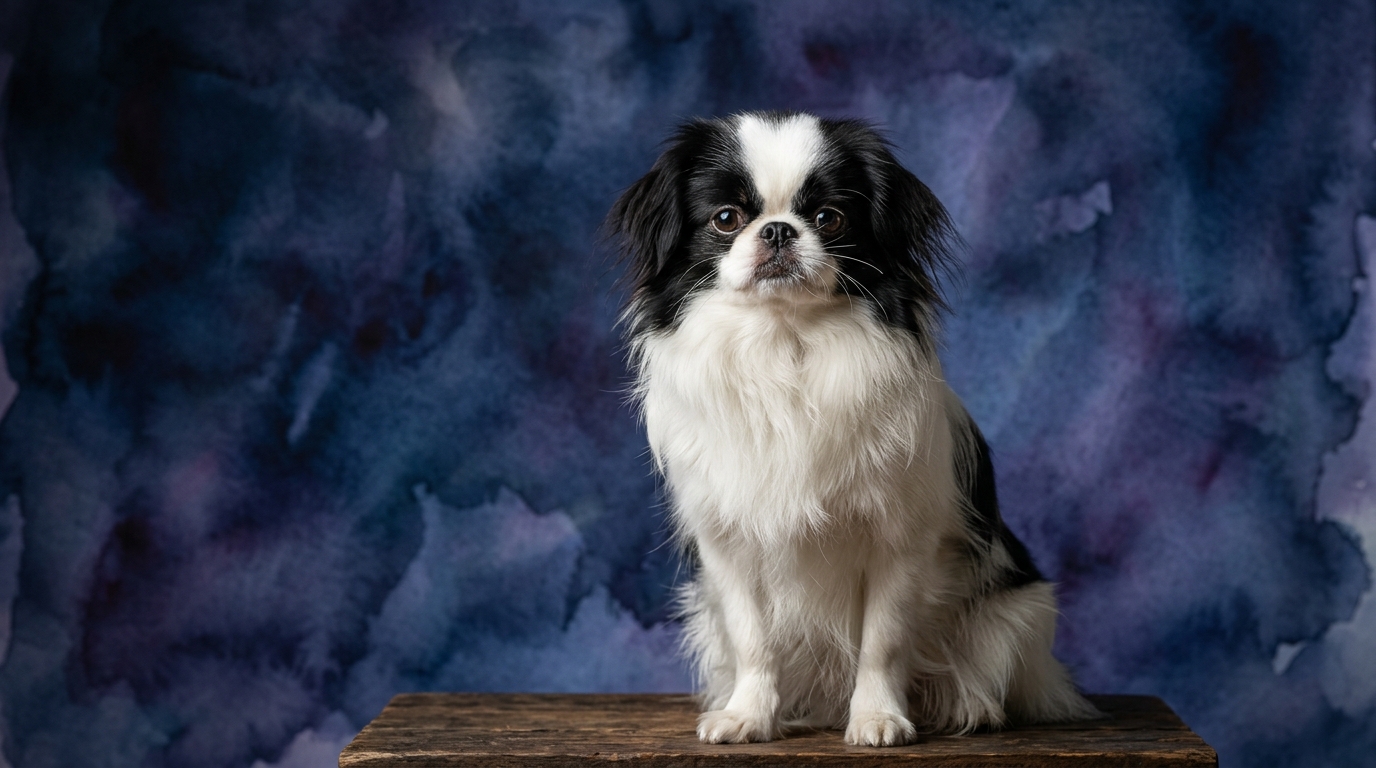
Side-by-Side Cognitive Profile: Unpacking the 3/5 Scores
While both the Rat Terrier and the Japanese Chin hold a consistent 3/5 rating across all five cognitive dimensions, the manifestation of these scores is deeply rooted in their breed-specific heritage and purpose. A 3/5 score indicates a solid, capable level of intelligence, neither exceptionally high nor particularly low, but expressed through different lenses for each dog.
For the **Rat Terrier**, a 3/5 in **Problem Solving** suggests a dog capable of devising effective strategies to overcome obstacles, particularly those related to their prey drive, like figuring out how to access a hidden treat or navigate a complex scent trail. Their **Training Speed** at 3/5 means they are generally responsive to commands and pick up new behaviors at a moderate pace, often requiring engaging methods to maintain focus against their natural inclinations. **Social Intelligence** at 3/5 indicates an ability to understand human cues and pack dynamics, forming strong bonds and adapting to household rules, though their independent streak might sometimes temper immediate compliance. Their **Instinctive Drive** at 3/5 is prominently expressed through a robust prey drive, a persistent desire to chase, dig, and investigate, making them highly attuned to environmental stimuli. Finally, a 3/5 in **Memory** implies they retain learned commands, routines, and experiences reliably, remembering past successes in hunting or training scenarios.
The **Japanese Chin**, conversely, interprets these same 3/5 scores through the lens of a sophisticated companion. Their **Problem Solving** at 3/5 often translates to navigating social situations or manipulating their environment for comfort and attention, perhaps figuring out how to open a cupboard for a specific toy or strategically placing themselves for a lap snuggle. A 3/5 in **Training Speed** reflects a willingness to learn, especially when positive reinforcement and gentle methods are employed, though their sensitive nature means they can be easily discouraged by harshness. Their **Social Intelligence** at 3/5 is a hallmark, demonstrating an exceptional ability to read human emotions, anticipate needs, and adapt seamlessly to the rhythms of a domestic life, making them profoundly empathetic companions. The **Instinctive Drive** at 3/5 for the Chin is less about hunting and more about their intrinsic desire for companionship and comfort, often displaying a 'cat-like' agility and a playful, pouncing curiosity rather than a predatory urge. Their **Memory** at 3/5 ensures they recall favorite people, preferred nap spots, and established household routines with precision, contributing to their reputation as reliable and endearing family members.
Where the Rat Terrier Excels Cognitively
Despite identical scores, the Rat Terrier's cognitive strengths shine in practical, dynamic environments. Their 3/5 problem-solving ability is particularly robust when applied to environmental challenges or tasks requiring tenacity and resourcefulness, such as navigating complex agility courses or persistent scent work. This breed's instinctive drive, also rated 3/5, provides a powerful underlying motivation for sustained effort in activities that simulate their historical role, making them adept at tasks requiring focus and determination in the face of distractions. While their social intelligence is rated 3/5, their unique strength lies in understanding and responding to human leadership within a working partnership, demonstrating a pragmatic connection to their handler's directives during active pursuits. They exhibit a distinct ability to connect their problem-solving skills with their memory (3/5) to recall successful strategies for overcoming physical barriers or locating hidden objects, making them quite effective at independent exploration and task completion.
Where the Japanese Chin Demonstrates Cognitive Prowess
The Japanese Chin, with its identical 3/5 scores, excels in a different sphere of cognitive application, primarily in social and emotional intelligence. Their 3/5 social intelligence allows them to perceive and react to subtle shifts in human mood and household dynamics with remarkable accuracy, making them exceptionally attuned to their family's emotional landscape. This breed's problem-solving (3/5) often manifests in finding ingenious, non-confrontational ways to achieve comfort or solicit affection, such as maneuvering furniture for a better view or strategically placing themselves for a gentle pat. Their memory (3/5) is highly effective in recalling social precedents and preferred interactions, ensuring they remember who offers the best cuddles or which family member is most receptive to their charming demands. The Chin's instinctive drive (3/5), while not predatory, is powerfully channeled into forming deep, reciprocal bonds, expressing itself through a desire for constant closeness and a nuanced understanding of their human companions' needs for comfort and quiet companionship.
Training Dynamics: Rat Terrier vs. Japanese Chin
Both breeds score 3/5 in training speed, yet their training experiences can differ significantly due to their inherent temperaments and drives. The Rat Terrier, with its terrier spirit and strong instinctive drive, learns new commands at a moderate pace but requires trainers to be engaging and consistent to counteract potential boredom or distraction from environmental stimuli. Their natural prey drive means that effective training often involves redirecting this energy into constructive activities like fetch or scent games, where their problem-solving skills can be utilized. If training becomes repetitive or lacks a clear purpose, a Rat Terrier might disengage, choosing to follow their nose or investigate a perceived 'intruder' instead of focusing on the task at hand. Consistency and clear, firm but fair leadership are essential to channel their independent streak.
The Japanese Chin, on the other hand, also learns at a moderate pace (3/5 training speed) but thrives on positive reinforcement, gentle handling, and a strong, affectionate bond with their trainer. Their high social intelligence makes them keen to please their beloved humans, but their sensitive nature means they can become easily discouraged or shut down if training methods are harsh or inconsistent. They respond best to short, fun sessions that feel like a game rather than a chore. While they may not have the same overt 'stubbornness' as some terriers, a Chin might become 'selective' in their hearing if they perceive a command as unpleasant or if they are simply not in the mood, preferring to charm their way out of a task rather than directly defying it. Patience, praise, and understanding their unique motivations for comfort and companionship are key to successful training.
Matching Breed to Lifestyle: Active vs. Relaxed Owners
The distinct expressions of their 3/5 cognitive profiles make a clear differentiation for owner lifestyles. The Rat Terrier is an ideal companion for active individuals or families who appreciate a dog with zest and a need for engagement. Their moderate problem-solving and instinctive drive mean they thrive on regular physical activity, such as long walks, hiking, or participation in dog sports like agility or earthdog trials. Owners who can provide consistent mental challenges, varied training sessions, and opportunities for their dog to 'work' will find the Rat Terrier a rewarding and lively partner. They need an outlet for their energy and curiosity, making them less suitable for purely sedentary households.
Conversely, the Japanese Chin is perfectly suited for more relaxed owners or those seeking a devoted, quiet companion. Their social intelligence and moderate instinctive drive are primarily focused on companionship and domestic harmony, making them content with indoor activities, short walks, and ample cuddle time. While they enjoy play, their physical demands are modest, and they excel at adapting to quiet routines. Owners who cherish close emotional bonds, appreciate a dog's subtle cues, and can provide a calm, loving environment will find the Japanese Chin to be an exquisite and undemanding friend. Their preference for comfort and close human interaction makes them less ideal for owners seeking an outdoor adventure buddy.
The Verdict
Choose the Rat Terrier if you are an active individual or family seeking a spirited, tenacious companion eager for engagement in outdoor activities and varied training challenges. They are best for owners who can channel their robust instinctive drives into productive pursuits.
Opt for the Japanese Chin if you desire a gentle, highly sensitive companion who thrives on close emotional bonds and a calm, predictable home environment. This breed is ideal for owners who appreciate subtle communication and prioritize quiet companionship.
🧠 Find Your Pet's IQ Score
Our Pet IQ Lab assessment covers 25+ tests across 5 cognitive dimensions — personalized to your breed.
Take the Full IQ Test →Frequently Asked Questions
Do Rat Terriers make good apartment dogs?
Rat Terriers can adapt to apartment living if their owners commit to providing ample mental and physical stimulation daily. Their moderate instinctive drive means they need regular exercise and engaging activities to prevent boredom and destructive behaviors, despite their smaller size.
How do Japanese Chins show their problem-solving skills?
Japanese Chins often display their problem-solving by figuring out how to gain attention, secure a comfortable spot, or subtly manipulate situations for their benefit. For instance, they might learn to 'ask' for specific toys or strategically position themselves to receive affection, using their social intelligence to achieve their goals.
Which breed is better with children?
Both breeds can be good with children, but require proper socialization and supervision. The Rat Terrier's energy and playful nature might suit older, respectful children, while the Japanese Chin's sensitive and gentle disposition makes them more suited to calm, gentle interactions, preferring a quiet environment.