
Side-by-Side Cognitive Profiles
Delving into the cognitive profiles provided by The Cosmic Pet Pet IQ Lab, we uncover the distinct mental landscapes of the Rat Terrier and the Keeshond. The Rat Terrier's intellectual framework is characterized by a balanced yet practical approach across its core dimensions. Its Problem Solving is rated at 3/5, indicating a capacity for effective, hands-on solutions to immediate environmental challenges, rather than abstract reasoning. Training Speed also stands at 3/5; they are capable learners but often require engaging methods to overcome their independent streak. Social Intelligence, at 3/5, reflects their ability to form strong bonds within their family unit and interpret familiar cues, though they might be more reserved with outsiders. Their Instinctive Drive, also 3/5, underscores a robust terrier nature, manifesting as a keen interest in chasing and investigating. Finally, their Memory at 3/5 suggests a reliable but not extraordinary retention of learned information and routines.
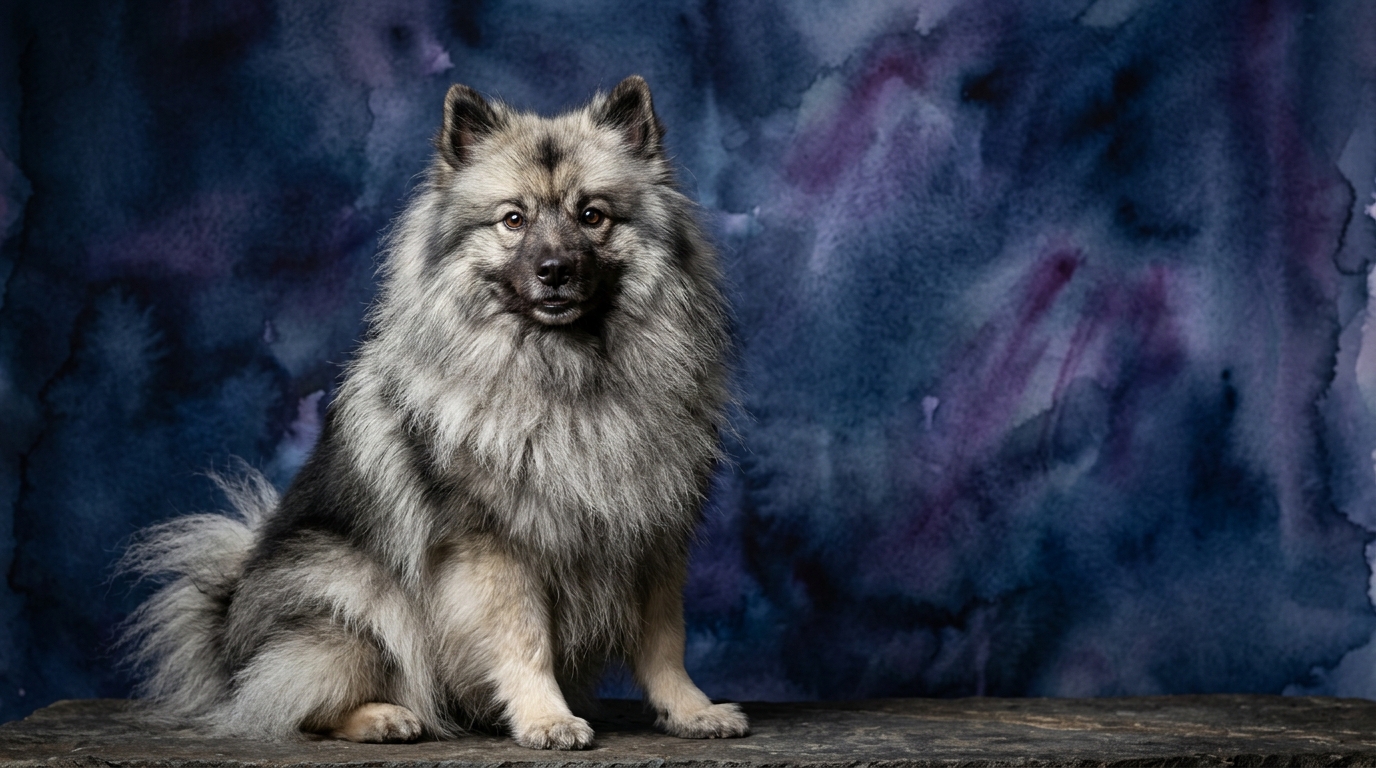
The Keeshond, in contrast, presents a profile with some standout strengths, notably reflected in its Coren rank of 16. Their Problem Solving is rated higher at 4/5, signifying a greater aptitude for strategic thinking and adapting to novel situations, often demonstrating multi-step reasoning. Training Speed also surpasses the Rat Terrier at 4/5, indicating a swift grasp of new commands and concepts, fueled by an eagerness to please. Social Intelligence matches the Rat Terrier at 3/5, highlighting their attentiveness to family dynamics, though typically expressed with more overt sociability. Their Instinctive Drive, at 3/5, is geared more towards watchfulness and territorial awareness than intense prey pursuit. The Keeshond's most significant cognitive advantage lies in its Memory, rated an exceptional 5/5. This remarkable capacity ensures that once a lesson is learned, it is deeply ingrained and consistently recalled, making them highly dependable in performing learned tasks over time.
Where the Rat Terrier's Mind Shines
While the Keeshond often outscores the Rat Terrier in traditional cognitive metrics, the Rat Terrier's specific cognitive strengths lie in their independent application of practical problem-solving. Their 3/5 rating in problem-solving reflects a resourceful, self-reliant approach. They are adept at figuring out immediate, tangible challenges, like navigating complex environments or devising methods to retrieve a toy from a tight space, without necessarily waiting for human direction. This isn't about abstract reasoning, but a hands-on, trial-and-error tenacity that allows them to persist until a physical goal is achieved. This terrier grit, coupled with a 3/5 instinctive drive, means they are inherently motivated to explore and overcome obstacles in their environment, a distinct advantage when an independent solution is required.
The Keeshond's Cognitive Edge
The Keeshond's cognitive profile showcases a more generalized aptitude for learning and retention, evident in their Coren ranking of 16 and superior scores across several dimensions. Their 4/5 problem-solving ability indicates a capacity for more strategic thought and adaptability. They can analyze situations and apply learned solutions to novel contexts, often demonstrating foresight in their actions, such as anticipating a handler's next move in a training sequence. The most striking advantage is their 5/5 memory, allowing them to retain vast amounts of information, from complex command chains to intricate routines, with remarkable durability. This exceptional recall means skills, once learned, are deeply ingrained and consistently available, making them highly reliable in performing learned tasks. Coupled with a 4/5 training speed, the Keeshond rapidly absorbs new concepts and solidifies them into lasting behaviors, making them highly responsive and predictable companions.
Training Dynamics: A Tale of Two Breeds
When evaluating ease of training, the Keeshond emerges as the more straightforward student, primarily due to their superior training speed (4/5) and exceptional memory (5/5). Their historical role as companions fostered a deep desire to engage with and please their human partners, making them naturally receptive to instruction. A Keeshond quickly grasps new commands, often requiring fewer repetitions, and critically, they retain this information for extended periods. This means once a behavior is learned, it is reliably performed, requiring minimal refreshing. Their social intelligence (3/5) also contributes to their trainability, as they are attuned to their handler's cues and emotional states, fostering a cooperative learning environment.
In contrast, the Rat Terrier, with a 3/5 training speed and 3/5 memory, presents a different training dynamic. While perfectly capable of learning, their inherent terrier independence means they often approach training with a 'what's in it for me?' attitude. They may understand a command but choose to comply only if sufficiently motivated, rather than out of an innate desire to please. Their practical problem-solving skills (3/5) can sometimes be a double-edged sword; they might devise their own, often less desirable, solutions to get what they want if training isn't engaging or consistent. Training a Rat Terrier demands patience, creativity, and a strong understanding of their independent spirit, focusing on short, fun sessions and high-value rewards to maintain their engagement and ensure consistent recall.
Matching Canine Cognition to Lifestyles
The choice between a Rat Terrier and a Keeshond also hinges significantly on an owner's lifestyle. The Rat Terrier, with its 3/5 instinctive drive and practical problem-solving acumen, thrives with active owners who enjoy engaging in varied activities. They require consistent mental stimulation to prevent boredom, which can manifest as destructive behaviors. Owners who appreciate a dog with an independent streak, who enjoys exploring and participating in fast-paced dog sports like agility, flyball, or earthdog trials, will find a fulfilling partnership. Their stamina and tenacity mean they can keep up with hiking, running, or extended play sessions, but they also benefit from puzzle toys and training that challenges their cleverness. A Rat Terrier isn't content to be a couch potato; they need purpose and engagement to truly flourish.
Conversely, the Keeshond, while certainly enjoying walks and playtime, is generally better suited for more relaxed owners who prioritize companionship and shared, calmer activities. Their moderate instinctive drive (3/5) means they are less driven by intense prey instincts and more by a desire to be near their family. They are content with regular walks, yard play, and most importantly, spending quality time with their humans. Their exceptional memory and trainability make them excellent candidates for obedience, rally, or even therapy work, activities that are mentally stimulating without being overly physically demanding. While they appreciate exercise, their primary need is social connection and inclusion in family life, making them ideal for individuals or families seeking a devoted, adaptable companion who is happy to share a quiet evening at home.
The Verdict
For owners who value independent problem-solving, tenacious spirit, and a partner for active, varied pursuits, the Rat Terrier offers a rewarding, engaging challenge. Choose a Rat Terrier if you appreciate a clever, self-reliant dog who thrives on mental and physical stimulation and is keen to explore the world on their own terms.
Opt for a Keeshond if you seek a highly trainable, devoted companion with an exceptional memory, eager to please and integrate seamlessly into family life, offering reliable obedience and affectionate presence without requiring an intensely active lifestyle.
🧠 Find Your Pet's IQ Score
Our Pet IQ Lab assessment covers 25+ tests across 5 cognitive dimensions — personalized to your breed.
Take the Full IQ Test →Frequently Asked Questions
Are Rat Terriers good for first-time owners?
Rat Terriers can be a good fit for first-time owners who are committed to consistent training and socialization. Their independent nature and need for mental engagement mean they benefit from an owner willing to invest time in positive reinforcement and structured activities to channel their energy effectively.
Do Keeshonden bark a lot?
Keeshonden are known for being alert watchdogs, and their instinctive drive (3/5) includes a tendency to bark at new sights or sounds. While not excessive if properly managed, owners should be prepared for their vocal nature and consider training to moderate alarm barking.
Which breed is better with children?
Both breeds can be good with children when properly socialized and raised, but their temperaments differ. Keeshonden are generally known for being more patient and tolerant, often forming strong bonds with family children due to their companion-oriented social intelligence. Rat Terriers can be playful and affectionate, but their higher energy and independent streak mean they might thrive more with older, respectful children who understand how to interact with an active, spirited dog.