
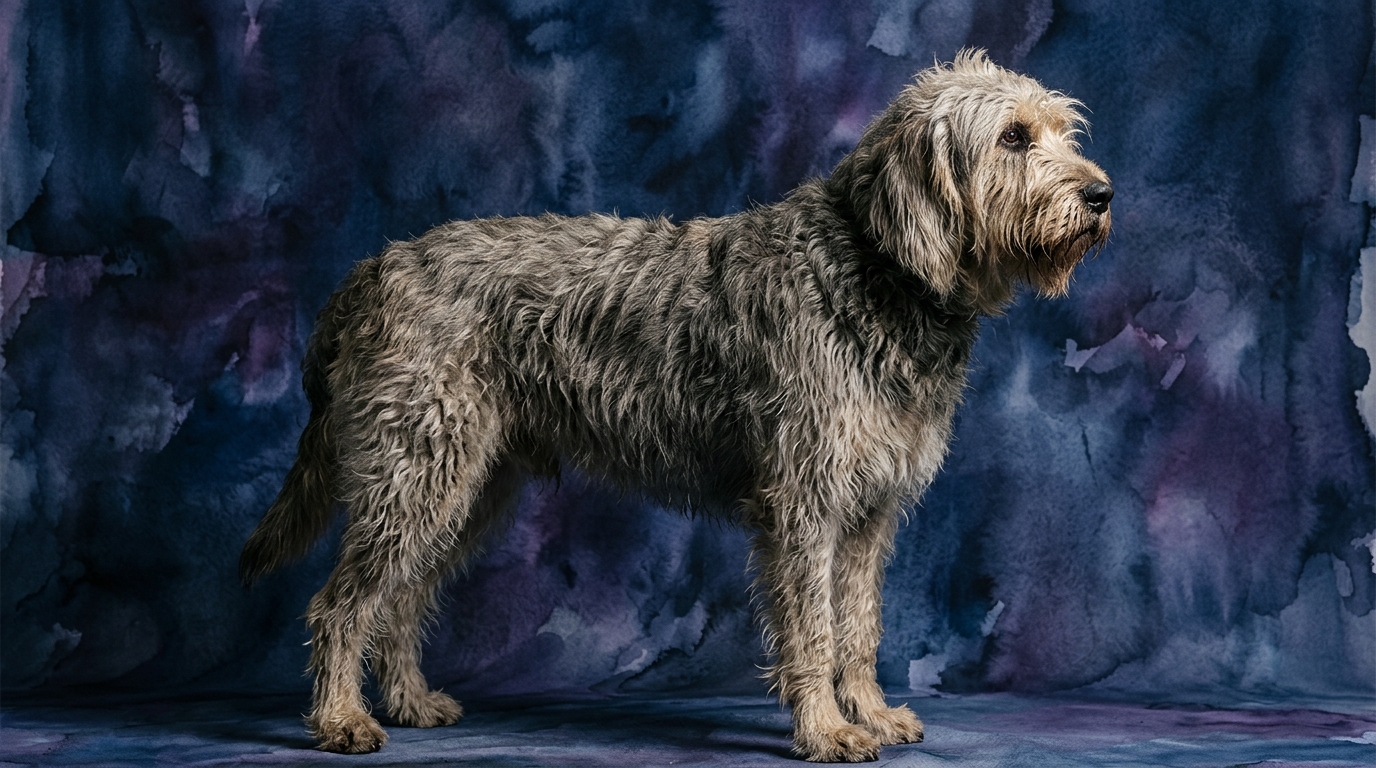
Side-by-Side Cognitive Profiles: Decoding the 3/5 Scores
When The Cosmic Pet Pet IQ Lab assigns a 3/5 score across all five cognitive dimensions to both the Rat Terrier and the Otterhound, it signals a consistent, moderate aptitude. However, the *application* of these aptitudes is where their true distinctions lie. For the Rat Terrier, a problem-solving score of 3/5 reflects their terrier heritage: a quick, often independent approach to figuring out how to access small prey, outmaneuver obstacles, or uncover hidden items. Their solutions tend to be practical and immediate, often involving agility and cleverness in tight spaces.
The Otterhound's 3/5 in problem-solving, conversely, speaks to their hound nature. Their cognitive challenges historically revolved around sustained tracking, deciphering complex scent trails over varied terrain, and maintaining focus despite distractions. Their problem-solving isn't about quick, independent strikes, but rather about methodical, sensory-driven deduction over long periods, often in cooperation with a pack or handler. The training speed score of 3/5 for a Rat Terrier indicates they can grasp new commands with reasonable alacrity, especially when the task involves a clear reward or engagement. However, their independent streak means compliance isn't always guaranteed, and they might weigh the 'fun' of a distraction against the value of obeying.
For the Otterhound, a 3/5 in training speed means they are capable learners, but their primary drive—their nose—often takes precedence. They can learn commands, but mastering reliable recall or impulse control in the presence of an enticing scent requires immense patience and consistent, engaging training that can compete with their powerful olfactory focus. Social intelligence at 3/5 for a Rat Terrier suggests they are attuned to their human family's emotions and routines, forming strong bonds and often displaying a keen awareness of household dynamics. They can be reserved with strangers and might choose their canine companions carefully, reflecting a more selective social sphere.
The Otterhound's 3/5 social intelligence, rooted in their pack-hunting history, generally manifests as an amiable, boisterous nature. They typically get along well with other dogs and are often described as good-natured and tolerant with people, though their expressions of affection can be less subtle and more exuberant. Their instinctive drive score of 3/5 for the Rat Terrier points to a pronounced prey drive, a strong impulse to chase and dig, and a territorial awareness that makes them excellent alert dogs. This drive is a core part of their identity and influences many of their behaviors.
The Otterhound's 3/5 instinctive drive is dominated by their exceptional scenting abilities and remarkable stamina. Their drive compels them to follow a trail relentlessly, often with a deep, booming bay, and they possess an innate endurance for long-distance work. Finally, a memory score of 3/5 for a Rat Terrier means they retain training cues, routines, and experiences effectively. They remember where they buried a toy or where a squirrel was last seen, contributing to their efficiency in daily life. For the Otterhound, a 3/5 memory is particularly strong for scent patterns, familiar territories, and the mechanics of tracking. They can recall complex routes and the nuances of a specific trail, even if some obedience commands might be momentarily forgotten in the thrill of a fresh scent.
Where the Rat Terrier Excels Cognitively
While both breeds score identically, the Rat Terrier's cognitive strengths shine in specific domains. Their problem-solving, though rated 3/5, is often characterized by rapid assessment and agile execution. They excel at figuring out how to navigate complex home environments, unearth hidden treats, or manipulate puzzle toys with a blend of persistence and quick wit. This isn't the sustained, methodical problem-solving of a hound; rather, it’s a series of quick, opportunistic decisions.
The Rat Terrier's social intelligence, while moderate, often includes a sharp perceptiveness regarding their immediate human family, allowing them to anticipate routines and respond to subtle emotional cues. They can be remarkably attuned to their preferred people, often acting as diligent watchdogs who quickly discern unusual activity. Their memory, combined with their instinctive drive, makes them exceptionally good at remembering the exact locations of potential 'prey' or previously explored routes, giving them an edge in dynamic, varied environments where quick adaptation is key. They retain lessons from both positive and negative experiences, allowing them to adjust their behavior efficiently in familiar settings.
Where the Otterhound Holds a Cognitive Edge
The Otterhound's cognitive prowess, also represented by a consistent 3/5, is distinctly different. Their primary strength lies in their specialized sensory intelligence and the endurance of their cognitive focus. Their problem-solving is unparalleled when it comes to interpreting vast, complex scent landscapes. They can differentiate between old and new trails, follow a specific scent through distractions, and work out intricate paths over challenging terrain—a cognitive feat requiring immense focus and sensory discrimination that few breeds can match.
Their memory, while also 3/5, is particularly robust for extensive spatial information linked to scent. An Otterhound can remember a detailed route followed days earlier, guided by olfactory cues, which is a testament to their specialized memory function. This sustained cognitive effort over long distances, coupled with their instinctive drive to track, allows them to maintain a singular purpose for hours, a form of mental stamina that is a true cognitive advantage in their historical role and in modern scent work.
Training Dynamics: Rat Terrier vs. Otterhound
Despite identical 3/5 training speed scores, the ease of training these two breeds diverges significantly due to their inherent motivations and temperaments. Rat Terriers, with their terrier stubbornness and independent streak, can learn commands quickly when they perceive value in the interaction, often responding well to positive reinforcement and engaging training sessions that feel like a game. However, their high prey drive means that consistency is paramount, and a squirrel or rustling leaf can instantly override even well-learned commands, making reliable recall a significant training investment.
Otterhounds, conversely, are generally good-natured but notoriously driven by their incredible sense of smell. While they possess the capacity to learn, their training often feels like a constant competition with their nose. They can be slow to respond reliably if a compelling scent is present, and teaching them to ignore environmental distractions requires immense patience and highly rewarding motivators. Their methodical nature means they might take longer to generalize commands to different environments, and their deep, resonant bay can be a challenge to manage without consistent, early training. Effectively, while both can learn, the Rat Terrier's challenge is often managing independence and prey drive, whereas the Otterhound's challenge is consistently redirecting their primary sensory focus.
Lifestyle Match: Active vs. Relaxed Owners
The Rat Terrier, despite its moderate IQ scores, is far from a sedentary companion. Their 3/5 instinctive drive and problem-solving translate into a need for consistent mental and physical stimulation. They thrive with active owners who can provide daily walks, engaging play sessions, and opportunities for 'work,' such as agility, earthdog trials, or puzzle toys. Their quick bursts of energy and alert nature mean they are best suited for owners who enjoy varied activities and can manage a dog with a strong prey drive and a penchant for digging. They are generally not content with merely lounging around all day; they need an outlet for their sharp minds and energetic bodies.
The Otterhound, while scoring the same 3/5, requires a different kind of active owner. Their 3/5 instinctive drive and problem-solving are geared towards endurance and sustained effort. These dogs need significant daily exercise, often in the form of long, steady walks, hikes, or even scent work that allows them to utilize their powerful nose. They are not built for quick sprints but for covering vast distances. Owners who enjoy long outdoor adventures and can provide ample space for a large, boisterous dog to roam and scent are an ideal match. A relaxed owner might struggle with the Otterhound's need for extensive exercise and their potential for a deep, booming bay if bored or under-stimulated.
The Verdict
Choose the Rat Terrier if you appreciate a clever, agile companion who enjoys varied activities and can engage with a dog possessing a sharp, independent mind and a strong prey drive.
Opt for the Otterhound if you seek a good-natured, boisterous companion who thrives on long outdoor adventures and you are prepared to manage a powerful scent drive and a methodical approach to learning.
🧠 Find Your Pet's IQ Score
Our Pet IQ Lab assessment covers 25+ tests across 5 cognitive dimensions — personalized to your breed.
Take the Full IQ Test →Frequently Asked Questions
Are Rat Terriers good at learning tricks?
Yes, Rat Terriers can be quite adept at learning tricks due to their moderate problem-solving and memory scores, combined with an eagerness to engage. Their quick thinking and agility make them enjoyable partners for trick training, especially when positive reinforcement and playful methods are used consistently.
How do Otterhounds use their problem-solving skills in daily life?
Otterhounds primarily use their problem-solving skills to interpret and follow scent trails, even in complex environments. In daily life, this might manifest as meticulously tracking a dropped toy, figuring out how to get to an interesting smell in the yard, or navigating familiar routes with a strong reliance on olfactory cues.
What makes Rat Terriers and Otterhounds challenging to train despite similar IQ scores?
Despite similar IQ scores, their primary drives create unique training challenges: Rat Terriers' independent nature and strong prey drive can lead to selective hearing when distracted, while Otterhounds' powerful scent drive often overrides other stimuli, making consistent focus on commands difficult if their nose is engaged.