
Side-by-Side Cognitive Profile: Rat Terrier vs. PBGV
The Cosmic Pet Pet IQ Lab categorizes both the Rat Terrier and the Petit Basset Griffon Vendéen with a consistent 3/5 rating across all five cognitive dimensions, suggesting an average yet capable intelligence. However, the manifestation of this 'average' capability differs significantly due to their distinct breed purposes and inherent drives. Understanding these nuances is crucial for appreciating their individual intellectual landscapes.
For the Rat Terrier, a compact and agile vermin hunter, Problem Solving (3/5) typically means they excel at practical, physical challenges, like navigating a familiar environment or figuring out how to access a desired toy, often employing a direct, trial-and-error approach. Their Training Speed (3/5) indicates they grasp new commands at a steady pace, especially when engaged with positive reinforcement, though their independent terrier spirit can sometimes mean they choose to comply rather than instantly obey. Social Intelligence (3/5) suggests they are reasonably attuned to human emotions and social cues, forming strong bonds and often seeking interaction, yet they retain a characteristic self-reliance. Their Instinctive Drive (3/5) is predominantly a high prey drive, manifesting as a keen interest in small, fast-moving objects and a focused pursuit, vital for their original role. Memory (3/5) in a Rat Terrier is solid; they reliably recall established routines and commands, making them dependable companions once behaviors are ingrained.
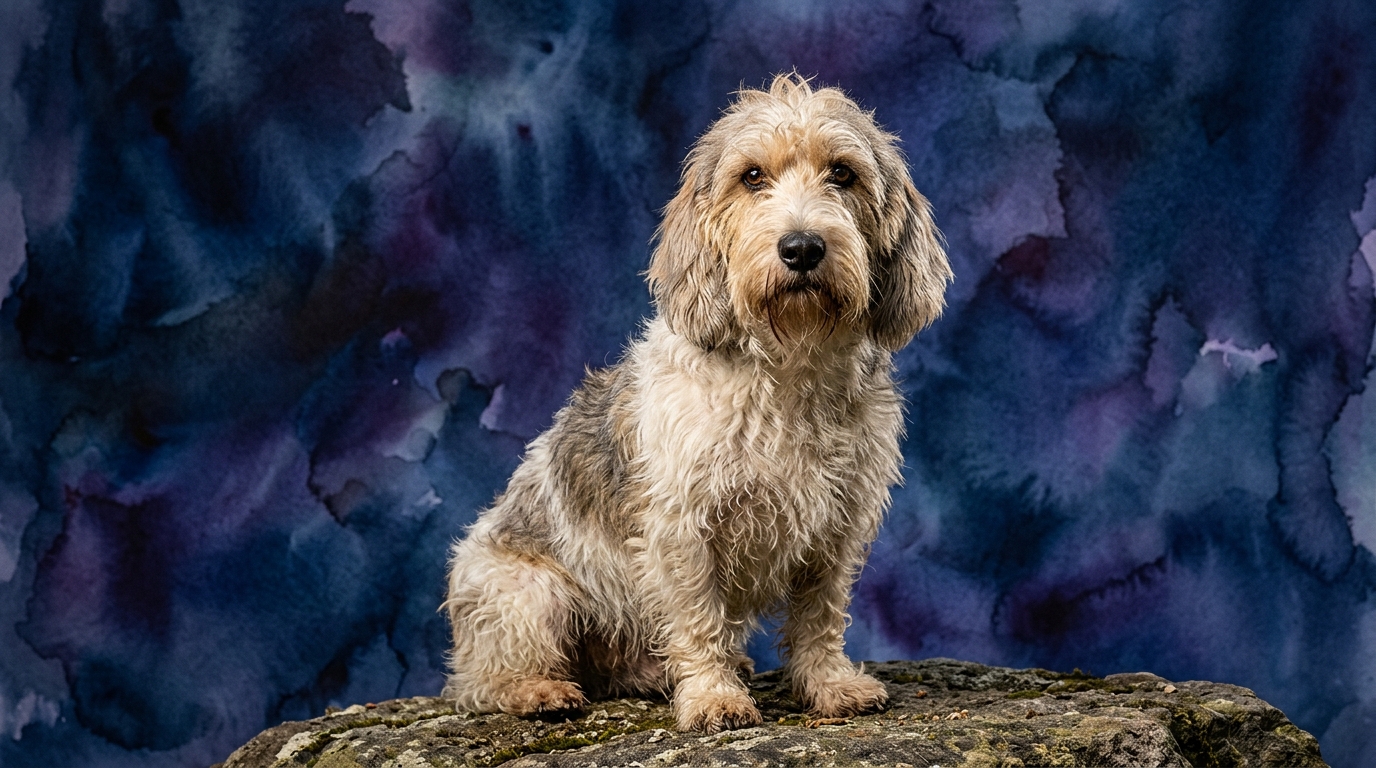
The Petit Basset Griffon Vendéen, a boisterous scent hound, demonstrates Problem Solving (3/5) primarily through their exceptional ability to follow complex scent trails, meticulously discerning and interpreting olfactory information to track quarry. Their Training Speed (3/5) is also average, but their strong, independent hound nature and preoccupation with intriguing scents can make the learning process appear slower, requiring immense patience, consistency, and highly motivating, often scent-based, rewards. Social Intelligence (3/5) allows PBGVs to interact warmly and affectionately with their families, but their profound focus on environmental odors can frequently divert their attention, making them seem less consistently attuned to human interaction in stimulating environments. Their Instinctive Drive (3/5) is an overwhelmingly powerful scent drive, compelling them to explore and follow captivating odors with unwavering determination, a defining characteristic of their heritage. PBGV Memory (3/5) is robust; they recall routes and commands effectively, but their powerful olfactory memory often takes precedence, sometimes overriding other learned behaviors when a compelling scent is present.
Where the Rat Terrier Excels Cognitively
The Rat Terrier's cognitive strengths lean towards practical agility and quick situational assessment. Their terrier heritage imbues them with a directness in problem-solving that is often more immediate and physically oriented than a hound's. When faced with a novel obstacle, a Rat Terrier is more likely to quickly assess various physical approaches—jumping, digging, or pushing—to achieve a goal. This manifests as a more 'hands-on' approach to puzzles, where they are less likely to be deterred by a simple physical barrier. Their relatively higher adaptability in varied environments, compared to a scent hound whose focus can be singular, allows them to process and react to visual and auditory cues with greater versatility, making them adept at dog sports like agility where rapid decision-making and precise execution are key. While both breeds score 3/5 in problem-solving, the Rat Terrier's application of this skill is often more generalized and less tied to a specific sensory input, enabling them to transition between different types of mental tasks with greater ease.
Where the Petit Basset Griffon Vendéen Excels Cognitively
The Petit Basset Griffon Vendéen's cognitive prowess is unequivocally rooted in its extraordinary olfactory intelligence and persistence. While a Rat Terrier might quickly solve a visual puzzle, a PBGV's mind is a master of scent discrimination and tracking. Their problem-solving (3/5) is acutely specialized; they can unravel complex scent puzzles, following faint, broken trails over varied terrain with remarkable accuracy and tenacity, a feat that demands intense concentration and memory for olfactory patterns. This isn't just about smelling; it's about interpreting a narrative of odors, understanding directionality, and recalling specific scents. Their instinctive drive (3/5), while numerically similar, is a far more pervasive and powerful force than the Rat Terrier's prey drive, often dictating their entire cognitive focus. This single-minded dedication to a scent trail demonstrates an unparalleled form of cognitive persistence, where external distractions often fade in comparison to the compelling pull of an odor. This makes them exceptional at scent work, tracking, and anything that leverages their profound nasal intelligence.
Training Dynamics: Rat Terrier vs. PBGV
When it comes to training, both breeds present unique considerations despite their identical 3/5 Training Speed rating. A Rat Terrier, while independent, often possesses a desire to engage with their human companions and can be highly motivated by play, praise, and food. They tend to pick up basic obedience commands at an average pace, and their agility and quick reflexes make them suitable for learning complex sequences in dog sports. However, their terrier tenacity can surface as 'selective hearing' if they deem a command less interesting than, say, a perceived squirrel. Consistency, clear communication, and keeping training sessions engaging are paramount to overcoming their occasional stubborn streak.
The Petit Basset Griffon Vendéen, on the other hand, is a true hound at heart, meaning their nose often dictates their priorities. While capable of learning, their powerful scent drive means that once a compelling odor is detected, their focus on human-given commands can plummet. Training a PBGV requires exceptional patience, creativity, and a deep understanding of what truly motivates them—often, it's scent-based games or high-value treats that can compete with the allure of the environment. Their independent nature, a hallmark of hounds bred to work away from handlers, means they might not always see the immediate benefit in performing a command if a more interesting scent is available. Therefore, while their capacity to learn is average, the *ease* of training can feel more challenging due to their profound instinctual distractions. Effective PBGV training often involves harnessing their scent drive rather than fighting it, incorporating it into learning activities.
Lifestyle Match: Active vs. Relaxed Owners
The Rat Terrier, with its energetic nature and keen intelligence, typically thrives with active owners who enjoy engaging in various activities beyond basic walks. Their problem-solving abilities and physical agility make them excellent candidates for dog sports like agility, flyball, or earthdog trials, which satisfy both their physical and mental needs. They appreciate owners who can provide consistent mental stimulation through puzzle toys, training sessions, and interactive play, preventing boredom that can lead to undesirable behaviors. An owner who enjoys a dynamic partnership and can channel the Rat Terrier's tenacity into productive outlets will find a deeply rewarding companion. They can adapt to apartment living if their exercise and mental enrichment needs are rigorously met, but a secure yard for exploration is always a plus.
The Petit Basset Griffon Vendéen also requires active owners, but their activity profile is distinct. While they certainly need physical exercise, their primary drive is scent-oriented. Owners who appreciate long, meandering walks where the dog can follow interesting scent trails, or who are interested in scent work, tracking, or barn hunt, will find a PBGV to be an ideal partner. They are not typically suited for highly structured, repetitive activities like competitive obedience without significant adaptation. Their independent nature means they are often content to explore their environment through their nose, sometimes appearing less focused on direct human interaction during these expeditions. A PBGV owner needs patience for their hound's tendency to follow their nose, a sense of humor for their boisterous personality, and a secure, fenced yard is absolutely essential to prevent them from embarking on scent-driven adventures. They are not ideal for owners seeking a constantly 'on-call' companion but rather one who engages on their own terms, often with a good deal of vocal expression.
The Verdict: When to Choose Each Breed
The Verdict
Choose a Rat Terrier if you seek an agile, quick-thinking partner for active sports and varied mental challenges, valuing a direct and responsive companion. They suit owners who enjoy consistent, interactive training and appreciate a dog that is engaged with its human family.
Opt for a Petit Basset Griffon Vendéen if you are drawn to a charming, scent-driven companion who excels in olfactory pursuits and enjoys independent exploration. They are ideal for owners who appreciate a dog with a strong personality, are patient with their hound's instincts, and can provide outlets for their extraordinary nose.
🧠 Find Your Pet's IQ Score
Our Pet IQ Lab assessment covers 25+ tests across 5 cognitive dimensions — personalized to your breed.
Take the Full IQ Test →Frequently Asked Questions
Are Rat Terriers good at learning tricks?
Yes, Rat Terriers typically enjoy learning new tricks. Their 3/5 training speed and desire for engagement mean they can pick up a variety of commands and behaviors when training is made fun and rewarding, often showcasing their agility and quick wit.
Do Petit Basset Griffon Vendéens have good recall?
PBGVs can have reliable recall with consistent, highly-motivated training, but their powerful scent drive makes off-leash reliability challenging in stimulating environments. Their nose can easily override any command, so secure areas or long lines are often recommended for their safety.
Which breed is better for a first-time dog owner?
Neither breed is inherently 'easier' for a first-time owner, as both require dedicated training and understanding of their specific drives. A Rat Terrier might be slightly more adaptable to general obedience, while a PBGV demands an owner ready to embrace and manage a strong hound instinct.