
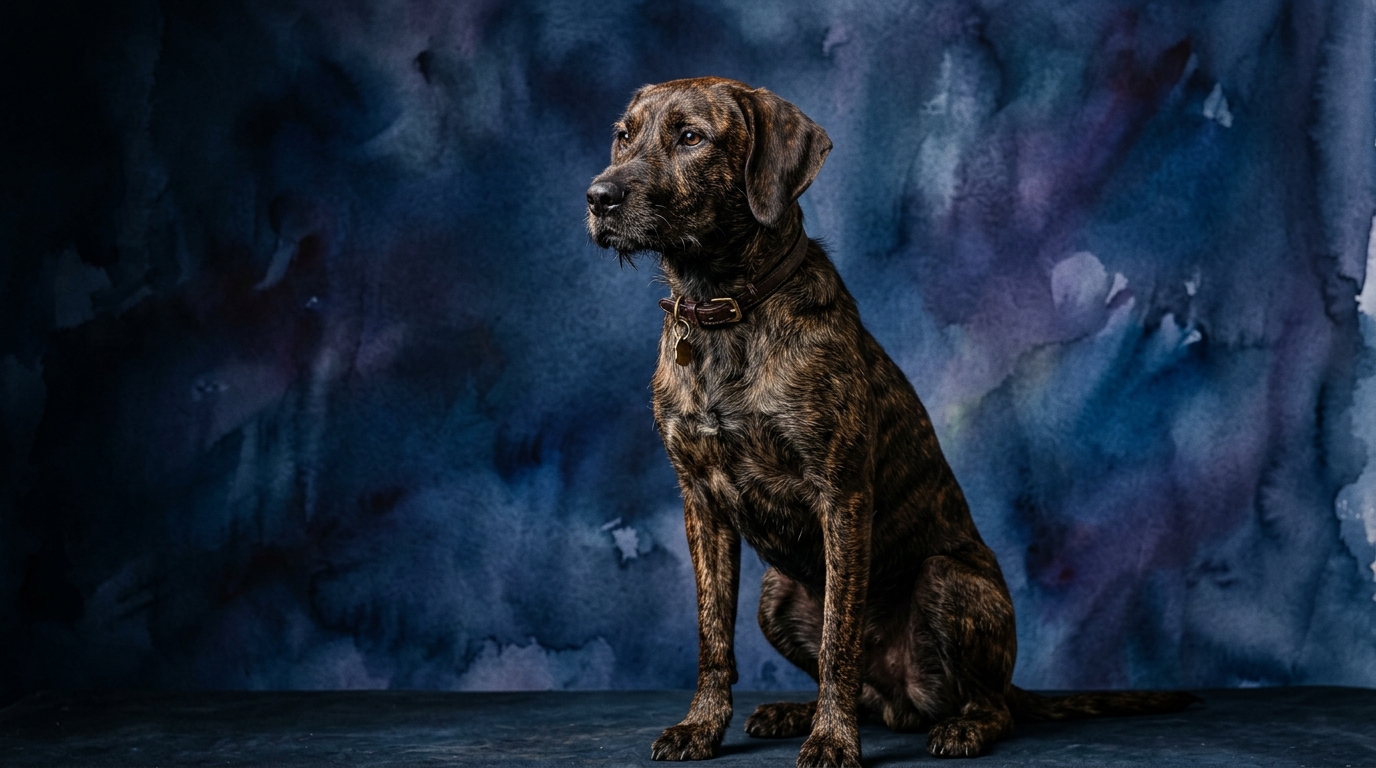
Side-by-Side IQ Profile: Rat Terrier vs. Plott Hound
Despite both breeds scoring 3/5 across all our intelligence dimensions, their cognitive landscapes are shaped profoundly by their genetic heritage and intended roles. This means a 3/5 in 'problem-solving' for a terrier looks very different from a 3/5 for a hound.
For the Rat Terrier, a compact and agile breed, their intelligence is typically expressed through swift, reactive decision-making and a keen awareness of their immediate environment. Their historical role as vermin controllers demanded quick wits and adaptability.
For the Plott Hound, a sturdy and focused scent hound, intelligence manifests as sustained concentration, methodical deduction, and an unparalleled ability to process complex sensory information over long durations. Their lineage as big-game hunters speaks to a different kind of cognitive prowess.
Rat Terrier IQ Breakdown (3/5 Across the Board)
Problem Solving (3/5): A Rat Terrier's problem-solving involves quick, reactive strategies for overcoming immediate obstacles or outsmarting small prey. They excel at figuring out how to access confined spaces, navigate complex household terrains to retrieve a toy, or bypass barriers to reach a desired object, demonstrating a practical, hands-on approach to tangible challenges rather than abstract reasoning. Their solutions are typically swift, efficient, and geared towards immediate, observable goals.
Training Speed (3/5): These terriers pick up basic commands and routines fairly quickly, especially when lessons are engaging, positive, and paired with desirable rewards or playful interaction. However, their independent spirit and strong focus on their own objectives can sometimes lead to selective hearing or a momentary lapse in compliance, requiring consistent, varied, and highly motivating training methods to maintain their attention and ensure reliable responses over time.
Social Intelligence (3/5): Rat Terriers generally form strong, perceptive bonds with their primary caregivers and can be quite attuned to their family's moods, routines, and unspoken cues. They often display clear communication within their established social circle, but their ingrained prey drive and sometimes territorial nature mean that interactions with unfamiliar dogs or very small animals require careful management, early socialization, and ongoing supervision to foster appropriate behavior.
Instinctive Drive (3/5): Their instinctive drive is a powerful engine for hunting small vermin, characterized by intense focus, quick pursuit, determined digging, and a keen observational sense for movement. This drive is not easily suppressed and often manifests in their everyday curiosity, persistent exploration of novel environments, and an unwavering tendency to investigate every rustle, scent, or perceived movement with great enthusiasm.
Memory (3/5): Rat Terriers possess a solid memory for learned commands, established routines, and the precise locations of favored items, toys, or perceived “hunting grounds.” They effectively recall past interactions, learned consequences, and the most efficient routes within their familiar territory, which significantly contributes to their adaptability and ability to navigate their environment effectively after initial exposure.
Plott Hound IQ Breakdown (3/5 Across the Board)
Problem Solving (3/5): A Plott Hound's problem-solving is intrinsically linked to its extraordinary scenting ability, involving intricate deduction and sustained cognitive focus to unravel complex scent trails. They methodically navigate challenging, often rugged terrains and overcome physical barriers with a singular, unwavering purpose: to follow a scent to its origin. This demonstrates a methodical, persistent problem-solving style that prioritizes sensory information and enduring dedication over quick, reactive responses.
Training Speed (3/5): While certainly capable of learning and retaining commands, a Plott Hound's training speed can be significantly influenced by its powerful nose and independent working nature. They learn commands and sequences, but their overwhelming drive to follow a compelling scent can frequently override immediate compliance with human directives, demanding immense patience, unwavering consistency, and a deep understanding of their motivational triggers to achieve reliable, off-leash responses, especially outdoors.
Social Intelligence (3/5): Plott Hounds are generally affable, forming strong pack bonds with their human families and often coexisting harmoniously with other dogs. They tend to be less overtly reactive to strangers than some breeds once introduced, but their primary social focus often revolves around cooperative hunting dynamics. This means their “social intelligence” when engaged in their work is heavily geared towards pack functionality and communication related to the chase, rather than human-centric obedience or nuanced social cues in a domestic setting.
Instinctive Drive (3/5): The instinctive drive of a Plott Hound is overwhelmingly centered on scent tracking, trailing, and pursuit, exhibiting incredible stamina, unwavering determination, and a distinctive “bay” once a trail is engaged. This drive is profound, shaping their entire perception of the world and serving as a constant internal motivator, requiring significant, structured outlets to prevent frustration, boredom, or the development of undesirable behaviors.
Memory (3/5): Plott Hounds possess an exceptional memory for scent trails, capable of recalling specific odors and their associated locations over long periods and distances, even after significant time has passed. They also reliably remember learned hunting strategies, the intricate layout of familiar territories, and the established routines associated with their work, which is absolutely crucial for their effectiveness and success as specialized tracking dogs.
Where the Rat Terrier Wins Cognitively
The Rat Terrier demonstrates a cognitive edge in scenarios demanding rapid assessment and adaptable tactical responses. Their ability to quickly switch between tasks, solve immediate environmental puzzles (like finding a dropped toy under furniture or navigating a complex obstacle course), and react to sudden changes with agility showcases a distinct type of problem-solving. This quick-wittedness, combined with their compact size, allows them to excel in dynamic, confined, or rapidly evolving situations where a larger, more methodical dog might be at a disadvantage. Their independence, while sometimes a training hurdle, also means they can make quick decisions without constant human input, a trait honed by their vermin-hunting heritage.
Where the Plott Hound Wins Cognitively
The Plott Hound's cognitive superiority shines in tasks requiring sustained, singular focus and intricate sensory processing, particularly scent discrimination. Their ability to “read” a complex scent tapestry, follow a trail over varied and challenging terrain for hours, and filter out myriad distractions to maintain pursuit is unparalleled. This isn't just about a good nose; it's about a sophisticated cognitive process of interpreting subtle chemical cues, building a mental map of a path, and demonstrating incredible mental fortitude to stick to a task until its conclusion, even when the reward isn't immediate. Their exceptional memory for specific scents and terrain features further enhances this specialized intelligence, allowing them to revisit and pick up old trails with surprising accuracy.
Which is Easier to Train and Why?
Determining which breed is “easier” to train depends heavily on the owner's goals and understanding of breed-specific motivations. The Rat Terrier, with its quicker uptake of commands and desire for interaction, can appear easier to train for basic obedience and household manners. They respond well to positive reinforcement and varied training sessions that keep their agile minds engaged. However, their independent streak and terrier tenacity mean they can be stubborn if they don't see the immediate value in a command, requiring consistent boundaries and proof that *your* plan is more rewarding than theirs.
The Plott Hound, conversely, presents a different training challenge. While capable of learning, their overwhelming instinctive drive for scent work means that any training not directly related to tracking can be a struggle against their natural inclinations. Their focus is often externalized towards the environment's olfactory richness rather than human directives. To train a Plott Hound effectively requires immense patience, understanding of their powerful nose, and the integration of their scent drive into training whenever possible. Distractions, especially compelling smells, can easily derail a training session. Therefore, a Rat Terrier might offer quicker initial compliance for general obedience, while a Plott Hound demands a more specialized, patient, and scent-aware training approach for reliable results.
Suited for Active vs. Relaxed Owners
For owners seeking a companion that can adapt to a moderately active lifestyle with bursts of intense play, the Rat Terrier is often a suitable choice. They thrive on daily walks, interactive games, and mental puzzles, but are generally content to relax indoors once their physical and mental needs are met. Their adaptability means they can fit into various home environments, from apartments (with sufficient exercise) to houses with yards, provided they receive consistent engagement and outlets for their energy.
The Plott Hound, however, is unequivocally suited for highly active, outdoors-oriented owners who can provide substantial outlets for their profound physical stamina and insatiable scent drive. These dogs require extensive daily exercise, often involving long runs, hikes, or dedicated scent work activities like tracking or nose work. A “relaxed” owner who cannot commit to several hours of vigorous activity or specific scent-based engagement will likely find a Plott Hound challenging, as their pent-up energy and unfulfilled instincts can lead to destructive behaviors or persistent vocalizations. They are dogs built for the trail, not solely for the couch, and their well-being is intrinsically linked to having their primal drives fulfilled.
The Verdict
Choose a Rat Terrier if you appreciate a quick-thinking, adaptable companion who thrives on varied mental and physical engagement within a family setting, and you are prepared for their independent streak.
Choose a Plott Hound if you are an exceptionally active, patient owner deeply committed to providing extensive scent work and physical exercise, and you value a tenacious, focused partner for outdoor adventures.
🧠 Find Your Pet's IQ Score
Our Pet IQ Lab assessment covers 25+ tests across 5 cognitive dimensions — personalized to your breed.
Take the Full IQ Test →Frequently Asked Questions
Do Rat Terriers and Plott Hounds get along with other pets?
Rat Terriers, with proper socialization, can coexist with other dogs and sometimes cats, though their strong prey drive requires caution around very small animals. Plott Hounds typically get along well with other dogs due to their pack nature, but their intense prey drive means small, non-canine pets are generally not recommended without extensive, careful introduction and supervision.
Are either of these breeds good for first-time dog owners?
A Rat Terrier can be a good choice for an engaged first-time owner willing to commit to consistent training and mental stimulation, as they are generally adaptable. A Plott Hound is typically not recommended for first-time owners due to their immense exercise needs, powerful scent drive, and independent nature, which require experienced handling.
What kind of mental stimulation do Rat Terriers and Plott Hounds need?
Rat Terriers benefit from puzzle toys, training new tricks, agility, and interactive games that challenge their quick minds. Plott Hounds require extensive mental stimulation through scent work, tracking games, and long 'sniff walks' where they can fully engage their olfactory senses, which is as vital as physical exercise for their well-being.