
Side-by-Side IQ Profile
**Rat Terrier:** Problem Solving (3/5): Rat Terriers display resourceful problem-solving for immediate environmental puzzles, quickly devising ways to access a hidden treat or navigate obstacles. Their tenacity means they often try multiple strategies until success, driven by curiosity and tangible goals. Training Speed (3/5): Generally eager to learn, they pick up new commands with respectable speed, especially with engaging, high-value reward training. However, an independent streak means they can bore with repetition, requiring varied sessions to maintain focus. Social Intelligence (3/5): Perceptive of human moods and routines, they form deep bonds with primary caregivers. While reserved with strangers, this reflects a discerning understanding of their social circle rather than a lack of awareness. Instinctive Drive (3/5): A strong inherent prey drive for small vermin defines their focus and persistence during play or when encountering quick movements. This drive underpins their agility and determination. Memory (3/5): They exhibit good retention for learned commands, established routines, and familiar environments. They recall past positive and negative experiences, contributing to their adaptability.
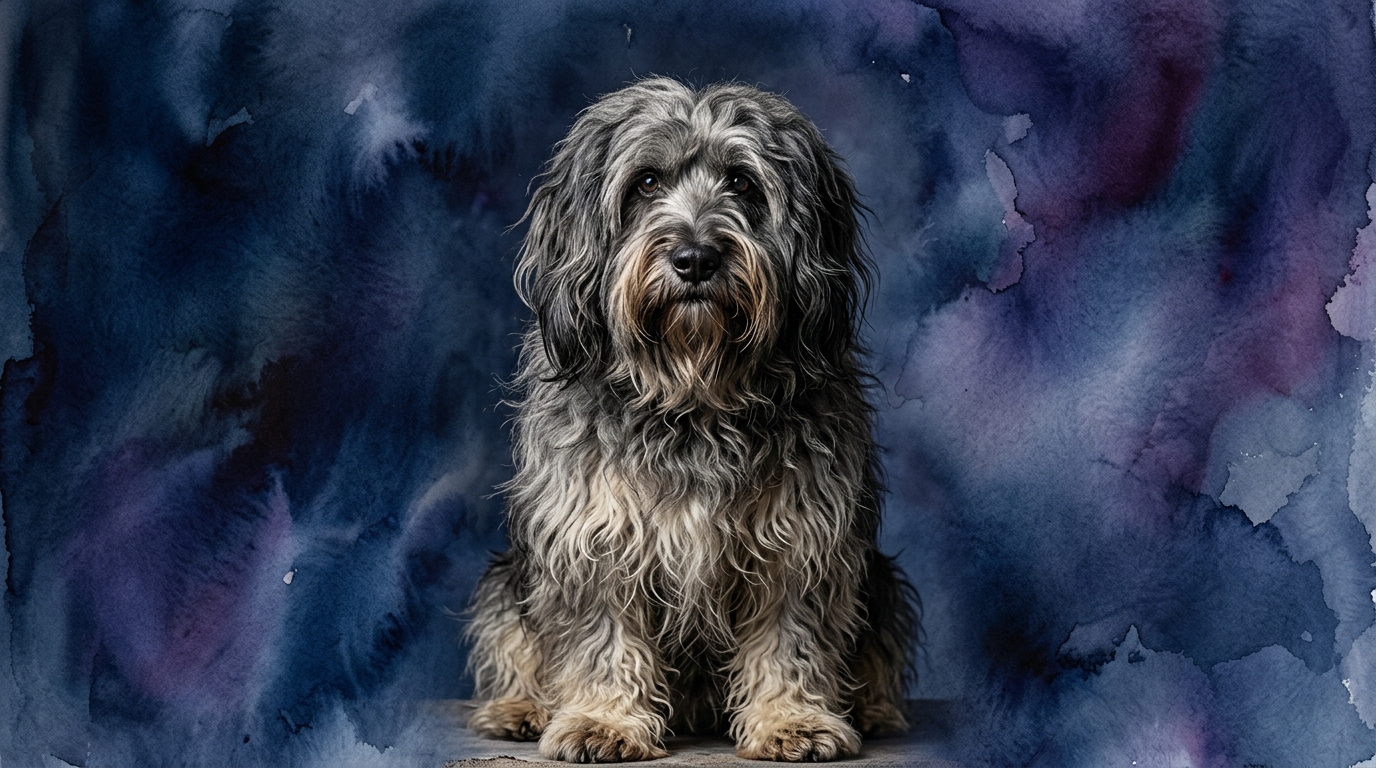
**Polish Lowland Sheepdog:** Problem Solving (3/5): Polish Lowland Sheepdogs demonstrate independent thought and strategic planning, essential for a herding breed managing livestock. They assess complex situations, such as navigating changing environments or organizing a group, devising effective solutions. Training Speed (3/5): Possessing keen intellect, they are willing to learn, but their strong-willed nature requires consistent, patient, positive reinforcement. They grasp concepts quickly but might ponder a command, reflecting independent decision-making. Social Intelligence (3/5): Highly attuned to family emotions and dynamics, they often adopt a watchful, protective role. Sensitive to surroundings, they assess new people or situations carefully, displaying sophisticated social understanding. Instinctive Drive (3/5): Their powerful herding instinct is central, manifesting as a desire to gather, control, and protect their 'flock' (family). This drive influences their organizational tendencies. Memory (3/5): They have excellent memory for complex command sequences, intricate routines, and detailed territory layouts. Their ability to recall past interactions and learn from experience makes them highly adaptable, yet also means they can retain negative associations.
Where Rat Terrier Wins Cognitively
The Rat Terrier's cognitive strengths often shine in scenarios demanding quick, adaptive problem-solving focused on immediate, tangible rewards. Their terrier heritage imbues them with a tenacious curiosity, allowing them to rapidly figure out how to access a hidden toy or navigate a novel obstacle course, often through spirited trial-and-error. This quick-fire mental agility means they excel in fast-paced games or tasks where a rapid, direct solution is paramount, leveraging physical nimbleness alongside mental sharpness. Their training speed benefits from their zest for action; they can pick up simple, fun commands with impressive velocity, particularly when the activity itself is stimulating and varied, tapping into their desire for quick, engaging outcomes.
Where Polish Lowland Sheepdog Wins Cognitively
In contrast, the Polish Lowland Sheepdog's cognitive advantages often manifest in more complex, nuanced, and socially oriented situations. Their herding background cultivates problem-solving involving strategic oversight and managing multiple variables, like anticipating a 'flock's' movements or understanding household dynamics. Their cognitive victories appear in their ability to 'read' a room, understand subtle human cues, or pre-emptively intervene. Their social intelligence translates into a deeper, more analytical understanding of group dynamics and a watchful, protective nature requiring sophisticated emotional processing. Their memory is particularly strong for spatial layouts and intricate routines, allowing mastery of complex obedience or navigation with a comprehensive mental map, demonstrating sustained information retention.
Which is Easier to Train and Why
Determining 'easier' to train is less about raw capacity and more about trainer approach. The Rat Terrier, with energetic playfulness, can appear easier for specific tricks or basic obedience when sessions are short, fun, and highly rewarding. Their zest for action leads to rapid acquisition. However, independence and prey drive mean easy distraction; consistency needs varied, exciting training. They respond well to positive reinforcement tapping into quick interaction, but may struggle with repetition. The Polish Lowland Sheepdog, equally capable, brings a thoughtful, sometimes strong-willed approach. Their herding intelligence means they think for themselves, potentially questioning illogical commands. They require a confident, patient, consistent trainer understanding their need for purpose. They excel in complex obedience or tasks providing a 'job,' thriving on clear communication. For novice owners seeking rapid basic obedience, Rat Terriers might seem smoother initially. For experienced owners pursuing advanced, purpose-driven training, the PON's methodical intelligence can yield impressive results.
Which Suits Active Owners vs Relaxed Owners
Both Rat Terriers and Polish Lowland Sheepdogs are working breeds, meaning neither suits a truly relaxed or sedentary owner. Both demand significant physical and mental engagement. The Rat Terrier, despite size, has boundless energy requiring daily outlets. Active owners find a rewarding companion if they enjoy long walks, vigorous play, earthdog trials, agility, or scent work. Without stimulation, they bore, potentially leading to digging or chewing. Similarly, the Polish Lowland Sheepdog, with its robust herding heritage, needs substantial exercise and a 'job.' They thrive on long hikes, advanced obedience, herding trials, or dog sports challenging strategic thinking. Their natural inclination to gather needs purposeful activities. A 'relaxed' owner providing consistent, high-quality mental and physical stimulation – through structured training, puzzle toys, and adventurous outings – could manage. But for genuinely sedentary individuals, neither breed is a suitable match, possessing strong internal drives for activity that must be met.
The Verdict
Choose the Rat Terrier if you're seeking a compact, energetic companion who thrives on varied, engaging training challenges and appreciates a tenacious, independent spirit focused on immediate goals and playful interaction. They are excellent for owners who can provide consistent mental stimulation and physical activity in short, exciting bursts.
Opt for the Polish Lowland Sheepdog if you're prepared for a thoughtful, watchful companion who thrives on purpose-driven activities, appreciates nuanced social dynamics, and is ready to engage with a strong-willed, intelligent dog in consistent, patient training. They suit owners who enjoy complex problem-solving and a deep partnership.
🧠 Find Your Pet's IQ Score
Our Pet IQ Lab assessment covers 25+ tests across 5 cognitive dimensions — personalized to your breed.
Take the Full IQ Test →Frequently Asked Questions
Are Rat Terriers good apartment dogs?
While their size can make them suitable for apartments, Rat Terriers possess significant energy and require substantial daily exercise and mental stimulation. An apartment owner must commit to regular, vigorous walks, play sessions, and training to prevent boredom and ensure their well-being, as a small space doesn't equate to low energy.
Do Polish Lowland Sheepdogs shed a lot?
Polish Lowland Sheepdogs have a thick double coat that does shed, particularly seasonally. While they are not considered non-shedding, their coat tends to hold onto dead hair, requiring regular brushing (several times a week) to prevent matting and manage shedding effectively.
Which breed is better with children?
Both breeds can be good with children if properly socialized and trained from a young age, and if children are taught how to respectfully interact with dogs. Rat Terriers are often playful and tolerant, while Polish Lowland Sheepdogs can be protective and watchful, potentially attempting to 'herd' children. Supervision is always key with any breed and children.