
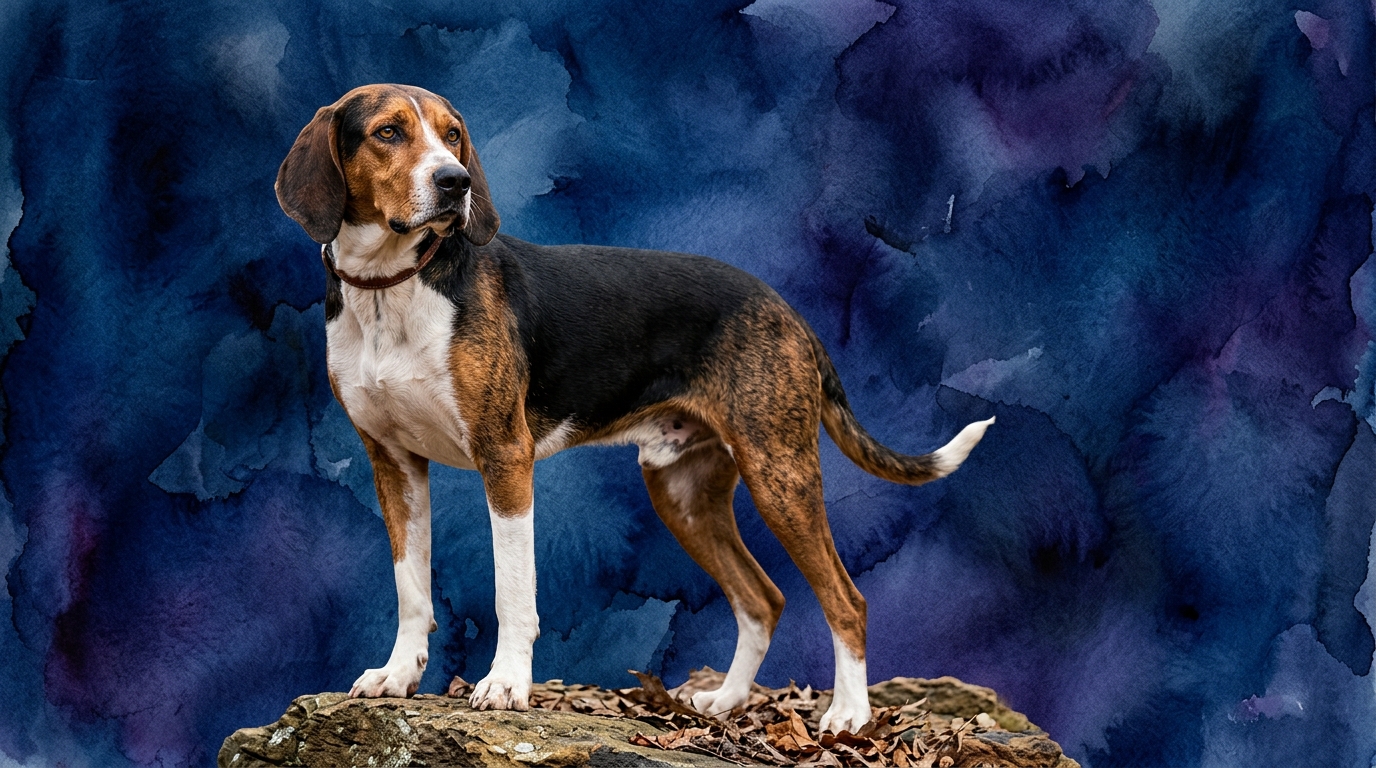
Side-by-Side IQ Profile: Identical Scores, Distinct Minds
The Cosmic Pet Pet IQ Lab assesses canine intelligence across five key dimensions, and interestingly, both the Rat Terrier and the Treeing Walker Coonhound register an identical 3/5 in each category. While these numerical ratings are the same, the *expression* of this intelligence is profoundly shaped by their breed-specific roles and evolutionary pressures, resulting in distinct cognitive profiles.
For the Rat Terrier, a 3/5 in problem-solving manifests as quick, tactical thinking, particularly in confined or immediate situations. They excel at devising strategies to outwit small prey, navigate complex indoor environments, or figure out how to access enticing objects. Their intelligence here is about rapid assessment and agile execution. The Treeing Walker Coonhound's 3/5, conversely, speaks to a sustained, methodical problem-solving ability over vast, open terrains. Their intellect is geared towards interpreting intricate scent trails, navigating challenging landscapes, and piecing together environmental cues to locate quarry, a process demanding prolonged focus and sequential deduction.
A Rat Terrier's 3/5 in training speed indicates a capacity for relatively swift learning, especially when motivated by engaging methods and positive reinforcement. They grasp new commands and routines with moderate repetition, demonstrating a willingness to engage with their human counterparts. However, their independent streak can sometimes necessitate patience. The Treeing Walker Coonhound, also at 3/5, learns effectively, but their training speed is often influenced by their powerful instinctive drives. While they can absorb commands, their focus might be easily diverted by compelling scents, meaning consistency and an understanding of their deep-seated motivations are paramount for effective instruction.
The Rat Terrier's social intelligence, rated 3/5, highlights their keen awareness of human cues and a strong desire to connect with their primary caregivers. They are attentive to household dynamics and can form deep, responsive bonds, though they might exhibit a reserved or watchful demeanor around unfamiliar individuals. For the Treeing Walker Coonhound, a 3/5 in social intelligence often manifests in their cooperative nature within a working 'pack,' whether that's with other dogs or human hunters. They are generally affable and capable of reading social signals in group settings, thriving on partnership in pursuit of a common goal, making them adaptable companions in various social scenarios.
Both breeds score 3/5 in instinctive drive, but their primary motivators differ significantly. The Rat Terrier possesses a robust prey drive, expertly honed for small vermin. This translates into persistent digging, intense chasing of small moving objects, and a focused determination to 'get' what they perceive as prey. The Treeing Walker Coonhound's 3/5 drive is overwhelmingly olfactory. Their world is dominated by scent, leading to an insatiable desire to track, bay, and 'tree' game. This deep-seated instinct fuels their endurance and unwavering focus on a scent trail, often overriding other stimuli.
A Rat Terrier's 3/5 memory allows them to retain complex routines, remember specific locations of past successes (like where a treat was hidden), and recall interactions with various individuals. This cognitive function aids their adaptability and problem-solving. The Treeing Walker Coonhound's 3/5 memory is particularly acute for olfactory information and spatial mapping. They can recall intricate scent trails over long periods and distances, remember the layout of hunting grounds, and retain knowledge of past successful hunts, crucial for their specialized work.
Where the Rat Terrier Wins Cognitively
While both breeds exhibit impressive intellect, the Rat Terrier often demonstrates a cognitive edge in areas demanding quick, independent decision-making and adaptability to rapidly changing domestic environments. Their terrier heritage imbues them with a sharp, resourceful mind, allowing them to quickly assess new situations and formulate solutions without constant human direction. This agility makes them adept at navigating complex household routines or learning varied tricks that require sequential thinking and spatial awareness.
They excel at generalizing learned behaviors, applying solutions from one context to a similar, novel problem, which can make them seem highly perceptive in daily interactions. Their vigilance and alertness also contribute to a cognitive advantage in identifying subtle changes in their immediate surroundings, making them excellent, if sometimes vocal, watchdogs.
Where the Treeing Walker Coonhound Wins Cognitively
The Treeing Walker Coonhound, on the other hand, displays distinct cognitive strengths rooted in their specialized hunting lineage. Their remarkable olfactory processing and memory give them an unparalleled advantage in scent-based problem-solving. They can meticulously follow intricate, aged trails, filtering out myriad competing scents with incredible precision and sustained focus—a cognitive feat requiring immense mental endurance and discrimination.
This breed's intellect excels in tasks demanding unwavering dedication to a singular, long-term objective, such as tracking game over miles of varied terrain, interpreting subtle shifts in scent, and coordinating with other hounds in a pack. Their ability to maintain intense concentration for extended periods, often overriding environmental distractions, showcases a deep, albeit specialized, cognitive superiority in their domain.
Which Is Easier to Train and Why
Given their identical 3/5 training speed rating, the perceived 'ease' of training for these breeds often comes down to *what* is being taught and *how* it aligns with their inherent motivations. For conventional obedience and companion behaviors, the Rat Terrier generally presents as easier to train for the average pet owner. Their desire to please, combined with their quick learning ability and readiness to engage in interactive play, means they often pick up commands and tricks with enthusiasm and relatively fewer repetitions. Their intelligence is readily applied to human-centric tasks, making them responsive pupils in a varied training regimen, provided it remains stimulating enough to counter their independent streak.
Conversely, while the Treeing Walker Coonhound is certainly capable of learning, their powerful, instinctual scent drive can make traditional obedience more challenging. Their primary motivation is often the pursuit of a trail, and once locked onto a scent, redirecting their focus can require significant effort and a deep understanding of their breed-specific drives. Training for a Coonhound often needs to be highly engaging, incorporate scent work, or provide exceptionally compelling rewards to compete with their innate calling. A committed owner who understands hound psychology can achieve great results, but their single-minded pursuit of scent means they are not always as universally compliant as a terrier might be in a pet home setting.
Which Suits Active Owners vs. Relaxed Owners
Both the Rat Terrier and the Treeing Walker Coonhound are active breeds, but their activity needs manifest differently, making them suitable for distinct owner lifestyles. A Rat Terrier thrives with active owners who can provide consistent daily exercise, including brisk walks, interactive play, and opportunities for mental engagement like puzzle toys or agility. They are energetic and require an outlet for their prey drive, but their smaller size means their activity can often be managed within a well-fenced yard and regular outings. They can adapt to a moderately active household, provided their cognitive needs are met, though a truly 'relaxed' owner might find their persistent energy and need for stimulation overwhelming.
The Treeing Walker Coonhound, however, is unequivocally suited for highly active, outdoors-oriented owners. Their boundless stamina, powerful scent drive, and historical role in sustained hunting mean they require extensive daily exercise, often involving long runs, hikes, or dedicated scent work. A relaxed owner would quickly find themselves overwhelmed by a Coonhound's unmet energy demands, which can lead to destructive behaviors, excessive baying, or attempts to escape and follow a trail. These dogs need a 'job' or a serious outlet for their instincts, making them ideal for individuals or families who embrace an adventurous, outdoor lifestyle and are prepared to integrate their dog's exercise into their daily routine.
The Verdict
Choose the Rat Terrier if you are seeking a clever, adaptable companion who thrives on varied mental challenges, enjoys interactive play, and can be a vigilant household presence, excelling in a structured yet stimulating home environment.
Opt for the Treeing Walker Coonhound if you are an exceptionally active, outdoors-oriented individual or family prepared to provide extensive physical exercise and dedicated scent-based mental engagement, appreciating their focused, enduring pursuit of a goal.
🧠 Find Your Pet's IQ Score
Our Pet IQ Lab assessment covers 25+ tests across 5 cognitive dimensions — personalized to your breed.
Take the Full IQ Test →Frequently Asked Questions
Are Rat Terriers good apartment dogs?
Yes, with sufficient daily exercise, mental stimulation, and consistent training, their compact size and adaptable nature can make them suitable for apartment living. However, their alert barking and energy levels still require attentive management.
Do Treeing Walker Coonhounds bark a lot?
Treeing Walker Coonhounds are known for their distinctive, melodious 'baying' bark, which is a fundamental part of their hunting heritage. They tend to be quite vocal, especially when on a scent trail, bored, or seeking attention, making their vocalizations a significant consideration for potential owners.
How do the prey drives of these two breeds differ?
A Rat Terrier's prey drive is typically focused on small vermin, leading to quick, intense chases, digging, and persistent pursuit of small, moving objects. A Treeing Walker Coonhound's drive is primarily olfactory and geared towards larger game, involving sustained scent tracking over long distances, vocalizing, and 'treeing' their quarry.