Side-by-Side IQ Profile
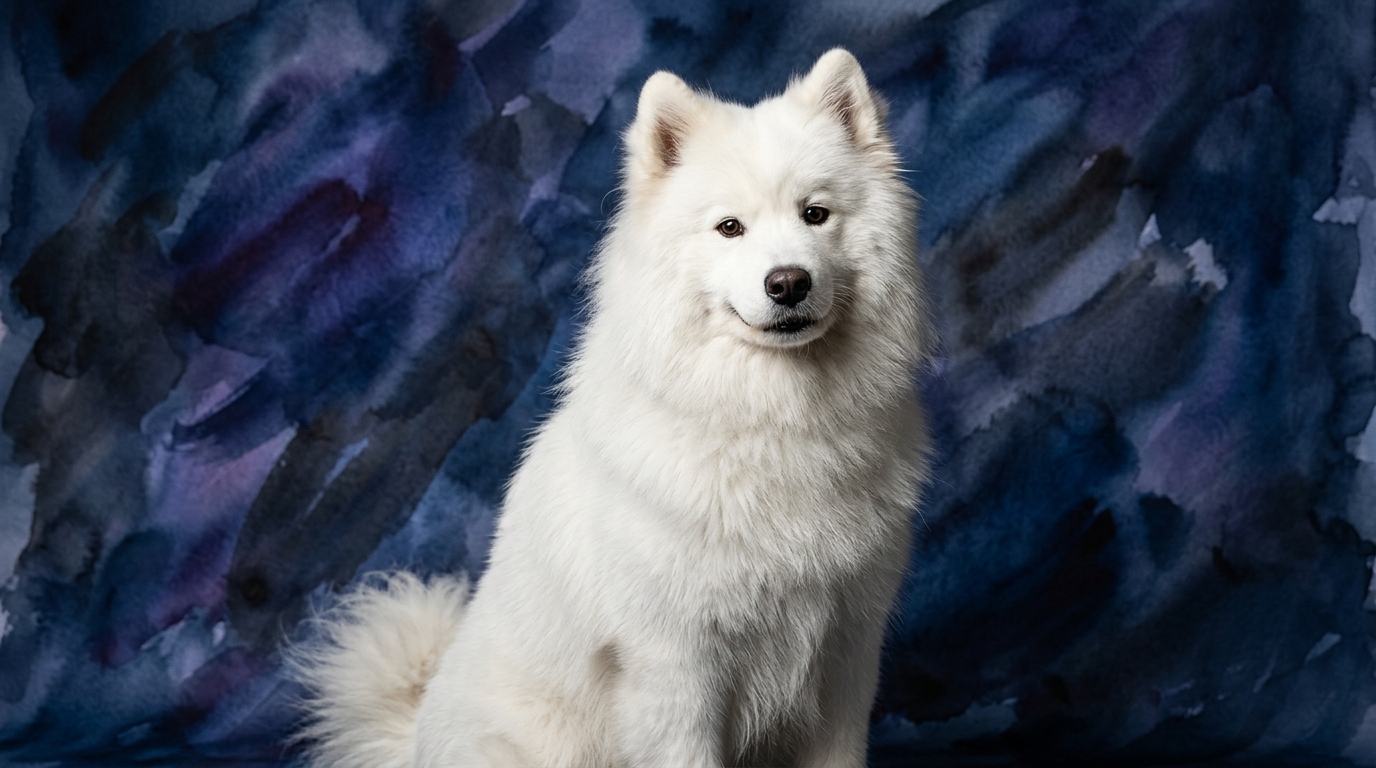
The Samoyed, a northern working breed, exhibits a unique cognitive blend. Their problem-solving and training speed are rated at 3/5, indicating a moderate capacity for learning and tackling new challenges, without being exceptionally rapid. However, their social intelligence stands out at an impressive 5/5, reflecting an extraordinary ability to read and respond to human emotions and intentions, fostering deep, cooperative bonds. This social aptitude is complemented by an instinctive drive of 4/5, rooted in their heritage of herding reindeer and pulling sleds, which translates into a natural inclination for purposeful activity and teamwork. Their memory, at 3/5, is solid, allowing them to retain learned behaviors and experiences effectively over time.
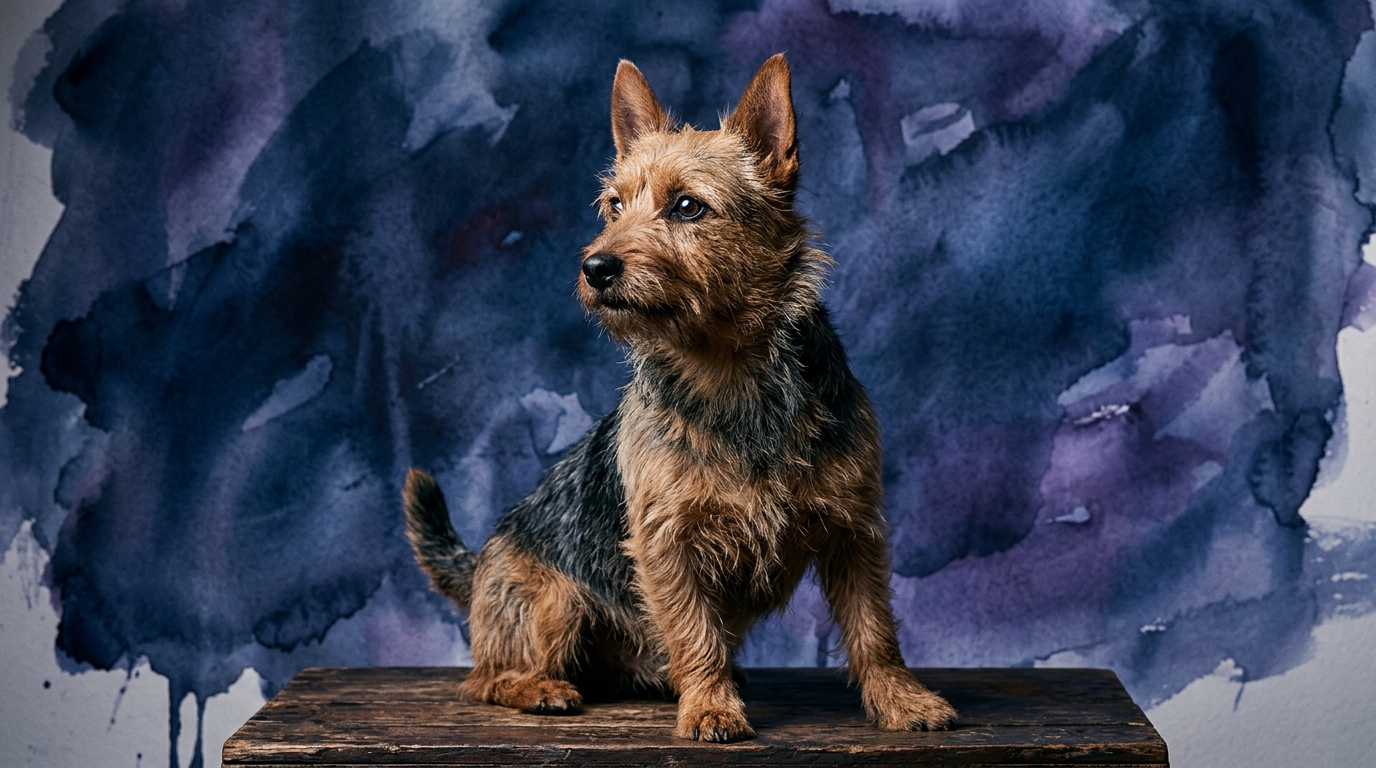
In contrast, the Australian Terrier presents a more uniform cognitive profile across the board, with all five dimensions rated at 3/5. This indicates a consistent level of competence in problem-solving, training speed, social intelligence, instinctive drive, and memory. Their problem-solving, though rated the same as the Samoyed's, often manifests with a characteristic terrier independence, favoring self-directed solutions. Their training speed is moderate, requiring engagement to maintain focus. A social intelligence of 3/5 means they are capable of forming strong connections, but may not display the same overt desire for constant human interaction as the Samoyed. Their instinctive drive of 3/5 is distinctly terrier in nature, focusing on vigilance, digging, and a keen prey drive. Memory at 3/5 ensures they learn and recall information reliably.
Where the Samoyed Excels Cognitively
The Samoyed's most pronounced cognitive advantage lies in its exceptional social intelligence, rated 5/5. This breed displays an uncanny ability to tune into human emotional states, often anticipating needs or reacting with empathy to their owners' moods. This makes them incredibly responsive companions, capable of learning subtle cues and excelling in activities that demand a high degree of teamwork and mutual understanding, such as advanced obedience or therapy work. Their desire to please and connect creates a strong foundation for cooperative learning, making them receptive partners in almost any endeavor.
Furthermore, the Samoyed's elevated instinctive drive of 4/5, coupled with their working breed heritage, translates into a distinct cognitive edge in sustained, purposeful tasks. Unlike a general energy level, this drive is often directed towards cooperative activities, such as retrieving, engaging in dog sports like agility, or even participating in carting. This inherent motivation for 'work' means they thrive when given a job, demonstrating focus and persistence in mastering complex sequences of actions. Their higher Coren ranking (#33) also points to a general aptitude for obedience and a capacity for understanding complex commands that benefit from their social responsiveness.
Where the Australian Terrier Shines Cognitively
While the Australian Terrier shares a 3/5 rating in problem-solving with the Samoyed, their approach to challenges is distinctly different and represents a unique cognitive strength. This breed often tackles problems with an independent, tenacious spirit, relying on their own observations and persistence rather than immediately seeking human guidance. They might cleverly figure out how to open a cabinet or navigate an obstacle course through trial and error, demonstrating a resourceful and self-reliant form of practical intelligence. This determination allows them to succeed in scenarios where a more socially dependent dog might falter without direction.
The Australian Terrier's instinctive drive, rated at 3/5, is highly specialized and effective within its niche. This drive manifests as acute vigilance, a strong prey instinct, and a propensity for digging, traits honed for their original purpose as vermin hunters. Cognitively, this means they possess a sharp focus on environmental details, quickly processing unusual sounds or movements and reacting with immediate, decisive action. Their ability to rapidly assess and respond to their surroundings, often without explicit command, makes them excellent natural watchdogs and effective at tasks requiring quick, independent judgments, like scent work or focused searching games.
Training Ease: Samoyed vs. Australian Terrier
Training a Samoyed often feels like a highly collaborative effort, largely due to their outstanding social intelligence (5/5). While their training speed is a moderate 3/5, their profound desire to connect and please their human companions acts as a powerful motivator. They are highly receptive to positive reinforcement methods, thriving on praise, affection, and the opportunity for shared activity. This strong social bond means they are often attuned to their owner's intentions and body language, making the learning process smoother and more enjoyable, even when introducing complex sequences or new environments.
The Australian Terrier, also rated 3/5 for training speed, presents a different dynamic due to their more moderate social intelligence (3/5) and independent terrier spirit. While perfectly capable of learning, their motivation often stems from rewards or personal interest rather than an inherent desire to please. Owners may find they need to employ more creative and engaging training techniques, turning sessions into fun games to capture and maintain their focus. Their tendency to test boundaries and follow their own instincts means consistency is paramount, and patience is a virtue, as they might require more repetition or varied approaches to solidify commands.
Matching Breeds to Lifestyles: Active vs. Relaxed Owners
For active owners, the Samoyed is an ideal match. Their instinctive drive of 4/5, coupled with their working breed background, means they require substantial physical exercise and mental engagement daily. They thrive on long hikes, running alongside a bike, participating in dog sports like agility or canicross, and engaging in "jobs" that challenge their minds. A Samoyed without sufficient outlets for their energy and cognitive abilities might become restless or channel their intelligence into less desirable behaviors, such as excessive vocalization or destructive chewing. They genuinely need an owner who can commit to a dynamic, involved lifestyle.
The Australian Terrier, while certainly an energetic breed, generally suits a moderately active owner. Their instinctive drive of 3/5 is focused and intense in bursts, rather than requiring the sustained endurance of a Samoyed. They enjoy daily walks, interactive play sessions, and opportunities for digging or scent work, which tap into their terrier instincts. While they need regular mental and physical stimulation to prevent boredom and address their independent streak, their exercise requirements are typically more manageable than a large working dog. An owner who enjoys engaging in focused games, brief but vigorous play, and consistent training will find a rewarding companion in the Australian Terrier.
The Verdict
Choose a Samoyed if you seek a highly social, deeply connected companion eager to collaborate on extensive physical activities and cooperative training.
Opt for an Australian Terrier if you prefer an independent, spirited dog who excels at focused tasks and thrives with moderate activity and consistent, engaging training.
🧠 Find Your Pet's IQ Score
Our Pet IQ Lab assessment covers 25+ tests across 5 cognitive dimensions — personalized to your breed.
Take the Full IQ Test →Frequently Asked Questions
Are Samoyeds good family dogs?
Samoyeds often integrate exceptionally well into family life, largely due to their outstanding social intelligence (5/5). They typically form strong bonds with all family members, enjoy being included in activities, and are known for their cooperative and affectionate nature.
Do Australian Terriers bark a lot?
Australian Terriers can be quite vocal, frequently using their bark to alert owners to new sights or sounds, a trait stemming from their instinctive drive as vigilant watchdogs. Consistent training from a young age can help manage this tendency, though their inherent alertness means they will always be quick to respond to environmental changes.
Which breed requires more mental stimulation?
While both breeds benefit from mental engagement, the Samoyed's higher social intelligence and instinctive drive (4/5) mean they often thrive on more complex, cooperative tasks and extensive interactive training sessions. The Australian Terrier, with its independent problem-solving and focused terrier drives, benefits from puzzle toys, scent games, and opportunities for focused 'hunting' play.