Side-by-Side IQ Profile: Samoyed vs. Basenji
At The Cosmic Pet Pet IQ Lab, we analyze canine cognition across five crucial dimensions, offering a nuanced understanding of each breed's mental landscape.
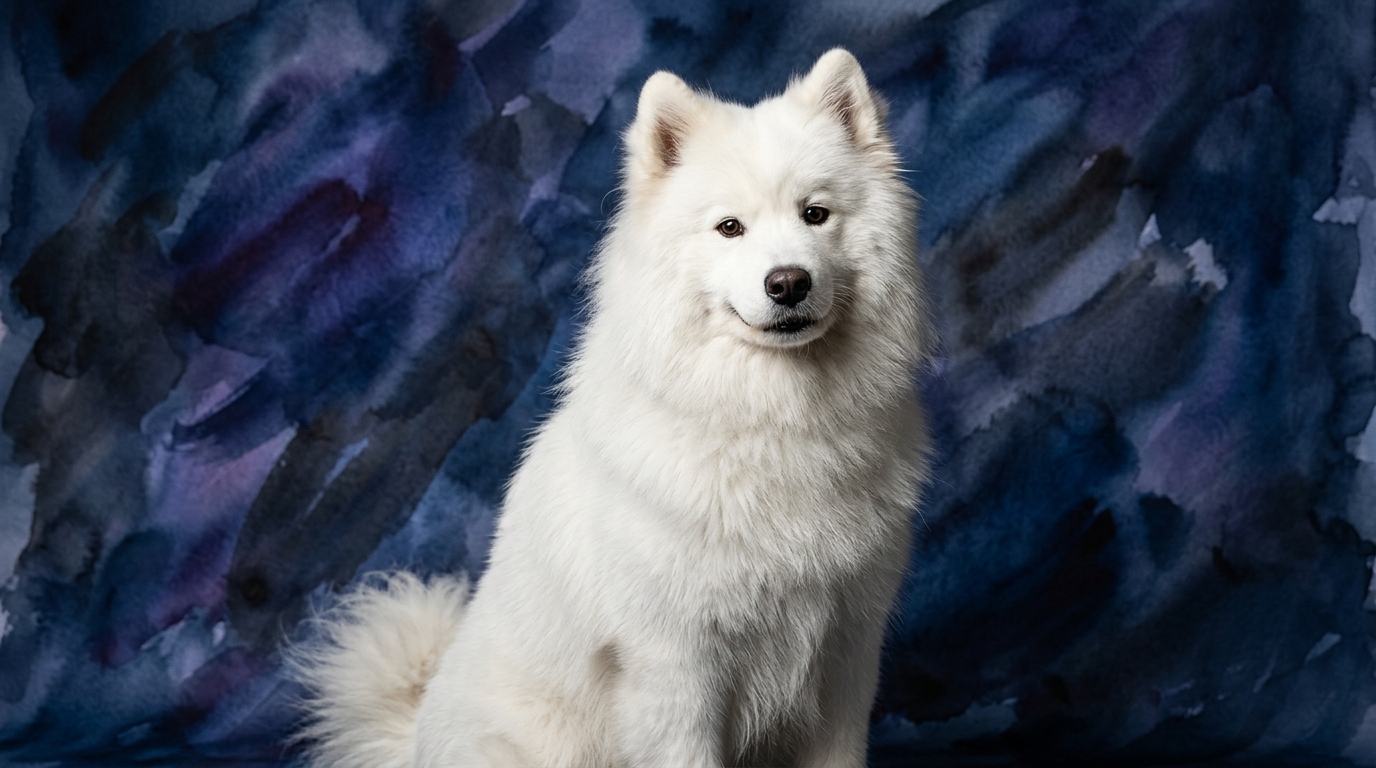
**Samoyed (Working, Coren Rank #33)**
**Problem Solving (3/5):** Samoyeds exhibit a moderate aptitude for tackling novel challenges. While capable of figuring out solutions, especially when the task involves cooperation or has a clear, immediate reward, they might not independently seek out complex puzzles for their own sake. Their approach often involves persistent trial-and-error, demonstrating a practical rather than an intricately strategic form of ingenuity.
**Training Speed (3/5):** These dogs possess a respectable pace for learning new commands and routines. Their inherent eagerness to please, combined with their highly social nature, makes them quite responsive to positive reinforcement. While they can pick up tasks efficiently, their playful spirit can sometimes lead to momentary distractions, necessitating consistent reinforcement to solidify behaviors effectively.
**Social Intelligence (5/5):** Here, the Samoyed truly shines, earning a perfect score. They are exquisitely attuned to human emotions and subtle social cues, frequently anticipating needs and responding with profound empathy. This high social intelligence makes them exceptional companions, capable of forming deep, intuitive bonds and understanding complex interpersonal dynamics within their family unit, frequently seeking interaction and connection.
**Instinctive Drive (4/5):** Reflecting their heritage as herders and sled pullers, Samoyeds possess a strong innate drive. This manifests as a desire to work collaboratively alongside humans, a natural inclination for sustained physical activity, and a moderate prey drive that can be channeled through appropriate outlets. Their instincts are often geared towards cooperation and purposeful action within a group context.
**Memory (3/5):** Samoyeds exhibit a solid, practical memory for commands, established routines, and familiar individuals. They recall learned behaviors reliably, though their memory might be more focused on positive associations and social interactions rather than recalling intricate sequences over extended periods without consistent reinforcement.
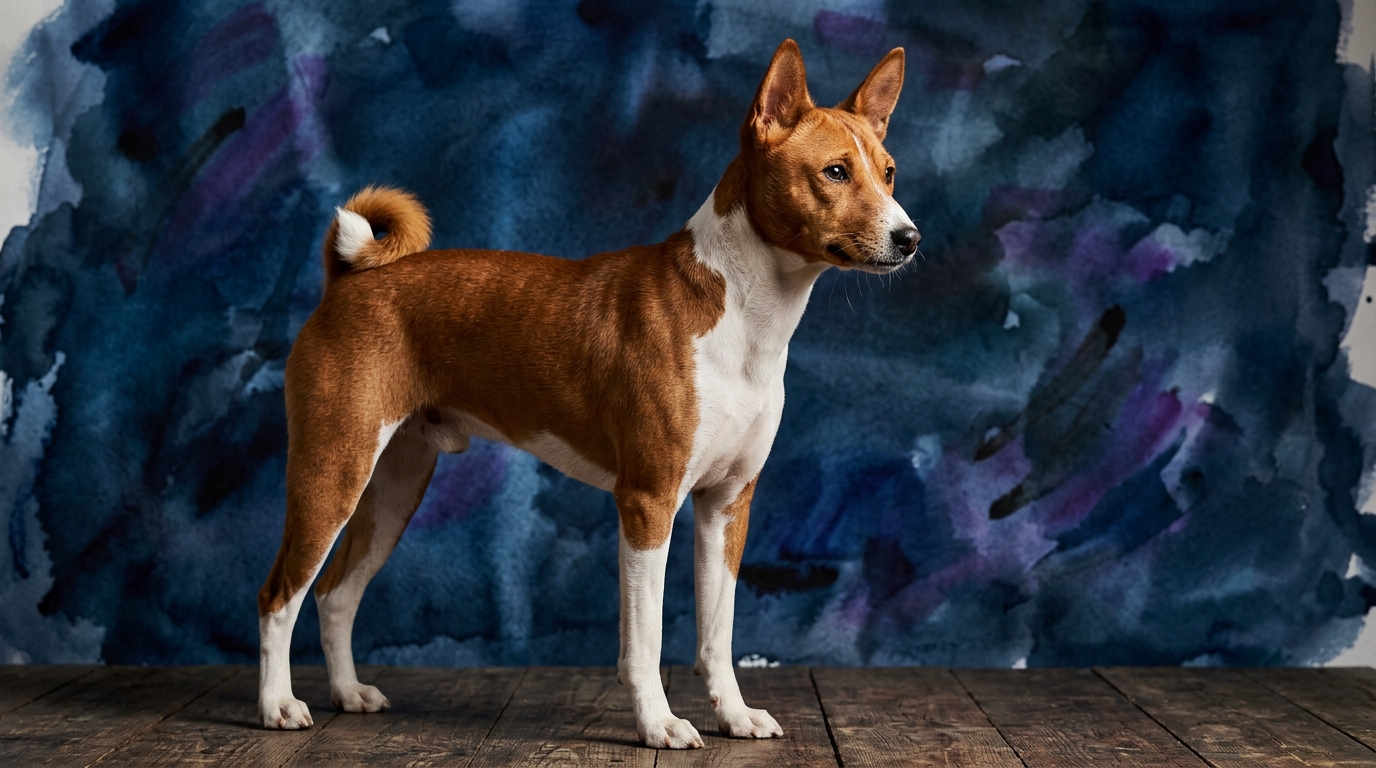
**Basenji (Hound, Coren Rank #78)**
**Problem Solving (5/5):** The Basenji excels in problem-solving, achieving a top score. These dogs are renowned for their cunning and ingenuity, often finding creative, sometimes surprisingly elaborate, ways to achieve their goals, whether it’s expertly opening a gate, reaching a forbidden treat, or outsmarting perceived barriers. They possess a keen ability to independently analyze situations and devise solutions, driven profoundly by their own motivations and desires.
**Training Speed (1/5):** This is where the Basenji presents a unique challenge, scoring a low 1 out of 5. Their profoundly independent nature and strong will mean they learn at their own pace and often only when *they* perceive significant value or intrinsic reward in the command. They are not inherently driven to please and can appear remarkably stubborn, requiring immense patience, unwavering consistency, and highly motivating, often novel, rewards from their trainers.
**Social Intelligence (3/5):** Basenjis possess a moderate level of social intelligence. While they form deep, albeit often selective, bonds with their chosen human family, their expression of social connection is typically more reserved and less overtly demonstrative than many breeds. They observe human behavior keenly but tend to act on their own interpretations and desires rather than seeking constant approval or mirroring emotions.
**Instinctive Drive (5/5):** With a perfect score in instinctive drive, Basenjis embody their hound heritage. Their powerful prey drive, keen sight, and independent hunting instincts are deeply ingrained and profoundly influential. This manifests as an intense desire to chase, explore, and follow scents, making them highly driven by their environment and internal motivations, often to the exclusion of human directives or distractions.
**Memory (4/5):** Basenjis demonstrate a strong, lasting memory, particularly for cause-and-effect relationships, spatial layouts, and environmental details. They remember where resources are located, how to manipulate objects to their advantage, and past experiences with remarkable clarity. This robust memory significantly contributes to their problem-solving prowess, enabling them to learn effectively from previous successes and failures.
Where the Samoyed Wins Cognitively
The Samoyed’s cognitive edge undeniably lies in its exceptional social intelligence. With a perfect 5/5, they exhibit an unparalleled ability to read and respond to human emotions and cues, fostering profound empathy and connection. This makes them highly attuned companions, often anticipating their owner's moods and reacting with comforting presence or playful engagement, a profound contrast to the Basenji's more reserved social expressions. Furthermore, their moderate training speed (3/5) allows them to grasp new commands more readily than a Basenji, indicating a cognitive inclination towards cooperative learning and a greater willingness to integrate human instruction into their behavioral repertoire.
Where the Basenji Wins Cognitively
The Basenji’s cognitive strengths are most prominent in its superior problem-solving abilities and powerful instinctive drive. Scoring a perfect 5/5 in problem-solving, Basenjis demonstrate an incredible capacity for independent thought and strategic planning, often devising clever methods to overcome obstacles or achieve their objectives without direct human guidance. This ingenuity contrasts sharply with the Samoyed’s more cooperative approach. Their equally perfect 5/5 instinctive drive, rooted in their ancient hunting lineage, fuels their keen observational skills and ability to navigate complex environments, giving them a sharp focus on their surroundings and an independent motivation to explore and pursue. Their strong memory (4/5) further enhances these traits, allowing them to recall learned solutions and environmental details with impressive accuracy.
Which Is Easier to Train, and Why?
When it comes to ease of training, the Samoyed holds a distinct advantage. Their training speed of 3/5, combined with their perfect 5/5 social intelligence, means they are generally eager to please and highly responsive to human instruction. They thrive on positive reinforcement and the opportunity to engage cooperatively with their owners, making the learning process a shared, enjoyable experience. In stark contrast, the Basenji, with a training speed of merely 1/5, presents a significant challenge. Their independent nature and strong instinctive drive often mean they prioritize their own motivations over human commands. Basenjis are not inherently people-pleasers; they will learn if they see a direct benefit or if the training is framed as an engaging puzzle, but they frequently require far more patience, consistency, and creative motivation to instill desired behaviors, often appearing "stubborn" due to their self-directed cognitive style.
Which Suits Active Owners vs. Relaxed Owners
The choice between these two breeds also hinges significantly on an owner’s lifestyle and specific activity preferences. The Samoyed, a working breed with a 4/5 instinctive drive and moderate problem-solving capacity, thrives with owners who can provide consistent engagement and ample opportunities for purposeful activity. This might involve long, brisk walks, participation in dog sports like agility or sledding, or simply extended periods of interactive play. While they adore companionship and are adaptable to family life, they are not content to be couch potatoes and require both mental and physical stimulation to prevent boredom and ensure their well-being. Their social intelligence makes them eager participants in shared activities. In contrast, the Basenji, with its perfect 5/5 instinctive drive and problem-solving acumen, also suits active owners, but in a distinctly different manner. They require outlets for their intense prey drive and independent problem-solving skills, often preferring structured exploration, lure coursing, or challenging puzzle toys that engage their cunning intellect over simple cooperative tasks. Their independent nature means they can be content to entertain themselves to a degree, but without sufficient mental and physical enrichment, their ingenuity can turn towards destructive behaviors or highly skilled escape artistry. A truly relaxed owner might find the Basenji's deep-seated need for intense mental stimulation and physical exertion overwhelming, while a Samoyed might become restless and vocal if its profound social and physical needs are not consistently met.
The Verdict
If you seek a deeply empathetic, highly social companion eager to participate in family life and cooperative learning, and you are prepared for their moderate physical and mental exercise needs, the Samoyed is an excellent choice.
Opt for a Basenji if you admire independent, clever problem-solvers with a strong, self-motivated drive, and you are ready for the unique challenges of training a less biddable dog, providing ample outlets for their cunning intellect and physical energy.
🧠 Find Your Pet's IQ Score
Our Pet IQ Lab assessment covers 25+ tests across 5 cognitive dimensions — personalized to your breed.
Take the Full IQ Test →Frequently Asked Questions
Are Samoyeds or Basenjis better for first-time dog owners?
Samoyeds are generally more suitable for first-time owners due to their higher social intelligence and greater willingness to please, which simplifies training and integration into a new home. Basenjis, with their independent nature and challenging training speed, typically require more experienced handling.
Which breed requires more mental stimulation?
While both benefit from mental engagement, the Basenji arguably requires more *specific* mental stimulation due to its high problem-solving and instinctive drive, often needing puzzles and activities that challenge its independent cunning. The Samoyed benefits from social interaction and cooperative tasks.
How does Coren Rank relate to their IQ profiles?
Coren Rank primarily measures "working intelligence" or obedience training aptitude. The Samoyed's higher rank (33) reflects its better training speed and social intelligence, while the Basenji's lower rank (78) highlights its independence and lower training speed, despite its superior problem-solving abilities.