Side-by-Side Cognitive Profile: Samoyed vs. Basset Hound
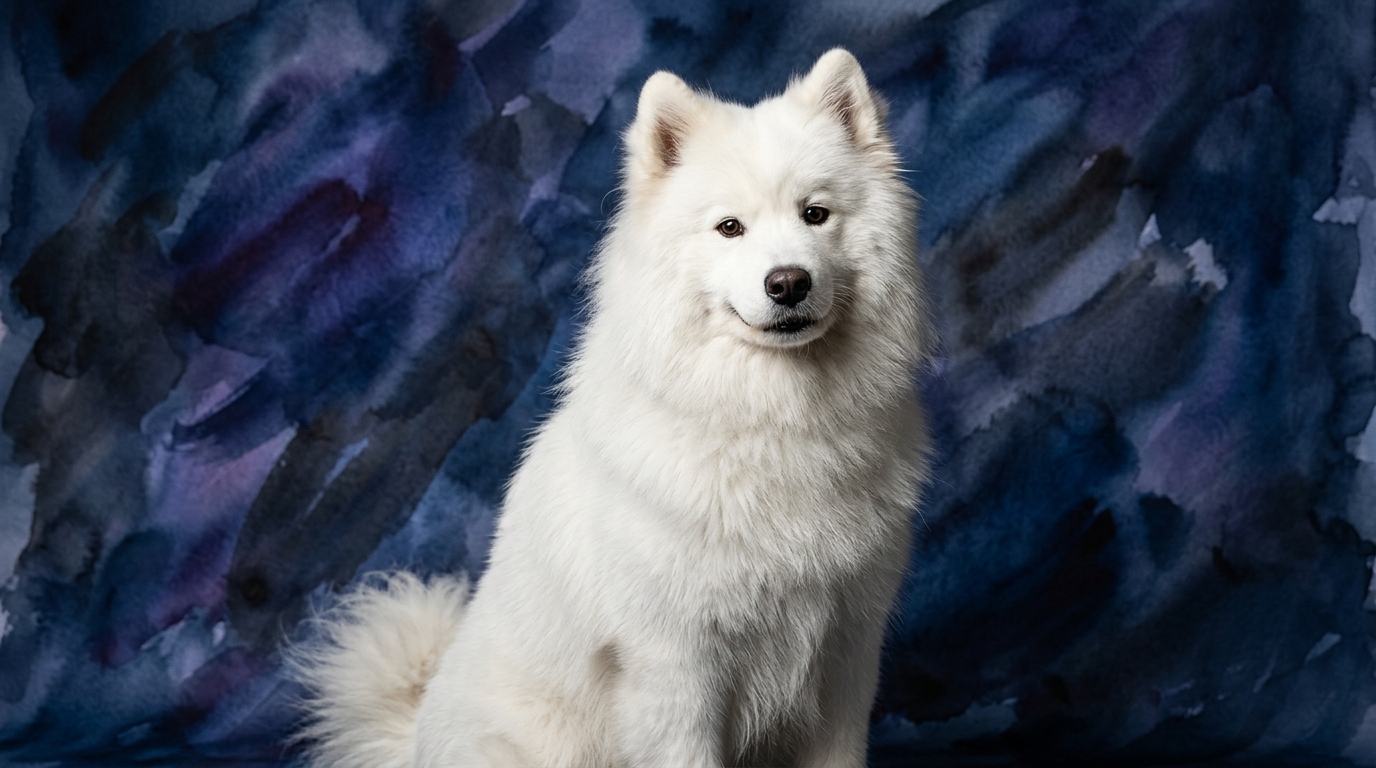
The Samoyed, a Working breed with a Coren ranking of #33, presents a cognitive profile geared towards cooperative effort and social engagement. Their Problem Solving is rated 3/5, indicating a moderate capacity for independent thought, often preferring to work alongside their human companions. Training Speed is also 3/5, meaning they require consistent, positive reinforcement to solidify new behaviors. A standout feature is their Social Intelligence at 5/5, reflecting an exceptional ability to understand human cues and intentions, fostering deep bonds. Their Instinctive Drive is strong at 4/5, rooted in their history as herding and sled-pulling dogs, requiring purpose and activity. Memory sits at 3/5, allowing for effective recall of learned routines without immediate perfection.
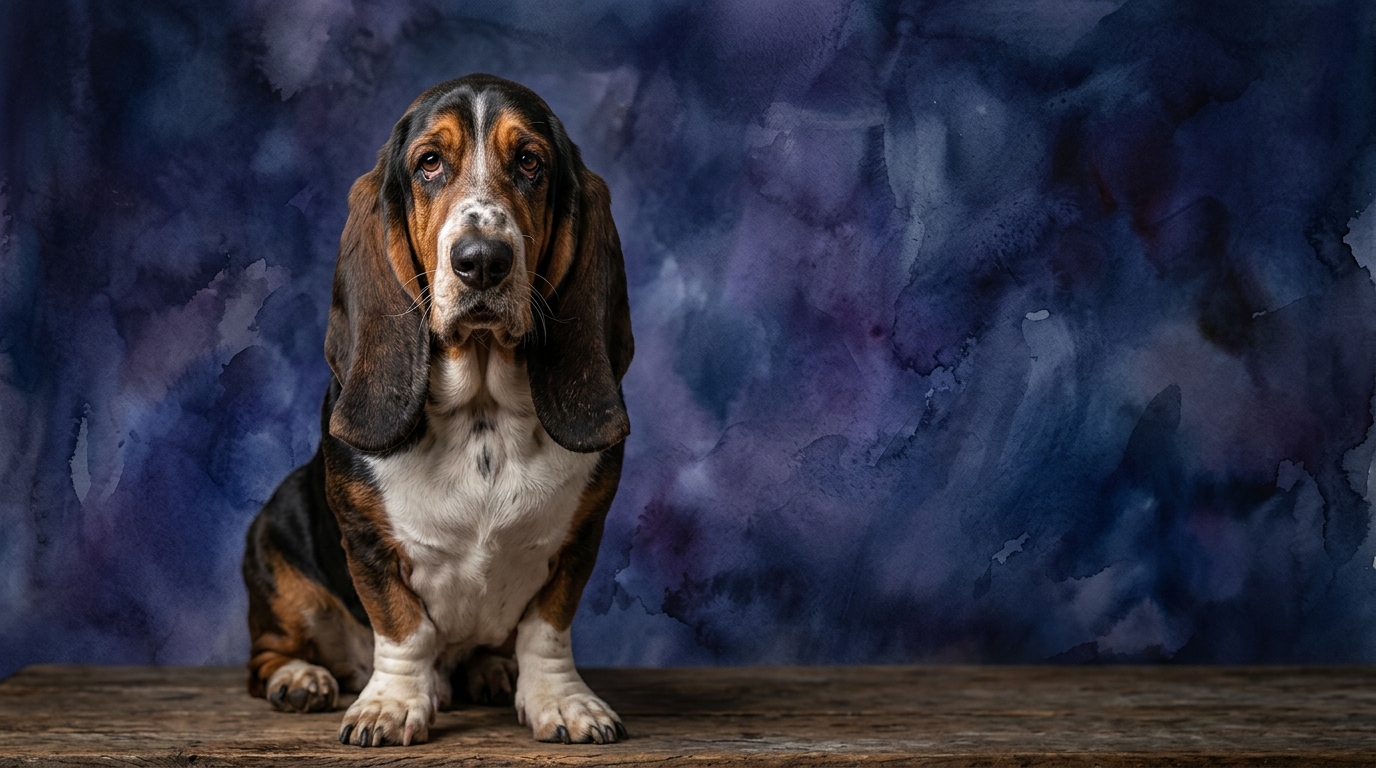
In contrast, the Basset Hound, a Hound breed with a Coren ranking of #71, displays a cognitive makeup specialized for olfactory pursuits. Their Problem Solving is 3/5, primarily focused on independently navigating complex scent trails, often to the exclusion of other stimuli. Training Speed is 3/5, similar to the Samoyed in raw capacity, but their independent nature and powerful scent drive can make them appear more challenging in traditional obedience settings. Social Intelligence is 3/5; while affectionate, Bassets are generally more self-contained and less overtly keen to interpret human social cues. Their Instinctive Drive is 3/5, intensely centered on scent-tracking, but with a lower overall drive for diverse physical activities. Memory is also 3/5, functional for scent patterns and routines, though recall for arbitrary commands can be influenced by environmental distractions.
Where the Samoyed Wins Cognitively
The Samoyed clearly excels in the realm of social intelligence, scoring a perfect 5/5 compared to the Basset Hound's 3/5. This translates into a profound capacity for understanding human emotions and intentions, making them exceptionally attuned companions who actively seek cooperation and partnership. Their higher instinctive drive of 4/5, rooted in their working heritage, means they possess a greater inherent motivation for purposeful activity and a broader scope for learning complex, multi-step tasks beyond basic obedience. This drive also contributes to their higher Coren ranking (#33), indicating a more general aptitude for quickly grasping and consistently executing new commands, often driven by a desire to please and engage with their human counterparts. While both share a 3/5 in problem-solving, the Samoyed's application of this skill is more versatile, often applied to tasks requiring collaborative effort or adapting to new situations within a working context, rather than solely independent sensory pursuits.
Where the Basset Hound Wins Cognitively
While the Basset Hound's overall cognitive scores might appear lower, their specific cognitive strengths are profoundly impactful within their specialized domain. Their 3/5 problem-solving, while numerically similar to the Samoyed, is uniquely geared towards intricate scent-based puzzles; a Basset Hound can meticulously unravel a complex scent trail with unparalleled focus, demonstrating a persistence that few other breeds can match. This translates into a highly specialized instinctive drive (3/5 overall, but intensely focused on scent) where their cognitive efforts are channeled into an independent pursuit of olfactory information. This intense, self-directed problem-solving and drive means they are less reliant on human direction for engagement in their preferred activity, making them champions of independent exploration and a unique kind of self-motivated cognitive work. For owners who value a dog with a profound, independent sense of purpose and the ability to entertain themselves with their nose, the Basset's cognitive profile is a distinct advantage.
Training Aptitude: Samoyed vs. Basset Hound
When evaluating ease of training, the Samoyed generally presents a more straightforward experience for typical obedience. Their superior social intelligence (5/5) means they are highly motivated by human interaction and praise, often actively seeking to understand and comply with commands to maintain that connection. Despite a moderate training speed (3/5), their cooperative nature and inherent desire for a "job" from their working background make them willing partners in the learning process. This willingness to engage and inherent desire to please can make the training journey feel more collaborative and less like a constant battle of wills.
Conversely, the Basset Hound, with its lower Coren rank (#71) and social intelligence (3/5), often presents a greater training challenge. Their powerful instinctive drive for scent-tracking means that once a compelling smell is detected, their focus can become singularly devoted to following it, making them appear "stubborn" or easily distracted from human-initiated commands. While their training speed is also 3/5, their independent nature and lower inherent desire to please can require more patience, creativity, and high-value rewards to achieve consistent results, particularly in environments with competing olfactory stimuli. Training a Basset often involves working with their nose, rather than against it.
Lifestyle Match: Active vs. Relaxed Owners
The Samoyed is an ideal companion for active owners who can provide ample mental and physical engagement. Their 4/5 instinctive drive means they thrive on purpose, whether it's long walks, hiking, dog sports, or even learning complex tricks. An owner who can channel their boundless energy and social intelligence into collaborative activities will find a deeply rewarding partnership. Without sufficient stimulation, a Samoyed might invent their own "jobs," which can manifest as undesirable behaviors like excessive barking or digging. Their need for interaction and activity means they are not suited for long periods of solitude or a sedentary lifestyle.
In contrast, the Basset Hound, while possessing a dedicated scent drive, generally suits more relaxed owners. Their 3/5 instinctive drive is less about sustained physical exertion and more about focused, independent nose work. While they enjoy a good sniffari and moderate walks, they are equally content to lounge, making them suitable for individuals who appreciate a calm presence but are still willing to engage their dog's powerful nose with scent games or tracking activities. Owners must understand that "relaxed" for a Basset doesn't mean "no activity"; it means activity of a different, often less physically demanding, kind, punctuated by periods of profound rest.
The Verdict
Opt for a Samoyed if you seek a highly cooperative, socially attuned partner for an active lifestyle, willing to engage in diverse training and activities.
Choose a Basset Hound if you appreciate an independent, calm companion with an unparalleled dedication to scent work, and you are prepared for a more patient, scent-focused training approach.
🧠 Find Your Pet's IQ Score
Our Pet IQ Lab assessment covers 25+ tests across 5 cognitive dimensions — personalized to your breed.
Take the Full IQ Test →Frequently Asked Questions
Does a Samoyed's social intelligence make them clingy?
While Samoyeds form deep bonds and enjoy close companionship due to their high social intelligence, they are generally not overly clingy. They thrive on interaction and being part of family activities, but their working heritage also instills a confident self-possession.
Can a Basset Hound be trained for more than just scent work?
Yes, Basset Hounds can certainly learn various commands and tricks beyond scent work. However, their training often requires more patience, consistency, and a highly motivating reward system due to their independent nature and strong olfactory distractions.
How much exercise do these breeds truly need?
Samoyeds require significant daily exercise, including vigorous play, long walks, or running, to satisfy their high instinctive drive. Basset Hounds need moderate daily exercise, primarily incorporating "sniffaris" or scent games, alongside leisurely walks to keep them healthy and engaged.