Side-by-Side IQ Profile: Samoyed vs. Black Russian Terrier
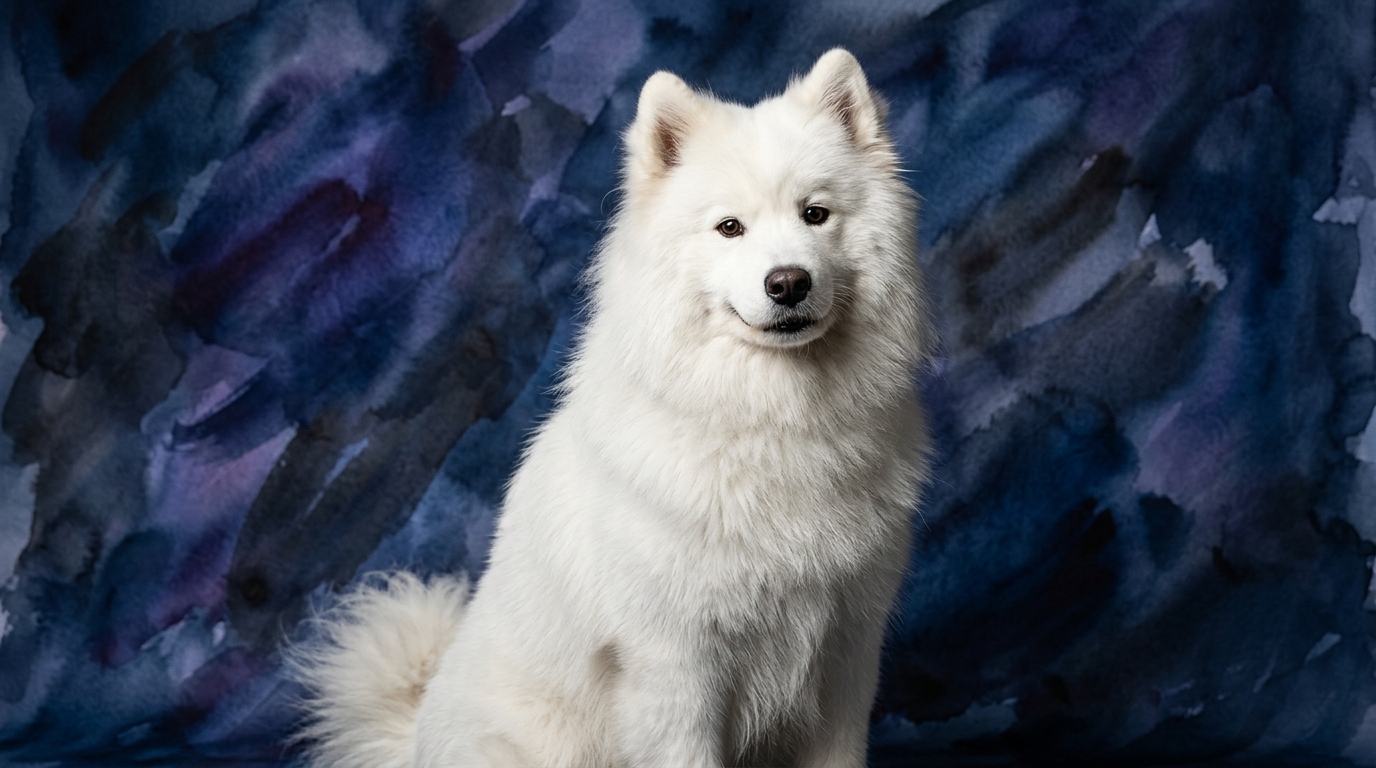
Our Pet IQ Lab provides a granular look into the cognitive dimensions of these impressive dogs. For the Samoyed, a breed Coren-ranked at #33, their Problem Solving registers at 3 out of 5, indicating a resourceful nature capable of navigating challenges, though not always seeking the most streamlined solution. Their Training Speed also scores 3 out of 5, meaning they learn consistently, but often require clear motivation and a 'what's in it for me' approach. Where the Samoyed truly shines is in Social Intelligence, earning a perfect 5 out of 5 for their exceptional ability to read human cues, forge deep bonds, and seamlessly integrate into social dynamics. Their Instinctive Drive is a robust 4 out of 5, reflecting a strong innate desire for purpose-driven tasks like herding or pulling, while their Memory sits at a solid 3 out of 5, allowing for good retention of learned behaviors.
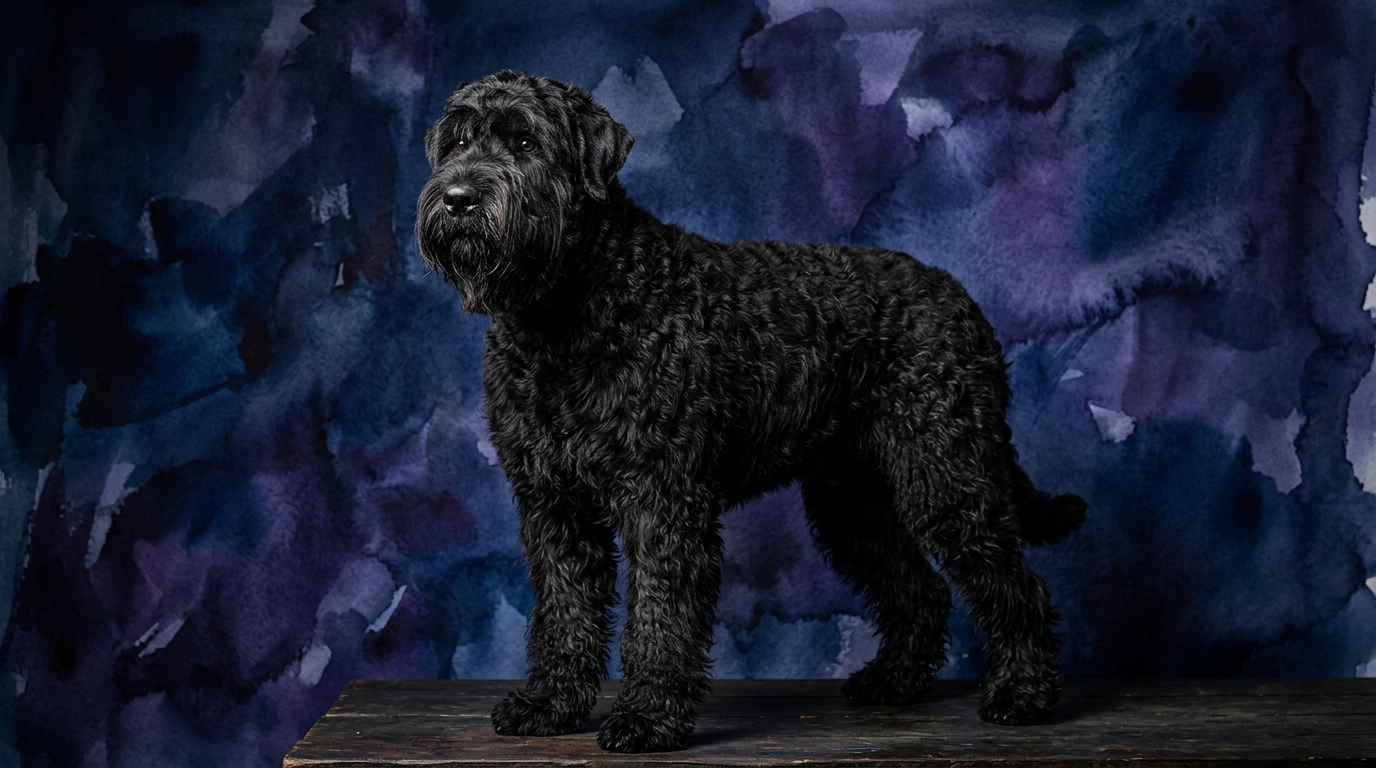
The Black Russian Terrier, a formidable working breed without a specific Coren rank, presents a slightly different cognitive blueprint. Their Problem Solving is rated 3 out of 5, demonstrating their capacity to tackle complex situations, often relying on learned patterns or a direct approach rather than intricate strategizing. Their Training Speed matches the Samoyed at 3 out of 5, indicating they are steady learners, though their independent streak necessitates consistent and patient guidance. In Social Intelligence, the Black Russian Terrier scores 3 out of 5; they are observant and devoted to their family but tend to be more reserved with strangers and less overtly demonstrative in their interactions. Their Instinctive Drive is 3 out of 5, characterized by strong guarding instincts and a moderate prey drive, rather than a continuous high-energy work ethic. Finally, their Memory, like the Samoyed's, stands at 3 out of 5, ensuring reliable retention of training over time.
Where the Samoyed Wins Cognitively
The Samoyed's cognitive profile reveals distinct advantages, particularly in areas of social engagement and sustained motivation. Their exemplary Social Intelligence, rated 5 out of 5 compared to the Black Russian Terrier's 3 out of 5, positions them as masters of interspecies communication. This isn't merely about friendliness; it signifies a profound capacity to interpret subtle human expressions, vocalizations, and body language, leading to an almost empathic understanding of their human companions. This heightened social awareness translates into a dog that is exceptionally cooperative, eager to participate in family activities, and deeply attuned to the emotional atmosphere of their home, making them incredibly intuitive companions.
Furthermore, the Samoyed's Instinctive Drive, at 4 out of 5 versus the Black Russian Terrier's 3 out of 5, suggests a more inherent and sustained enthusiasm for collaborative tasks. While both are working breeds, the Samoyed often derives immense satisfaction from working alongside humans, whether it's pulling a sled, engaging in agility, or participating in long hikes. This higher drive means they are generally less prone to boredom when given a constructive outlet for their energy and intellect, often seeking out opportunities to engage and contribute, which can simplify motivation in various contexts.
Where the Black Russian Terrier Excels Cognitively
While the Black Russian Terrier shares some similar cognitive scores with the Samoyed, their strengths lie in a different quality of intellect, particularly concerning their inherent purpose. Their Problem Solving, rated 3 out of 5, is often channeled through a lens of steadfastness and resolve. When faced with a challenge, a BRT might not seek the most novel solution, but rather apply a consistent, determined effort, often relying on their physical presence and a methodical approach. This measured problem-solving contributes to their reliability in situations demanding calm assessment and unwavering commitment, especially in their traditional roles.
The Black Russian Terrier's Instinctive Drive, while scoring 3 out of 5, is distinctively focused on protection and territoriality, a cognitive strength that manifests differently from the Samoyed's cooperative working drive. This drive requires a specific type of situational awareness and strategic thinking—assessing perceived threats, understanding boundaries, and acting with purposeful intent. Their social intelligence, also 3 out of 5, supports this by enabling them to be discerning observers of their environment, capable of distinguishing between friend and potential intruder, and acting with a reserved but profound loyalty. This combination allows for a self-reliant and composed demeanor, which, while not overtly effusive, signifies a deep and unwavering cognitive commitment to their family and domain.
Which is Easier to Train and Why
When evaluating trainability, the Samoyed generally presents a more straightforward path for the average owner, primarily due to their superior Social Intelligence (5/5). Their innate desire to connect and cooperate with humans means they are highly receptive to feedback and often find intrinsic reward in pleasing their handler. While their Training Speed is 3/5, suggesting a steady learning curve, their eagerness to engage and their strong bonds with people translate into a more willing participant in training sessions, provided those sessions are positive and rewarding. They thrive on interactive learning and respond well to praise and affection, making them highly motivated to work alongside their human companions.
The Black Russian Terrier, with a matching Training Speed of 3/5 but lower Social Intelligence (3/5) and Instinctive Drive (3/5), typically requires a different training approach. Their independence and reserved nature mean they might not be as overtly motivated by social praise alone. Training a BRT often demands exceptional consistency, clear and firm directives, and a deep understanding of their guardian instincts. They learn effectively, but their drive is less about pleasing and more about understanding the task's purpose and its place within their structured world. Owners must establish themselves as confident leaders, channeling the BRT's intelligence and resolve into desired behaviors, which can be more challenging for novice trainers compared to the Samoyed's more cooperative disposition.
Which Suits Active Owners vs. Relaxed Owners
Neither the Samoyed nor the Black Russian Terrier is suited for truly 'relaxed' owners in the sense of minimal engagement; both are working breeds requiring significant mental and physical outlets. However, their activity needs and preferred types of engagement differ. The Samoyed, with their 4/5 Instinctive Drive and 5/5 Social Intelligence, thrives with active owners who enjoy shared adventures. They are ideal for individuals or families who want a constant companion for hiking, running, sledding, or engaging in dog sports. Their high social needs mean they prefer to be involved in all family activities, flourishing when their physical and mental energy is channeled into cooperative tasks alongside their humans. An owner who enjoys outdoor exploration and can dedicate ample time to interactive play and companionship will find a Samoyed to be an enthusiastic and joyful partner.
The Black Russian Terrier, while also requiring regular exercise and mental stimulation, may suit owners whose 'activity' involves more structured routines and a focus on their dog's protective instincts. With a 3/5 Instinctive Drive, their energy isn't necessarily about constant high-intensity output, but rather about purposeful activity. They benefit from owners who provide secure outdoor spaces for patrolling, engage in obedience or protection training, and offer consistent, meaningful walks. They can be content with a strong daily routine that includes physical exertion and mental challenges, but they might not possess the same effusive desire for continuous, human-centric adventure as a Samoyed. Owners who appreciate a steadfast, watchful companion and are prepared for consistent, structured training and exercise will find the BRT a rewarding fit.
The Verdict
Choose a Samoyed if you value a profoundly social, cooperative, and effusive companion who thrives on being an active, integrated family member and partner in shared adventures.
Opt for a Black Russian Terrier if you seek a steadfast, protective, and independent companion with calm resolve, valuing strong guardian instincts within a structured, consistent home environment.
🧠 Find Your Pet's IQ Score
Our Pet IQ Lab assessment covers 25+ tests across 5 cognitive dimensions — personalized to your breed.
Take the Full IQ Test →Frequently Asked Questions
Are Samoyeds truly as friendly as their high social intelligence suggests?
Yes, their 5/5 social intelligence indicates a genuine enjoyment of interaction and a strong capacity for forming deep bonds, often extending their warmth beyond their immediate family. However, early socialization remains crucial to ensure this innate friendliness is channeled appropriately.
How does the Black Russian Terrier's guarding instinct influence its problem-solving abilities?
The Black Russian Terrier's guarding nature often means their problem-solving is intrinsically linked to assessing and responding to potential threats. This requires acute situational awareness and a decisive, rather than overtly creative, approach to protecting their territory and family, leveraging their inherent steadiness.
Despite similar scores, what is a key training difference between the two breeds?
The Samoyed's higher social intelligence makes them more attuned to human feedback and eager to please within a cooperative framework, often responding well to positive reinforcement and praise. In contrast, the Black Russian Terrier's independence means training often benefits from consistent, firm, and clear directives, leveraging their inherent resolve and requiring a more structured approach.