Side-by-Side Cognitive Profiles
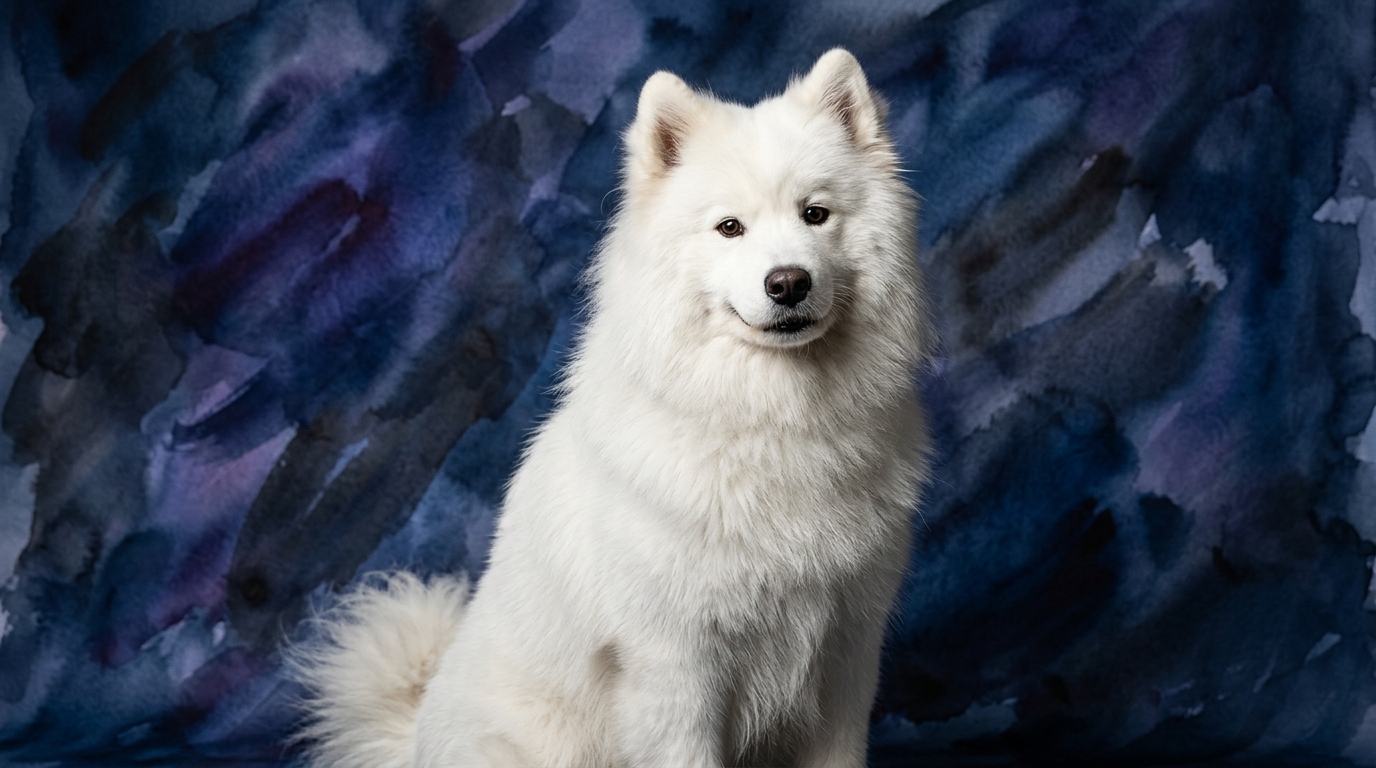
The Samoyed, a breed with Arctic working roots, shows a problem-solving ability of 3/5, indicating independent thought and resourceful solutions that may not always align with human directives. Their training speed is also 3/5; while capable, their independence demands consistent, engaging methods. Social intelligence is an exceptional 5/5, reflecting a profound attunement to human emotions and a strong desire for companionship. An instinctive drive of 4/5 reveals a deep need for purpose, often expressed through pulling or active family participation. Memory, rated 3/5, means they retain commands adequately, benefiting from regular reinforcement.
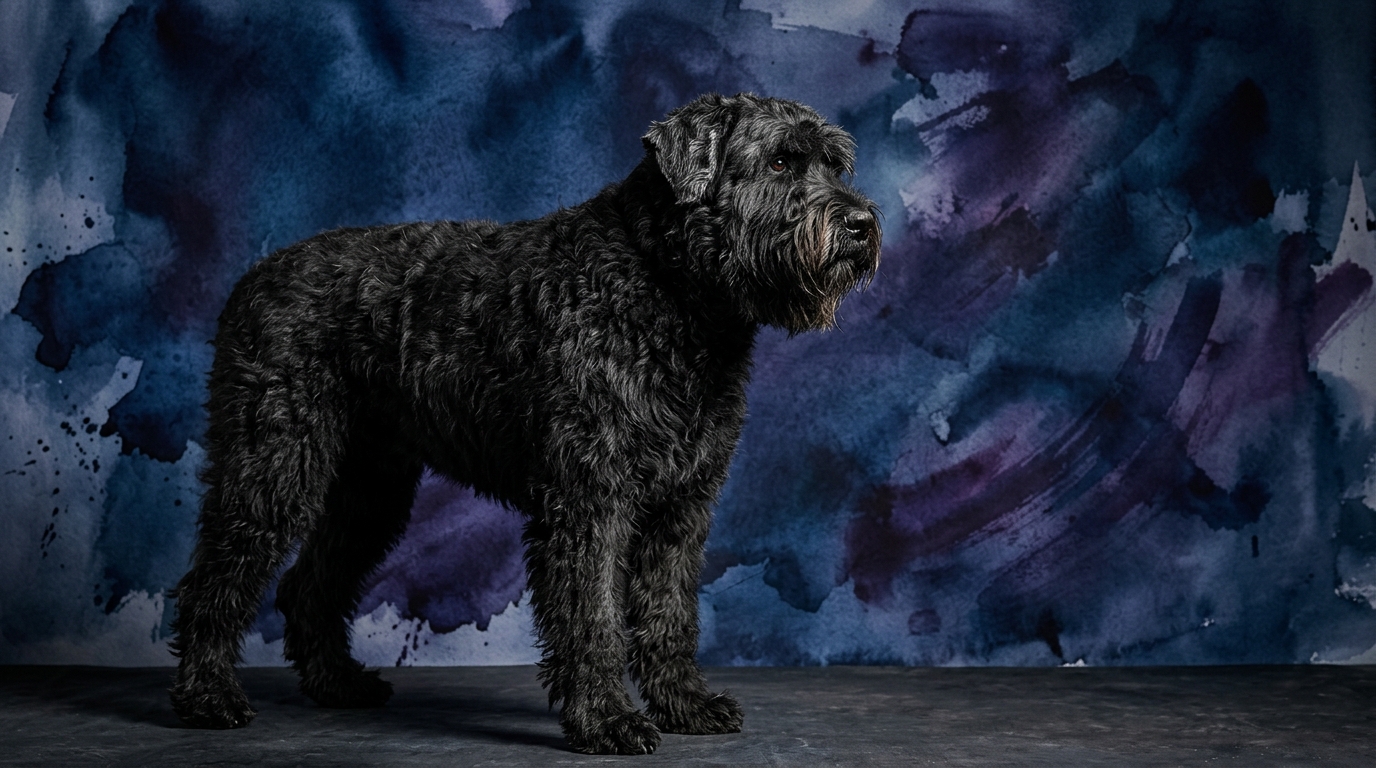
The Bouvier des Flandres, bred for herding and guarding, exhibits a uniformly balanced cognitive profile. Problem-solving is 3/5, a practical intelligence for assessing situations and duty-pertinent decisions. Training speed, also 3/5, describes steady learners who thrive on clear, consistent instruction, though their reserved nature can be misread. Social intelligence stands at 3/5, indicating loyalty to family but general reservation with strangers, less overtly expressive than the Samoyed. Their instinctive drive, 3/5, is geared towards herding and protection, desiring structure and a clear role. Memory, rated 3/5, allows reliable recall of established commands and routines.
Where the Samoyed Excels Cognitively
The Samoyed's cognitive strength lies in its exceptional social intelligence (5/5). This breed possesses an unparalleled ability to read human emotions and social cues, making them incredibly empathetic and responsive companions. This deep understanding fosters strong bonds and an eagerness to participate in shared activities, often anticipating their owner's moods. Their drive for interaction makes them highly communicative, creating a dynamic partnership for those valuing an interactive canine.
Furthermore, the Samoyed's instinctive drive (4/5) often manifests as a joyous enthusiasm for engagement. Rooted in sled-pulling, this drive translates into a strong desire for active participation in family life. They thrive when given opportunities to 'work' alongside humans, whether through walks, games, or carrying a pack. This intrinsic motivation for cooperative activity, combined with their social acumen, makes them spirited and willing participants in family adventures.
Where the Bouvier des Flandres Shines Cognitively
The Bouvier des Flandres' cognitive strengths stem from its herding and guarding heritage, translating into practical intelligence and steadfastness. While their general instinctive drive is 3/5, their specialized drive for protection and livestock management is highly refined. This breed demonstrates keen observational capacity, assessing environments and potential threats with discerning eyes. Their problem-solving ability (3/5) is particularly effective in real-world scenarios requiring judgment and decisive action within their protective role, showcasing a reliable, task-oriented approach.
A key advantage for the Bouvier is their consistent cognitive profile, with all five dimensions at 3/5. This uniformity suggests a dependable and predictable dog once trained, excelling in tasks requiring adherence to rules and routines. They offer a grounded, unwavering presence, ideal for owners valuing a dog with purpose and a solid temperament.
Trainability: A Tale of Two Approaches
Despite both having a training speed rating of 3/5, Samoyed and Bouvier des Flandres present distinct trainability profiles. The Samoyed, with its high social intelligence (5/5), is eager to please and thrives on positive, relationship-based training. Their desire to interact makes them receptive to engaging learning. However, their independent streak and distractibility mean consistency is crucial; owners must make training enjoyable and rewarding to maintain focus.
The Bouvier des Flandres, with lower social intelligence (3/5) and a reserved nature, approaches learning differently. They respond best to clear, firm, and consistent instruction from a confident leader. Their practical intelligence means they excel when tasks have clear objectives and structure. They can be stubborn if they don't perceive a command's value or if the handler is inconsistent. Training a Bouvier requires patience, a calm demeanor, and understanding their working dog mentality to establish respect and cooperation.
Lifestyle Match: Active Engagement vs. Structured Purpose
For active, highly engaged companions, the Samoyed stands out. Their instinctive drive (4/5) and exceptional social intelligence (5/5) mean they thrive as integral family members, requiring substantial physical and mental stimulation. They are not suited to a sedentary lifestyle and may develop undesirable behaviors if under-exercised or isolated. Long walks, hikes, running, and dog sports are excellent outlets for their energy and desire for companionship. They need an owner ready for a partner in every adventure.
The Bouvier des Flandres also requires an active owner, but their needs lean towards structured purpose. Their instinctive drive (3/5) focuses on having a job and routine. They need consistent daily exercise and mental challenges, often preferring purposeful activities like obedience or long, exploratory walks. While calm indoors once needs are met, they are not for truly relaxed owners. They thrive under consistent leadership, requiring an owner to provide clear boundaries and engage them in meaningful work as a diligent, watchful presence.
The Verdict
Choose a Samoyed if you seek an exceptionally social, communicative, and joyful companion who will thrive on being an active, integrated family member eager for shared adventures. Their sparkling personality and desire for interaction make them ideal for owners who enjoy a highly involved canine relationship.
Opt for a Bouvier des Flandres if you appreciate a loyal, steadfast, and protective companion who values purpose and structure, offering a reliable presence and a discerning intelligence that excels in guarding and practical tasks. They suit owners who can provide consistent leadership and engage them in meaningful work.
🧠 Find Your Pet's IQ Score
Our Pet IQ Lab assessment covers 25+ tests across 5 cognitive dimensions — personalized to your breed.
Take the Full IQ Test →Frequently Asked Questions
Are Samoyeds good guard dogs?
While their social intelligence makes them alert to newcomers, Samoyeds are typically too friendly and welcoming to be effective guard dogs, more likely to greet than deter. They may bark to announce visitors, but their primary instinct is companionship, not protection.
Do Bouvier des Flandres get along with other pets?
Bouvier des Flandres can coexist with other pets, especially if raised together, but their strong herding instinct may lead them to try and 'manage' smaller animals. Careful introductions and consistent supervision are crucial to ensure harmonious multi-pet households.
Which breed is more adaptable to apartment living?
Neither breed is ideally suited for small apartment living without significant owner commitment. Both require substantial daily exercise and mental engagement. A Samoyed might struggle more with confinement due to their high social needs and energy, while a Bouvier, if sufficiently exercised, might tolerate it better but still prefers space to patrol.