Side-by-Side IQ Profile: Samoyed vs. Boykin Spaniel
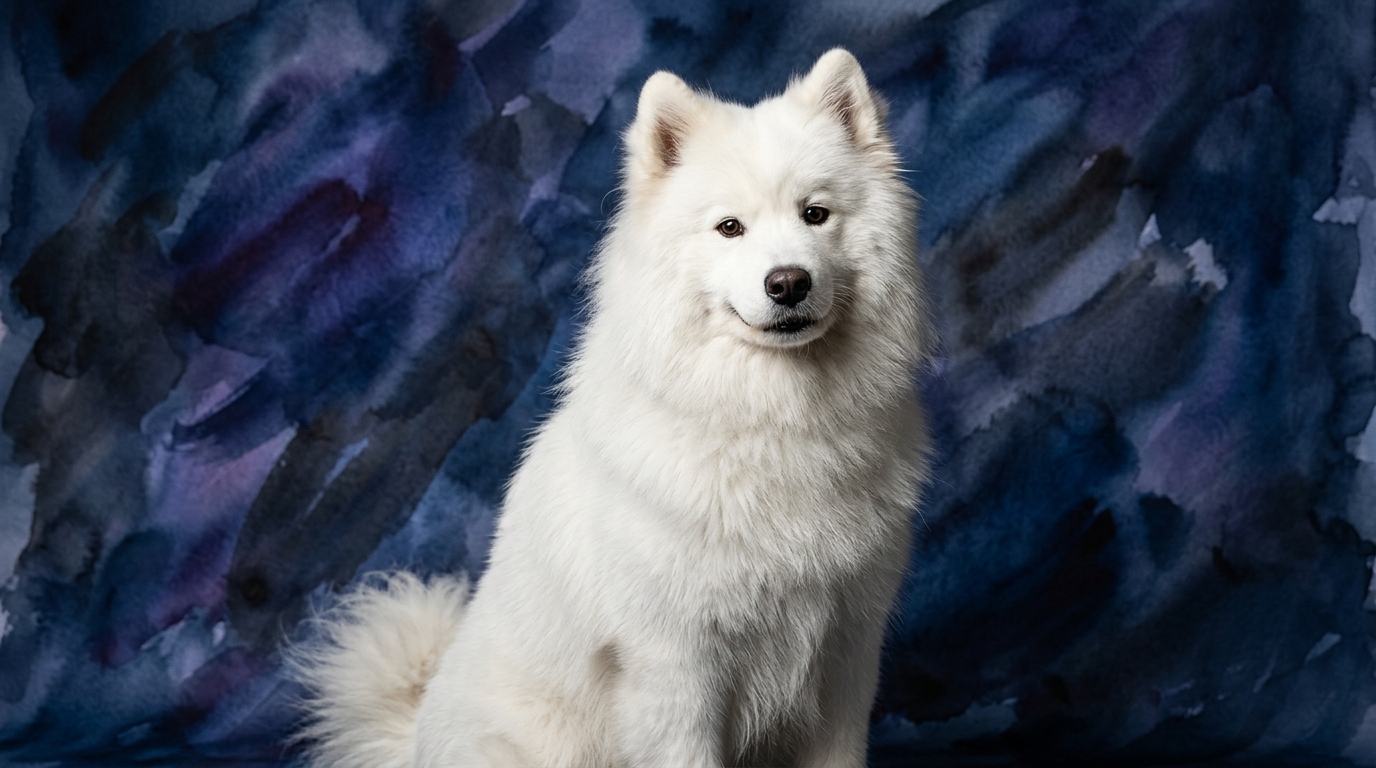
The Cosmic Pet Pet IQ Lab employs a comprehensive framework to evaluate canine cognition, assessing five key dimensions. For the Samoyed, a breed Coren-ranked at #33, its profile includes a Problem Solving score of 3/5, indicating a moderate capacity for independent thought and overcoming novel challenges. Its Training Speed is also 3/5, suggesting a reasonable pace for learning new commands and routines, neither exceptionally fast nor particularly slow. Where the Samoyed truly shines is its Social Intelligence, scoring an impressive 5/5; this reflects a profound understanding of human cues, strong emotional connections, and a desire for interaction, stemming from its history as a companion and herding dog in close proximity to people. Its Instinctive Drive stands at 4/5, highlighting a strong inherent motivation for its traditional roles, such as pulling or herding, which translates into a robust drive for activity. Finally, its Memory score is 3/5, signifying a solid ability to recall learned behaviors and past experiences.
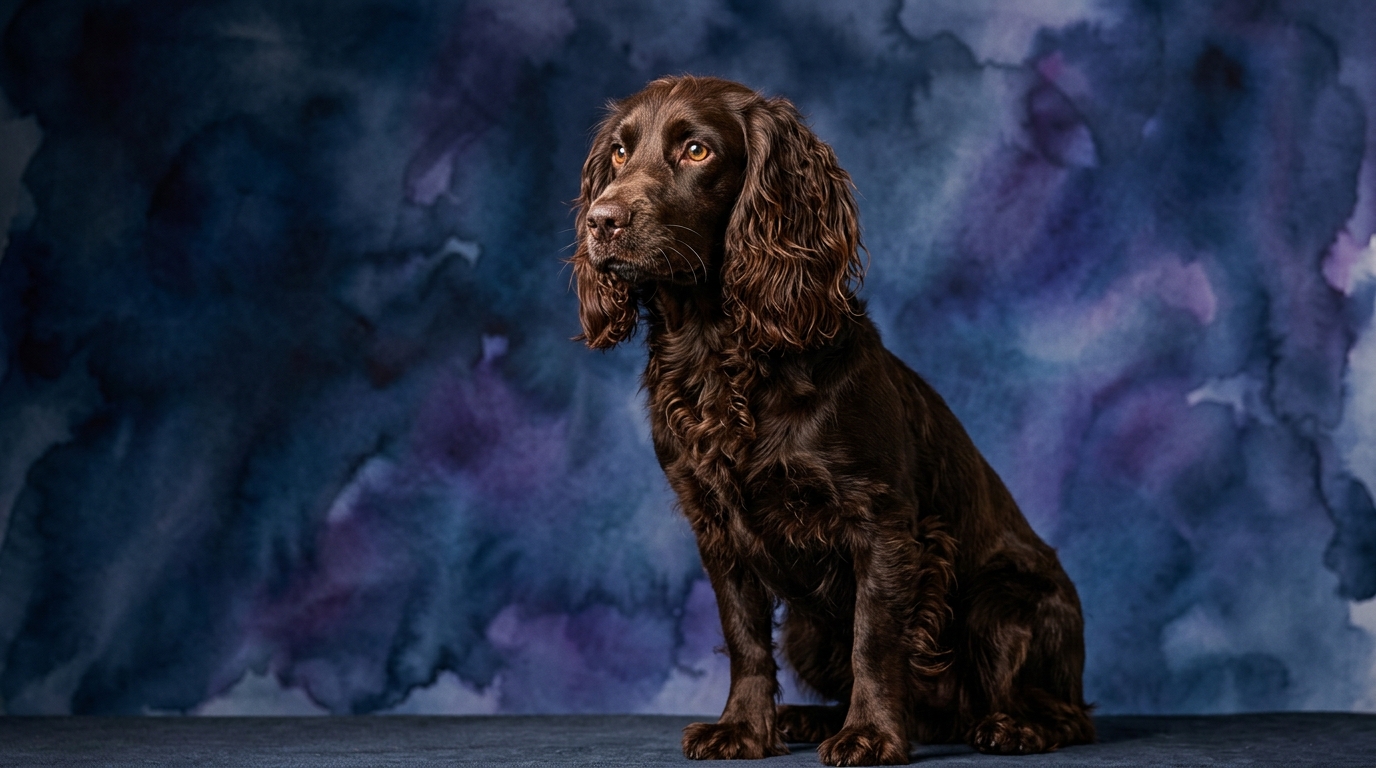
In contrast, the Boykin Spaniel, a dedicated sporting breed without a specific Coren ranking, presents a more uniformly balanced cognitive profile across all five dimensions. Its Problem Solving ability is rated at 3/5, similar to the Samoyed, demonstrating a practical capacity to navigate tasks and situations, particularly those related to its hunting heritage. The Boykin's Training Speed also scores 3/5, meaning it learns at a steady, consistent rate, responding well to structured lessons. Its Social Intelligence is 3/5, indicating a good but not overwhelming connection with humans; they are affectionate and cooperative but perhaps less intensely focused on social interaction than a Samoyed. The Instinctive Drive for a Boykin Spaniel is 3/5, reflecting a purposeful drive for retrieving and flushing game, which is strong enough for its work but typically less broad-ranging than a working breed's general drive. Lastly, its Memory is 3/5, allowing it to retain training and recall game locations effectively over time. This balanced profile makes the Boykin a highly functional and reliable partner in its specialized field.
Where the Samoyed Wins Cognitively
The Samoyed's cognitive strengths distinctly lie in its profound social acumen and robust instinctive drives, areas where it outpaces the Boykin Spaniel. With a Social Intelligence score of 5/5, the Samoyed possesses an exceptional ability to read human emotions, respond to subtle social cues, and integrate seamlessly into family dynamics. This isn't just about being friendly; it's a deep-seated understanding of its place within a human 'pack,' making it remarkably attuned to its owners' moods and intentions. This high social intelligence fosters a strong desire for companionship and participation in human activities, often leading to a more collaborative learning environment where the dog actively seeks to engage with its trainer.
Furthermore, the Samoyed's Instinctive Drive of 4/5, compared to the Boykin's 3/5, signifies a stronger, more generalized internal motivation for activity and purpose. Originating from sled-pulling and reindeer-herding lineages, Samoyeds possess an inherent zest for life and an urge to 'work,' even if that work is simply accompanying their humans on long excursions or engaging in complex play. While both breeds show 3/5 in problem-solving and training speed, the Samoyed's higher social intelligence can make it more adaptable to varied social settings and quicker to understand complex inter-personal dynamics, while its stronger drive means it often initiates engagement and seeks out activities more proactively.
Where the Boykin Spaniel Wins Cognitively
While the Boykin Spaniel's scores are consistently 3/5 across all five IQ dimensions, this balanced profile represents a significant cognitive 'win' in terms of focused utility and efficiency for its specific purpose. Unlike the Samoyed's broader, higher social and instinctive drives, the Boykin's balanced 3/5 in problem-solving, training speed, social intelligence, and instinctive drive coalesce to create an incredibly effective and manageable hunting companion. Its problem-solving ability, though not off-the-charts, is perfectly adequate for navigating dense cover and locating downed game without excessive independent strategizing that might deviate from the handler's plan.
The Boykin's 3/5 in Instinctive Drive means it possesses ample motivation for retrieving and flushing, but this drive is typically more contained and directed towards its task, less likely to manifest as boisterous energy in inappropriate settings. Its 3/5 social intelligence ensures a cooperative and biddable nature crucial for a close working relationship with a hunter, without the intense need for constant social engagement that a 5/5 score might imply. This cognitive balance allows the Boykin to be highly focused on its immediate task, less prone to distraction by extraneous social stimuli or an overwhelming urge for independent action, making it a remarkably efficient and reliable partner in the field.
Which Is Easier to Train and Why?
Both the Samoyed and the Boykin Spaniel share a Training Speed score of 3/5, suggesting they learn at a moderate pace. However, the 'easier' dog to train often depends on the specific training goals and the owner's approach, influenced by other cognitive dimensions. The Samoyed's 5/5 Social Intelligence can make it highly receptive to positive reinforcement and eager to please, as it thrives on human interaction and approval. This can translate to a dog that is keen to participate in training sessions and form strong cooperative bonds. However, its 4/5 Instinctive Drive also means it can possess an independent streak and a strong will, sometimes requiring more consistent motivation and proofing against environmental distractions, especially if its inherent drives are not channeled productively.
The Boykin Spaniel, with its 3/5 scores across the board, including Social Intelligence and Instinctive Drive, often presents a more straightforward training experience for its intended purpose. Its moderate social drive means it's cooperative without being overly demanding of attention, and its focused instinctive drive makes it exceptionally biddable when it comes to task-oriented training like retrieving. While it may not pick up novel tricks with the same social enthusiasm as a Samoyed, its consistent temperament and balanced drives mean it's generally less likely to challenge authority or get sidetracked by its own agenda, making it a highly reliable and predictable student, particularly for obedience and field work.
Which Suits Active Owners vs. Relaxed Owners?
For active owners, the Samoyed is often a more natural fit due to its higher Instinctive Drive (4/5) and a general working breed heritage. These dogs thrive on consistent physical activity and mental engagement, enjoying long walks, runs, hiking, or dog sports like agility and carting. Their Problem Solving (3/5) combined with their drive means they appreciate challenges and varied routines. A Samoyed that doesn't receive sufficient outlets for its energy and intelligence can become bored, potentially leading to destructive behaviors or excessive vocalization. They require an owner who is committed to incorporating them into an active lifestyle, providing both physical exertion and opportunities for social interaction.
The Boykin Spaniel, with its more balanced 3/5 in Instinctive Drive, is also an active dog, particularly suited for owners who enjoy specific outdoor activities like hunting, hiking, or retrieving games. While it requires regular exercise to stay healthy and happy, its energy is often more focused and less broadly demanding than a Samoyed's. For owners who enjoy structured outdoor pursuits but also appreciate a calmer presence indoors, the Boykin's cognitive profile fits well. Its moderate social intelligence and drive mean it's happy to relax with its family after a good workout, making it suitable for active owners who also value periods of quiet companionship rather than constant, high-octane engagement.
The Verdict
Choose the Samoyed if you are an active, highly social individual or family seeking a deeply connected companion who thrives on extensive engagement and has a strong, generalized drive for activity.
Opt for the Boykin Spaniel if you desire a focused, biddable, and efficient partner for specific outdoor pursuits, appreciating a dog with balanced drives that is cooperative without being overwhelmingly demanding of constant social interaction.
🧠 Find Your Pet's IQ Score
Our Pet IQ Lab assessment covers 25+ tests across 5 cognitive dimensions — personalized to your breed.
Take the Full IQ Test →Frequently Asked Questions
Do Samoyeds require a lot of mental stimulation?
Yes, with a Problem Solving score of 3/5 and a strong Instinctive Drive, Samoyeds benefit greatly from regular mental challenges. They enjoy puzzle toys, learning new tricks, and participating in activities that engage their minds, preventing boredom.
Are Boykin Spaniels good with children and other pets?
Boykin Spaniels, with a Social Intelligence of 3/5, are generally good-natured and cooperative, making them suitable for families with children and other pets. Their balanced temperament means they are typically patient and adaptable, though early socialization is always beneficial.
Which breed is more independent in their problem-solving approach?
Both breeds score 3/5 in Problem Solving, indicating a moderate level of independent thought. However, the Samoyed's higher Instinctive Drive can sometimes lead it to pursue its own solutions more persistently, while the Boykin's balanced drives often keep its problem-solving more aligned with human direction, especially in task-oriented scenarios.