Side-by-Side Cognitive Profiles
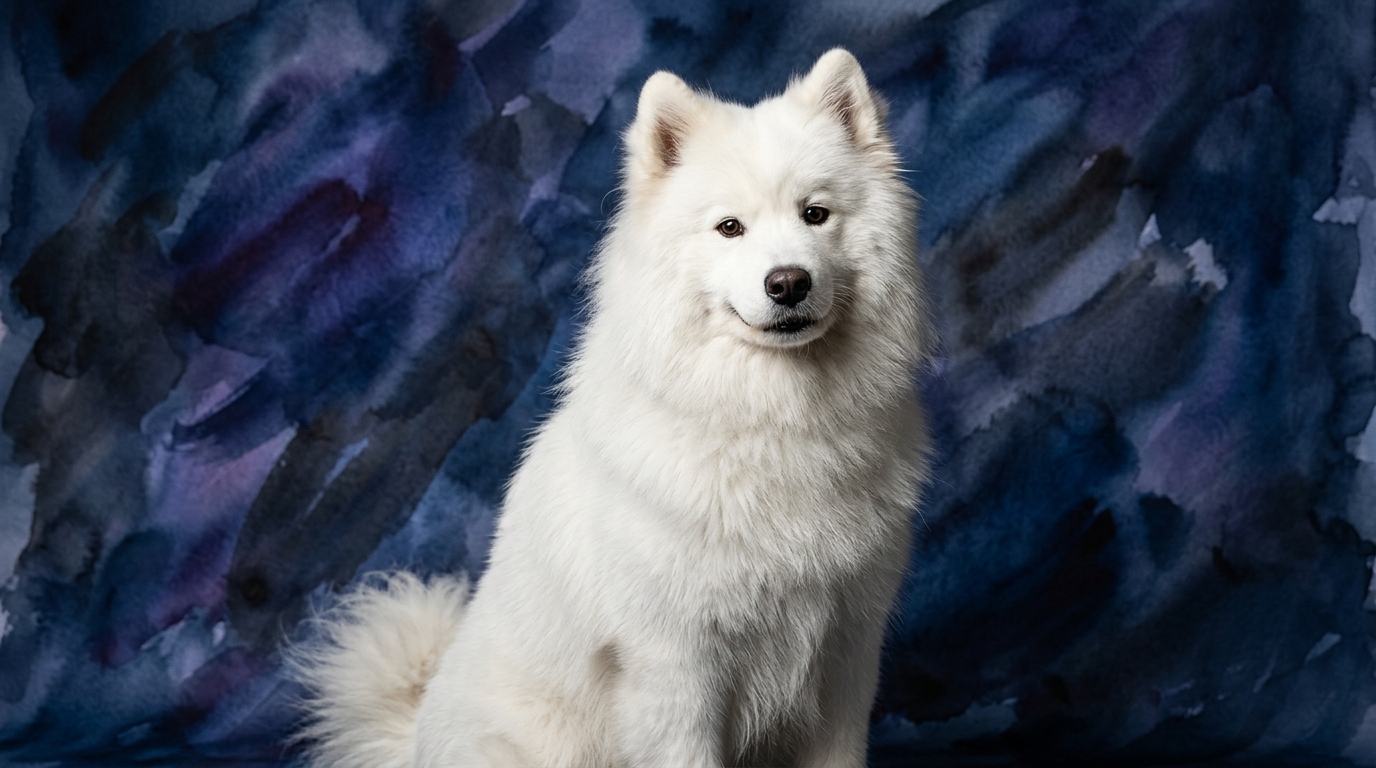
The Samoyed, ranking #33 on Coren's scale, demonstrates a balanced and robust cognitive toolkit. Their Problem Solving ability is rated at 3/5, indicating a capacity for navigating new challenges and figuring out solutions without direct instruction, often employing their natural curiosity. Training Speed, also at 3/5, suggests they pick up new commands and routines at a respectable pace, requiring consistent, engaging methods to keep them focused. Where the Samoyed truly shines is in Social Intelligence, scoring a perfect 5/5; this reflects a profound understanding of human cues, emotions, and complex social dynamics, making them exceptionally attuned companions. Their Instinctive Drive, at 4/5, points to a strong internal motivation for activity and purpose, characteristic of their sled-pulling heritage, while Memory at 3/5 indicates a solid ability to retain learned behaviors and experiences over time.
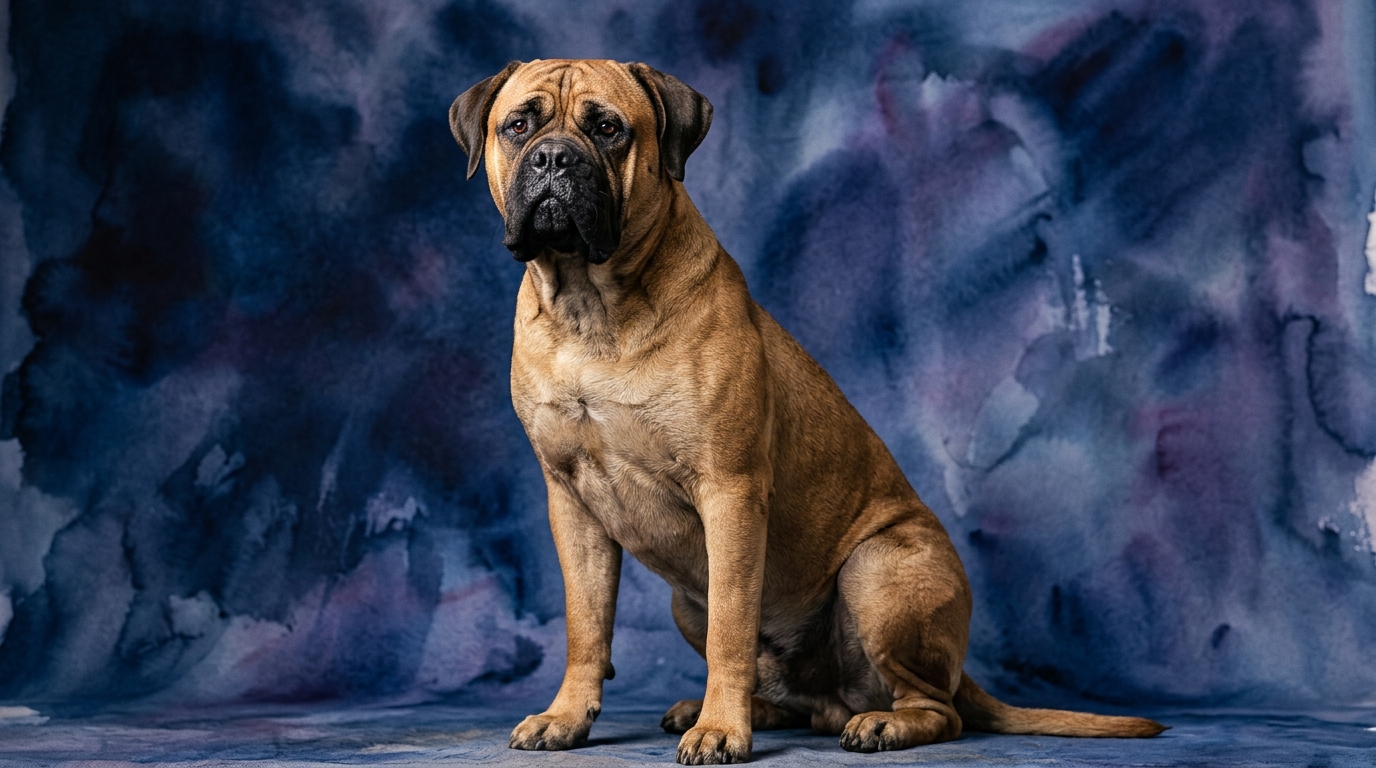
In contrast, the Bullmastiff, positioned at #69 on Coren's scale, presents a cognitive profile geared towards their historical role as guardians. Their Problem Solving ability is rated at 3/5, matching the Samoyed, suggesting they can independently assess situations and devise solutions, particularly in their domain of protection. Training Speed is also 3/5, meaning they are capable learners but thrive with patient, clear, and consistent instruction, often motivated by their bond with their handler. The Bullmastiff's Social Intelligence is rated at 3/5; while capable of forming deep bonds, their social awareness is typically more focused on their immediate family unit, exhibiting discernment rather than broad sociability. Their Instinctive Drive is 3/5, indicating a more measured and deliberate internal motivation, often tied to their watchful nature, and their Memory, like the Samoyed, stands at 3/5, allowing them to recall training and experiences reliably.
Where the Samoyed Wins Cognitively
The Samoyed's cognitive strengths distinctly outpace the Bullmastiff in two key areas: Social Intelligence and Instinctive Drive. With a 5/5 score in Social Intelligence compared to the Bullmastiff's 3/5, Samoyeds possess an unparalleled capacity for reading and responding to human emotions and social cues. This translates into a dog that often seems to 'understand' what you're feeling or trying to communicate, making them highly empathetic and intuitive companions. Their ability to integrate seamlessly into diverse family dynamics and adapt to various social settings is a direct result of this advanced social cognition, allowing for nuanced interactions and a strong sense of belonging within a human 'pack.'
Furthermore, the Samoyed's Instinctive Drive, rated at 4/5 against the Bullmastiff's 3/5, highlights a more robust internal motivation for activity and engagement. This isn't merely about physical energy; it signifies a cognitive drive to perform tasks, explore environments, and engage with their surroundings purposefully. This higher drive means Samoyeds often seek out opportunities for mental and physical stimulation, making them proactive participants in their environment rather than passive observers. Their problem-solving skills, while equally rated, are often applied with greater enthusiasm and persistence due to this underlying drive, making them more likely to continuously seek out and engage with challenges.
Where the Bullmastiff Wins Cognitively
While the Samoyed shows higher scores in certain social and drive aspects, the Bullmastiff's cognitive profile is uniquely optimized for its intended purpose, revealing specific strengths that are invaluable in their role. Their lower Instinctive Drive (3/5) compared to the Samoyed (4/5) might initially seem like a deficit, but for a guardian breed, it translates into a calmer, more measured approach to their environment. This cognitive steadiness means they are less prone to impulsive actions or excessive energy, instead demonstrating a deliberate and watchful demeanor. This reduced drive allows them to remain composed and observant, conserving energy for when their protective instincts are truly needed, rather than constantly seeking external stimulation.
The Bullmastiff's Social Intelligence, rated at 3/5, while not as broadly expressive as the Samoyed's, is highly focused and discerning. This isn't a lack of social understanding, but rather a specialized form of it; they are incredibly attuned to their immediate family unit and can differentiate between familiar faces and potential threats with remarkable accuracy. This cognitive discernment makes them exceptional at their guarding duties, as they are less likely to be swayed by strangers and more dedicated to their inner circle. Their problem-solving (3/5) and memory (3/5) are applied with this specific focus, allowing them to recall who belongs and identify anomalies within their guarded space effectively. Their cognitive 'wins' lie in their specialized application of intelligence towards vigilance and loyalty, prioritizing stability and protection over broad social engagement or constant activity.
Which is Easier to Train and Why
When it comes to ease of training, both breeds share a Training Speed score of 3/5, indicating they are capable learners but neither is inherently 'easy' in the sense of instant comprehension. However, their differing cognitive profiles lead to distinct training experiences. The Samoyed's higher Social Intelligence (5/5) means they are generally more eager to please and more responsive to human communication, making them highly receptive to positive reinforcement methods. They thrive on interaction and can quickly pick up on what their human wants, often anticipating cues. Their higher Instinctive Drive (4/5) also means they possess a strong internal motivation, which can be channeled into training tasks, though it also means they require consistent engagement to prevent boredom and potential 'naughty' problem-solving.
The Bullmastiff, while equally capable of learning with a 3/5 Training Speed, often requires a more patient and consistent approach. Their Social Intelligence (3/5) suggests they form deep bonds but are not as universally eager to please or as broadly socially attuned. They learn best with clear, firm, and fair leadership, and their training success often hinges on establishing a strong, respectful relationship. Their lower Instinctive Drive (3/5) means they are less prone to spontaneous bursts of energy or independent ventures, which can make them more manageable in a controlled training environment, but they may also exhibit less intrinsic motivation for repetitive drills. Behavioral differences manifest in the Samoyed's tendency to be more vocal and prone to 'selective hearing' if not properly engaged, while the Bullmastiff might exhibit stubbornness if they don't see the immediate purpose or respect the trainer's authority, requiring a more deliberate and trust-based training strategy.
Which Suits Active Owners vs. Relaxed Owners
The Samoyed's cognitive makeup, particularly their higher Instinctive Drive (4/5) and robust Problem Solving (3/5), aligns perfectly with active owners. These are dogs that genuinely enjoy having a 'job' and thrive on mental and physical engagement. Their history as sled dogs means they possess a deep-seated need for activity, whether it's long hikes, dog sports, or engaging puzzle toys. An owner who enjoys consistent outdoor adventures, can provide ample opportunities for exploration, and is willing to channel their dog's boundless curiosity and social nature will find a Samoyed to be an enthusiastic and fulfilling companion. Their strong social intelligence also means they often enjoy being involved in family activities and outings, making them excellent partners for a dynamic lifestyle.
Conversely, the Bullmastiff's cognitive traits are more suited for relaxed owners who appreciate a steady, watchful presence rather than constant high-energy engagement. Their lower Instinctive Drive (3/5) means they are content with moderate exercise and do not possess the same relentless need for activity as the Samoyed. While they still require daily walks and mental stimulation, their preference leans towards calm companionship and vigilant observation within their home environment. Owners who value a loyal, protective, and relatively laid-back companion, and who are prepared to provide consistent, patient guidance without demanding high-octane performance, will find the Bullmastiff to be an ideal match. Their focused social intelligence makes them devoted to their family, offering a comforting, protective presence without overwhelming demands for constant interaction.
The Verdict
Choose the Samoyed if you are an active individual or family seeking an exceptionally social, highly engaged, and curious companion eager for adventures and mental challenges.
Opt for the Bullmastiff if you desire a calm, loyal, and protective presence, valuing a steady temperament and focused devotion within a moderately active household.
🧠 Find Your Pet's IQ Score
Our Pet IQ Lab assessment covers 25+ tests across 5 cognitive dimensions — personalized to your breed.
Take the Full IQ Test →Frequently Asked Questions
Do Samoyeds or Bullmastiffs learn tricks faster?
Both breeds have a 3/5 Training Speed score, suggesting similar learning paces, but Samoyeds often appear to learn faster due to their higher social intelligence and eagerness to please, making them more responsive to positive reinforcement and engaging training sessions.
Which breed is better with strangers, cognitively speaking?
The Samoyed, with a 5/5 Social Intelligence, is generally more open and adaptable to strangers, often approaching new people with curiosity. The Bullmastiff, with 3/5 Social Intelligence, is more discerning and reserved, typically forming bonds within their inner circle and being wary of outsiders, reflecting their guardian nature.
How do their problem-solving skills differ in everyday life?
Both score 3/5 in Problem Solving, but the Samoyed often applies it with higher instinctive drive, potentially finding creative (and sometimes mischievous) ways to entertain themselves or achieve goals like opening cabinets. The Bullmastiff's problem-solving is typically more focused on their protective duties, assessing situations for threats, or finding the most efficient way to maintain vigilance in their territory.