Side-by-Side Cognitive Profile
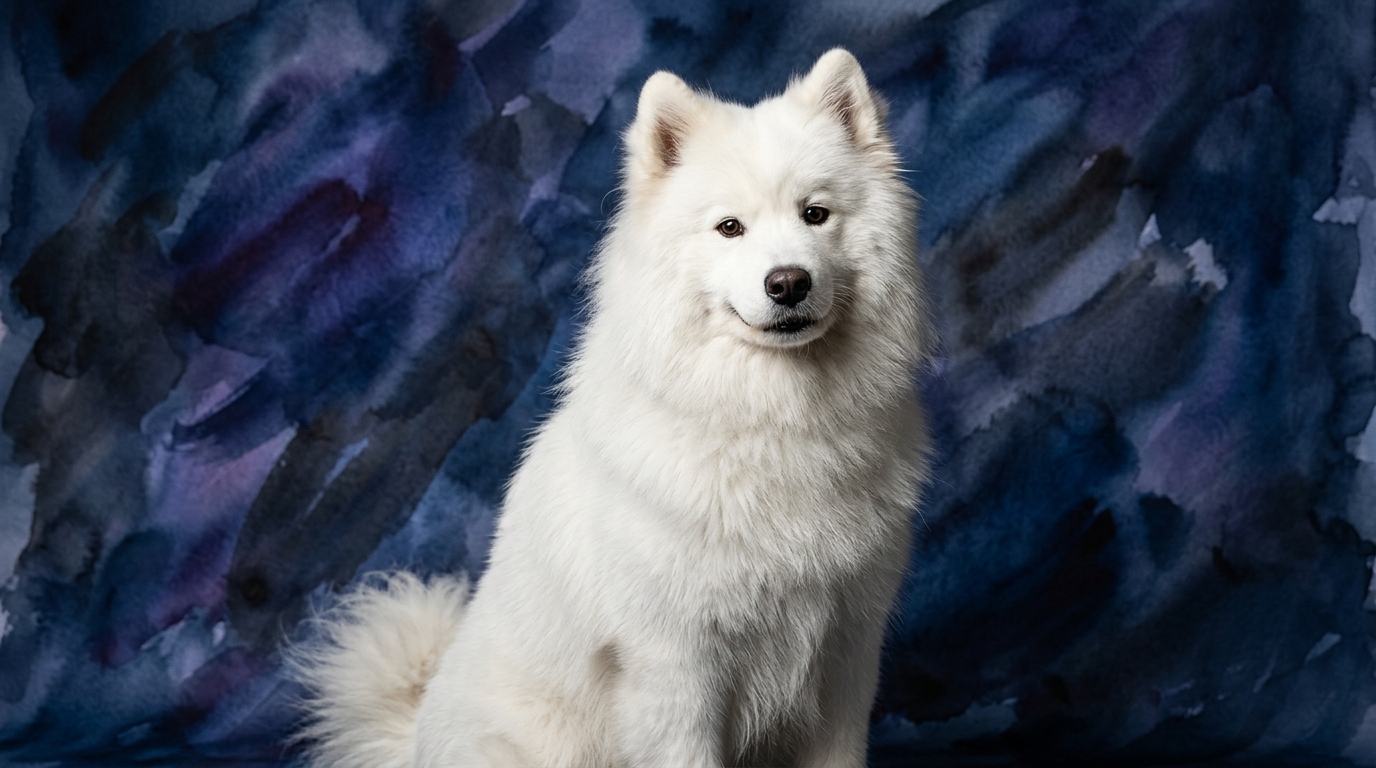
The Samoyed, a member of the Working Group, ranks #33 on the Coren intelligence scale, reflecting a specific set of cognitive strengths forged by centuries of partnership in harsh Siberian environments. Their problem-solving ability scores 3/5, indicating they are capable of navigating challenges but often prefer familiar solutions or human guidance rather than independent, novel strategizing. Training speed is also rated 3/5; while they certainly learn, their independent spirit means consistency and positive reinforcement are crucial for effective command acquisition. Where Samoyeds truly shine is in social intelligence, scoring a perfect 5/5. They possess an exceptional capacity to understand human emotions, respond to subtle cues, and form deep, empathetic bonds, making them highly communicative companions. Their instinctive drive, at 4/5, speaks to their heritage as sled pullers and herders of reindeer, manifesting as a strong need for purpose and engaging physical activity. Finally, their memory stands at 3/5, sufficient for routines and basic commands, but perhaps not for complex, multi-step sequences without regular reinforcement.
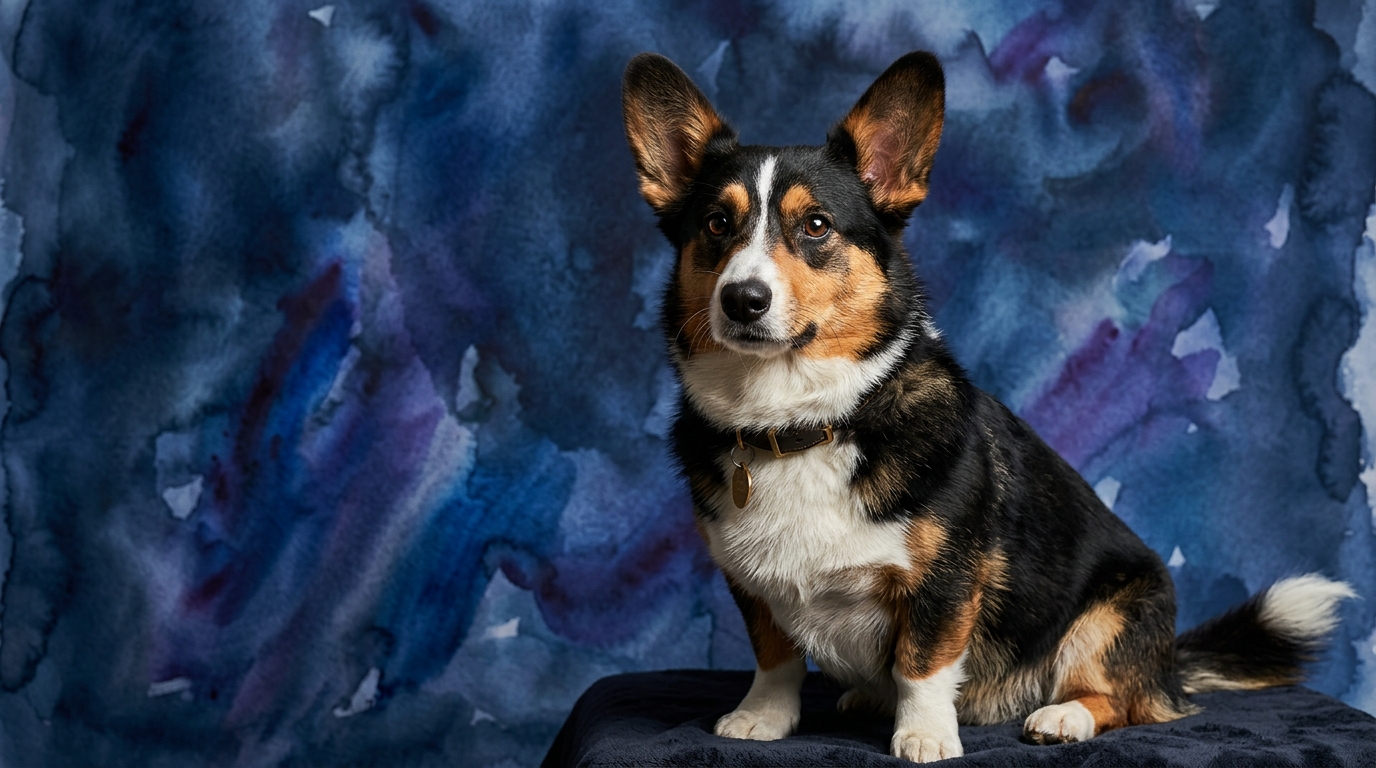
The Cardigan Welsh Corgi, belonging to the Herding Group, holds a higher Coren rank at #26, signifying a different cognitive emphasis. Their problem-solving aptitude is rated 4/5, showcasing a robust capacity to assess new situations and devise solutions independently, a trait vital for managing livestock. Training speed scores 4/5, indicating they are generally quick to grasp new commands and sequences, often displaying an eagerness to learn and cooperate with their handlers. Social intelligence, at 3/5, suggests they are friendly and interactive, but their focus may lean more towards environmental observation and task execution rather than the profound emotional attunement seen in some breeds. Their instinctive drive, rated 3/5, is rooted in their droving past, often manifesting as a playful desire to 'herd' family members or control their immediate space, but it's less intense than the Samoyed's drive for sustained physical work. Memory is a strong suit for the Cardigan Welsh Corgi, scoring 4/5, which enables excellent retention of learned behaviors, spatial layouts, and complex routines, a clear advantage in their historical role.
Where the Samoyed Wins Cognitively
When evaluating specific cognitive strengths, the Samoyed distinctly excels in areas that foster deep interpersonal connections. Their social intelligence, rated 5/5, far surpasses the Cardigan Welsh Corgi's 3/5. This manifests as an unparalleled ability to read human emotions, understand subtle social cues, and engage in empathetic interactions. A Samoyed often seems to intuit their owner's mood, offering comfort or playful engagement precisely when needed, creating a profound, communicative bond that few other breeds can rival. This isn't just about friendliness; it's about sophisticated emotional processing and response. Furthermore, the Samoyed's instinctive drive, at 4/5 compared to the Corgi's 3/5, represents a powerful internal motivation for purpose and sustained activity. While both breeds are active, the Samoyed's drive is geared towards collaborative, enduring tasks like pulling or long treks, requiring a different kind of mental fortitude and focus. This drive, when properly channeled, allows them to excel in endurance-based dog sports or extended outdoor adventures, showcasing their stamina and dedication to shared endeavors.
Where the Cardigan Welsh Corgi Wins Cognitively
Conversely, the Cardigan Welsh Corgi's cognitive profile demonstrates clear advantages in areas demanding quick wit and independent decision-making. Their problem-solving ability, rated 4/5 compared to the Samoyed's 3/5, highlights a superior capacity to independently assess novel situations and devise effective solutions. This trait, honed by generations of outsmarting stubborn livestock, means a Corgi is often more adept at figuring out puzzle toys, navigating new environments, or even orchestrating clever ways to get what they want. They don't just follow; they think strategically. This leads directly into their higher training speed, scoring 4/5 against the Samoyed's 3/5. Corgis generally grasp new commands and routines more rapidly, exhibiting a keenness to learn and a strong desire to cooperate within a structured training environment. Their capacity for quick learning makes them highly responsive and adaptable to various training methods. Complementing these strengths is their memory, also rated 4/5, surpassing the Samoyed's 3/5. This strong retention allows Corgis to remember complex sequences, recall commands even after long breaks, and maintain a consistent understanding of their environment, which is invaluable for both advanced training and daily life.
Which is Easier to Train and Why
Considering their respective cognitive profiles, the Cardigan Welsh Corgi generally presents as the easier breed to train for most owners. Their higher training speed (4/5) means they pick up new commands and routines more quickly, often requiring fewer repetitions than a Samoyed. This responsiveness is coupled with their problem-solving acumen (4/5), which allows them to understand the 'why' behind a command or task, making them more engaged learners. Their herding background, while sometimes leading to a stubborn streak, also instills a natural inclination to work collaboratively with a handler and respond to direction. They often thrive on the mental stimulation of learning new tricks and performing complex routines, viewing training as an engaging partnership. The Samoyed, by contrast, requires a more nuanced approach to training. With a training speed of 3/5, they may take longer to master commands and can be more prone to independence or distraction if not fully motivated. Their strong social intelligence (5/5) means they respond best to positive, relationship-based training, where trust and mutual respect are paramount. However, their instinct to question or 'discuss' commands, combined with their strong working drive, means an owner must be patient, consistent, and creative in channeling their energy. They are not simply 'obedient' in the traditional sense; they are partners who need to understand the purpose and value of the task.
Which Suits Active Owners vs. Relaxed Owners
The choice between a Samoyed and a Cardigan Welsh Corgi also hinges significantly on an owner's lifestyle, particularly their activity level and desired shared pursuits. Active owners, who enjoy consistent and vigorous outdoor activities, will find a more natural fit with the Samoyed. Their instinctive drive, rated at a robust 4/5, signifies a profound need for purpose-driven physical and mental engagement. Samoyeds thrive on long hikes, running, sledding, canicross, or even extensive scent work that taps into their working heritage. Their high social intelligence means they genuinely want to participate in these adventures alongside their human companions, making them excellent partners for endurance sports or exploring the wilderness. For owners seeking a more relaxed pace, the Cardigan Welsh Corgi typically aligns better. While they certainly require regular exercise to maintain health and mental well-being, their instinctive drive is rated 3/5, indicating a less intense demand for sustained, high-impact activities compared to the Samoyed. Their superior problem-solving (4/5) and memory (4/5) mean they can be mentally stimulated effectively with interactive puzzle toys, obedience training, agility, or shorter, varied walks. They adapt well to a more moderate exercise routine and are generally content with a comfortable home life, provided their minds are kept active.
The Verdict
If you seek a deeply communicative and empathetic canine companion, are prepared for consistent training that respects their independent spirit, and can provide ample opportunities for shared physical and mental engagement in outdoor activities, the Samoyed is an ideal choice.
If you seek a quick-witted, responsive dog eager to learn and problem-solve, appreciating their adaptability and moderate activity needs, and are ready for a companion with a strong individual personality and a propensity for clever antics, the Cardigan Welsh Corgi will thrive with you.
🧠 Find Your Pet's IQ Score
Our Pet IQ Lab assessment covers 25+ tests across 5 cognitive dimensions — personalized to your breed.
Take the Full IQ Test →Frequently Asked Questions
Do Samoyeds and Cardigan Welsh Corgis get along with other pets?
Samoyeds, with their high social intelligence, often adapt well to other pets if properly introduced, valuing harmonious coexistence within their social group and seeking interaction. Cardigan Welsh Corgis can also coexist, though their herding instincts might lead them to playfully 'manage' or nip at other animals, requiring careful supervision and training.
Are Samoyeds or Cardigan Welsh Corgis better for first-time dog owners?
The Cardigan Welsh Corgi might be slightly more forgiving for first-time owners due to their higher training speed and problem-solving abilities, making formal training more straightforward and rewarding. Samoyeds require an owner committed to understanding their independent nature, channeling their strong working drive effectively, and being patient with their learning pace.
How do their grooming needs compare in relation to their activity levels?
Samoyeds possess a luxurious, thick double coat that requires significant regular grooming to manage shedding and prevent matting, especially after their active outdoor excursions. Cardigan Welsh Corgis have a shorter, dense double coat that still sheds considerably but is generally less demanding to maintain, making them easier to clean after adventures.