A Side-by-Side Cognitive Profile
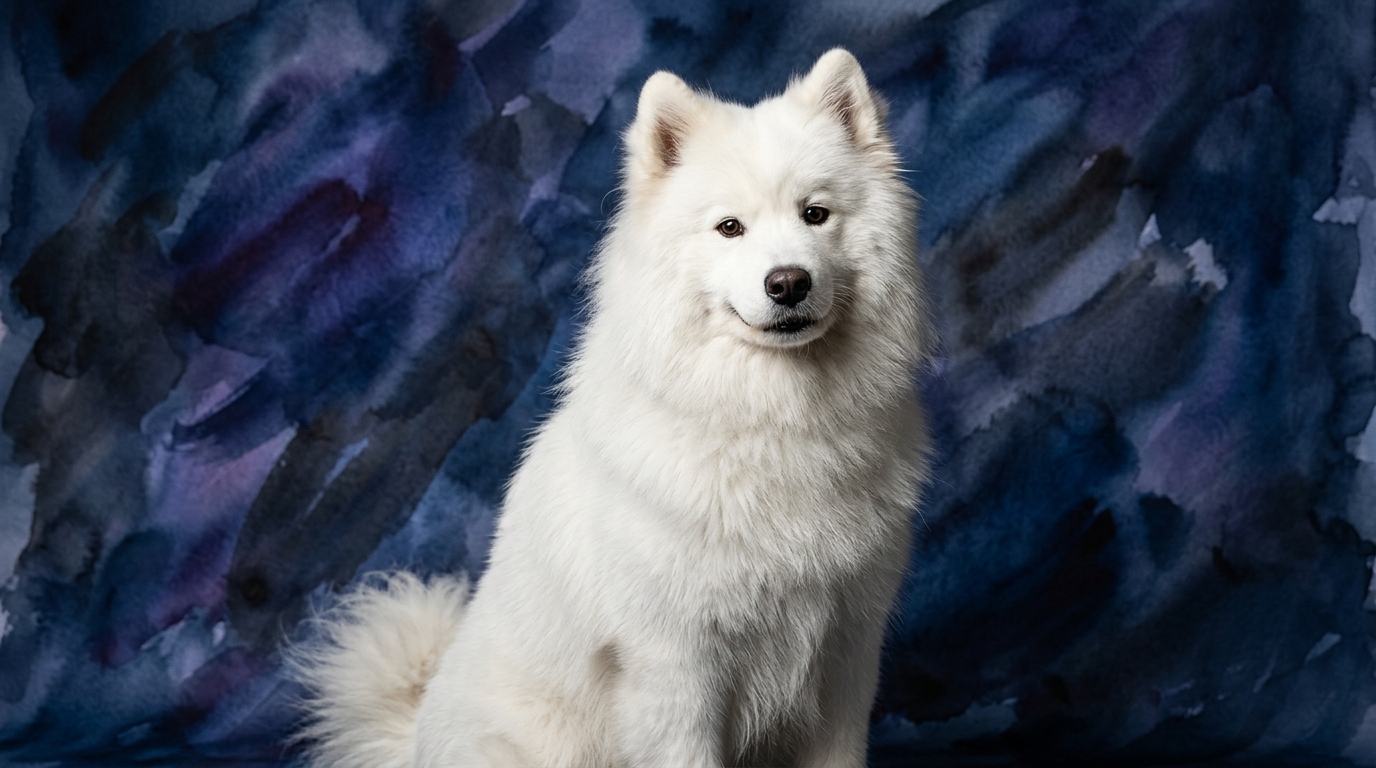
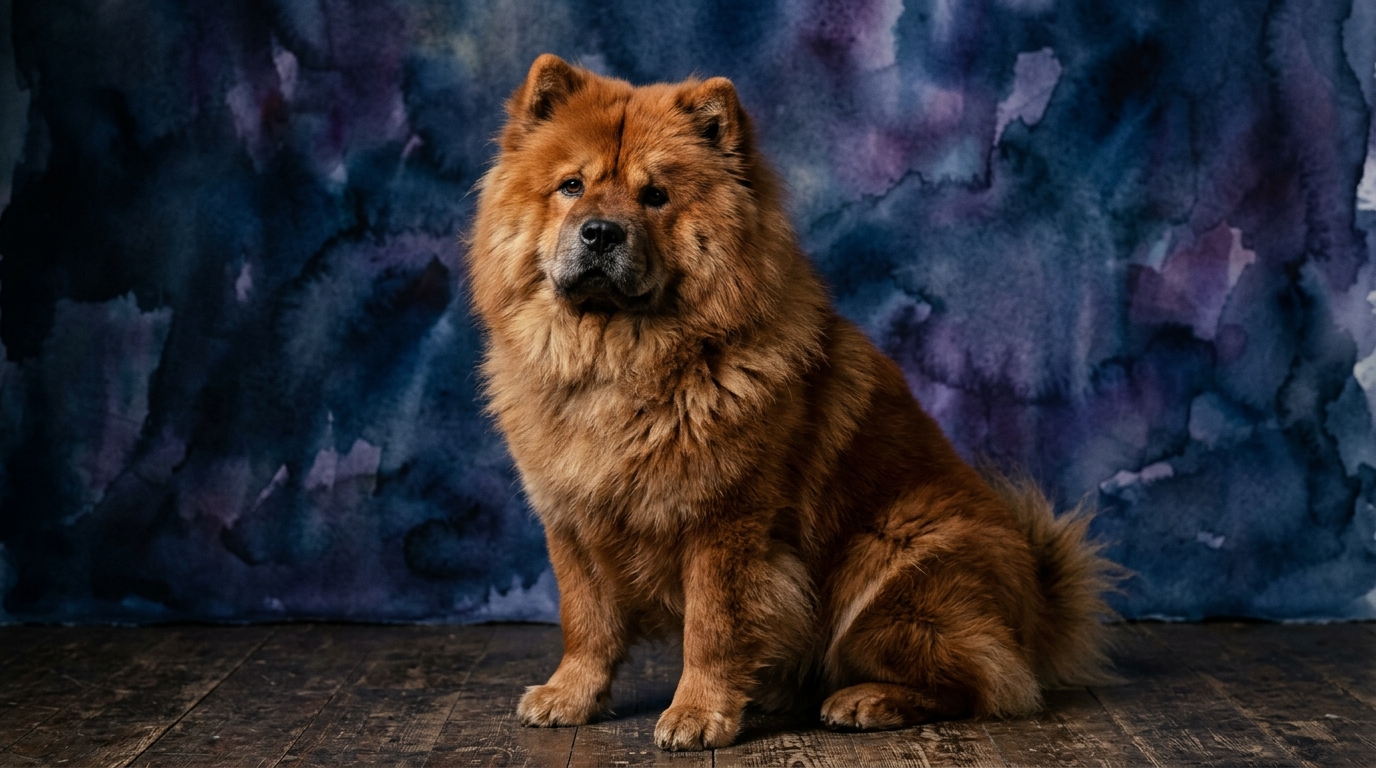
Delving into the cognitive makeup of the Samoyed and Chow Chow reveals a fascinating interplay of inherited traits and behavioral tendencies. The Samoyed, a Working group dog, is ranked #33 in Coren's intelligence scale, while the Chow Chow, from the Non-Sporting group, sits at #76. These ranks offer a broad overview, but a deeper look at specific IQ dimensions provides more nuanced insights into their mental strengths.
For the Samoyed, their problem-solving ability registers at a moderate 3/5, indicating they can navigate straightforward challenges but might not excel at complex puzzles without guidance. Training speed is also a 3/5, suggesting they grasp commands at an average pace. Where the Samoyed truly shines is in social intelligence, scoring an exceptional 5/5, reflecting their deep connection to human interaction and understanding of social cues. Their instinctive drive is strong at 4/5, a nod to their heritage as working sled dogs, and their memory is a moderate 3/5.
The Chow Chow presents a more balanced, albeit generally lower, cognitive profile across the board. Their problem-solving ability matches the Samoyed at 3/5, demonstrating similar capacity for tackling everyday dilemmas. Training speed is also a 3/5, meaning they learn at a comparable rate to the Samoyed, but the *method* of training might need to differ. Social intelligence is moderate at 3/5, suggesting a more reserved and independent nature compared to the highly gregarious Samoyed. Their instinctive drive is 3/5, reflecting a less intense urge for purpose-driven activities, and their memory also stands at a moderate 3/5.
Where the Samoyed Wins Cognitively
The most pronounced cognitive advantage for the Samoyed lies in their exceptional social intelligence, scoring a perfect 5/5 against the Chow Chow's 3/5. This higher social acumen means Samoyeds are incredibly attuned to human emotions and body language, making them highly responsive and eager participants in family life. They thrive on interaction, often seeking out companionship and displaying a keen ability to understand and react to their owners' moods, fostering a deeply empathetic bond.
Furthermore, the Samoyed's strong instinctive drive of 4/5, compared to the Chow Chow's 3/5, gives them a cognitive edge in tasks requiring sustained effort and purpose. This isn't just about physical activity; it translates to a natural inclination for engagement and a desire to 'do something.' Whether it's participating in dog sports like agility or simply enjoying a long hike, their cognitive drive means they are often more naturally motivated to learn and apply skills when they perceive a goal or a job to be done, making them more proactive learners in certain contexts.
This combination of high social intelligence and a robust instinctive drive makes Samoyeds more adaptable to various social settings and generally more receptive to cooperative tasks. Their cognitive framework supports a desire for active participation and collaboration, which can be a significant advantage for owners who wish to involve their dog in many aspects of their daily routine and activities.
Where the Chow Chow Wins Cognitively
While the raw IQ scores might not show direct 'wins' for the Chow Chow in terms of higher numbers, their unique cognitive profile offers distinct advantages for specific lifestyles. Their moderate social intelligence (3/5) and instinctive drive (3/5) translate into a greater sense of autonomy and independence. This self-sufficiency is a cognitive 'win' for owners who appreciate a dog that is less demanding of constant human attention and interaction, as Chow Chows are often content with their own company and less prone to separation anxiety.
The Chow Chow's discerning approach to social interaction, stemming from their moderate social intelligence, can also be considered a cognitive strength for certain owners. Unlike the Samoyed's effusive friendliness, Chow Chows are reserved and selective, often forming deep bonds with their immediate family while remaining aloof with strangers. This isn't a lack of intelligence, but a different social processing style that prioritizes a smaller, trusted circle, offering a quiet, dignified companionship rather than boisterous engagement, which is ideal for those who prefer a more contained social dynamic in their pet.
Moreover, their lower instinctive drive (3/5) compared to the Samoyed's (4/5) means Chow Chows generally possess a calmer, less 'busy' disposition. This translates to a cognitive advantage for owners seeking a more relaxed presence that doesn't constantly seek out tasks or challenges. They are less likely to become restless or destructive if not constantly engaged in high-energy activities, making them well-suited for a more tranquil home environment where a steady, composed companion is preferred.
Which is Easier to Train and Why
When it comes to ease of training, the Samoyed generally holds an advantage, primarily due to their exceptional social intelligence (5/5), despite sharing a moderate training speed (3/5) with the Chow Chow. Samoyeds are inherently eager to please and highly responsive to human cues, making them incredibly motivated by positive reinforcement and social interaction. Their ability to pick up on subtle body language and vocal tones allows them to adjust their behavior to maintain harmony and connection, making the training process feel more like a cooperative endeavor.
Their strong instinctive drive (4/5) also plays a role; while it means they need an outlet, it also implies a natural inclination to engage in purpose-driven activities, including learning commands and performing tasks. This innate desire to work alongside their human companions makes Samoyeds more willing and enthusiastic participants in training sessions, often making the experience smoother and more rewarding for both dog and owner.
In contrast, the Chow Chow's moderate social intelligence (3/5) and instinctive drive (3/5) mean they are often perceived as more independent and less outwardly eager to please. While they are capable of learning at a moderate pace, their training requires a different approach—one rooted in patience, consistency, and establishing a clear, respectful relationship. Chow Chows are not defiant, but rather self-contained; they need to understand 'what’s in it for them' and are less motivated by effusive praise alone, requiring a trainer who can motivate through clear structure and fair expectations rather than relying solely on a strong desire for social approval.
Active Owners vs. Relaxed Owners: The Cognitive Match
The cognitive profiles of these two breeds offer clear guidance for owners with differing lifestyle preferences. For active owners, the Samoyed is often a more fitting companion. Their strong instinctive drive (4/5) directly correlates with a need for regular physical activity and mental stimulation. These dogs thrive when given a 'job' to do, whether it's participating in dog sports, going for long runs or hikes, or engaging in complex training challenges. Their high social intelligence (5/5) means they genuinely enjoy being an active part of family outings and cooperative ventures, making them excellent partners for an adventurous lifestyle.
Conversely, the Chow Chow's moderate instinctive drive (3/5) makes them better suited for more relaxed owners. While they still require daily walks for health and mental well-being, they are not typically candidates for high-endurance sports or activities that demand constant, intense engagement. Their more independent and self-possessed nature, influenced by their moderate social intelligence (3/5), means they are generally content with less overt interaction and a quieter presence. They appreciate a calm home environment and are often happy to relax alongside their owners, preferring a gentle stroll to an arduous trek, making them an ideal match for a more sedate pace of life.
The Verdict
Choose a Samoyed if you seek an emotionally responsive, cooperative companion eager to engage in family activities and structured mental challenges. Their high social intelligence makes them ideal for owners who value a strong, communicative bond and enjoy interactive training.
Opt for a Chow Chow if you appreciate a self-possessed, discerning companion content with a more relaxed pace and less overt social demands. Their moderate drives suit owners seeking a dignified presence that offers quiet companionship without constant need for intense interaction.
🧠 Find Your Pet's IQ Score
Our Pet IQ Lab assessment covers 25+ tests across 5 cognitive dimensions — personalized to your breed.
Take the Full IQ Test →Frequently Asked Questions
Are Samoyeds prone to separation anxiety?
Yes, their high social intelligence and deep desire for companionship can lead to separation anxiety if left alone for extended periods without proper training and gradual acclimatization. They thrive on consistent human interaction and inclusion in family life.
Can Chow Chows be good family dogs?
Chow Chows can be devoted family dogs, particularly to their immediate human family, but their moderate social intelligence means they may be reserved with strangers and require early, consistent socialization to ensure balanced behavior. They form strong, loyal bonds with their chosen few.
Do Samoyeds require a lot of mental stimulation?
Absolutely. With a strong instinctive drive and moderate problem-solving skills, Samoyeds benefit immensely from regular mental challenges like puzzle toys, advanced obedience training, or dog sports to prevent boredom and destructive behaviors. Engaging their minds is as crucial as physical exercise.