Side-by-Side Cognitive Profiles: Samoyed vs. Clumber Spaniel
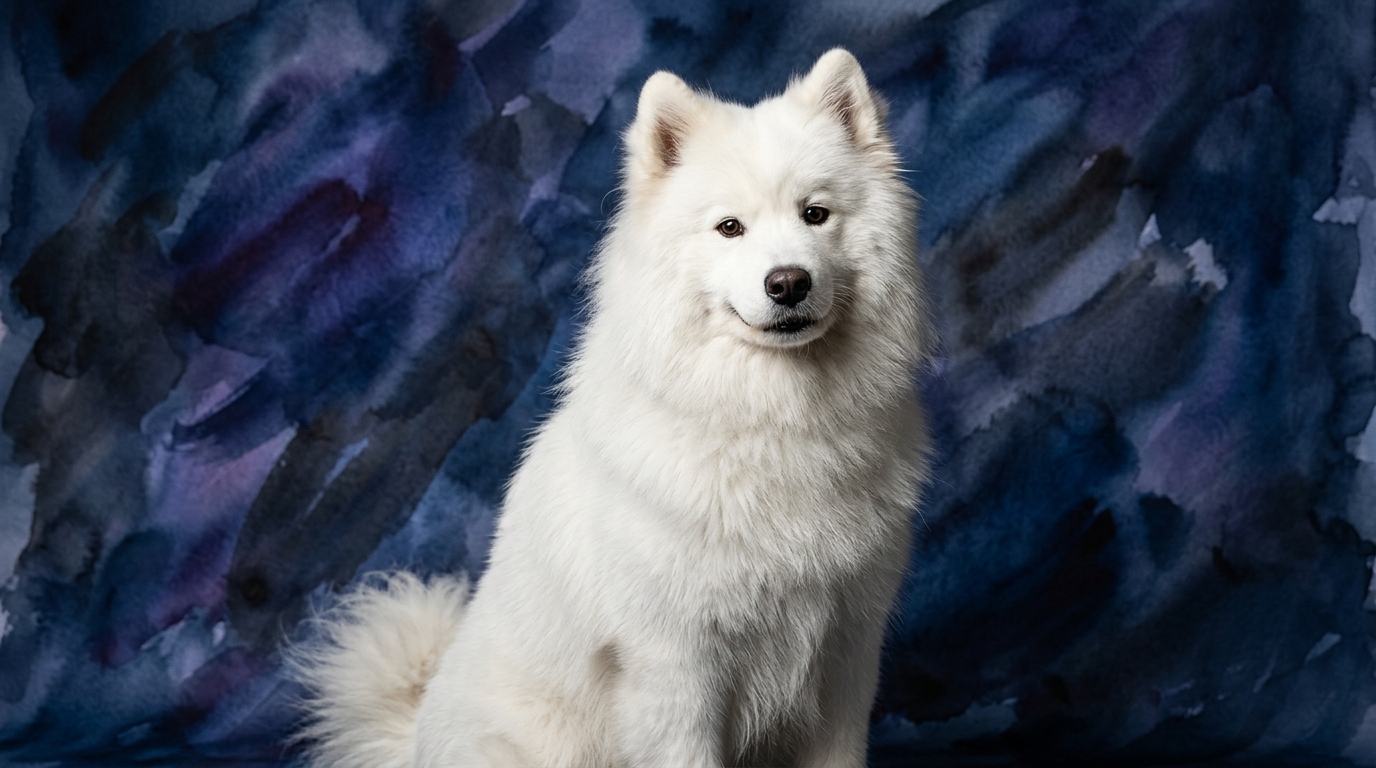
The Samoyed, a Working group dog, registers a Coren rank of #33, reflecting a notable capacity for understanding and executing commands. Our Pet IQ Lab analysis shows a Problem Solving score of 3/5, indicating a moderate ability to navigate novel situations. Their Training Speed also stands at 3/5, suggesting a steady grasp of new cues. However, their Social Intelligence shines at an impressive 5/5, highlighting an exceptional aptitude for reading human emotions and forming cooperative bonds. An Instinctive Drive of 4/5 points to strong internal motivation, rooted in their historical roles, while their Memory is a solid 3/5, allowing effective retention of learned information.
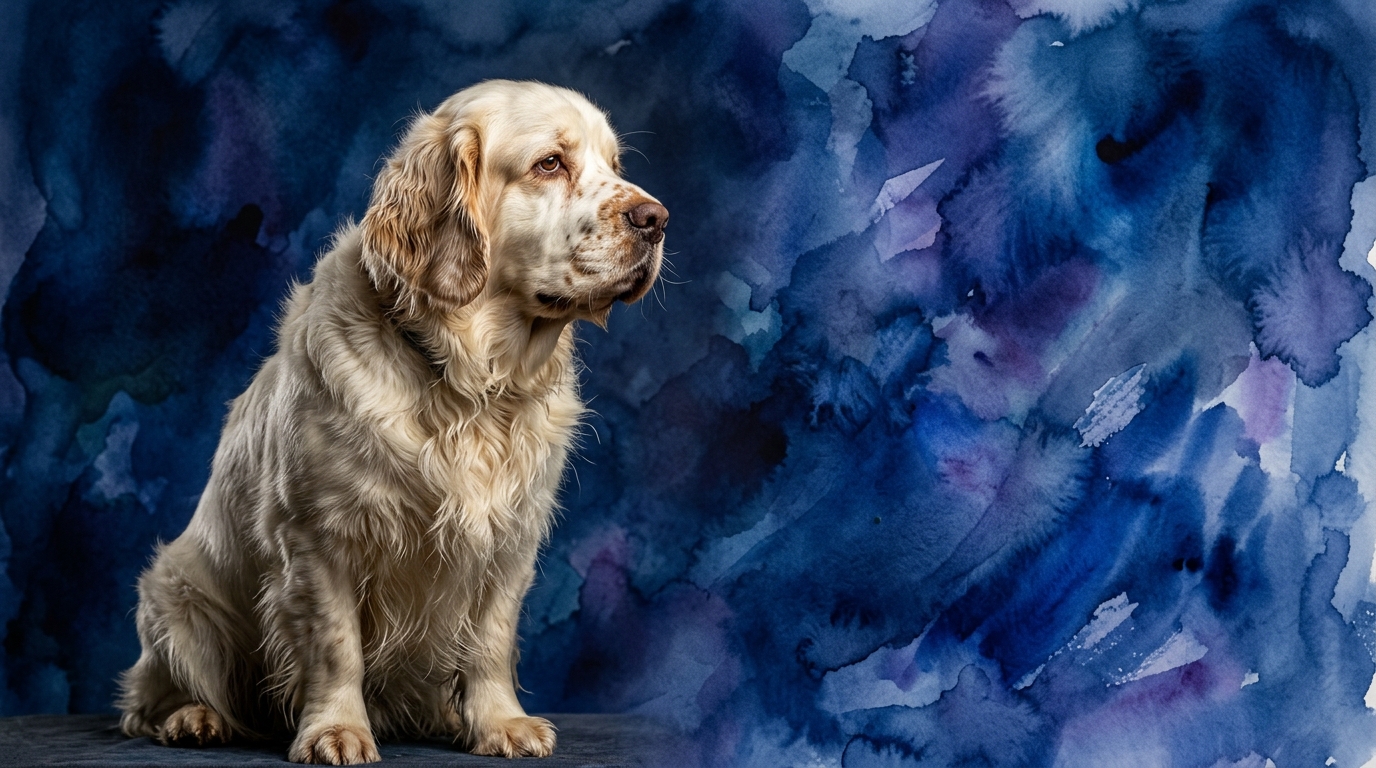
In contrast, the Clumber Spaniel, a Sporting group member, holds a Coren rank of #55, suggesting a more deliberate approach to learning. Their Pet IQ Lab scores reveal a Problem Solving capacity of 3/5, on par with the Samoyed, implying similar capabilities in adapting to new challenges. Training Speed is also rated 3/5, indicating a consistent learning pace. Where the Clumber distinctly differs is in Social Intelligence, scoring 3/5, suggesting they are affable but perhaps less overtly attuned to human emotional nuances. Their Instinctive Drive is 3/5, reflecting a moderate internal motivation often channeled towards scent work, and their Memory is also a steady 3/5, allowing for reliable retention of commands and routines.
Where the Samoyed's Cognition Shines Brightest
The Samoyed's exceptional Social Intelligence (5/5) is their cognitive hallmark. This signifies a profound ability to understand and respond to human communication, intentions, and emotional states. This heightened social awareness makes them incredibly responsive partners, capable of complex non-verbal communication and forming strong, reciprocal working relationships. A Samoyed often anticipates a handler's next move, making them intuitive companions in activities requiring close cooperation, such as advanced obedience or therapy work.
Their robust Instinctive Drive (4/5) complements this social acumen. Originating from demanding working environments, this drive translates into an innate desire for purpose and engagement. It's not merely boundless energy, but a motivation to participate, to pull, or to be involved in family activities. This combination means that when properly motivated and engaged by their human, they channel considerable mental and physical energy into productive, cooperative endeavors, demonstrating impressive focus and persistence on tasks.
Unpacking the Clumber Spaniel's Unique Cognitive Strengths
While the Clumber Spaniel's scores might appear moderate, their cognitive profile presents unique strengths. Their Instinctive Drive (3/5), though lower than the Samoyed's, is specifically geared towards scent work and methodical hunting. This means they possess a specialized focus and determination when tracking, demonstrating cognitive persistence within this specific domain. They are not easily distracted from a scent trail, showcasing impressive mental stamina for olfactory tasks.
The Clumber's moderate Social Intelligence (3/5) can also be a cognitive advantage. Unlike breeds thriving on constant human interaction, the Clumber often exhibits a more independent, thoughtful disposition. This allows them to work autonomously, particularly when following a scent, without continuously seeking handler validation. This independence, coupled with consistent Problem Solving (3/5) and Memory (3/5), enables methodical work through complex scent puzzles, relying on their own judgment. Their calm nature ensures reliable, predictable responses.
Training Dynamics: Samoyed vs. Clumber Spaniel Responsiveness
Both breeds share a Training Speed score of 3/5, yet their cognitive profiles lead to distinct training experiences. The Samoyed's exceptional Social Intelligence (5/5) is a significant asset; they are often eager to please and highly attuned to their owner's desires, translating into a strong willingness to cooperate. Their higher Instinctive Drive (4/5) means they thrive on having a "job" and are motivated by opportunities to work alongside their human, making them responsive to reward-based training leveraging their desire for partnership.
The Clumber Spaniel, with Social Intelligence and Instinctive Drive at 3/5, approaches training differently. They can be more independent and less overtly motivated by constant human praise. While capable, their responsiveness might require more patience and varied motivators, like food or scent games, rather than solely social reinforcement. Their methodical nature means they might take longer to generalize commands, but once learned, their actions are consistent. Owners must understand a Clumber's perceived "stubbornness" is often their independent thought process, requiring consistent, fair, and engaging methods.
Matching Breeds to Lifestyles: Active vs. Relaxed Owners
The Samoyed's cognitive and physical makeup makes them ideal for active owners who provide consistent engagement and opportunities for mental and physical exertion. Their high Social Intelligence (5/5) means they truly thrive on being an integral part of family life and activities, like hiking or dog sports. Their strong Instinctive Drive (4/5) necessitates outlets for energy; without sufficient stimulation, a Samoyed may invent their own "jobs," potentially manifesting as undesirable behaviors. Owners appreciating a deeply involved dog who can provide structured activities will find them rewarding.
The Clumber Spaniel, while a Sporting dog, suits owners seeking a more relaxed yet still engaging companion. Their moderate Instinctive Drive (3/5) means they require regular exercise, particularly for sniffing, but are generally less demanding of constant, high-intensity activity. Their more independent Social Intelligence (3/5) means they are affectionate but less prone to demanding constant attention, suiting owners who appreciate a dog content to relax quietly after a good walk. A Clumber finds satisfaction in a good scent walk or a puzzle toy, fitting those who enjoy a calm presence that still appreciates outdoor adventures.
The Verdict
Select the Samoyed if you are an active, engaged owner seeking a deeply cooperative partner who thrives on social interaction and purposeful activity, ready to invest in consistent mental and physical stimulation.
Opt for the Clumber Spaniel if you desire a calm, affectionate, and independent companion who appreciates moderate exercise, enjoys methodical scent work, and offers a more relaxed social presence in the home.
🧠 Find Your Pet's IQ Score
Our Pet IQ Lab assessment covers 25+ tests across 5 cognitive dimensions — personalized to your breed.
Take the Full IQ Test →Frequently Asked Questions
Are Samoyeds difficult to train due to their working dog background?
While Samoyeds have a moderate Training Speed (3/5), their high Social Intelligence (5/5) and Instinctive Drive (4/5) often make them very responsive to positive reinforcement and eager to please. Consistency and engaging, partnership-based training methods are key to harnessing their cooperative nature.
Do Clumber Spaniels require a lot of exercise despite their calm demeanor?
Clumber Spaniels do need regular, moderate exercise to satisfy their Sporting group heritage, particularly for their keen sense of smell. While not as intensely energetic as some breeds, daily walks and opportunities for scent-based exploration are crucial for their physical and mental well-being.
How does social intelligence impact the daily life with these breeds?
A Samoyed's high social intelligence means they are deeply attuned to their human family, thriving on interaction and often seeking to be involved in all activities, potentially leading to separation anxiety if left alone too much. A Clumber's moderate social intelligence means they are affectionate but generally more independent, content with less constant human interaction, making them a good fit for owners who appreciate a dog that can entertain itself quietly.