Side-by-Side IQ Profile: Samoyed vs. Dachshund
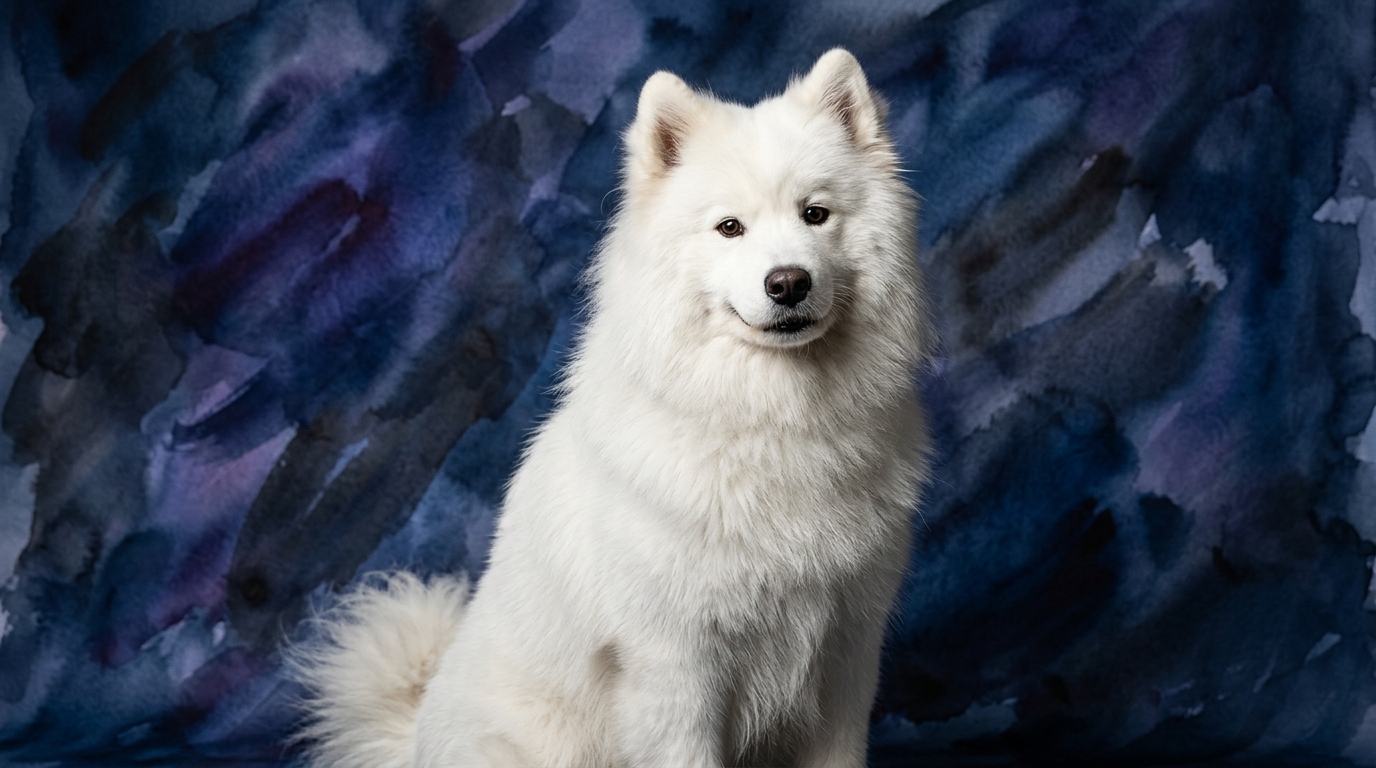
The Cosmic Pet Pet IQ Lab employs a multi-faceted approach to assess canine cognition, moving beyond simple obedience to explore five key dimensions that reveal a dog's inherent mental architecture. For the Samoyed, a breed historically tasked with herding reindeer and pulling sleds in harsh Arctic conditions, their profile paints a picture of a cooperative and socially astute worker. Their Problem Solving score of 3/5 indicates an average capacity for independent thought and navigating novel challenges, suggesting they can figure things out but may prefer guidance. Their Training Speed stands at 3/5, suggesting a moderate pace of learning new commands and routines, neither exceptionally quick nor particularly slow. Where the Samoyed truly shines is in Social Intelligence, earning a perfect 5/5, reflecting their strong pack orientation, profound empathy, and exceptional ability to read human cues and intentions. Instinctive Drive, crucial for their working heritage in demanding environments, is rated 4/5, signifying a strong innate motivation for specific behaviors like pulling or herding. Their Memory is a solid 3/5, allowing them to retain learned information and experiences effectively.
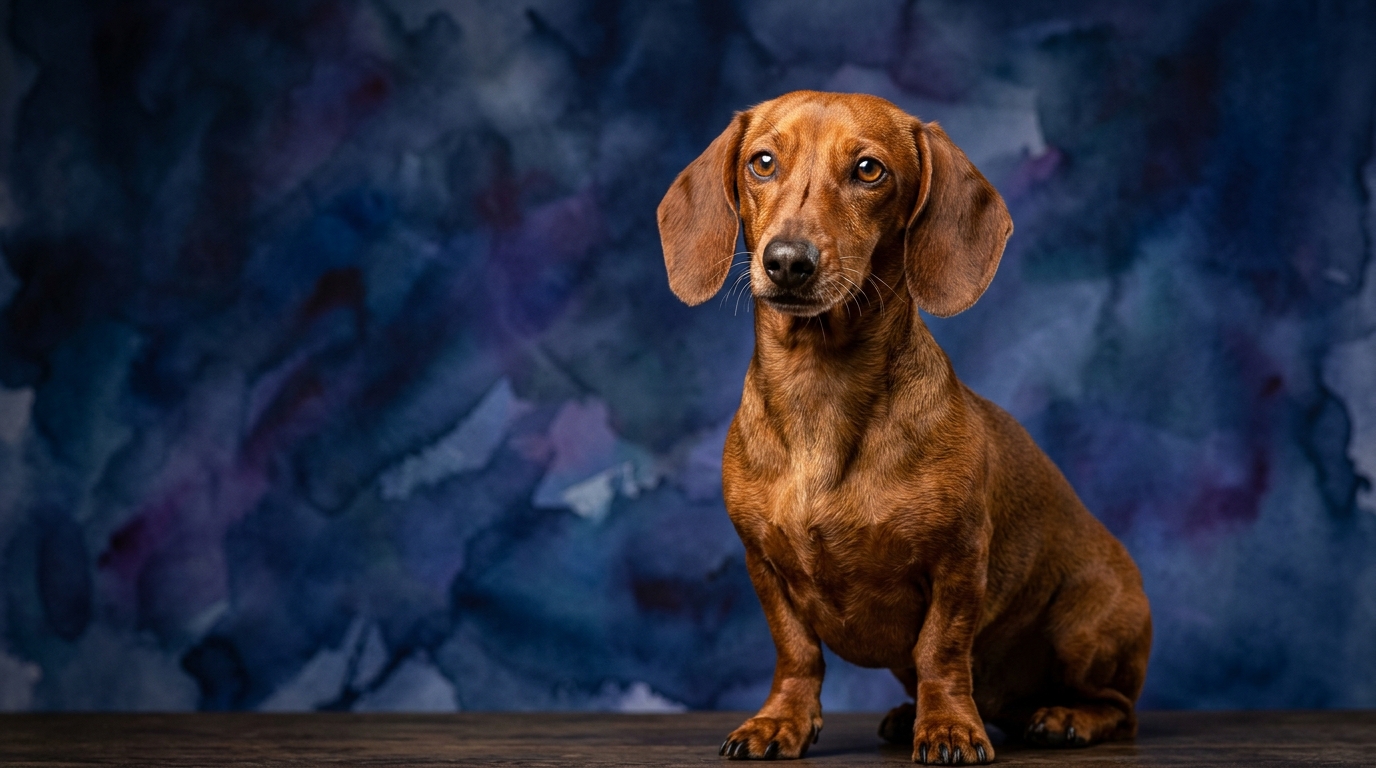
In stark contrast, the Dachshund, originally bred for the demanding and solitary task of hunting badgers and other burrowing animals, presents a cognitive profile emphasizing tenacity and independent action. They outpace the Samoyed in Problem Solving with a 4/5, demonstrating a cleverness and resourcefulness in overcoming obstacles, often with a unique, self-directed approach to achieve their goals. However, their Training Speed is notably lower at 2/5, suggesting a more deliberate, and at times stubborn, learning curve, as they often prioritize their own agenda. Social Intelligence for the Dachshund is 3/5, indicating a capacity for connection but perhaps less people-pleasing motivation than the Samoyed, often being more selective in their affections. Their Instinctive Drive is exceptionally high at 5/5, a testament to their unwavering focus and determination when pursuing a scent or a perceived 'mission,' a trait vital for their original purpose. Memory matches the Samoyed at 3/5, enabling them to recall important locations and procedures.
Where the Samoyed Wins Cognitively
The Samoyed's cognitive strengths are most evident in their exceptional social intelligence. A perfect 5/5 in this dimension means they possess a remarkable ability to understand and respond to human emotions, intentions, and social cues. This isn't just about being friendly; it translates into a dog that is deeply attuned to their family's dynamics, often anticipating needs or reacting sensitively to moods. Their historical role as close companions to nomadic tribes, sharing tents and working cooperatively, fostered this deep social connection, making them highly responsive to collaborative tasks and maintaining strong bonds within a family unit. This profound social understanding also aids in their overall trainability, as they are often motivated by the desire to engage positively with their human counterparts.
Where the Dachshund Wins Cognitively
The Dachshund's cognitive edge lies primarily in their superior problem-solving abilities and unparalleled instinctive drive. With a 4/5 in Problem Solving, these dogs display a clever, often inventive approach to navigating their environment, particularly when a goal, like reaching a hidden toy or figuring out how to get to a specific scent, is involved. Their history of independently tracking and flushing out burrowing prey demanded a significant degree of self-reliance and strategic thinking in confined, complex spaces. This is directly supported by their 5/5 Instinctive Drive, which fuels an unwavering focus and determination. Once a Dachshund locks onto a scent or a perceived 'mission,' their drive to complete it is incredibly powerful, often overriding other considerations and making them exceptionally persistent in achieving their objectives.
Which is Easier to Train and Why
When considering ease of training, the Samoyed generally presents a more straightforward and rewarding path for the average owner. Their Training Speed of 3/5, while not lightning-fast, is coupled with their outstanding Social Intelligence (5/5), meaning they are typically eager to please and highly motivated by positive interaction and connection with their human companions. They thrive on being part of a team, and their cooperative nature makes them receptive to guidance, actively seeking to understand and fulfill expectations. While they possess an instinctive drive (4/5) that needs channeling through appropriate outlets like structured play or sports, their strong desire to be an integrated member of the 'pack' makes them highly amenable to cooperative learning. They respond exceptionally well to consistent, positive reinforcement methods, quickly grasping new commands and routines because they value the reciprocal relationship and shared activity with their owner. Their memory (3/5) ensures lessons stick.
The Dachshund, on the other hand, can prove to be a more challenging and often more persistent endeavor for trainers, reflected in their 2/5 Training Speed. Their high Problem Solving (4/5) often manifests as independent thought and a cleverness that can be perceived as stubbornness; they might question the 'why' behind a command or decide their own compelling agenda is more pressing than an owner's request. Their exceptional Instinctive Drive (5/5) means they are profoundly swayed by compelling scents or perceived prey, making recall particularly difficult in stimulating environments where their nose takes precedence. While they are certainly capable of learning and retaining information (Memory 3/5), their motivation often needs to align with their strong internal drives and independent spirit. This requires more patience, creativity, and a deep understanding of their unique motivations from the trainer to achieve consistent and reliable results, often transforming training into a negotiation rather than a simple command.
Which Suits Active Owners vs. Relaxed Owners
The Samoyed, with their robust physique and history as working dogs, are well-suited for active owners who enjoy outdoor adventures and can provide consistent mental and physical stimulation. Their 4/5 Instinctive Drive means they thrive on having a 'job' or engaging in activities like hiking, agility, or even trick training that tap into their cooperative spirit. Their high Social Intelligence also means they flourish in environments where they are integral to family activities, rather than being left alone for extended periods. Owners who are committed to daily exercise and interactive play will find a joyful, engaging companion in a Samoyed.
Conversely, the Dachshund, despite their tenacity, can adapt better to a more relaxed owner, though 'relaxed' should not be mistaken for 'inactive.' While their exercise needs are less demanding than a Samoyed's, they still require daily walks and opportunities to explore with their powerful noses. Their lower social intelligence (3/5) compared to the Samoyed means they might be content with less constant human interaction, preferring to pursue their own interests, like scent-tracking in the yard or burrowing under blankets. Owners who appreciate a dog with a strong personality, a clever independent streak, and are prepared for a dog that might follow its nose rather than always its owner, will find a rewarding companion in a Dachshund.
The Verdict
Choose a Samoyed if you seek a highly social, cooperative companion eager to participate in family activities and outdoor adventures, valuing a strong bond over independent pursuits.
Opt for a Dachshund if you appreciate a clever, tenacious dog with a strong independent spirit and a penchant for problem-solving, even if it means a more determined approach to training.
🧠 Find Your Pet's IQ Score
Our Pet IQ Lab assessment covers 25+ tests across 5 cognitive dimensions — personalized to your breed.
Take the Full IQ Test →Frequently Asked Questions
Are Samoyeds difficult to train?
Samoyeds have a moderate training speed (3/5) and a high social intelligence (5/5), making them generally receptive to training. They respond well to positive reinforcement and consistency, as they enjoy cooperating with their human companions. Challenges may arise if their instinctive drive (4/5) isn't channeled into appropriate activities.
Do Dachshunds need a lot of exercise?
Dachshunds have moderate exercise needs compared to many larger breeds, requiring daily walks and opportunities for mental stimulation. While their small size might suggest otherwise, their high instinctive drive (5/5) means they benefit greatly from scent work and structured play that engages their problem-solving abilities.
Which breed is better for first-time dog owners?
For first-time owners seeking a more cooperative and socially responsive dog, the Samoyed might be a slightly easier choice due to their high social intelligence and eagerness to please. However, their higher exercise needs and grooming requirements must be considered. Dachshunds, with their independent nature and strong drive, might require a more patient and experienced hand in training, despite their lower physical demands.