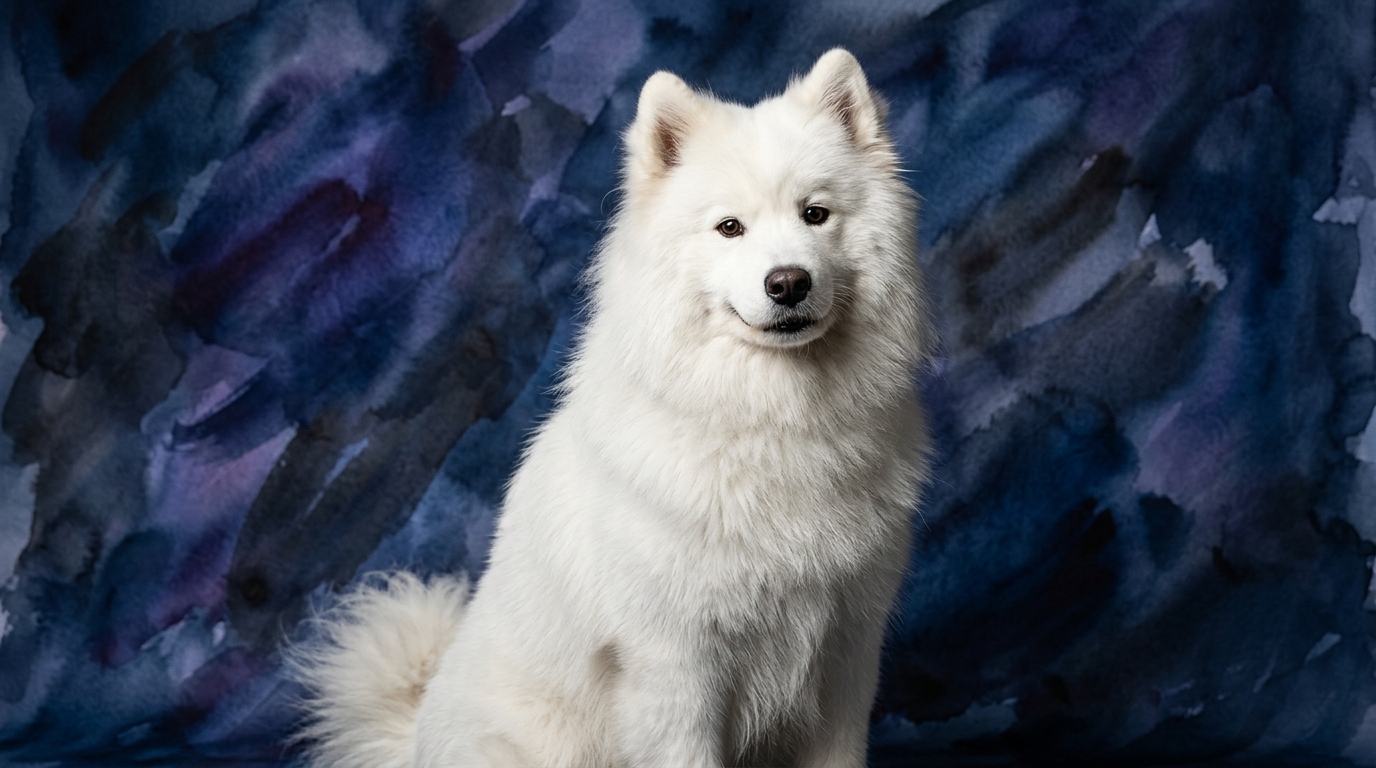
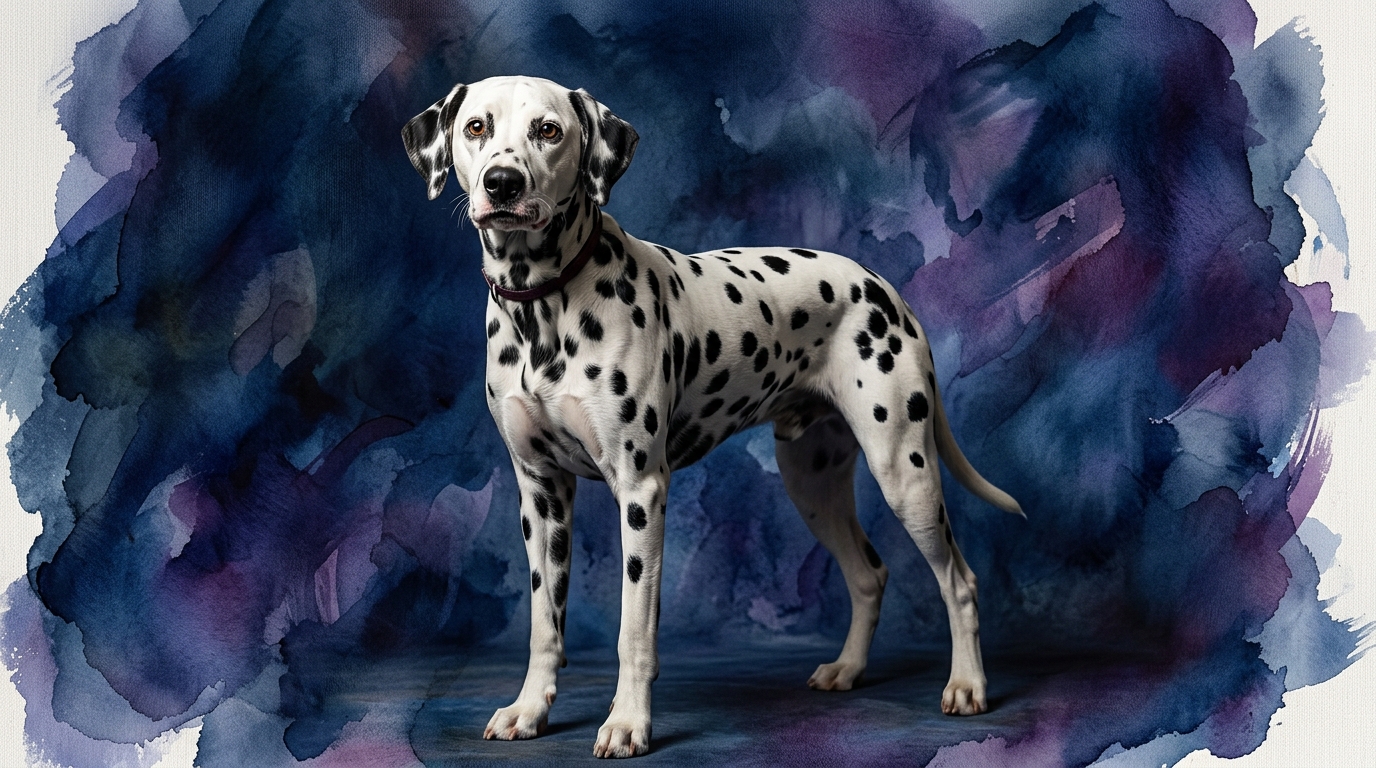
Side-by-Side Cognitive Profile: Samoyed vs. Dalmatian
While the Samoyed holds a Coren rank of #33 and the Dalmatian #39, these close standings belie some intriguing differences in their specific cognitive strengths. Our Pet IQ Lab analysis breaks down their intelligence across five key dimensions.
For Problem Solving, both breeds score a 3 out of 5. This indicates a moderate capacity for navigating new challenges or figuring out novel solutions. A Samoyed might learn to open a simple latch after observation, while a Dalmatian could find a way around a familiar obstacle, but neither is typically known for complex, independent strategizing.
Training Speed for both is also rated at 3 out of 5, suggesting they acquire new commands at a moderate pace. Consistent, patient, and positive reinforcement is crucial for both breeds to solidify learned behaviors, as neither is a 'one-and-done' learner.
Social Intelligence marks a key divergence: the Samoyed scores a perfect 5 out of 5, while the Dalmatian is rated 4 out of 5. The Samoyed excels at interpreting human emotions and intentions, thriving on deep connection. The Dalmatian also forms strong bonds and understands human cues well, but often with a more independent interpretation.
Instinctive Drive is strong for both breeds, scoring 4 out of 5. For the Samoyed, this manifests in their innate drive to pull, herd, and work cooperatively. For the Dalmatian, it's their stamina for long-distance travel and a protective instinct over their charges, reflecting their carriage dog heritage. These drives provide powerful intrinsic motivation that requires appropriate outlets.
Finally, Memory is another differentiating factor: the Samoyed scores 3 out of 5, while the Dalmatian earns a 4 out of 5. This suggests Dalmatians have a superior capacity for retaining learned information, commands, routes, and routines over time, potentially requiring less frequent refreshing of established skills compared to the Samoyed.
Where the Samoyed Shines Cognitively
The Samoyed's exceptional social intelligence, rated a perfect 5 out of 5, stands out as its primary cognitive strength. This isn't merely about friendliness; it's a deep-seated ability to interpret complex human social cues, emotions, and intentions with remarkable accuracy. A Samoyed can often anticipate a handler's next move or mood, making them incredibly intuitive partners in activities ranging from cooperative work to simply sharing a quiet evening. Their history as integral parts of human nomadic communities, working closely in teams for tasks like sledding and herding reindeer, has honed this capacity for profound interspecies communication and cooperation. This high social awareness allows them to integrate seamlessly into family dynamics, often acting as sensitive barometers of household moods and readily engaging in shared activities that foster connection. This cooperative spirit, rooted in their cognitive makeup, makes them highly responsive to praise and social reinforcement, valuing their human relationships as a core component of their well-being.
Where the Dalmatian Excels Cognitively
The Dalmatian's cognitive edge lies distinctly in its memory, scoring a 4 out of 5 compared to the Samoyed's 3. This enhanced memory translates into a robust capacity for retaining learned behaviors, commands, and spatial information over extended periods. A Dalmatian is more likely to remember a specific route taken weeks ago or recall a sequence of commands with less frequent refreshing. This cognitive trait is a direct reflection of their historical role as carriage dogs, requiring them to consistently remember complex routes, maintain pace with horses, and guard their charges reliably across varying environments. Their ability to internalize routines and specific instructions makes them highly consistent once a behavior is thoroughly understood and practiced. This strong recall can be a significant advantage in advanced obedience, agility, or any task requiring precision and retention of detailed instructions, allowing them to build upon previous lessons with greater efficiency.
Trainability: Nuances Beyond Speed
While both breeds share a similar training speed rating of 3 out of 5, suggesting a moderate pace for acquiring new skills, the *process* of training them can differ significantly due to their distinct social intelligence and memory profiles. The Samoyed, with its superior social intelligence (5/5), often proves more receptive to training methods that emphasize positive reinforcement, cooperative interaction, and strong handler-dog bonds. They thrive on the shared experience of learning and are highly motivated by praise and connection, making them eager to please their human companions. However, their memory (3/5) means that consistency and regular practice are paramount to ensure commands are not just learned, but retained over time.
For the Dalmatian, whose memory scores higher (4/5), commands, once thoroughly learned, tend to stick more reliably. This means less frequent refreshing might be needed for established behaviors. However, their slightly lower social intelligence (4/5) and historical independence as carriage dogs can sometimes mean they are less inherently motivated by the desire to 'please' and may require more creative engagement to maintain focus. Their strong instinctive drive (4/5) for stamina and patrol can also mean they might be more easily distracted by environmental stimuli if not properly channeled. Therefore, while both require patience, the Samoyed might be more inherently cooperative due to its social nature, while the Dalmatian might offer better long-term retention once a behavior is mastered, provided its independent streak is respected and managed.
Matching Canine Cognition to Owner Lifestyle
Both the Samoyed and the Dalmatian are breeds that demand a significant commitment to physical activity and mental engagement, making neither an ideal choice for a truly 'relaxed' or sedentary owner. However, the *nature* of their activity preferences and how they interact with their owners during these activities present distinct profiles. The Samoyed, originating from a working lineage that involves pulling sleds and herding, possesses a robust instinctive drive (4/5) and requires consistent opportunities to expend energy. Their high social intelligence (5/5) means they thrive on shared activities that involve their human family, such as long hikes, sledding, skijoring, or even complex obedience tasks where they can cooperate closely. An owner who enjoys outdoor adventures and wants a highly interactive, engaged canine partner will find a Samoyed a rewarding companion.
The Dalmatian, with its heritage as a carriage dog, also boasts immense stamina and an instinctive drive (4/5) for covering long distances. They excel in activities like running, cycling alongside their owner, or participating in dog sports that require endurance and focus. While they form strong bonds, their social intelligence (4/5) is slightly less pronounced in terms of constant cooperative engagement compared to the Samoyed; they might be content to run alongside you rather than always engaging in direct, communicative play. An owner who is an avid runner, hiker, or seeks a resilient, independent companion for endurance activities will find the Dalmatian a fitting match. Neither breed is content with minimal exercise; both require dedicated owners prepared for daily, vigorous outings.
The Verdict
Choose the Samoyed if you seek a deeply social, cooperative, and intuitive companion who thrives on close interaction and shared activities.
Choose the Dalmatian if you desire an independent, resilient partner with excellent memory, suited for endurance activities and consistent routines.
🧠 Find Your Pet's IQ Score
Our Pet IQ Lab assessment covers 25+ tests across 5 cognitive dimensions — personalized to your breed.
Take the Full IQ Test →Frequently Asked Questions
Do Samoyeds and Dalmatians typically get along with other pets?
Samoyeds, with their high social intelligence, often integrate well into multi-pet households, especially if socialized early, though their herding drive might occasionally surface with smaller animals. Dalmatians can also coexist peacefully, but their independent nature and strong instinctive drive may require careful introductions and consistent management to ensure harmony with other animals.
How do their grooming needs compare?
Samoyeds possess a thick, double coat that requires significant grooming, including frequent brushing to prevent matting and manage seasonal shedding. Dalmatians have a short, dense coat that sheds consistently year-round but requires less intensive grooming, primarily regular brushing to remove loose hair and maintain coat health.
Are there any specific health considerations for either breed that impact their cognitive function?
While general health impacts overall well-being, specific cognitive issues aren't overwhelmingly common for either breed. Samoyeds can be prone to hip dysplasia or progressive retinal atrophy, neither directly linked to cognitive decline. Dalmatians are notably susceptible to deafness, which, while not a cognitive impairment, profoundly affects their sensory input and communication, requiring tailored training approaches and handler awareness.