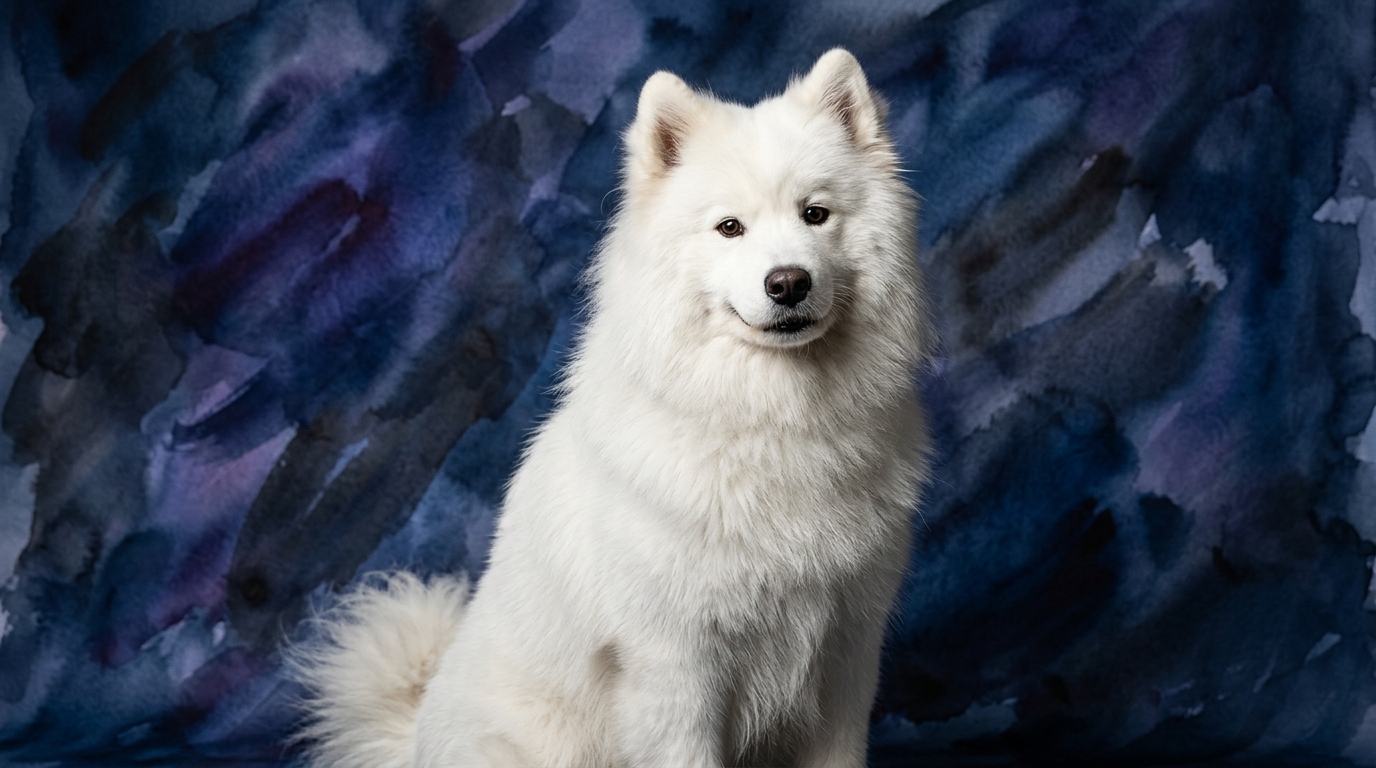
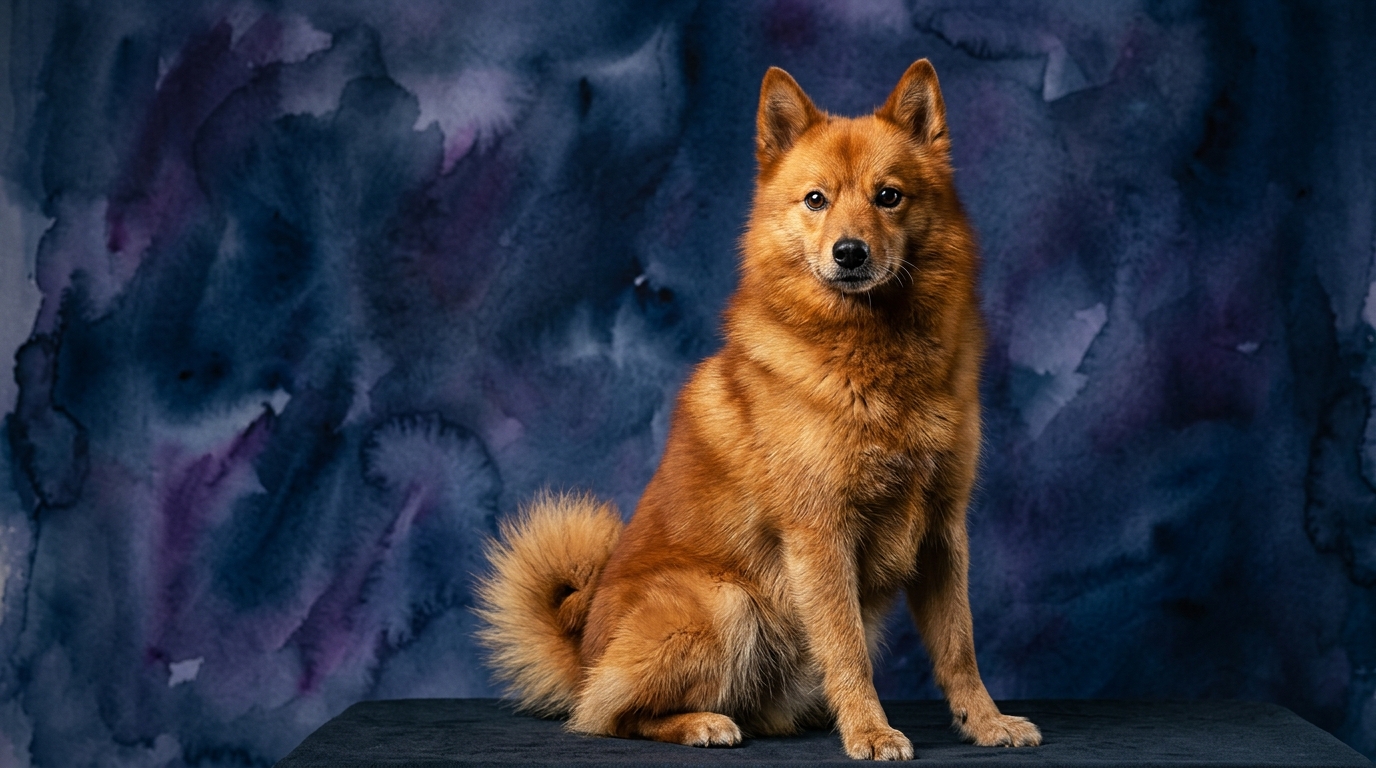
Side-by-Side Cognitive Profiles
The Samoyed, classified in the Working Group and ranked #33 by Coren, presents a cognitive profile indicative of a cooperative and purpose-driven companion. Their Problem Solving ability is rated 3/5, suggesting a capacity for navigating moderately complex situations. Training Speed also stands at 3/5, indicating they absorb new commands at an average pace. Where the Samoyed truly distinguishes itself is in Social Intelligence, scoring an impressive 5/5, reflecting a profound understanding of human cues and a strong desire for partnership. Their Instinctive Drive, at 4/5, speaks to a robust internal motivation for tasks like herding or pulling, while their Memory is rated 3/5, enabling them to retain learned behaviors and experiences.
In contrast, the Finnish Spitz, a Non-Sporting breed not listed in Coren's rankings, exhibits a more uniform cognitive profile, characteristic of its independent hunting heritage. Across all five dimensions—Problem Solving, Training Speed, Social Intelligence, Instinctive Drive, and Memory—the Finnish Spitz consistently scores 3/5. This consistent scoring reflects a breed that is capable and competent, but perhaps less inclined towards overt human cooperation than the Samoyed. Their problem-solving is practical and self-directed, their training speed steady, and their social intelligence sufficient for companionship without the intense focus on partnership seen in the Samoyed. Their instinctive drive is geared towards independent hunting, and their memory serves their self-sufficient lifestyle.
Where the Samoyed Shines Cognitively
The Samoyed's cognitive strengths are most apparent in their exceptional Social Intelligence, rated 5/5. This isn't merely about friendliness; it signifies a deep capacity to read and respond to human emotions, intentions, and subtle cues. This high social acumen translates into a dog that actively seeks interaction, understands complex social dynamics within a household, and thrives on collaborative activities. Their partnership orientation makes them particularly adept at understanding nuanced communication, fostering a profound bond that feels almost telepathic to their owners.
Furthermore, the Samoyed's Instinctive Drive, at 4/5, is a significant cognitive asset. This drive is not just raw energy but a purposeful inclination towards working and performing tasks alongside humans. Historically bred for herding reindeer and pulling sleds, their instincts are channeled towards structured, cooperative endeavors. This means a Samoyed often possesses an innate mental readiness to engage in activities that require focus and collaboration, making them naturally inclined to participate in canine sports, advanced obedience, or even therapy work where their drives can be constructively applied.
Where the Finnish Spitz Offers Unique Cognitive Advantages
While the Finnish Spitz's scores are consistently 3/5, this uniformity highlights a unique form of self-reliant intelligence, particularly valuable in their historical role. Their Problem Solving at 3/5, combined with a 3/5 Instinctive Drive, underscores a capability for independent thought and action. Bred to hunt birds by locating them, barking to hold their attention, and guiding the hunter, they developed a cognitive style that prioritizes autonomy. They are adept at assessing situations and making decisions without constant human direction, a strength for owners who appreciate a dog with strong personal initiative.
The Finnish Spitz's consistent 3/5 across all categories, including Social Intelligence, suggests a balanced, self-contained intellect. They are not as overtly people-focused as the Samoyed, but this doesn't imply a lack of affection; rather, their cognitive framework supports a companion who is capable of entertaining themselves and making independent choices. This translates to a dog that can be content observing their surroundings, processing information, and engaging with their environment on their own terms, making them less prone to separation anxiety born from over-reliance on human presence.
Trainability: Cooperation vs. Independence
When it comes to training, the Samoyed generally presents as the more receptive student, largely due to their superior Social Intelligence (5/5). While their Training Speed is 3/5, meaning they learn commands at an average pace, their strong desire to please and cooperate with their human partners makes them highly motivated. They are attuned to handler feedback and often view training as a collaborative game, making them responsive to positive reinforcement and eager to engage in structured learning sessions. Their 4/5 Instinctive Drive can be skillfully channeled into productive training exercises, providing a framework for their mental and physical energy.
The Finnish Spitz, with a 3/5 in both Training Speed and Social Intelligence, requires a different approach. Their independent nature, honed by generations of solitary hunting, means they are often less inherently driven by human approval. They learn commands at a steady pace, but their willingness to perform consistently might depend more on their current interest or perceived reward. Training a Finnish Spitz often demands more patience, creativity, and a deep understanding of their independent spirit. Owners might find that while the Finnish Spitz understands a command, they might choose whether or not to execute it based on their own assessment of the situation, embodying a 'what's in it for me?' attitude that can be challenging but also endearing.
Matching Breeds to Lifestyles: Active vs. Relaxed Owners
For owners seeking an active, engaged partnership, the Samoyed is often an ideal match. Their Working Group classification and high Instinctive Drive (4/5) mean they thrive on consistent mental and physical stimulation. They are not content to be mere decorative companions; they yearn for purpose and cooperative activities. Owners who enjoy long hikes, cani-cross, agility, obedience, or even sledding will find the Samoyed an enthusiastic and capable partner. Their high social intelligence also means they generally enjoy being involved in all family activities, making them best suited for households that integrate their dog into an active lifestyle rather than expecting them to be passive observers.
The Finnish Spitz, while originating from a hunting background, can adapt to a slightly less intensely structured active lifestyle than the Samoyed, though they are by no means a sedentary breed. Their 3/5 Instinctive Drive is geared towards bursts of activity, exploration, and independent 'work' like scent tracking or barking at squirrels. They need regular exercise to prevent boredom and channel their energy, but perhaps less emphasis on highly cooperative, sustained tasks. They can be content with vigorous walks, engaging play sessions, and opportunities for independent exploration in a secure yard. For owners who are active but appreciate a dog capable of independent thought and occasional self-amusement, the Finnish Spitz offers a rewarding balance.
The Verdict
Choose the Samoyed if you value a deeply communicative, cooperative companion eager for shared activities and a strong, reciprocal bond.
Opt for the Finnish Spitz if you appreciate an independent, intelligent thinker with a spirited personality and can provide outlets for their unique, self-reliant hunting instincts.
🧠 Find Your Pet's IQ Score
Our Pet IQ Lab assessment covers 25+ tests across 5 cognitive dimensions — personalized to your breed.
Take the Full IQ Test →Frequently Asked Questions
Are Samoyeds prone to barking?
Samoyeds are known for their vocalizations, which often include 'talking,' howling, and occasional barking, especially when excited or alerting. Their high social intelligence means they often use vocalizations as a form of communication within the family unit.
What kind of mental stimulation does a Finnish Spitz need?
A Finnish Spitz benefits greatly from activities that engage their independent problem-solving and hunting instincts, such as scent work, puzzle toys, 'find it' games, and opportunities for supervised exploration. Agility or rally can also provide structured mental and physical outlets.
How do their grooming needs compare?
Both breeds possess dense double coats suited for cold climates, requiring regular grooming to prevent matting and manage shedding. Samoyeds, with their thicker, longer coat, typically demand more intensive and frequent brushing than the Finnish Spitz, especially during shedding seasons.