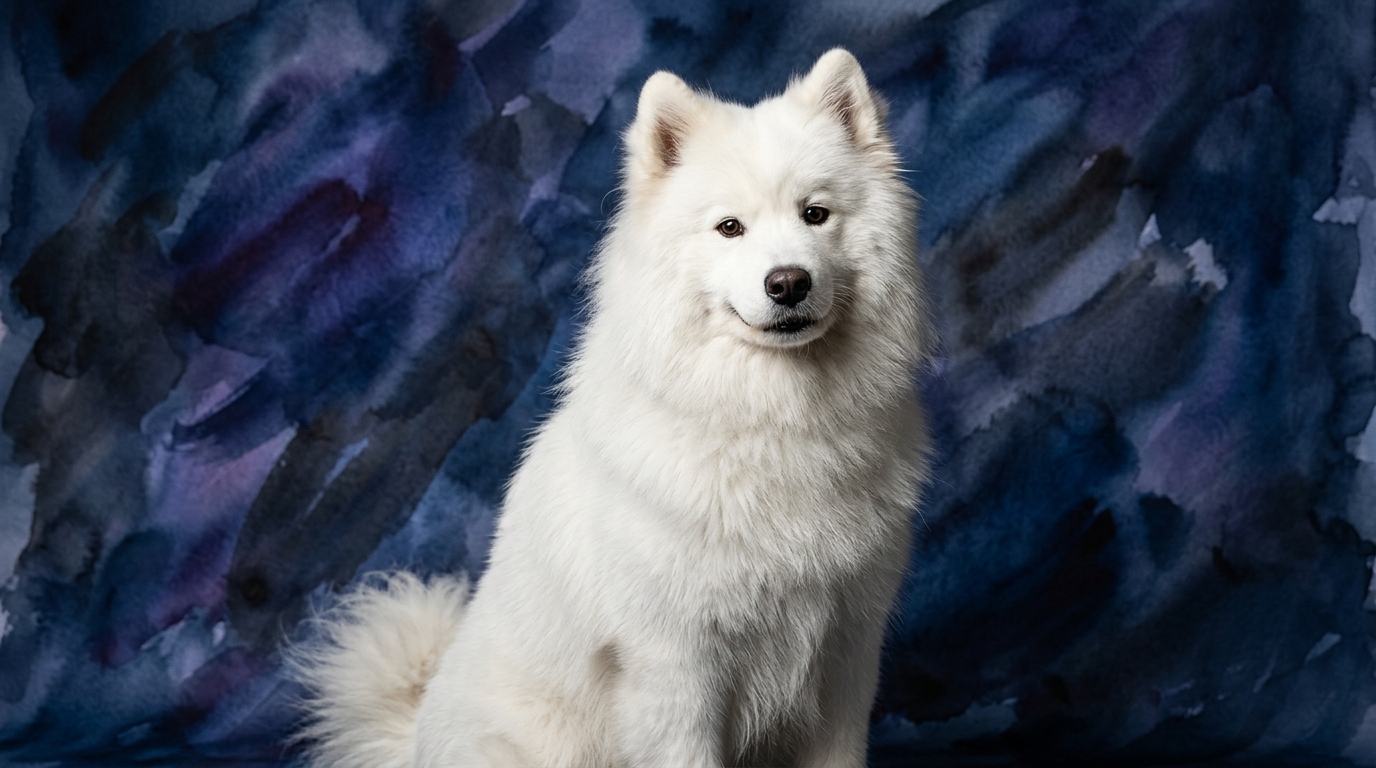
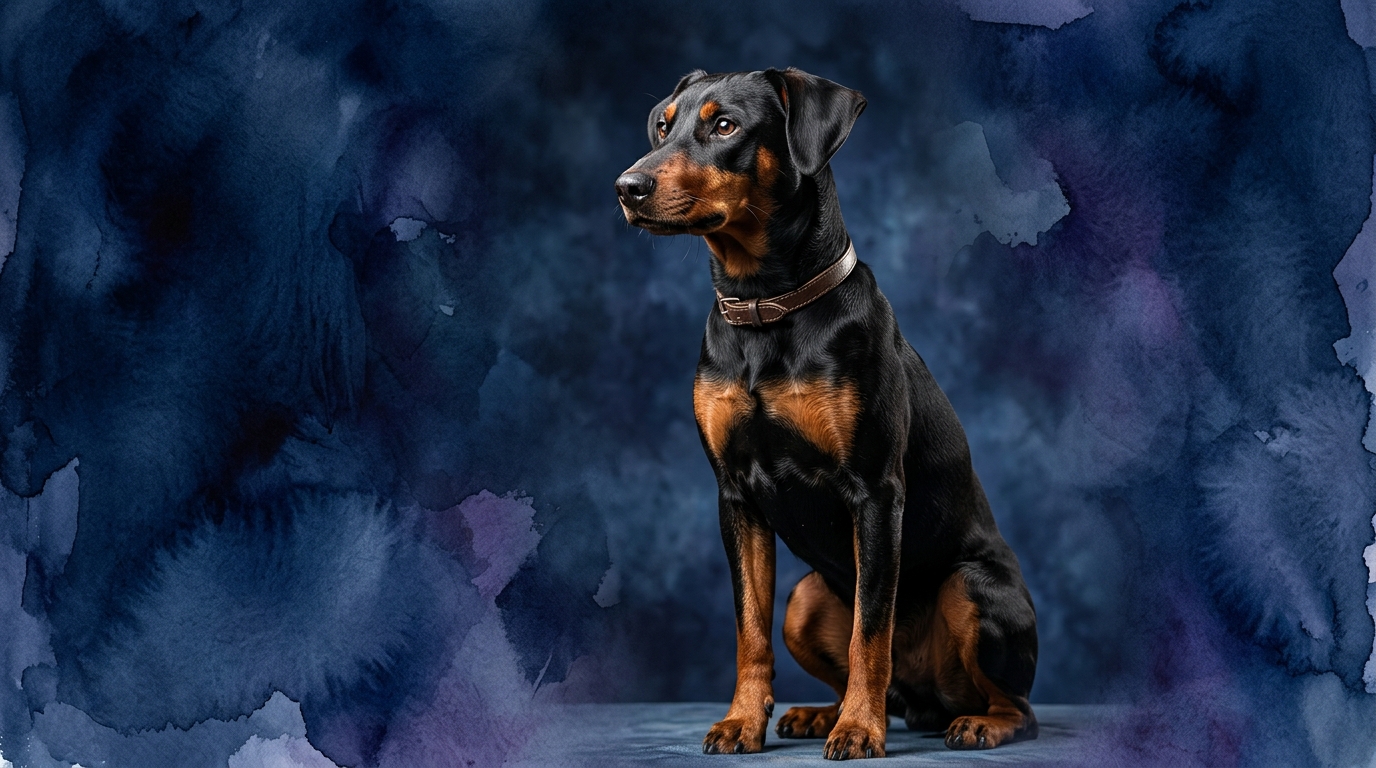
Side-by-Side IQ Profile: Unpacking Cognitive Dimensions
In The Cosmic Pet Pet IQ Lab, we evaluate canine intelligence across five key dimensions, providing a nuanced view beyond simplistic 'smart' labels. For the Samoyed and German Pinscher, while some scores align, the underlying expression of these cognitive traits varies significantly, reflecting their unique breed histories and purposes.
Both breeds score a **3/5 in Problem Solving**. For the Samoyed, this often manifests as resourceful ingenuity in navigating their environment, perhaps figuring out how to access a forbidden treat or open a gate, driven by curiosity or a specific goal. Their solutions might appear less direct, often involving trial and error. The German Pinscher, with the same score, approaches challenges with a sharp, focused intensity. Their problem-solving might involve quickly assessing a situation, like finding the best vantage point or outsmarting a small critter, often with a more independent, self-assured approach.
Similarly, both register a **3/5 in Training Speed**. A Samoyed can grasp new commands quickly, particularly when the training engages their social drive or mimics natural working behaviors. However, their independent spirit, a remnant of their original sled-pulling and herding roles, can sometimes lead to selective hearing or a reluctance to perform repetitive tasks without clear motivation. The German Pinscher also learns rapidly, absorbing commands with impressive speed. Their challenge lies not in their ability to learn, but in their need for a clear purpose and mental engagement; they can become bored or resistant if training lacks novelty or perceived utility.
A significant divergence appears in **Social Intelligence**, where the Samoyed earns an impressive 5/5, while the German Pinscher scores 3/5. The Samoyed is a master of canine-human communication, possessing an exceptional ability to read subtle cues, emotional states, and intentions from their human companions. They thrive on being an integral part of the family 'pack,' often demonstrating empathy and a strong desire for connection. In contrast, the German Pinscher's 3/5 score indicates a more discerning and self-contained social approach. While observant of human behavior, they are less overtly effusive in their social interactions, often reserving their deepest connections for their immediate family and remaining more aloof or watchful with strangers. They appreciate human companionship but are typically less dependent on constant affirmation.
Regarding **Instinctive Drive**, the Samoyed scores 4/5, and the German Pinscher 3/5. The Samoyed's higher score reflects their powerful heritage in demanding working roles—pulling sleds, herding reindeer, and guarding. This translates to a strong innate desire for purposeful activity, often manifesting in a love for running, exploring, and engaging in tasks that require stamina and independent decision-making. Their prey drive is also substantial. The German Pinscher's 3/5 drive, while lower than the Samoyed's, is equally potent within its specific context. It encompasses a keen predatory instinct for vermin, strong territoriality, and an alert guarding propensity. Their drive is often channeled into vigilance and decisive action, rather than sustained, physically demanding work on the scale of a Samoyed.
Finally, both breeds achieve a **3/5 in Memory**. This suggests that both are capable of retaining commands, routines, and experiences over time, but might require consistent reinforcement for complex sequences or long-term recall without regular practice. A Samoyed will vividly remember the people they love and the routines they follow, while a German Pinscher will recall boundaries, past training lessons, and perceived threats or rewards with precision.
Where the Samoyed Wins Cognitively
The Samoyed's most pronounced cognitive strength lies in their **exceptional social intelligence (5/5)**. This isn't merely about friendliness; it signifies a profound capacity for understanding and engaging with human emotions and intentions. A Samoyed can often anticipate their owner's mood, offer comfort without prompting, and form deep, almost intuitive bonds. This high social IQ makes them incredibly attuned companions, capable of nuanced interactions and a remarkable integration into family dynamics.
Their **instinctive drive (4/5)**, while not the highest possible score, represents a significant cognitive advantage in specific contexts. This drive is intrinsically linked to their historical roles, enabling them to excel in activities requiring sustained effort, independent navigation, and cooperation within a working group. Whether it's the joy of pulling a sled, the focus in herding, or the sheer endurance in long hikes, their cognitive framework supports a powerful, purposeful engagement with tasks, making them highly capable working partners when their instincts are properly channeled.
Where the German Pinscher Wins Cognitively
While sharing some similar scores, the German Pinscher's cognitive edge often manifests in its **focused alertness and independent decision-making**, particularly within their guarding and territorial instincts. Their **problem-solving (3/5)**, combined with their sharp observational skills, allows them to quickly assess situations and react with a self-assured decisiveness. This isn't about seeking human input; it's about processing environmental stimuli rapidly and acting on their own conclusions, a testament to their innate vigilance.
Their **instinctive drive (3/5)**, though numerically lower than the Samoyed's, is highly concentrated and effective for their specific breed purpose. This focused drive, paired with their acute senses, makes them exceptionally efficient at tasks requiring keen perception and swift action, such as vermin control or identifying perceived threats. Their cognitive architecture supports a proactive, intelligent guardianship, making them highly effective watchdogs who are always 'on duty' mentally, processing their surroundings with remarkable precision.
Which is Easier to Train and Why?
Determining which breed is 'easier' to train is less about raw learning capacity and more about the trainer's approach and understanding of each breed's motivational levers. Both breeds score 3/5 in training speed and memory, indicating they are capable learners, but their cognitive drivers differ significantly.
The Samoyed, with its 5/5 social intelligence, often appears easier to train for owners who leverage positive reinforcement and build a strong, trusting bond. They are eager to please and respond well to praise and affection, making them highly receptive to training methods that emphasize connection. However, their 4/5 instinctive drive for independent action means they can have a stubborn streak; if a task doesn't align with their perceived self-interest or if they become bored, their 'selective hearing' can kick in. Training a Samoyed requires creativity, patience, and consistent engagement to keep them motivated, often making them excellent candidates for activities like agility or obedience that feel like a partnership.
The German Pinscher, with its 3/5 social intelligence, typically isn't motivated by a strong desire to please purely for human approval. Their training success hinges on clear, consistent leadership, engaging challenges, and understanding their independent nature. They learn quickly (3/5 training speed) but demand a trainer who can be firm, fair, and above all, interesting. Repetitive drills without a clear purpose can quickly disengage a German Pinscher. Their problem-solving (3/5) means they can figure things out on their own, which can be a double-edged sword: they can problem-solve their way out of a situation or into mischief. Training a German Pinscher requires structure, mental stimulation, and a confident handler who can provide consistent rules and expectations, appealing to their sharp intellect rather than just their social drive. They are less forgiving of inconsistency or a lack of clarity in commands.
Which Suits Active Owners vs. Relaxed Owners?
Neither the Samoyed nor the German Pinscher is suited for a truly 'relaxed' owner in the sense of minimal engagement. Both are working breeds with significant needs for physical and mental activity, though the nature of these needs differs.
The Samoyed is unequivocally a breed for **active owners**. Their 4/5 instinctive drive and high energy levels demand substantial daily exercise—think long runs, extensive hikes, or engaging in dog sports like canicross or skijoring. Beyond physical exertion, their 5/5 social intelligence means they thrive on being deeply integrated into family life, requiring constant social interaction and attention. An owner who enjoys outdoor adventures and wants a constant, empathetic companion by their side will find a Samoyed a perfect match. They are not dogs content to be left alone for long periods or relegated to the backyard; their cognitive and emotional well-being depends on active participation in their human's life.
The German Pinscher also requires an **active owner**, but with an emphasis on structured activity and mental stimulation. While they need regular physical exercise—daily walks, runs, or play sessions—their cognitive satisfaction comes from focused tasks that engage their sharp intellect and instinctive drives. Owners who enjoy dog sports like agility, obedience, or scent work, and who can provide consistent training and a 'job' for their dog, will find the German Pinscher thrives. Their 3/5 social intelligence means they are less demanding of constant effusive interaction than a Samoyed, but their alertness and independent nature mean they need mental challenges and clear boundaries to prevent boredom or destructive behaviors. They are not for owners seeking a low-maintenance companion; they require an owner who understands their need for purpose and structure.
The Verdict
Choose the Samoyed if you seek a highly social, empathetic companion eager to be a full family member, and are prepared for their significant exercise needs and independent streak in training.
Opt for the German Pinscher if you appreciate a discerning, alert, and independent canine partner, and are ready to provide consistent, engaging training and structured mental challenges.
🧠 Find Your Pet's IQ Score
Our Pet IQ Lab assessment covers 25+ tests across 5 cognitive dimensions — personalized to your breed.
Take the Full IQ Test →Frequently Asked Questions
Do Samoyeds and German Pinschers learn at the same pace?
While both breeds score 3/5 in training speed and memory, their motivations differ. Samoyeds often learn quickly when socially motivated, whereas German Pinschers require clear purpose and consistent, stimulating methods to maintain engagement.
Which breed is better with children, considering their social intelligence?
The Samoyed, with its 5/5 social intelligence, typically exhibits a more patient and empathetic nature, often making them excellent family companions when properly socialized. The German Pinscher, scoring 3/5, can be good with children in their own family but might be more reserved or discerning with unfamiliar ones, requiring careful introductions and supervision.
How do their instinctive drives impact their daily lives?
A Samoyed's 4/5 instinctive drive translates to a strong desire for pulling, herding, or independent exploration, requiring outlets like dog sports or long walks. The German Pinscher's 3/5 drive often manifests as keen observation, a strong prey drive, and territorial alertness, making them diligent watchdogs who benefit from focused activities that engage their senses.