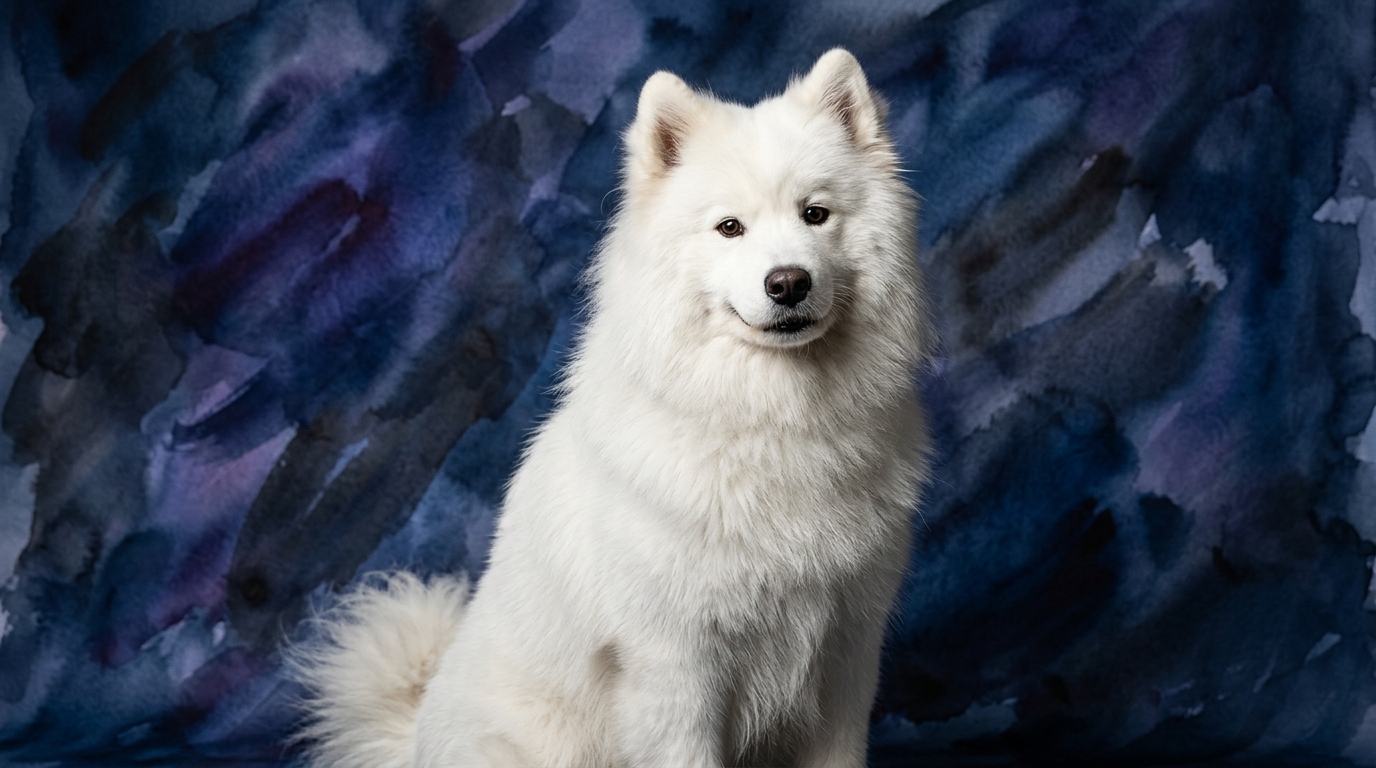
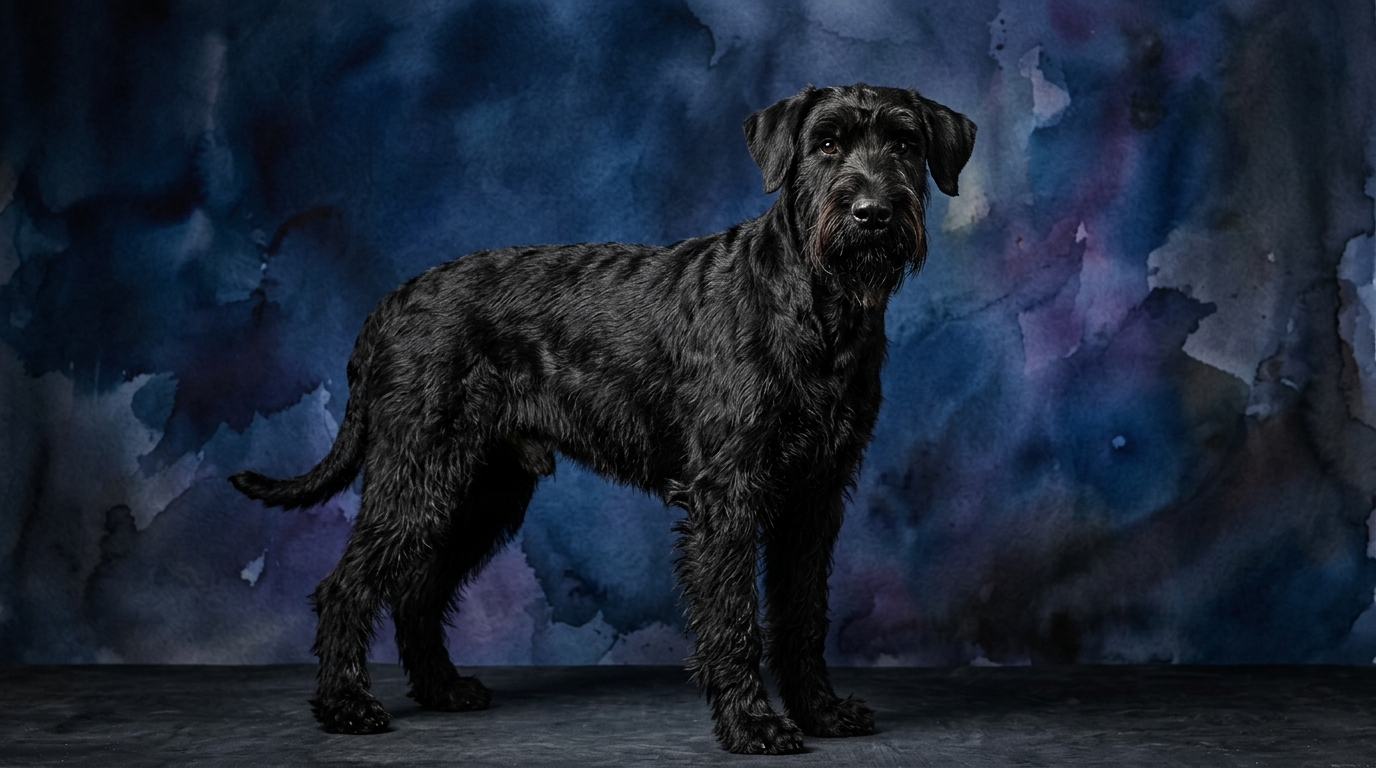
Side-by-Side Cognitive Profiles: Samoyed vs. Giant Schnauzer
The Cosmic Pet Pet IQ Lab employs five key dimensions to map a breed's cognitive blueprint, providing a nuanced understanding beyond a single 'intelligence' score. While both the Samoyed and the Giant Schnauzer hail from the Working group, their individual strengths manifest quite differently across these metrics.
For the Samoyed, our analysis shows a Problem Solving score of 3/5. This indicates a dog that can navigate straightforward challenges but might not independently devise complex solutions or enjoy intricate puzzle toys without significant human encouragement. Their approach to new situations tends to be more trial-and-error than strategic planning. Training Speed for the Samoyed registers at 3/5, suggesting they absorb commands at a moderate pace. They are capable learners, but their independent spirit means they require consistent, positive reinforcement and engaging methods to maintain focus and compliance, rather than simply obeying for the sake of it. Where the Samoyed truly excels is in Social Intelligence, earning a perfect 5/5. This breed possesses an extraordinary ability to read human emotions, foster deep bonds, and seamlessly integrate into family dynamics, often acting as an empathetic companion. Their Instinctive Drive is rated 4/5, reflecting a strong inherent motivation for cooperative tasks like pulling or herding, yet often without the intense prey drive seen in some other working breeds. Finally, their Memory score of 3/5 means they retain basic commands and routines well, but might require periodic refreshers for less frequently practiced or more complex sequences.
In contrast, the Giant Schnauzer presents a distinct cognitive profile. Their Problem Solving ability is rated 4/5, indicating a more analytical and strategic mind. They are adept at figuring out how to achieve goals, whether it’s opening a gate or mastering a new sequence of tasks, often demonstrating persistent focus. Training Speed for the Giant Schnauzer is 4/5, signifying a quicker uptake of commands and a greater eagerness to please their handler. They respond well to structure and repetition, often mastering new skills with impressive efficiency. The Giant Schnauzer's Social Intelligence stands at 3/5. While deeply loyal and protective of their immediate family, they tend to be more reserved and discerning with strangers, requiring careful socialization to ensure balanced interactions outside their core unit. Their Instinctive Drive, at 3/5, is geared more towards protection and guarding rather than herding or pulling, showcasing a vigilant and territorial nature. Lastly, the Giant Schnauzer's Memory is scored 4/5, highlighting their excellent retention of learned behaviors, routines, and past experiences, making them reliable in recalling commands even after extended breaks.
Where the Samoyed's Mind Shines Brightest
The Samoyed's cognitive zenith is undoubtedly its Social Intelligence, scoring an unparalleled 5/5. This isn't merely about friendliness; it's a profound capacity for emotional attunement and group cohesion. A Samoyed can often sense a shift in a family member's mood, offering comfort or initiating playful interaction precisely when needed. This deep empathy makes them exceptional therapy dogs and family companions, thriving on reciprocal relationships where their contributions are valued. They don't just coexist with humans; they actively participate in the emotional landscape of their home.
Furthermore, their Instinctive Drive (4/5) leans heavily into cooperative endeavors. While not always the quickest to learn complex obedience routines, their innate desire to work alongside humans in tasks like pulling a sled or participating in group activities is robust. This drive isn't about dominance or independent hunting; it's about a shared purpose, making them willing partners in physically demanding, collaborative ventures. Their moderate problem-solving (3/5) means they benefit from human guidance in complex situations, reinforcing their role as a team player rather than a solitary problem-solver.
The Giant Schnauzer's Cognitive Edge
The Giant Schnauzer's cognitive strengths lie in its more analytical and responsive mental framework. Their 4/5 Problem Solving score means they approach new challenges with a thoughtful, often persistent, strategy. Faced with an obstacle, a Giant Schnauzer is more likely to methodically work through it, trying different solutions until success is achieved, rather than waiting for human intervention or giving up. This makes them adept at complex tasks, advanced obedience, and even certain dog sports requiring strategic thinking.
Coupled with their 4/5 Training Speed and 4/5 Memory, the Giant Schnauzer stands out as a highly trainable companion for individuals seeking precision and reliability. They absorb commands quickly, consolidate that learning efficiently, and retain it over long periods. This combination makes them excellent candidates for advanced obedience, protection work, or roles requiring consistent, dependable performance. Their readiness to engage with structured learning and their robust memory ensure that once a behavior is learned, it is likely to be remembered and executed reliably.
Training Dynamics: Patience vs. Precision
The differences in Training Speed and Problem Solving between these two breeds translate directly into distinct training experiences. A Samoyed (Training Speed 3/5) requires a trainer to be patient, creative, and engaging. Their independent streak and moderate problem-solving mean they might question the 'why' behind a command or simply decide a task isn't worth their effort if not adequately motivated. Training a Samoyed often revolves around building a strong, trusting relationship and making learning feel like a fun, collaborative game rather than a strict lesson. Repetition needs to be varied, and rewards must be compelling to keep their interest.
Conversely, the Giant Schnauzer (Training Speed 4/5) generally approaches training with a more eager-to-please attitude and a greater capacity for focused attention. Their higher problem-solving score means they can grasp complex sequences more readily, and their superior memory ensures retention. Training a Giant Schnauzer often involves precision, consistency, and clear communication. They thrive on structure and respond well to handlers who provide clear expectations and follow through with fair, timely reinforcement. While still requiring positive methods, their inherent drive to work and learn makes them more straightforward for formal obedience and skill acquisition.
Lifestyle Match: Who Thrives Where?
Considering their cognitive profiles, the Samoyed's ideal home environment is one that embraces its profound social needs and independent spirit. Owners who appreciate a dog that is deeply integrated into family life, offering emotional support and seeking affectionate interaction, will find a Samoyed immensely rewarding. They thrive with active families who enjoy outdoor adventures that involve partnership, like hiking or sledding, and who can provide consistent but patient training that respects their occasional self-reliance. A Samoyed might not be the best fit for owners seeking a purely obedient, robotic companion, as their social intelligence often prompts them to 'think' about commands in context.
The Giant Schnauzer, with its sharp problem-solving skills, quick training speed, and protective instincts, is better suited for active owners who can provide clear leadership, consistent training, and ample mental stimulation. They excel in structured environments where their intelligence can be channeled into specific tasks, whether it's advanced obedience, agility, or protection work. Owners who enjoy a dedicated, vigilant companion that is always ready for a challenge and forms a strong, protective bond will find the Giant Schnauzer to be an exceptional partner. Their reserved social intelligence suggests they might not be as overtly friendly with all strangers, requiring owners who understand and manage this protective trait.
The Verdict
Choose the Samoyed if you prioritize an exceptionally empathetic, social companion who thrives on collaborative activities and offers a warm, independent spirit within the family.
Opt for the Giant Schnauzer if you seek a highly trainable, analytical, and protective partner who excels in structured learning and enjoys engaging in demanding mental and physical tasks.
🧠 Find Your Pet's IQ Score
Our Pet IQ Lab assessment covers 25+ tests across 5 cognitive dimensions — personalized to your breed.
Take the Full IQ Test →Frequently Asked Questions
Is a Samoyed or Giant Schnauzer better for first-time dog owners?
Neither breed is typically recommended for completely novice owners, as both require significant commitment. However, the Samoyed's high social intelligence and less intense protective drives might make them slightly more forgiving for those willing to learn about positive reinforcement and independent thinkers. The Giant Schnauzer's need for firm, consistent leadership and early socialization can be more challenging for inexperienced individuals.
Which breed requires more mental stimulation to prevent boredom?
The Giant Schnauzer generally requires more structured mental stimulation due to its higher problem-solving ability and strong drive to work. Without engaging tasks, they can become bored and potentially destructive. Samoyeds also need stimulation, but their social needs and cooperative drives often fulfill a significant portion of their mental requirements through interaction and shared activities.
How do their social intelligence differences impact family life?
The Samoyed's 5/5 social intelligence means they are often highly attuned to family dynamics, seeking to be involved and offering comfort, making them excellent companions for children and other pets. The Giant Schnauzer's 3/5 social intelligence indicates deep loyalty to its core family but a more reserved or wary stance towards outsiders, which can be beneficial for protection but requires careful management in social settings.