A Side-by-Side Look at Samoyed and Havanese Cognitive Profiles
At The Cosmic Pet IQ Lab, we evaluate canine cognition across five key dimensions: Problem Solving, Training Speed, Social Intelligence, Instinctive Drive, and Memory. This detailed framework helps us pinpoint specific cognitive strengths, moving beyond broad generalizations to understand how historical roles shape each breed's mind, crucial for fostering harmonious relationships.
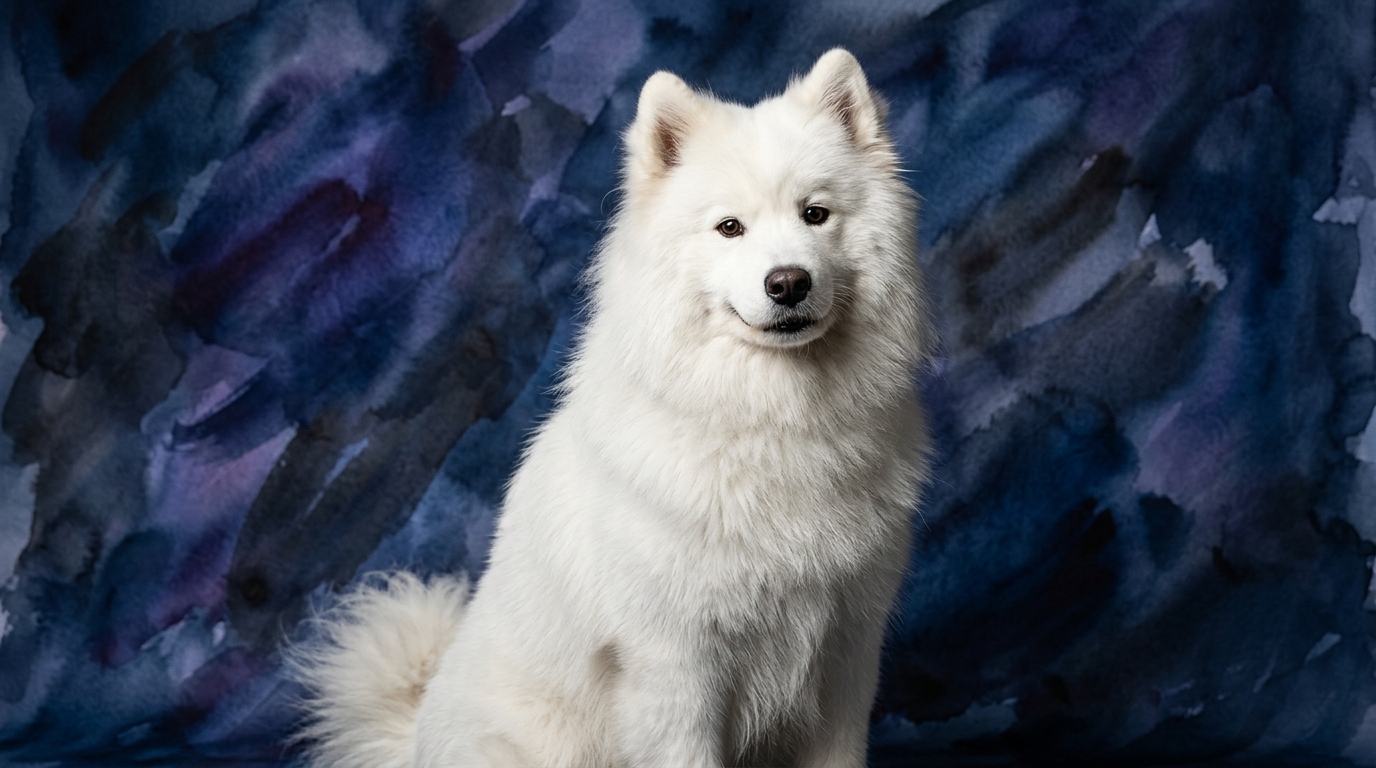
The Samoyed, a robust Working Group dog (Coren #33), reflects its nomadic heritage with a balanced cognitive profile: Problem Solving 3/5, Training Speed 3/5, Social Intelligence 5/5, Instinctive Drive 4/5, and Memory 3/5. This suggests a moderate ability to navigate challenges and learn, coupled with exceptional social acumen and a strong internal motivation for purposeful tasks.
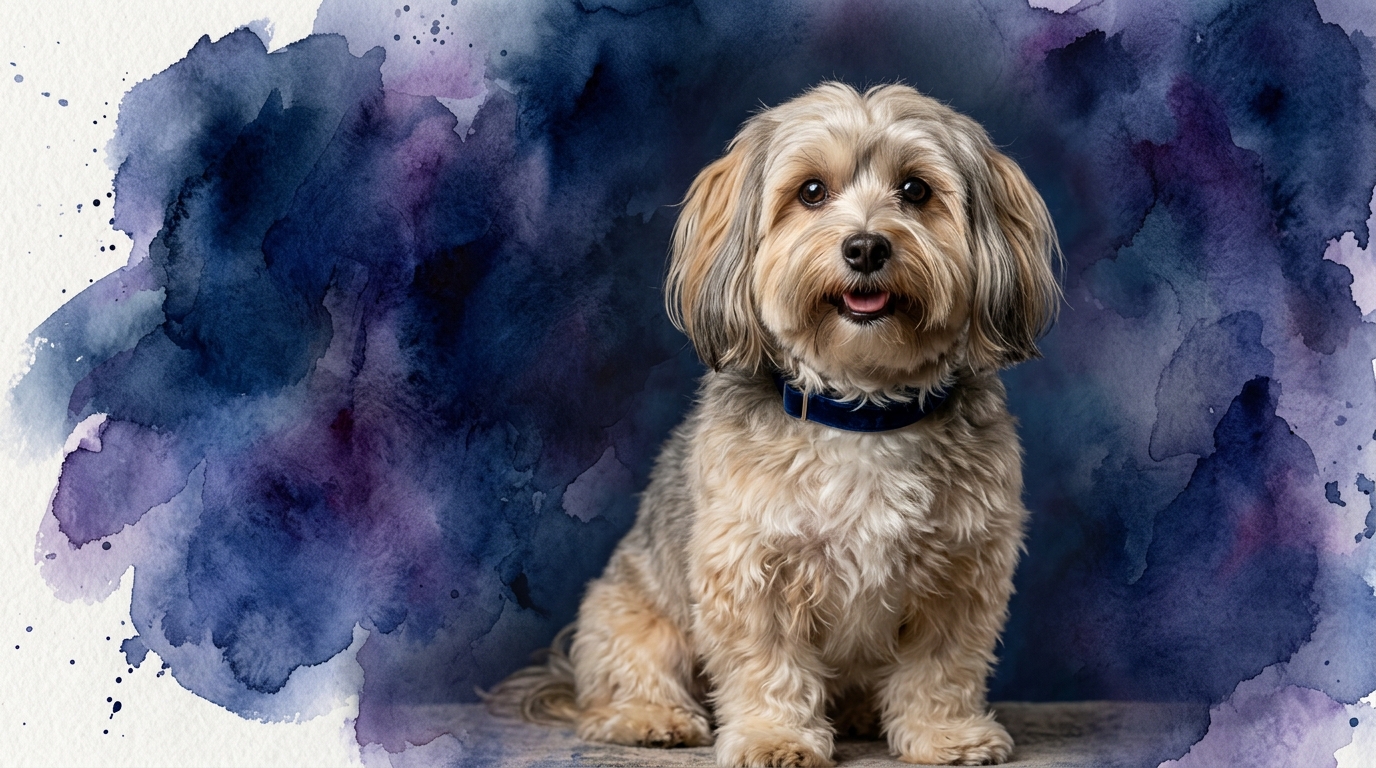
The Havanese, a delightful Toy Group companion, shares some scores but diverges notably, reflecting its dedicated companion role: Problem Solving 3/5, Training Speed 3/5, Social Intelligence 5/5, Instinctive Drive 2/5, and Memory 3/5. While matching the Samoyed in learning and social skills, its significantly lower instinctive drive aligns with a history as a lapdog rather than a laborer.
Where the Samoyed's Cognition Shines Brighter
The Samoyed's most pronounced cognitive advantage lies in its significantly higher Instinctive Drive (4/5 vs. Havanese's 2/5), reflecting a deep-seated inclination towards purpose, sustained effort, and tackling challenges. Bred for demanding tasks like sled-pulling and herding, Samoyeds thrive on having a 'job,' demonstrating resilience and persistence in physically or spatially complex tasks. This intrinsic drive makes them highly motivated partners for activities, but also means they will seek their own engagement if not adequately stimulated, requiring owners to channel this energy constructively.
Unpacking the Havanese's Distinct Cognitive Strengths
The Havanese's unique cognitive strengths are perfectly tailored for its role as a cherished companion, with its lower Instinctive Drive (2/5) being a key advantage for many modern households. This means the Havanese is less compelled to engage in independent, task-oriented behaviors like digging or extensive patrolling, which can challenge owners of working breeds. Instead, their cognitive resources are often directed towards observing and interpreting human social cues, enhancing their already perfect 5/5 Social Intelligence. They excel at emotional attunement, often anticipating owner moods, making them exceptionally responsive and adaptable family members whose satisfaction comes from shared presence and subtle communication.
Training Dynamics: Samoyed vs. Havanese
Both breeds share a Training Speed score of 3/5, yet the *application* of this learning speed differs due to their Instinctive Drive and Social Intelligence. Samoyeds, with their higher drive, are highly motivated to learn complex commands when tasks are engaging and purposeful, but their independence can lead to 'Samoyed stubbornness' if they don't see the point or are distracted. Consistent, positive reinforcement making training a partnership is crucial for managing their strong will and achieving compliance.
The Havanese, despite the same Training Speed, often appears easier for basic obedience due to lower instinctive drive and paramount social intelligence. They are typically eager to please and less distracted by independent urges, thriving on positive reinforcement, praise, and gentle encouragement. Their sensitivity means harsh methods are counterproductive, as their motivation stems primarily from the desire for connection and approval, making them highly responsive to reward-based training that strengthens the bond.
Matching Cognitive Profiles to Lifestyles
Choosing between a Samoyed and a Havanese requires aligning their inherent cognitive needs with an owner's lifestyle. The Samoyed, with its robust Instinctive Drive (4/5) and working heritage, suits active, engaged owners prepared for significant physical exercise and consistent mental stimulation. They thrive when their energy and problem-solving skills are channeled into activities like hiking, agility, or advanced obedience, making them deeply rewarding partners for owners who enjoy active participation.
Conversely, the Havanese, with its lower Instinctive Drive (2/5) and profound social intelligence, is an excellent match for owners seeking a devoted, adaptable companion for a more relaxed, interactive lifestyle. While enjoying playtime, their cognitive needs are primarily met through close companionship, social interaction, and moderate mental engagement. They are content to be near their people, ideal for apartment living or homes with less outdoor space, provided their social needs are consistently met.
The Verdict: Making Your Choice
Ultimately, both the Samoyed and Havanese offer profound companionship, each bringing distinct cognitive strengths to a household. Your ideal match hinges on understanding how their ingrained mental predispositions will integrate into your daily life. The 'smarter' dog isn't about higher scores across the board, but rather the one whose cognitive makeup best aligns with your capacity to provide appropriate stimulation and meet their inherent needs, ensuring a harmonious partnership.
The Verdict
Choose a Samoyed if you are an active individual or family seeking a partner for adventure and willing to provide consistent mental and physical challenges to satisfy their strong instinctive drive and working capabilities. They thrive with owners who enjoy structured activities and can channel their purposeful energy.
Opt for a Havanese if you desire a devoted, emotionally attuned companion for a more relaxed lifestyle, valuing constant companionship and gentle interaction over intense physical activities. They are ideal for owners who appreciate a dog whose primary cognitive focus is on forming deep, responsive bonds within the family.
🧠 Find Your Pet's IQ Score
Our Pet IQ Lab assessment covers 25+ tests across 5 cognitive dimensions — personalized to your breed.
Take the Full IQ Test →Frequently Asked Questions
Do Samoyeds need more mental stimulation than Havanese?
Yes, Samoyeds, with their higher instinctive drive and working group background, typically require more structured mental challenges and purposeful activities to prevent boredom and channel their energy constructively. Havanese are generally satisfied with engaging social interaction and moderate puzzle toys, as their cognitive needs are less focused on 'work'.
Are Havanese easier to train for basic obedience?
While both breeds share a similar training speed score, Havanese often appear easier for basic obedience due to their lower instinctive drive, which means fewer independent impulses to override during training. Their strong social intelligence makes them highly responsive to positive reinforcement and human praise, making them eager to comply.
How does social intelligence differ between these two breeds?
Both Samoyeds and Havanese score 5/5 in social intelligence, meaning they are equally adept at understanding and forming bonds with humans and other animals. However, a Samoyed's expression of this might involve playful interaction and participation in family activities, whereas a Havanese often displays it through constant companionship, emotional attunement, and a desire to be physically close to their owners.