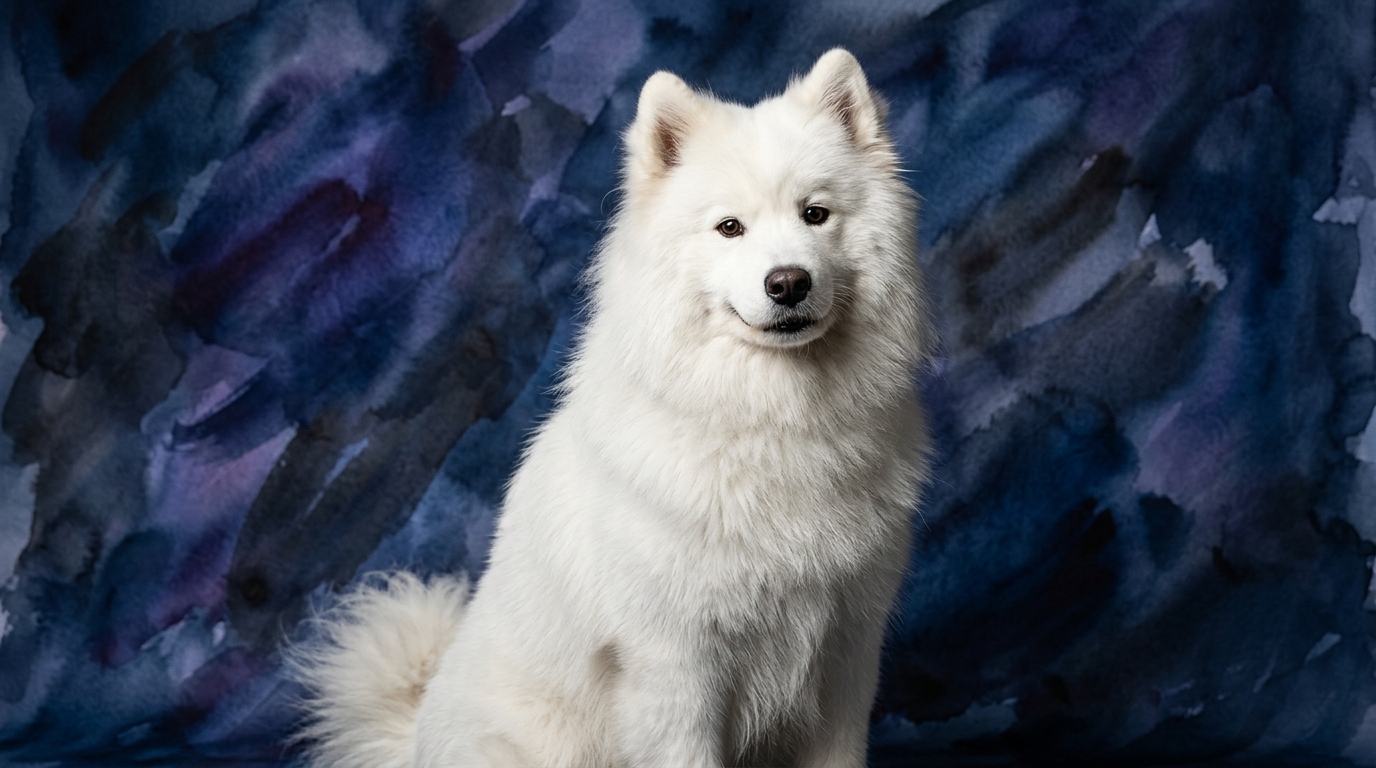
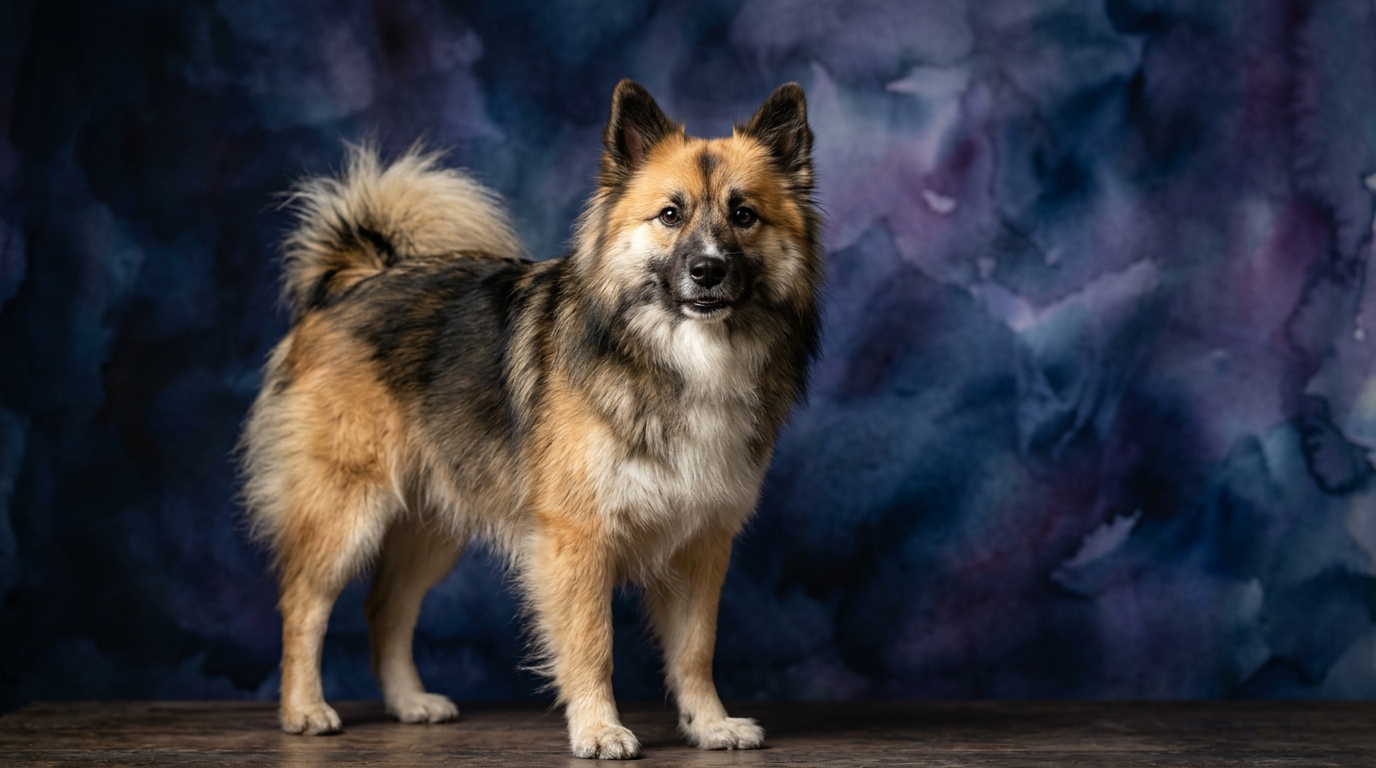
Side-by-Side IQ Profile: Samoyed vs. Icelandic Sheepdog
At The Cosmic Pet Pet IQ Lab, we evaluate canine intelligence across five key dimensions. For the Samoyed, a member of the Working group, we observe a Problem Solving score of 3/5, indicating a moderate capacity to independently navigate challenges. Their Training Speed is also 3/5, suggesting they learn new commands at a steady, consistent pace. Where Samoyeds truly excel is in Social Intelligence, scoring an impressive 5/5, reflecting an exceptional ability to read and respond to human cues. Their Instinctive Drive registers at 4/5, showcasing a strong innate inclination towards their historical tasks and companionship. Finally, their Memory is rated 3/5, signifying a moderate ability to retain learned information and experiences.
The Icelandic Sheepdog, classified within the Herding group and not Coren-ranked, presents a slightly different cognitive picture. Their Problem Solving score is 3/5, mirroring the Samoyed's moderate ability to work through obstacles. Similarly, their Training Speed is 3/5, indicating they too require consistent effort to master new skills. In Social Intelligence, the Icelandic Sheepdog scores 3/5, demonstrating sociability but perhaps a less intense focus on human interaction compared to the Samoyed. Their Instinctive Drive stands at 3/5, pointing to a moderate, yet distinct, inclination towards their herding heritage. Their Memory, like the Samoyed's, is also 3/5, suggesting a reliable, but not extraordinary, capacity for recall.
Where the Samoyed's Cognitive Strengths Shine
The Samoyed's most notable cognitive advantage lies in their exceptional Social Intelligence, scoring a perfect 5/5. This means they possess an advanced ability to interpret human emotions, body language, and vocal tones, making them remarkably empathetic and intuitive companions. A Samoyed often seems to anticipate their owner's needs or mood, responding with appropriate affection or playful engagement. This high social acumen fosters a deep bond, making them incredibly integrated members of their human 'pack.'
Coupled with their 4/5 Instinctive Drive, Samoyeds exhibit a strong desire for purpose and participation. Originating as reindeer herders and sled pullers, they carry an innate need to be involved and contribute. This drive isn't just about physical tasks; it extends to a strong yearning for companionship and shared activities. This cognitive combination makes them highly cooperative in social learning settings and deeply motivated by positive human interaction, often translating into a perceived eagerness to please.
Where the Icelandic Sheepdog's Unique Cognitive Strengths Lie
While the Icelandic Sheepdog doesn't outscore the Samoyed in any direct category, their cognitive profile is uniquely tailored to their ancestral role as resilient herders in challenging environments. Their 3/5 Problem Solving and Memory scores, combined with a 3/5 Instinctive Drive, manifest as a practical, independent intelligence. These dogs excel in on-the-ground problem-solving related to their surroundings, often requiring a subtle, self-directed wit to manage their charges or navigate varied terrain without constant human oversight.
Their moderate Social Intelligence (3/5) allows for strong connections with their family without fostering dependency, promoting a self-reliance that was crucial for their work. This cognitive blend means Icelandic Sheepdogs are observant and capable of making decisions independently, often relying on their own judgment in situations where immediate human direction might not be available. This specific application of their cognitive abilities makes them highly competent in tasks requiring focused attention and initiative within their environment.
Which is Easier to Train and Why?
Despite both breeds sharing a 3/5 Training Speed score, indicating a moderate learning pace, the Samoyed generally presents as the more amenable student, largely due to their exceptional 5/5 Social Intelligence. This profound attunement to human cues and a strong desire to connect means a Samoyed is often proactively seeking to understand and cooperate during training sessions, making them highly responsive to positive reinforcement and praise. Their 4/5 Instinctive Drive further fuels this, as they naturally thrive when given a purpose, even if it's just learning a new trick or command, making them eager participants in the training process.
In contrast, the Icelandic Sheepdog, with its 3/5 Social Intelligence and 3/5 Instinctive Drive, tends to exhibit a more independent streak. While perfectly capable of learning and retaining commands (Memory 3/5), their motivation might stem less from an inherent desire to please and more from an internal drive or the perceived utility of the task. They require patient, consistent training that respects their self-reliant nature, often responding best when the 'why' of a command is clear, rather than simply obeying out of social deference. Owners must be prepared to be consistent and engaging, as these dogs may test boundaries or attempt to problem-solve tasks in their own way.
Suitability for Active vs. Relaxed Owners
For owners seeking a highly engaged and participative companion, the Samoyed aligns well with an active lifestyle. Their 4/5 Instinctive Drive means they thrive on having a role, whether it's daily long walks, hiking, or even participating in dog sports like agility or carting. Coupled with their 5/5 Social Intelligence, they are eager to share these activities with their human family, making them excellent partners for owners who integrate their dog into their daily adventures. A truly relaxed owner might find the Samoyed's persistent need for interaction and purpose overwhelming, as these dogs are not content to be mere background decor.
The Icelandic Sheepdog, while certainly not a sedentary breed, offers a slightly different balance. Their 3/5 Instinctive Drive and 3/5 Social Intelligence suggest they appreciate activity and mental engagement, particularly those that tap into their herding roots, such as trick training, scent work, or supervised interaction with small 'flocks' of toys. However, they may possess a touch more self-sufficiency than the Samoyed, content to observe or engage independently for periods. They suit active owners who can provide consistent, stimulating outlets, but might also adapt better to moments of quiet companionship without the same intense demand for constant, direct interaction that a Samoyed often expresses. Their vocal nature, a part of their herding instinct, also needs consideration.
The Verdict
Choose the Samoyed if you desire a deeply socially integrated companion who thrives on shared activities and is highly attuned to your emotional state, and you are prepared for their consistent need for interaction and purpose.
Choose the Icelandic Sheepdog if you appreciate a resilient, self-reliant companion with a strong herding instinct, capable of independent thought, and you can provide consistent mental and physical stimulation that respects their unique cognitive approach.
🧠 Find Your Pet's IQ Score
Our Pet IQ Lab assessment covers 25+ tests across 5 cognitive dimensions — personalized to your breed.
Take the Full IQ Test →Frequently Asked Questions
Are Samoyeds good at puzzle toys given their Problem Solving score?
With a Problem Solving score of 3/5, Samoyeds are moderately capable with puzzle toys. They enjoy the mental stimulation and the reward, but might need some guidance for more complex puzzles, thriving on the shared activity with their owner.
Do Icelandic Sheepdogs bark a lot due to their intelligence and instincts?
Icelandic Sheepdogs, with their 3/5 Instinctive Drive rooted in herding, often use vocalization as part of their natural behavior to gather or alert. While not directly tied to a 'high' intelligence score, their moderate problem-solving and memory, combined with this instinct, means they can be quite communicative, requiring consistent training to manage barking.
How do their social intelligence scores impact daily family life?
A Samoyed's 5/5 Social Intelligence means they are highly integrated into family dynamics, often seeking interaction and being deeply responsive to moods, making for a very connected household. The Icelandic Sheepdog's 3/5 Social Intelligence indicates they are sociable and affectionate, but might display more independence, enjoying family presence without requiring the same intense, constant interactive engagement as a Samoyed.