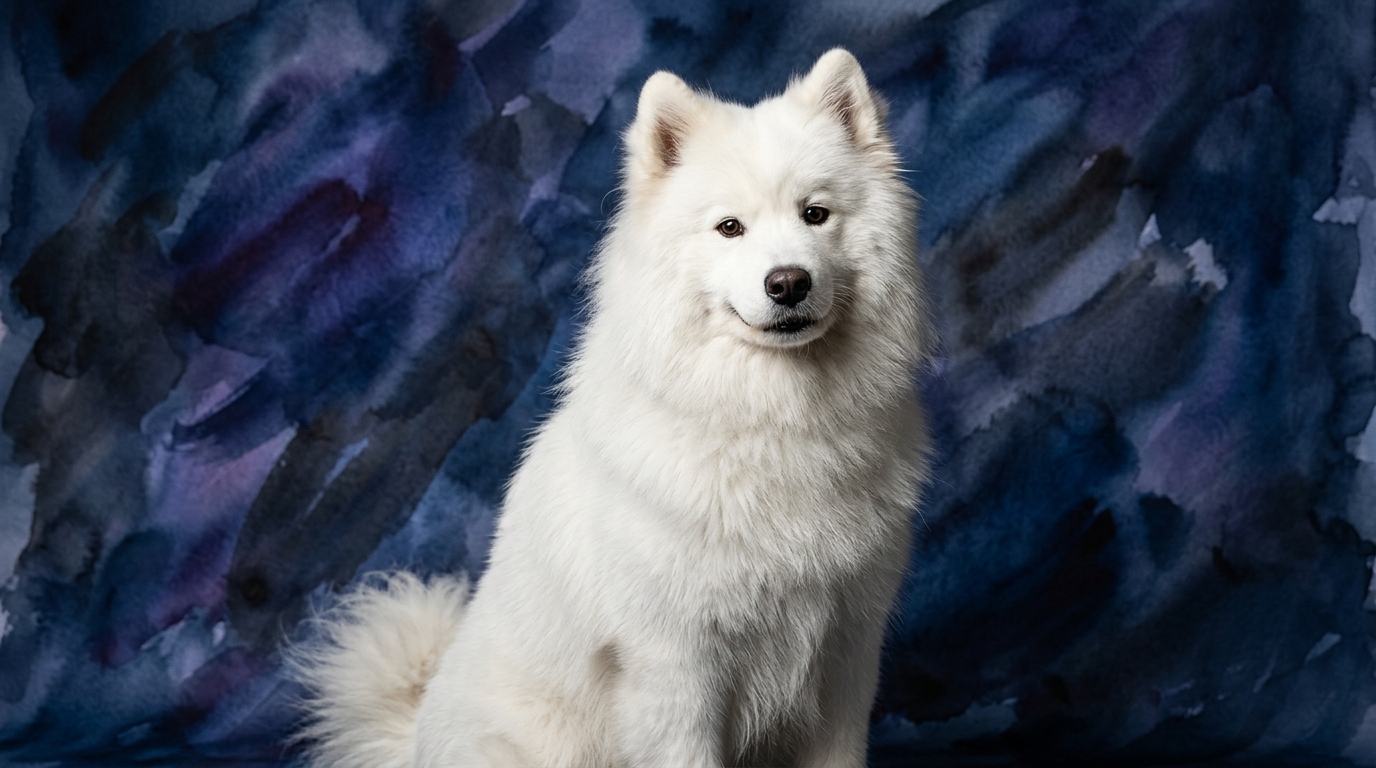
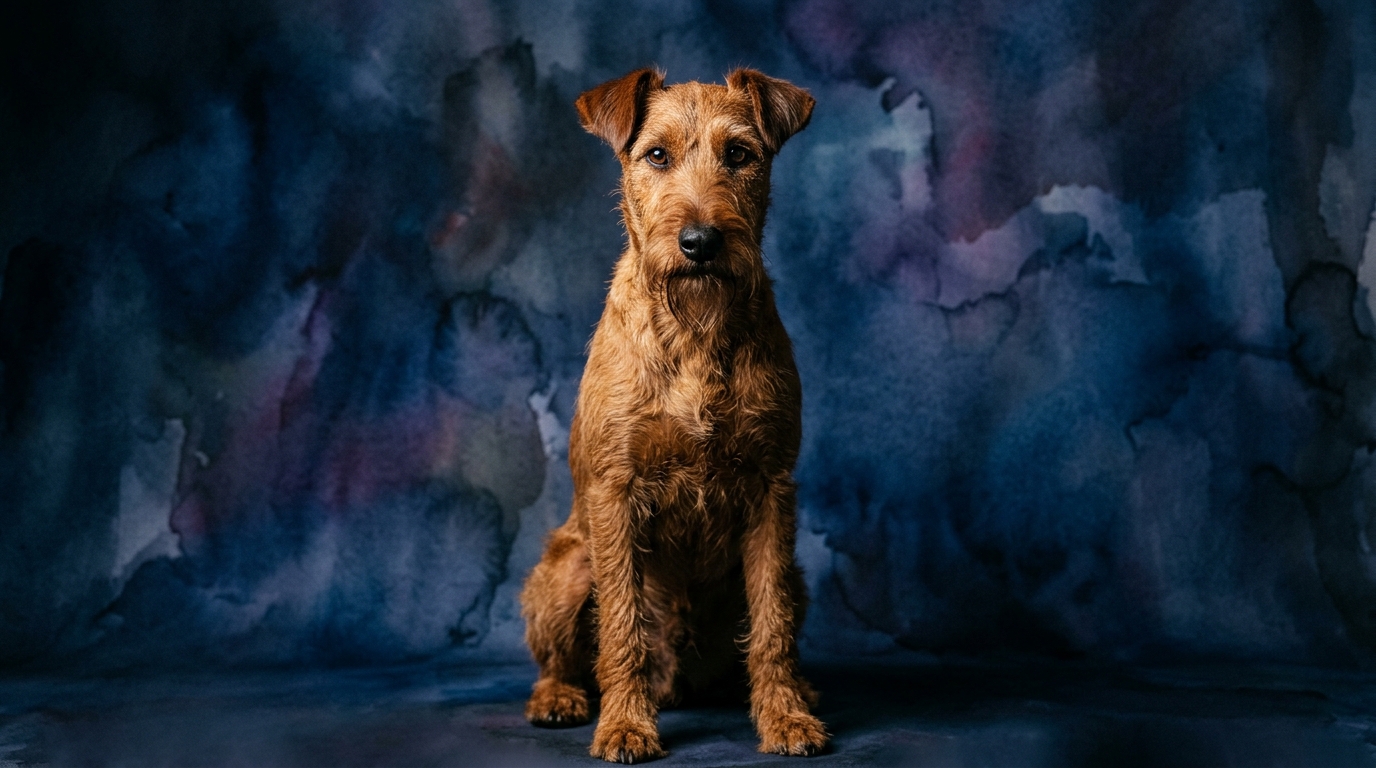
Side-by-Side IQ Profile: Samoyed vs. Irish Terrier
At The Cosmic Pet Pet IQ Lab, we assess canine intelligence across five key dimensions. For the Samoyed, a dog with a Coren rank of #33, their cognitive blueprint reflects a history of cooperative work and companionship in harsh environments. The Irish Terrier, while not Coren-ranked, presents a profile shaped by independent hunting and tenacious problem-solving.
Samoyed IQ Profile:
Problem Solving (3/5): Samoyeds demonstrate moderate problem-solving, capable of navigating tasks with motivation and clear direction. Their historical role required independent decisions in challenging environments, but less focus on novel solution creation.
Training Speed (3/5): While learning rapidly, Samoyeds can exhibit an independent streak, a legacy of working without constant human oversight. Consistent positive reinforcement is key to maintaining their engagement in training.
Social Intelligence (5/5): A standout trait, Samoyeds show exceptional capacity for understanding human cues, intentions, and emotional states. Their close bond with human families and cooperative historical roles fostered this profound social acumen.
Instinctive Drive (4/5): Samoyeds possess a robust drive for herding, pulling, and companionship, manifesting as a strong desire to be "useful." They require outlets for this purposeful energy.
Memory (3/5): Samoyeds have solid, though not exceptional, memory, retaining learned commands and routines effectively without recalling intricate sequences with high precision.
Irish Terrier IQ Profile:
Problem Solving (3/5): Irish Terriers exhibit moderate problem-solving, adept at figuring out goals like pursuing prey or navigating obstacles. Their tenacity often compensates for less intricate cognitive planning.
Training Speed (3/5): Similar to Samoyeds, Irish Terriers learn steadily but can be challenging due to their independent terrier nature. Consistency and engaging methods are crucial for success.
Social Intelligence (3/5): Irish Terriers possess moderate social intelligence, forming strong bonds with immediate family but without the same nuanced understanding of human emotions or desire for cooperative ventures as the Samoyed.
Instinctive Drive (3/5): The Irish Terrier's drive focuses primarily on their terrier heritage: hunting, digging, and chasing. This drive is strong within its specific domain but less broadly expressed across various "working" tasks.
Memory (3/5): Irish Terriers have competent memory, remembering commands and experiences. Their independent spirit, however, can sometimes make compliance seem selective rather than forgetful.
Where the Samoyed Wins Cognitively
The Samoyed's clearest cognitive advantage lies in its exceptional Social Intelligence (5/5). This breed excels at reading human emotions and understanding subtle cues, fostering deep, cooperative bonds. Their history of working alongside humans in close-knit communities, as partners in tasks like herding, cultivated a profound ability to anticipate human needs. This makes them remarkably attuned companions. Their instinctive drive (4/5) also leans towards cooperative tasks such as pulling, translating into a strong desire for shared activities. This intrinsic motivation for partnership makes them particularly receptive to training methods emphasizing collaboration, as they genuinely enjoy working with their people. Furthermore, their Coren rank of #33 suggests a more consistent and reliable cognitive approach to structured learning compared to many other breeds.
Where the Irish Terrier Wins Cognitively
While sharing a Problem Solving score of 3/5 with the Samoyed, the Irish Terrier's application of this skill is distinct and tenacious. Irish Terriers excel at independent problem-solving, particularly when achieving self-appointed goals like locating underground critters or navigating tricky barriers. Their cognitive strength lies in sheer determination and persistence through challenges without constant human guidance. This persistence, rooted in their instinctive drive (3/5) for hunting and exploration, means they are not easily deterred once focused. They possess a street-smart cleverness, adept at finding workarounds or exploiting weaknesses. This independent thought process, while sometimes perceived as stubbornness, is a significant cognitive asset in situations demanding self-reliance and resourceful action.
Which is Easier to Train and Why?
Comparing training ease requires understanding their core motivations. Both score 3/5 in Training Speed, indicating similar learning paces. However, the Samoyed's superior Social Intelligence (5/5) offers an edge in responsiveness. Samoyeds genuinely seek to please and engage with their human companions, making them more amenable to structured, cooperative training. They value shared activity and human connection, responding well to positive reinforcement. The Irish Terrier's training is shaped by its independent spirit and strong prey drive. While they learn commands, compliance can be conditional on their current interest. Training an Irish Terrier demands immense patience, consistency, and creative methods to maintain engagement against their natural inclination for self-directed activity. Samoyeds, driven by partnership, are generally more straightforward to guide through obedience, provided their working heritage is respected.
Suitability for Active vs. Relaxed Owners
Both Samoyeds and Irish Terriers are energetic, but their activity needs differ. The Samoyed, with its 4/5 Instinctive Drive, requires consistent mental and physical stimulation rooted in purpose. They thrive with active owners offering outlets for pulling, herding, or companionship drives, enjoying shared outdoor adventures. A relaxed owner might struggle to meet their need for cooperative engagement. The Irish Terrier, with its 3/5 Instinctive Drive focused on hunting, also needs vigorous exercise and mental challenges like agility. Their independence means they are less reliant on constant human interaction during activity and can be content exploring independently. Neither breed suits truly 'relaxed' owners, but the Samoyed's need for *cooperative* activity is more pronounced, while the Irish Terrier's can be more self-directed.
The Verdict
Choose the Samoyed if you seek a highly social, cooperative canine partner deeply attuned to human emotions, eager to engage in shared activities and responsive to relationship-based training.
Opt for the Irish Terrier if you appreciate an independent, tenacious companion with a sharp wit and boundless energy, ready for self-directed adventure and owners who can channel their spirited terrier drive.
🧠 Find Your Pet's IQ Score
Our Pet IQ Lab assessment covers 25+ tests across 5 cognitive dimensions — personalized to your breed.
Take the Full IQ Test →Frequently Asked Questions
Does Coren's ranking fully capture a dog's intelligence?
Coren's ranking primarily assesses "working and obedience intelligence," focusing on how quickly a dog learns and obeys commands. It doesn't fully encompass other vital cognitive dimensions like problem-solving, social intelligence, or instinctive drives, which are crucial for a complete understanding of a breed's intellect.
Can an Irish Terrier be as well-behaved as a Samoyed in an obedience setting?
Yes, with consistent and dedicated training, an Irish Terrier can achieve high levels of obedience. However, their independent nature means training might require more patience, creativity, and a stronger focus on motivation to overcome their natural inclinations compared to the more people-pleasing Samoyed.
How do their grooming needs compare in relation to their cognitive profiles?
Grooming needs are largely physical, but they can indirectly impact cognitive engagement. Samoyeds require significant grooming for their thick double coat, which can be a cooperative bonding activity. Irish Terriers need regular stripping, a process that also requires patience and can be a quiet, focused interaction, reflecting their independent but attentive nature.