Side-by-Side Cognitive Profiles
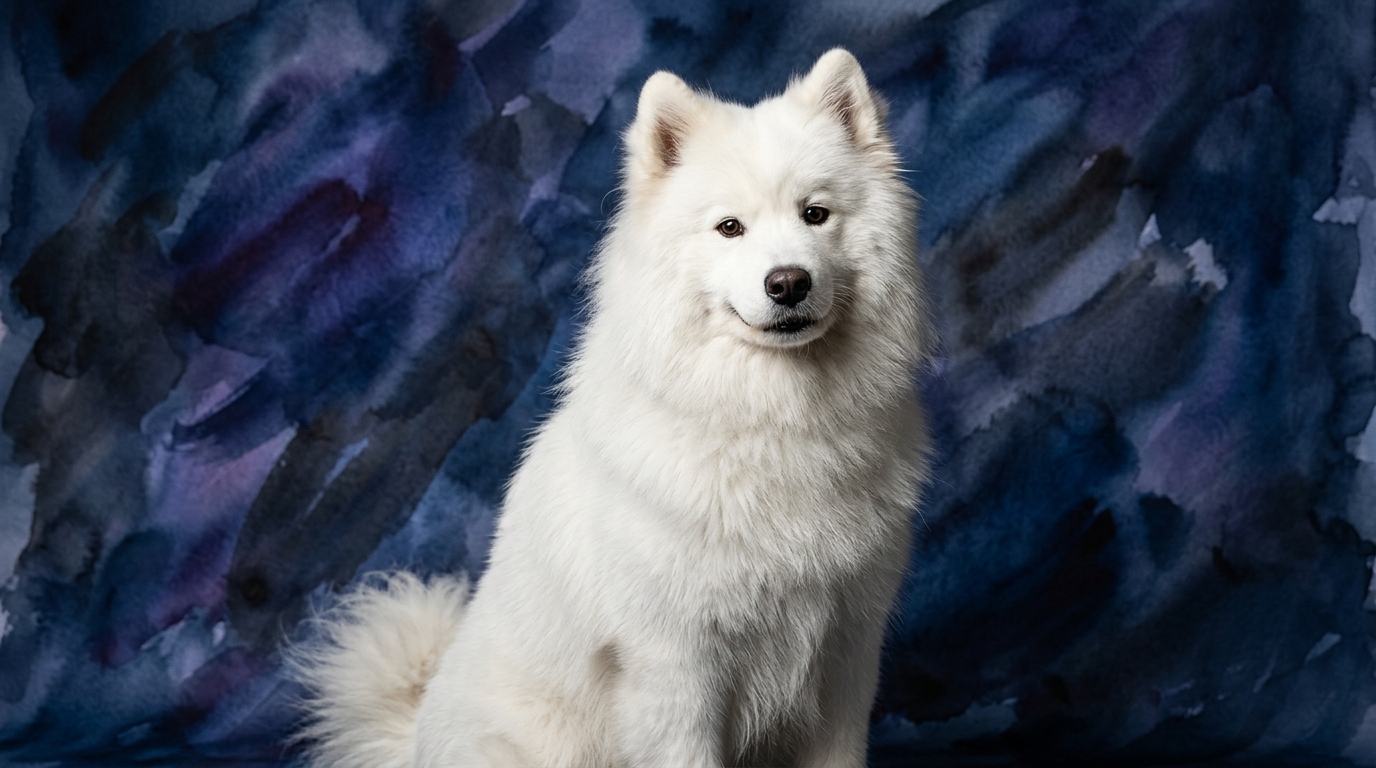
The Samoyed, ranked #33 by Coren for working intelligence, presents a compelling cognitive makeup. Their Problem Solving is rated 3/5, indicating a moderate ability to navigate novel situations, often relying on learned patterns. Training Speed also stands at 3/5, meaning they absorb new commands at a steady pace with consistent effort. Where they truly distinguish themselves is in Social Intelligence, scoring an exceptional 5/5, reflecting a profound understanding of human cues and a strong desire for interaction. Their Instinctive Drive is 4/5, rooted in centuries of sled-pulling and herding, channeling energy into purposeful activities. Memory is a reliable 3/5, retaining information with moderate consistency.
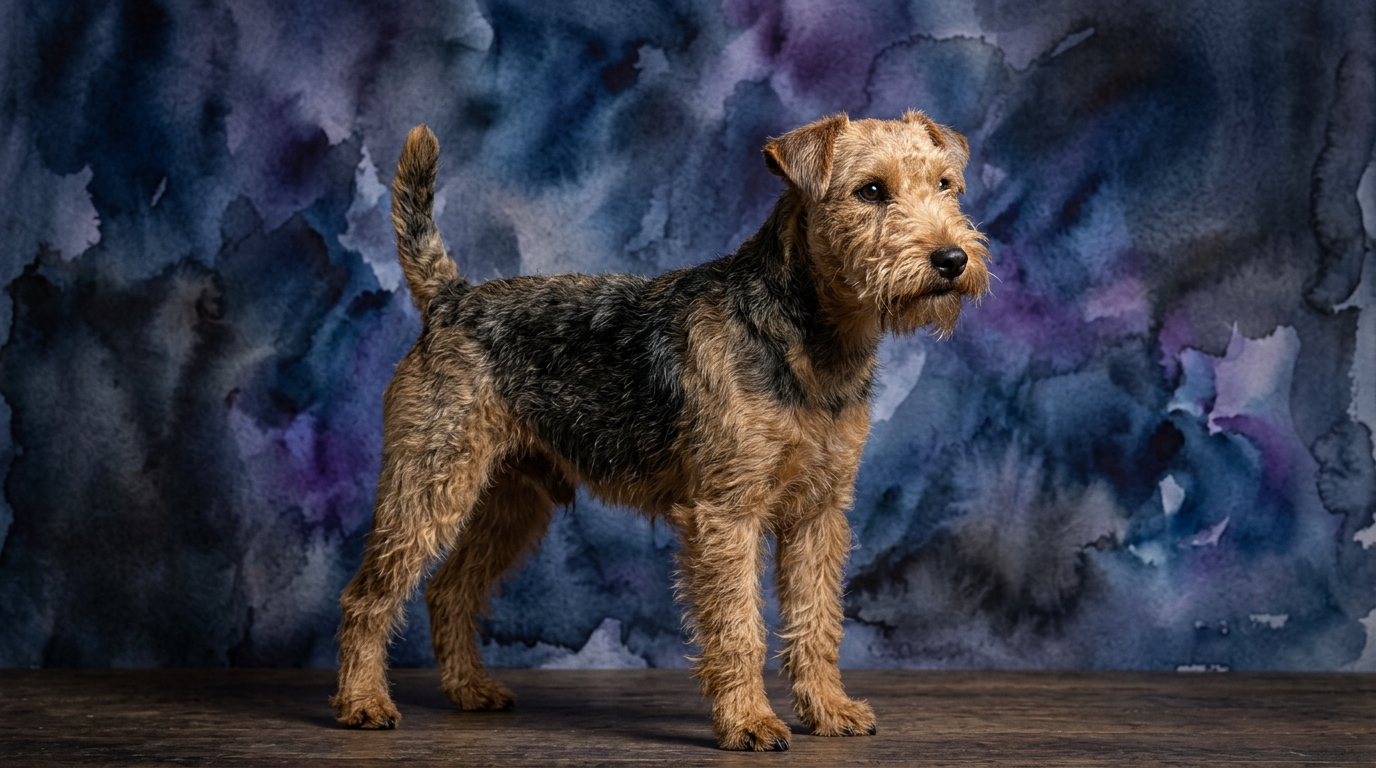
The Lakeland Terrier, while not Coren-ranked, possesses a cognitive profile perfectly suited to its terrier heritage. Their Problem Solving is 3/5, demonstrating a moderate, often persistent, approach to overcoming obstacles. Training Speed matches the Samoyed at 3/5, meaning they learn at a moderate rate, though their independent streak can influence compliance. Social Intelligence is 3/5, indicating they form strong bonds but are often more self-reliant than highly social breeds. Instinctive Drive is 3/5, specifically focused on traditional terrier tasks like hunting small prey, manifesting as digging or chasing. Memory is also 3/5, holding onto learned behaviors with moderate consistency, benefiting from regular reinforcement.
Where the Samoyed Wins Cognitively
The Samoyed's cognitive strengths distinctly shine in areas of social engagement and collaborative work. Their remarkable 5/5 social intelligence means they are exceptionally attuned to human emotions and intentions, making them intuitive companions who often anticipate needs or react sensitively to mood shifts. This high social acumen fosters a deep desire to cooperate and participate in family activities, translating into a dog that genuinely seeks to be a part of its human 'pack.'
Furthermore, their 4/5 instinctive drive, rooted in centuries of sled-pulling and herding, means they possess an inherent motivation for structured physical tasks. This drive, when channeled appropriately, allows them to excel in activities that require sustained effort and partnership, such as cani-cross, skijoring, or advanced obedience, where their purpose-driven nature is fully engaged. Their cognitive strength lies in their collaborative spirit and their capacity for sustained, cooperative effort within a social context.
Where the Lakeland Terrier Exhibits Unique Strengths
While the Lakeland Terrier's scores might appear lower in comparison, their cognitive strengths lie in their focused independence and tenacity, qualities that were paramount for their original purpose. Their 3/5 problem-solving ability, combined with a robust terrier spirit, manifests as a determined persistence in tasks, especially those involving exploration or 'solving' a scent trail. This isn't about complex strategy, but rather a relentless, self-directed drive to achieve a goal.
Their 3/5 instinctive drive, though moderate, is highly specialized for vermin control, meaning they exhibit focused attention and unyielding resolve when engaging with prey-like stimuli. This intense focus allows them to excel in tasks requiring independent initiative and singular determination, making them adept at earthdog trials or scent work where they must rely on their own wits and senses. Their cognitive profile is optimized for self-sufficiency and a resolute pursuit of objectives, even without constant human direction.
Training Aptitude: Cooperation vs. Independence
Evaluating ease of training between these breeds requires looking beyond their identical 3/5 training speed scores. The Samoyed, with its 5/5 social intelligence, generally presents as more amenable to training due to an intrinsic desire to please and cooperate with its human companions. They are more likely to engage readily with training sessions, seeking positive reinforcement and social interaction as rewards. While they may still exhibit a degree of independent thought characteristic of working breeds, their strong social bond acts as a powerful motivator, often making them more responsive to cues and commands.
In contrast, the Lakeland Terrier’s 3/5 social intelligence means they are more self-reliant and less inherently driven by the desire for constant human approval. Their training speed is similar, but their independent nature and strong, focused instinctive drive (3/5) for chasing and digging can sometimes make them more challenging to motivate away from their own interests. Training a Lakeland often requires more patience, consistency, and a keen understanding of their terrier instincts, employing methods that appeal to their curiosity and drive rather than relying solely on social connection.
Matching Cognitive Profiles to Lifestyles
The Samoyed's cognitive and physical needs align perfectly with active, engaged owners who thrive on companionship and shared activities. Their 4/5 instinctive drive and high social intelligence demand regular mental and physical stimulation, making them ideal for individuals or families who enjoy long hikes, running, dog sports, or even sledding-related activities. They flourish when given a 'job' and consistent interaction, as their social nature means they genuinely suffer from isolation. A relaxed owner who cannot commit to significant daily engagement might find a Samoyed's energy and social demands overwhelming.
The Lakeland Terrier, while certainly not a couch potato, can suit owners who appreciate a more independent companion and are prepared for specific terrier-centric activities. Their moderate instinctive drive (3/5) is less about sustained endurance and more about bursts of focused energy, often directed towards exploration or scent work. While they need regular exercise, their 3/5 social intelligence means they are often content with a secure yard to patrol or focused play sessions, and they might tolerate periods of independent activity more readily than a Samoyed. They suit owners who understand and can channel their tenacious, self-sufficient spirit, rather than those seeking a constant shadow.
The Verdict
Opt for a Samoyed if you seek an exceptionally social, cooperative companion eager to participate in your active lifestyle and thrives on deep human connection.
Select a Lakeland Terrier if you appreciate a tenacious, independent spirit with a focused drive, and are prepared to channel their unique terrier instincts.
🧠 Find Your Pet's IQ Score
Our Pet IQ Lab assessment covers 25+ tests across 5 cognitive dimensions — personalized to your breed.
Take the Full IQ Test →Frequently Asked Questions
Does a Samoyed's Coren rank mean it's smarter than a Lakeland Terrier?
The Coren ranking system primarily evaluates obedience and working intelligence, placing Samoyeds at #33 due to their capacity for complex command execution. Lakeland Terriers, not Coren-ranked, possess different cognitive strengths, focusing more on independent problem-solving and tenacity for their original purpose, rather than obedience-focused tasks.
How does 'social intelligence' impact daily life for these breeds?
A Samoyed's 5/5 social intelligence means they are deeply attuned to human cues and thrive on interaction, often seeking to be involved in all family activities. A Lakeland Terrier's 3/5 social intelligence indicates a more self-reliant nature; they form strong bonds but are often content with periods of independent activity, not constantly seeking human engagement.
Which breed is better for apartment living based on their cognitive profile?
Neither breed is ideally suited for tiny apartment living without significant owner commitment, but a Samoyed's high social intelligence and instinctive drive demand ample space for exercise and constant engagement, making them less adaptable to confinement. A Lakeland Terrier, with its more moderate drive and independence, might tolerate apartment living better if their focused energy is consistently met through structured walks, mental games, and specific outlet for their terrier instincts.