Side-by-Side IQ Profile
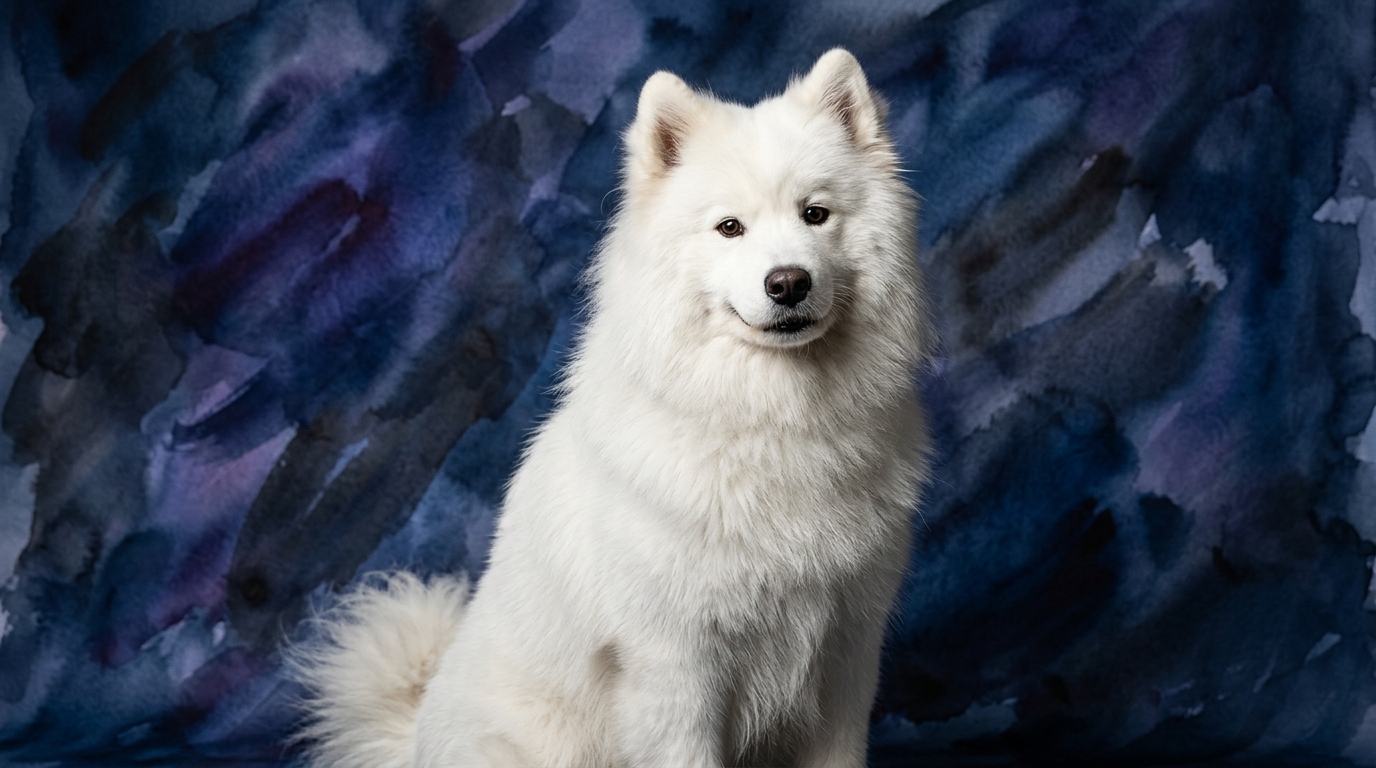
The Samoyed, with a Coren rank of #33, demonstrates a capable cognitive framework. Their Problem Solving (3/5) indicates a moderate ability to navigate novel challenges, requiring some thought and persistence. Training Speed (3/5) suggests a steady learning curve, meaning they absorb new commands consistently rather than instantaneously. Their Social Intelligence (5/5) is a standout trait, highlighting a deep capacity for understanding human cues and integrating into family or pack dynamics, crucial for their historical working partnerships. A robust Instinctive Drive (4/5) reflects their heritage in tasks like herding and sledding, manifesting as a persistent desire to engage with purpose. Memory (3/5) allows them to retain learned behaviors and experiences effectively, building on past lessons.
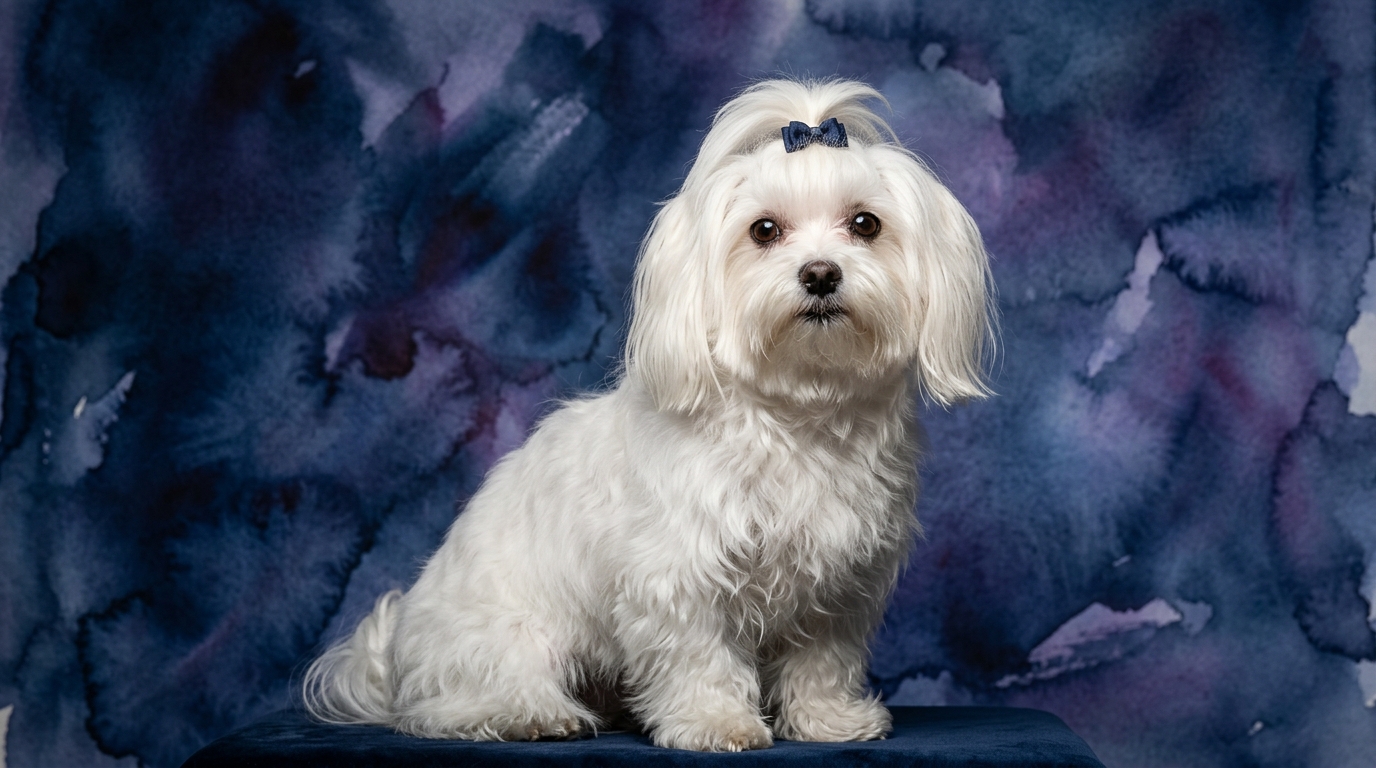
The Maltese, holding a Coren rank of #59, possesses a cognitive profile tailored for companionship. Like the Samoyed, they exhibit Problem Solving (3/5) and Training Speed (3/5), indicating a similar pace in grasping new concepts and finding solutions within their environment. Their Social Intelligence (5/5) is equally pronounced, underscoring their primary role as devoted companions who thrive on human interaction and emotional connection. However, their Instinctive Drive (2/5) is considerably lower, reflecting a history centered on close human companionship rather than demanding task-oriented work. Memory (3/5) ensures they recall routines, familiar faces, and learned behaviors with ease, contributing to their consistent and predictable nature as a pet.
Where Samoyed Wins Cognitively
The most pronounced cognitive distinction where the Samoyed demonstrates an advantage lies in its Instinctive Drive (4/5 compared to the Maltese's 2/5). This isn't merely about physical energy; it signifies a deeper intrinsic motivation to engage with structured activities, follow scent trails, or respond to challenges that tap into their ancestral working roles. This drive translates into a greater persistence in task-oriented scenarios, an eagerness to 'do' rather than just 'be.' While their Problem Solving and Training Speed scores are numerically identical to the Maltese, the Samoyed's robust drive often means they apply these cognitive skills with more vigor and sustained effort when given a job or presented with a stimulating challenge. For instance, a Samoyed might display greater initiative in figuring out how to retrieve a toy from a complex obstacle, driven by an inherent desire to complete the 'hunt,' whereas a Maltese might be satisfied with simply observing or seeking human assistance. This foundational difference in drive shapes how their similar problem-solving abilities are utilized and expressed in real-world situations, making the Samoyed more inclined towards sustained, purposeful engagement.
Where Maltese Wins Cognitively
While the Maltese doesn't numerically 'win' in any of the five specified cognitive dimensions when directly compared to the Samoyed, their unique cognitive profile excels in areas paramount to their role as a dedicated companion. Their lower Instinctive Drive (2/5) can be interpreted as a distinct cognitive advantage in a domestic setting, reducing the likelihood of behaviors stemming from unfulfilled working urges, such as excessive digging, herding attempts, or persistent vocalizations driven by a need for a 'job.' This allows their equally high Social Intelligence (5/5) to shine through in a more focused manner, directed almost entirely towards human interaction and emotional attunement. They are adept at reading subtle human cues, not for a working partnership, but for intimate companionship, demonstrating a profound capacity for emotional connection and adaptability to a quiet, indoor lifestyle. This cognitive setup makes them exceptionally well-suited to households prioritizing close, non-task-oriented bonding, where their gentle nature and focused social acumen are celebrated without the added complexity of managing strong innate drives.
Which Is Easier to Train and Why
Despite both breeds scoring 3/5 in Training Speed, the practical experience of training them can differ significantly due to their other cognitive traits. The Maltese, with its lower Instinctive Drive (2/5) and equally high Social Intelligence (5/5), often presents as easier to train for typical household manners and basic obedience, especially for novice owners. Their primary motivation is often pleasing their human and engaging in close interaction, meaning they are less likely to be distracted by external stimuli that might trigger a strong innate drive. They focus intently on the trainer, valuing positive reinforcement and praise as significant rewards, making them highly responsive in a companion-focused training environment.
The Samoyed, conversely, possesses a strong Instinctive Drive (4/5). While this makes them highly capable and motivated for complex tasks, it also means training requires consistent engagement that caters to their working dog mindset. If their drives are not channeled constructively through training or activities, they can become independent or stubborn, using their problem-solving skills to entertain themselves in ways an owner might not appreciate. Their training success often hinges on an owner's ability to provide stimulating, varied routines that fulfill their need for purpose, making training a collaborative, often more demanding, endeavor than with a Maltese. An owner needs to understand their working dog psychology to make training truly effective and rewarding for a Samoyed.
Which Suits Active Owners vs. Relaxed Owners
The Samoyed, with its robust Instinctive Drive (4/5) and working breed heritage, thrives with active owners who can provide ample physical exercise and mental stimulation. These dogs were bred to pull sleds, herd reindeer, and endure harsh conditions, meaning their cognitive and physical well-being are deeply intertwined with purposeful activity. They excel in dog sports like agility, obedience, or even skijoring, where their problem-solving skills and drive can be fully utilized. Owners who enjoy long hikes, outdoor adventures, and consistent training will find the Samoyed an engaging and devoted partner, as their cognitive needs for engagement are met through shared, challenging experiences.
The Maltese, in contrast, is an ideal companion for more relaxed owners. Their lower Instinctive Drive (2/5) means they are generally content with moderate daily walks and indoor play, without the intense need for a 'job' or extensive outdoor excursions. Their high Social Intelligence (5/5) means their primary fulfillment comes from close human companionship and being an integral part of family life, rather than from performing complex tasks. They adapt well to apartment living and quieter lifestyles, making them suitable for individuals or families who prioritize affectionate interaction and a less demanding physical routine. For those seeking a devoted lap dog whose cognitive needs are met through social bonding and gentle play, the Maltese is an excellent choice.
The Verdict
Opt for a Samoyed if you are an active individual or family prepared to consistently engage a working dog’s strong drives with purposeful training, outdoor adventures, and mental challenges. They flourish when given a 'job' and thrive on collaborative activities that tap into their robust cognitive and physical needs.
Select a Maltese if your lifestyle is more relaxed and you seek a devoted, affectionate companion whose primary cognitive fulfillment comes from close human interaction rather than demanding tasks. They are ideal for those valuing a gentle, adaptable indoor pet who thrives on social bonding and moderate activity.
🧠 Find Your Pet's IQ Score
Our Pet IQ Lab assessment covers 25+ tests across 5 cognitive dimensions — personalized to your breed.
Take the Full IQ Test →Frequently Asked Questions
Do Samoyeds or Maltese dogs vocalize more frequently?
Samoyeds are often more vocal, known for their 'Sammy smile' and a range of sounds including barks, howls, and 'woo-woos,' reflecting their communicative social intelligence and working background. Maltese tend to be less vocal overall, though they may bark to alert their owners or express excitement, fitting their companion role.
How do their memory scores impact daily life for Samoyeds and Maltese?
Both breeds score 3/5 in memory, indicating a solid ability to recall commands, routines, and experiences. For Samoyeds, this means they remember complex training sequences and past interactions well. For Maltese, it ensures they retain household rules and recognize familiar faces and places, contributing to their adaptability and consistent companionship.
Are Samoyeds or Maltese better suited for first-time dog owners?
The Maltese is generally better suited for first-time owners due to their lower instinctive drive and focused desire for companionship, making their cognitive needs simpler to meet. Samoyeds, while socially intelligent, require an owner committed to managing their significant working drives and independent streak, which can be challenging for novices.