Side-by-Side Cognitive Profiles
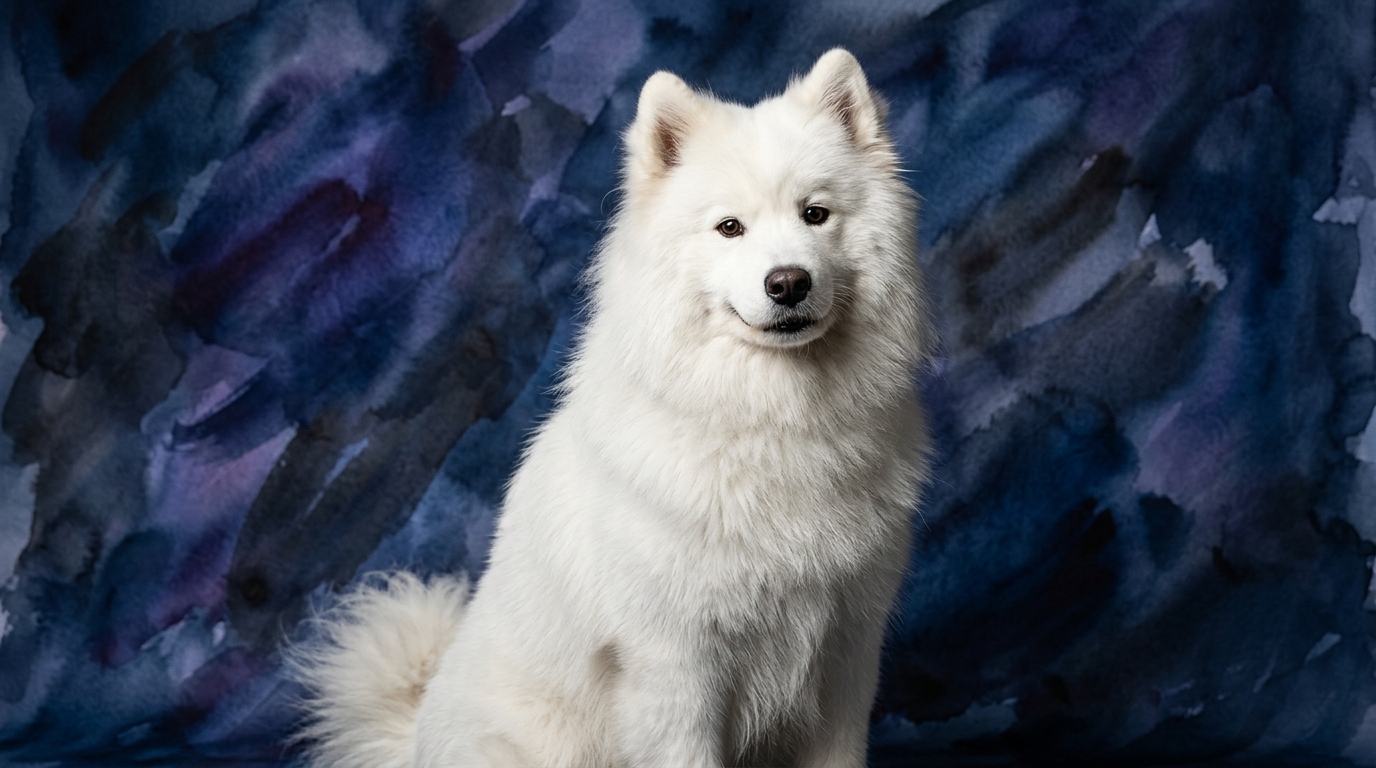
The Samoyed, a robust working dog, showcases a cognitive makeup honed for cooperative tasks and social cohesion, reflecting its historical role. Our IQ framework assigns the Samoyed a Problem Solving score of 3/5, indicating a practical capacity for navigating challenges without necessarily seeking novel solutions spontaneously. Their Training Speed also stands at 3/5, suggesting they are capable learners but require consistent, engaging methods to grasp new commands efficiently. Where the Samoyed truly shines is in Social Intelligence, earning a perfect 5/5; this score reflects their exceptional ability to read human cues, integrate seamlessly into family dynamics, and form deep, cooperative bonds. Their Instinctive Drive is strong at 4/5, rooted in a heritage of sledding and herding, propelling them towards purposeful physical and mental engagement. Memory for the Samoyed is a solid 3/5, allowing them to retain learned behaviors and routines effectively over time.
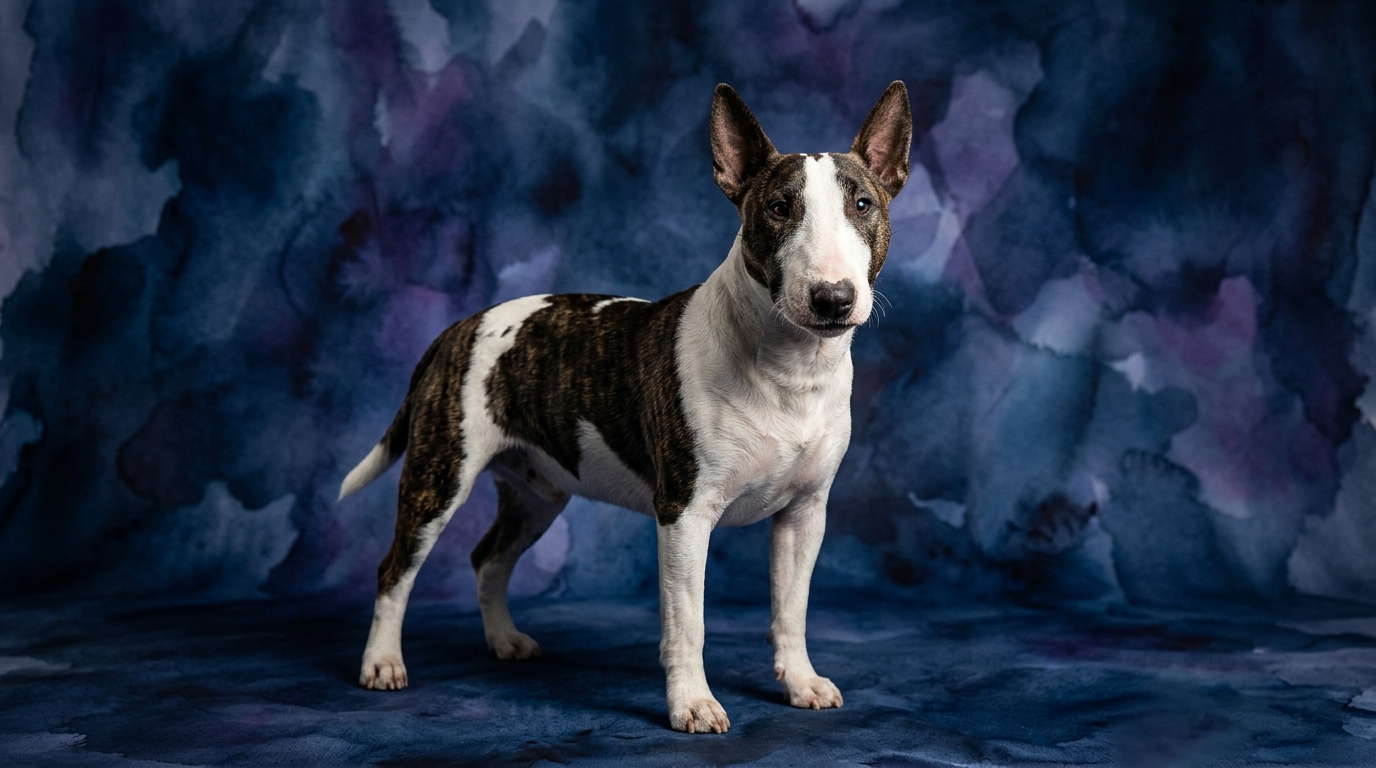
In contrast, the Miniature Bull Terrier, a spirited member of the Terrier group, presents a different cognitive landscape, marked by independence and tenacity. This breed, not Coren-ranked, shares a Problem Solving score of 3/5 with the Samoyed, demonstrating an adequate capacity to overcome obstacles, often with a determined, self-directed approach. Their Training Speed also mirrors the Samoyed at 3/5, meaning they can learn but often demand patience and creativity from their trainers, as their motivation is not always centered on eager compliance. The Miniature Bull Terrier’s Social Intelligence is rated at 3/5, indicating a friendly demeanor but a less intense focus on human social cues compared to the Samoyed, often preferring a more independent interaction style. Their Instinctive Drive is 3/5, reflecting a moderate internal push that includes typical terrier prey drive but less emphasis on cooperative work. Finally, their Memory is also a 3/5, allowing them to recall experiences and training, though their independent streak might sometimes influence their application of remembered commands.
Where the Samoyed Excels Cognitively
The Samoyed's cognitive strengths are most evident in their profound social intelligence and cooperative drive. With a 5/5 in Social Intelligence, Samoyeds possess an unparalleled ability to attune themselves to human emotions, intentions, and social structures. This means they are remarkably adept at understanding nuanced body language, vocal tones, and even subtle shifts in mood, allowing them to respond in ways that foster strong, empathetic connections. Their high social intelligence makes them exceptional companions in multi-person households, often acting as intuitive family members who can sense and adapt to the needs of different individuals.
Furthermore, the Samoyed’s Instinctive Drive of 4/5, combined with their social acumen, means they thrive on activities that involve collaboration with their human companions. This isn't just about physical activity; it's about engaging in tasks with a shared purpose, whether it's pulling a cart, participating in dog sports, or simply going on an exploratory walk together. Their cognitive makeup drives them to seek out and enjoy these cooperative endeavors, finding mental satisfaction in working alongside their people. This leads to a more fulfilling partnership for owners who appreciate a dog that actively seeks to engage and cooperate, leveraging its cognitive abilities to contribute to a shared experience.
Miniature Bull Terrier's Distinct Cognitive Strengths
While the Miniature Bull Terrier's scores for problem-solving and memory are similar to the Samoyed, their unique blend of moderate social intelligence (3/5) and instinctive drive (3/5) shapes how these cognitive abilities manifest. Their problem-solving capacity, though not exceptionally high, is often applied with a distinct terrier tenacity. When a Miniature Bull Terrier sets its mind to a task, whether it’s figuring out how to open a cabinet or retrieve a toy from a tight space, they exhibit a singular focus and persistence that can be quite effective. This isn't necessarily about inventing new solutions, but about applying their existing cognitive tools with unwavering determination until a goal is achieved.
The Miniature Bull Terrier's more independent cognitive profile also means they are less reliant on constant human validation or direction to engage their minds. Their moderate social intelligence allows them to be content with periods of self-directed activity, applying their memory and problem-solving skills to entertain themselves or navigate their immediate environment without constant recourse to their owners. This independence, while sometimes perceived as stubbornness in training, can also be a strength for owners who appreciate a dog with a strong, self-contained personality that doesn't constantly demand interactive mental engagement for contentment. They are adept at finding their own challenges and amusements, often demonstrating a resilient spirit in the face of perceived obstacles.
Training: Samoyed vs. Miniature Bull Terrier
When considering ease of training, the Samoyed generally presents a more straightforward experience for most owners, despite both breeds sharing a 3/5 Training Speed score. The key differentiator lies in their Social Intelligence. The Samoyed's 5/5 social intelligence means they possess a strong intrinsic desire to cooperate and please their human companions. They are highly attuned to human feedback, making them quick to understand what is expected and motivated by positive reinforcement that strengthens their bond with their owner. Their cooperative nature means they often approach training as a shared activity, eager to engage and respond to cues, which translates into a perception of greater trainability and responsiveness.
In contrast, the Miniature Bull Terrier’s 3/5 Social Intelligence and 3/5 Instinctive Drive mean training requires a different approach. While they are certainly capable of learning, their motivation is less about pleasing and more about self-interest or the inherent enjoyment of the task itself. Their terrier independence can manifest as a strong-willed streak, meaning they might 'know' a command but choose not to execute it if it doesn't align with their immediate desires or if a more interesting distraction arises. Training a Miniature Bull Terrier demands immense patience, consistency, and creative methods to keep them engaged, often focusing on making training feel like a game or a rewarding challenge rather than a strict command-and-response exercise. Owners must be prepared for a dog that will test boundaries and requires unwavering commitment to positive reinforcement and clear communication.
Ideal Owners: Active vs. Relaxed Lifestyles
The Samoyed, with its 4/5 Instinctive Drive and 5/5 Social Intelligence, thrives with active owners who are keen to integrate their dog into their daily lives and provide purposeful engagement. These dogs were bred for work and companionship, meaning they benefit immensely from consistent physical activity coupled with mental stimulation that often involves their human family. Owners who enjoy hiking, dog sports, sledding, or even just long, interactive walks and training sessions will find a Samoyed to be an enthusiastic and cooperative partner. They need an owner who understands their need for social interaction and cooperative tasks, preventing boredom and potential vocalizations or destructive behaviors that can arise from a lack of engagement.
The Miniature Bull Terrier, while still requiring regular exercise, might be a better fit for owners who appreciate a dog with a more independent spirit, even if their lifestyle isn't constantly centered around cooperative activities. Their 3/5 Instinctive Drive and 3/5 Social Intelligence mean they can be content with regular walks and opportunities for independent play, though their terrier energy is significant and requires outlets to prevent frustration. They suit owners who are consistent and firm in training, providing clear boundaries, but who also respect their dog's unique personality and occasional stubbornness. While they enjoy their family, they may not constantly seek out interactive tasks in the same way a Samoyed would, making them potentially suitable for owners who offer structured activity but also appreciate a dog that can amuse itself for periods, provided they have adequate mental and physical stimulation.
The Verdict
Choose the Samoyed if you desire a deeply cooperative, socially attuned canine companion who thrives on shared activities, clear communication, and empathetic bonds within a family setting.
Opt for the Miniature Bull Terrier if you appreciate an independent, resilient, and distinct personality, and are prepared to invest in patient, consistent training to channel their unique terrier drive and problem-solving tenacity.
🧠 Find Your Pet's IQ Score
Our Pet IQ Lab assessment covers 25+ tests across 5 cognitive dimensions — personalized to your breed.
Take the Full IQ Test →Frequently Asked Questions
Are Samoyeds good with children?
Yes, Samoyeds generally do well with children due to their high social intelligence and gentle nature. Their cooperative instincts mean they often integrate smoothly into family dynamics, though supervision is always essential with any dog-child interaction.
Do Miniature Bull Terriers require a lot of exercise?
Miniature Bull Terriers do require consistent daily exercise to manage their energy and prevent boredom. While their instinctive drive is moderate, their terrier spirit means they benefit from structured walks, playtime, and mental challenges to keep them content.
Which breed is more vocal?
Samoyeds are often quite vocal, known for their 'Samoyed smile' which can be accompanied by a range of barks, howls, and 'talking.' Miniature Bull Terriers can also be vocal, often barking reactively, but the Samoyed's vocal repertoire is typically more extensive and frequent.